Pontificia Universidad Católica de Valparaíso Develops Biopolymers to Reduce Tailings Dust Pollution
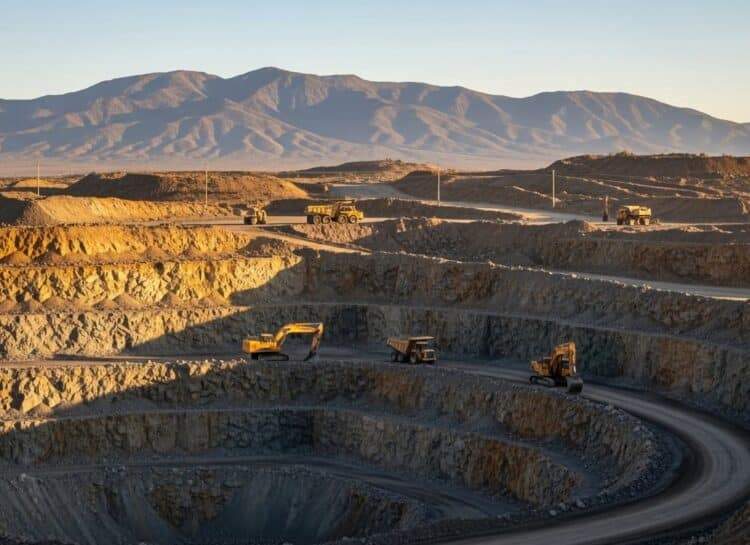
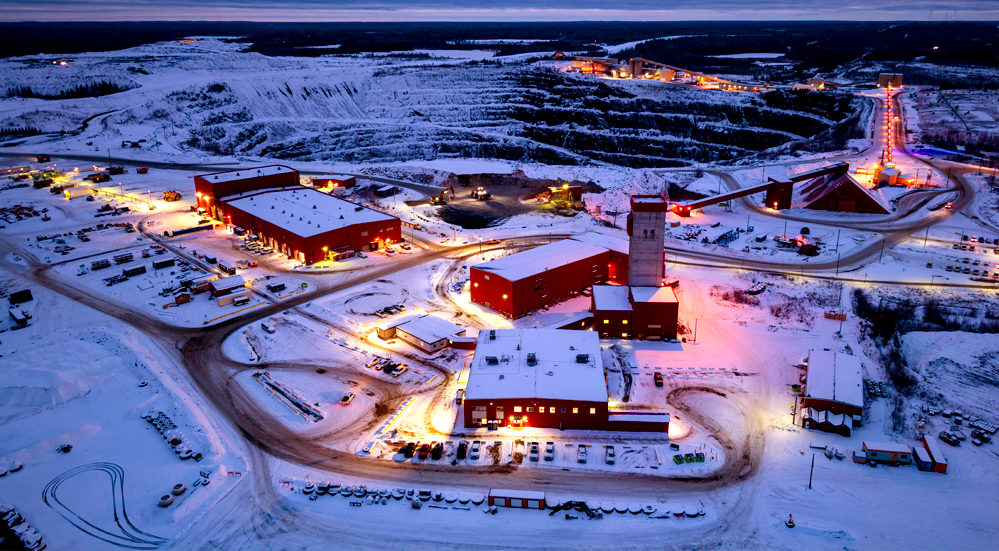
en.Wedoany.com Reported - An interdisciplinary team from the Pontificia Universidad Católica de Valparaíso (PUCV) in Chile has proposed using biotechnological tools to address wind erosion in tailings storage facilities, centered on developing a natural polymer based on bacterial alginate to stabilize tailings surfaces. Data shows that Chile currently has 795 tailings storage facilities distributed across nine regions, the vast majority of which are inactive (475) or abandoned (176), considered by experts as an "active threat" to public health and the environment.
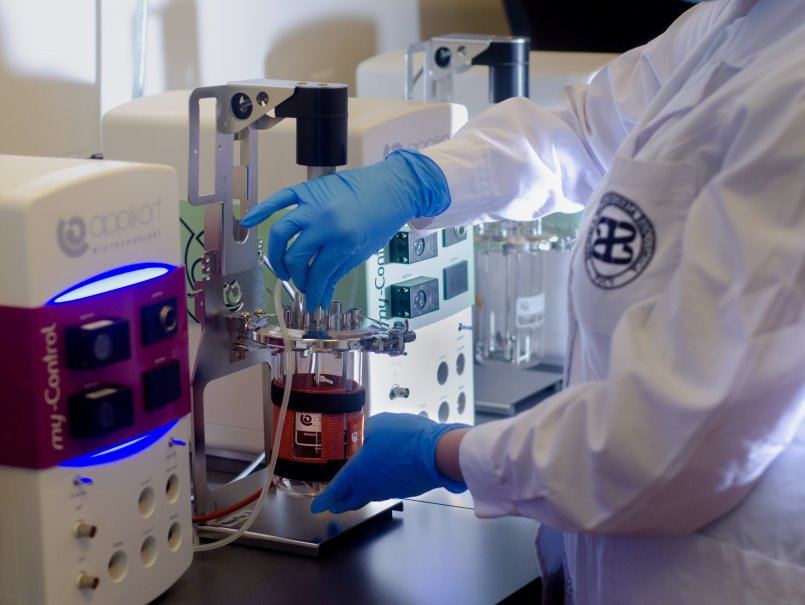
The project is led by Professor Álvaro Díaz from the School of Biochemical Engineering at PUCV. The university stated that this biotechnological solution is soluble, compatible with vegetation restoration, and environmentally friendly. Professor Díaz explained that the initiative stems from the need to provide practical solutions to environmental problems. The project began several years ago with the formation of an interdisciplinary team comprising experts from PUCV's School of Construction Engineering and Transportation and the School of Biochemical Engineering, aiming to address wind erosion of tailings, which affects the environment and the health of nearby residents.
The project, titled "Development of New Natural Biopolymers to Control Wind Erosion of Tailings (DEBIOMIN)," is funded by the National Agency for Research and Development of Chile (Agencia Nacional de Investigación y Desarrollo de Chile, Anid) through the Fondef IDeA I+D competition. Technically, the project aims to produce alginate using the bacterium Azotobacter vinelandii. Compared to alginate extracted from seaweed, this bioprocess can synthesize "customized polymers," adjusting their molecular weight according to application needs. Once the product is applied to mining materials, it forms a protective crust on the tailings surface, physically preventing the lifting of particulate matter caused by wind action.
The research is currently at Technology Readiness Level (TRL) 3, with the goal of scaling up and validating the technology to TRL 5. To achieve the transition to the production sector, PUCV is conducting corresponding scale-up trials in collaboration with SVCorp and a mining company. The university emphasized that this scientific effort is incorporated into PUCV's 2023-2029 Institutional Strategic Development Plan, responding to the goal of leading research and promoting creations with social impact, while increasing interdisciplinary research, innovation, and creation, demonstrating how synergies between biochemical engineering and construction engineering can provide solutions for sustainable development and territorial protection. Over the two-year period, undergraduate and graduate students will participate in key parts of experimental development and analysis.
Related Products
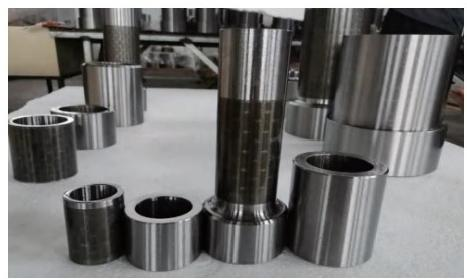

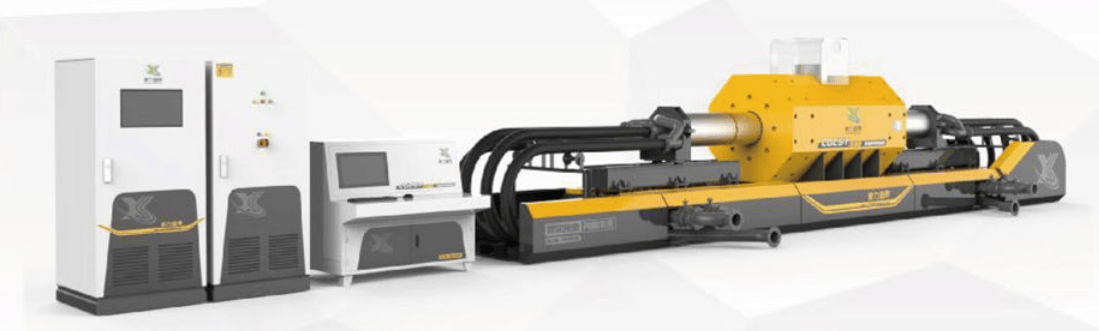
High-temperature Equal Wall Thickness High-power Screw Drilling Tool
Orient Energy & Technologies Co., Ltd.
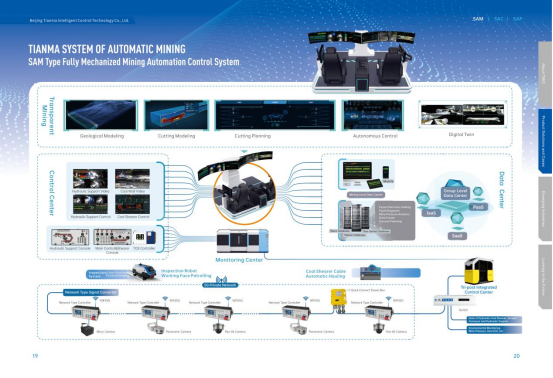
Comprehensive Mining Automation Control System
Beijing Tianma Intelligent Control Technology Co., Ltd.
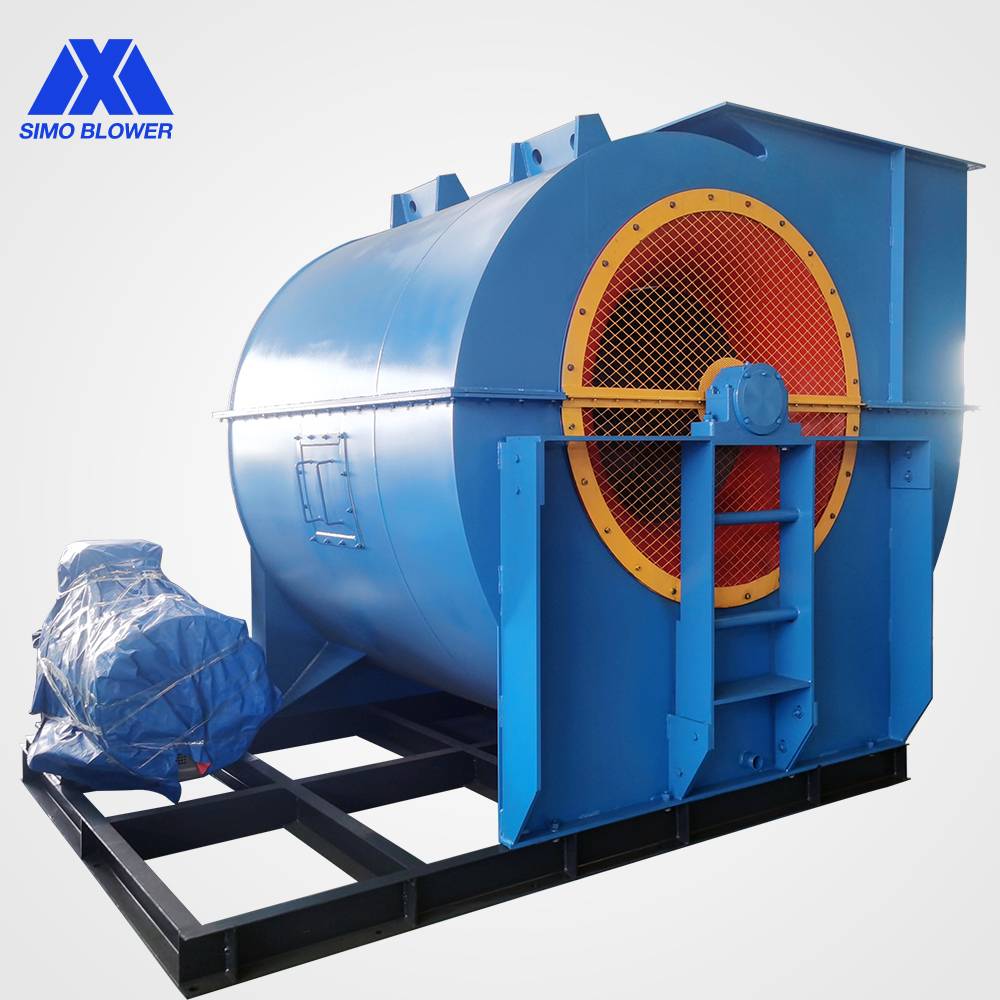
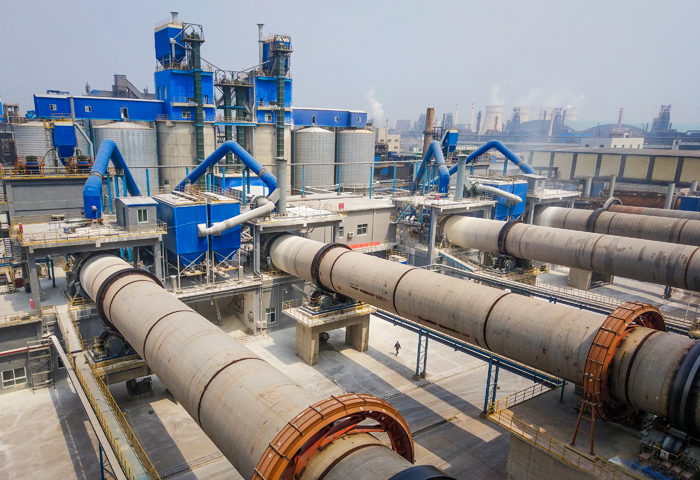
CITIC Heavy Industries Metallurgical Equipment Steel Smelting Engineering Equipment
CITIC Heavy Industries Co., Ltd.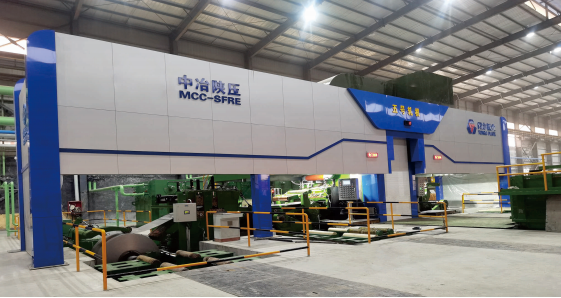
1050-1750mm Steel Strip Single-stand Reversible Cold Rolling Production Line
MCC-SFRE HEAVY INDUSTRY EQUIPMENT CO., LTD.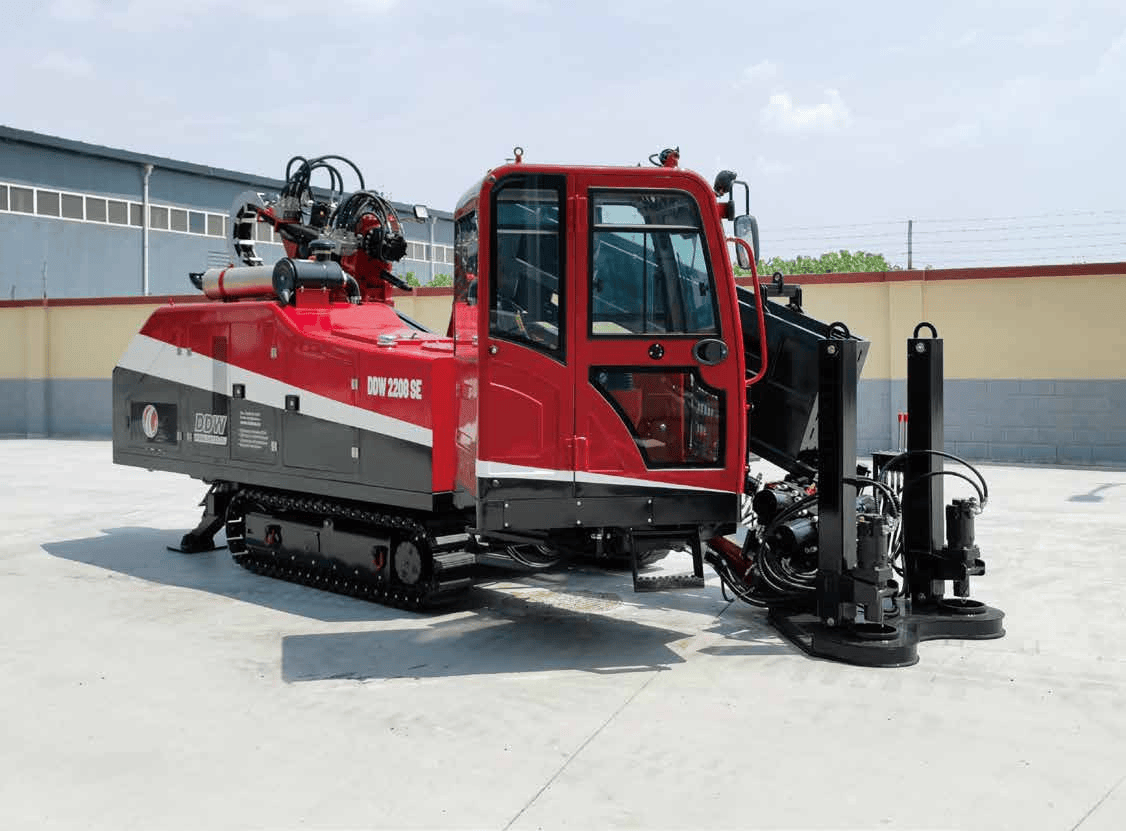
DDW22/08SE-HORIZONTAL DIRECTIONAL DRILL
DW/TXS Construction Equipment (Beijing) Co., Ltd.