China's ByteDance Plans to Complete In-House CPU Design and Mass Production by 2027
en.Wedoany.com Reported - ByteDance plans to complete the design of its next-generation in-house central processing unit (CPU) by early 2027, with mass production and deployment scheduled for the second half of that year. An early version of the company's self-developed processor has been in internal use since the end of 2025.
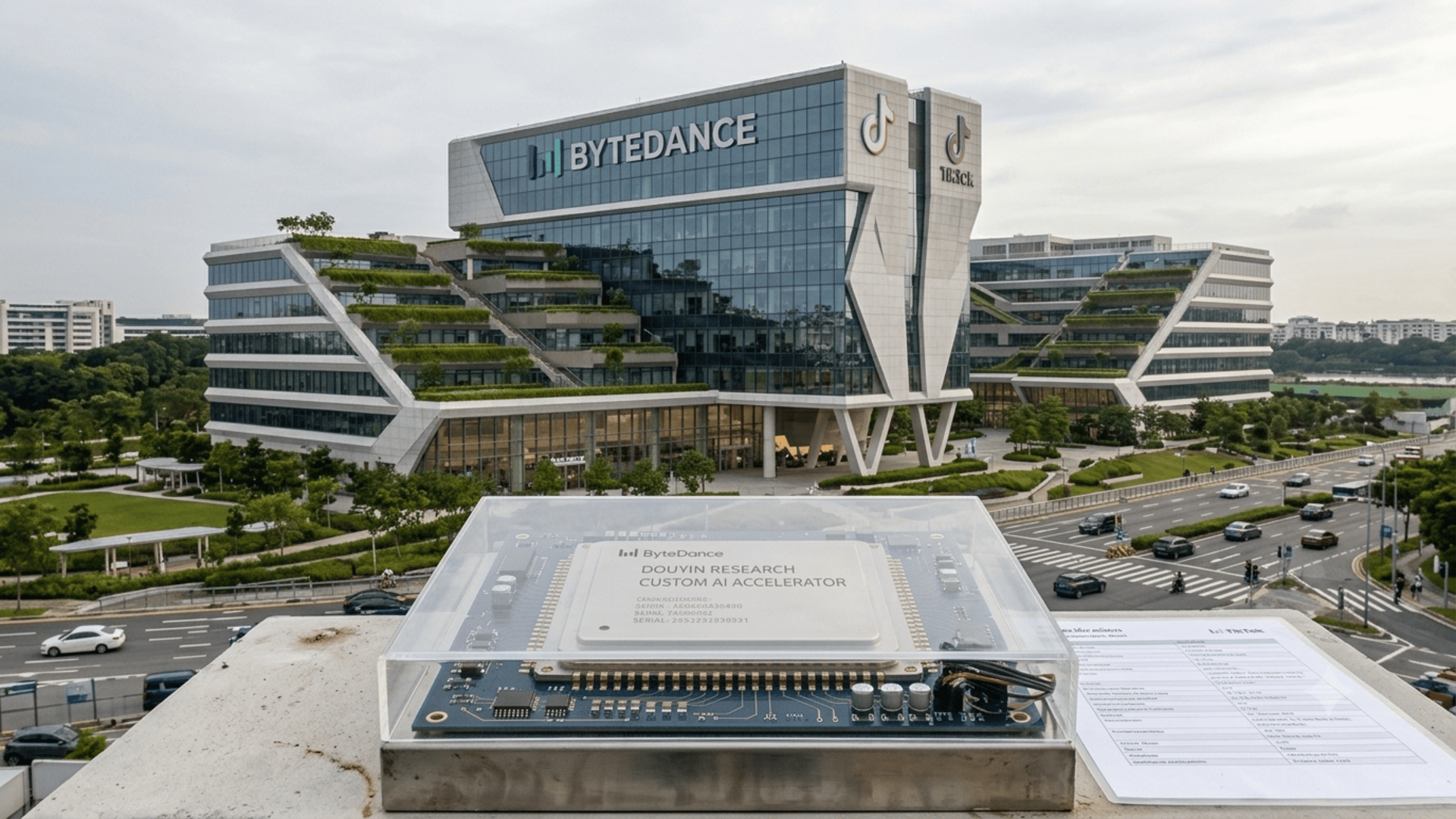
The company's internal computing demand has surged dramatically, driven primarily by products such as the Doubao chatbot and the Seedance video model. These products have significantly boosted the infrastructure requirements of ByteDance's expanding AI tool portfolio. As agentic AI workloads become more complex, computing demands are shifting from pure matrix calculations to broader task orchestration, coordination, decision-making, and memory management, influencing how the company plans its future computing infrastructure.
To accelerate development and secure foundry capacity, ByteDance is reportedly collaborating with U.S. chipmaker Qualcomm on this project. The chip tape-out—the final engineering milestone before physical manufacturing—may occur earlier than originally planned. ByteDance has never publicly commented on its chip development activities, although reports indicate that multiple in-house chip designs are rapidly expanding.
U.S. government export controls have progressively restricted Chinese companies' access to advanced semiconductors, particularly Nvidia's H100 and H20 accelerators. This trend has driven major Chinese tech companies to massively scale up their in-house chip projects. ByteDance's CPU initiative aims to reduce reliance on suppliers over which it has limited control. As ByteDance's internal chip capabilities further mature, publicly traded chipmakers including Arm Holdings, Intel Corporation, and Advanced Micro Devices may face declining demand. Nvidia, already constrained in selling advanced AI accelerators to Chinese buyers, faces additional long-term headwinds as ByteDance builds internal alternatives.
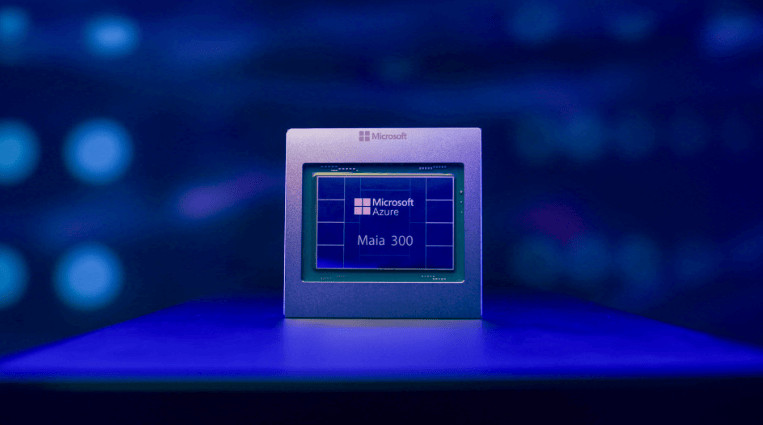
This strategy aligns with major global hyperscale cloud providers, reflected in Google's TPU chips, Amazon's Trainium and Graviton processors, and Microsoft's Maia accelerators. At sufficient scale, in-house hardware can offer significant cost and performance advantages over hardware purchased from external suppliers. Confirmation of the official tape-out date will send a clearer signal to the market that ByteDance's growing semiconductor ambitions should be taken seriously.
Related Products

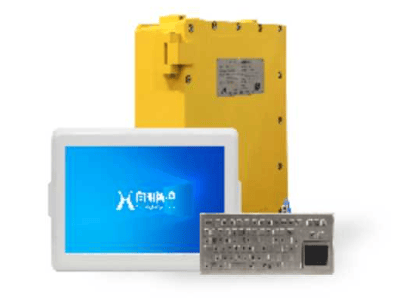
KJD127(A) Mining Explosion-Proof and Intrinsically Safe Computer
Taiyuan Xiangming Intelligent Control Technology Co., Ltd.

Automatic Aiming Laser Remote Obstacle Removal Robot
Pinggao Group Weihai High-Voltage Apparatus Co., Ltd.
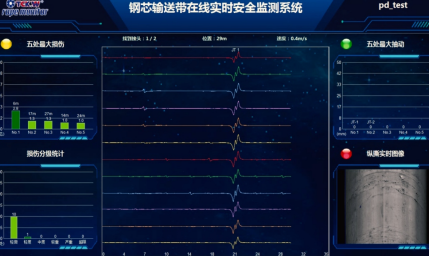
Conveyor Belt Intelligent Monitoring System
LUO YANG WIRE ROPE INSPECTION TECHNOLOGY CO., LTD.

Industrial and Commercial Point-Type Gas Detector
Jinan Benan Technology Development Co., Ltd.