PNE Romania 99.2 MWp Agri-PV Project Ready for Construction
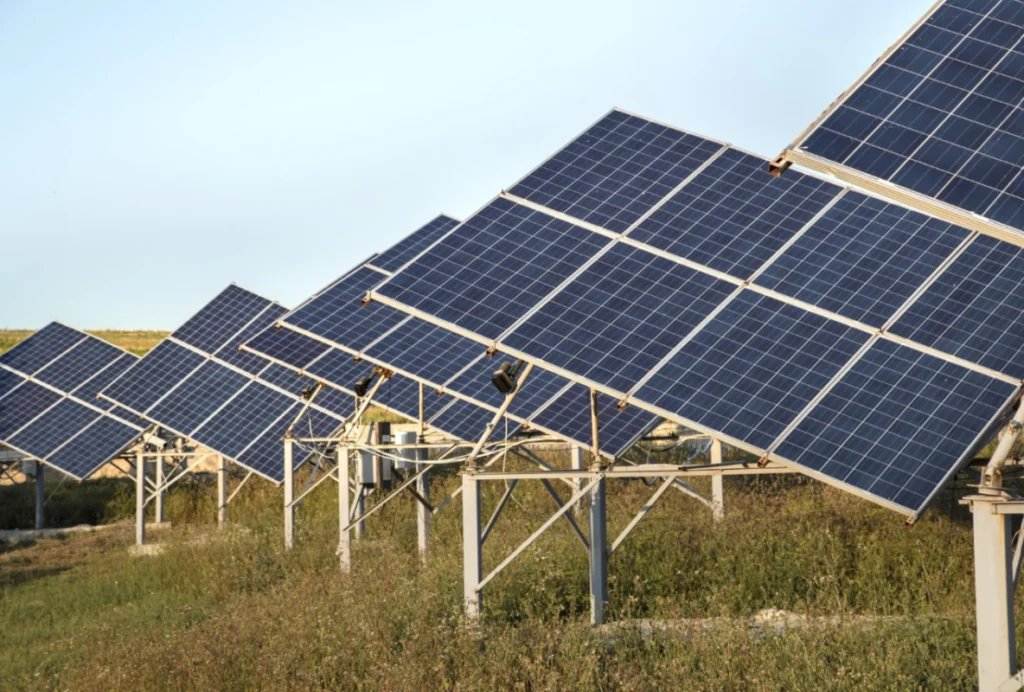
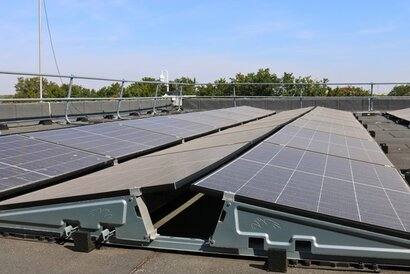
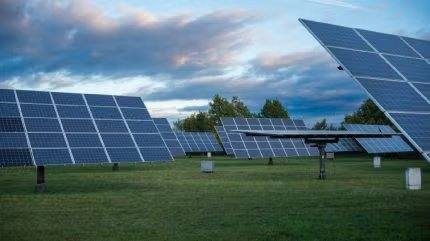
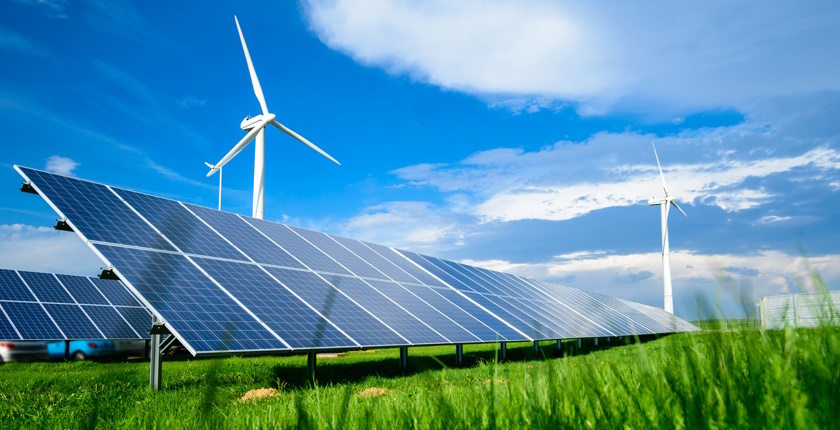
en.Wedoany.com Reported - PNE AG's Romanian subsidiary has reached the ready-to-build stage for the 99.2 MWp Hotar agri-PV project in Bihor County. The project combines photovoltaic power generation with agricultural activities, located approximately 40 kilometers from the 87 MW Oradea photovoltaic park developed by PNE and sold to Israel's Econergy International in 2022.
PNE stated that all permits for the Hotar project have been obtained, and grid connection approval is nearing completion. The project will be supported by a battery energy storage system with a capacity of up to 57 MWh.
The company focuses on developing onshore wind, utility-scale photovoltaic, and battery energy storage systems (BESS), recently including two standalone battery projects with a total capacity of 272 MW approved in April, as well as the 106 MWp Maxineni agri-PV project that has reached the ready-to-construct stage.
The Hotar project reaching the ready-to-build status means it is about to commence construction, adding utility-scale photovoltaic capacity to Romania's grid in the short term, rather than remaining in lengthy permitting processes. The completion of permits reduces regulatory uncertainty, helps transmission and distribution operators plan short-term grid connection works, and facilitates the dispatch of new generation capacity. The imminent completion of grid connection approval indicates that the project is at a critical "technical integration" stage, where new photovoltaic capacity requires verification through interconnection studies, involving specific technical aspects such as network capacity, voltage/fault behavior, and protection settings.
In Bihor County, the 99.2 MW scale is crucial for local grid planning, potentially increasing power flow demands and reinforcing grid reinforcement needs. The introduction of the agri-PV model helps enhance local acceptance and land-use compatibility of the project, thereby reducing non-technical delays and indirectly supporting smoother grid integration. The project's accompanying 57 MWh battery energy storage system can enhance grid flexibility through time-shifted output and reduced solar ramping pressure. Especially on days with severe solar ramping, this ability to smooth the generation curve benefits grid operations.
The energy storage system can store excess generation during periods of high irradiance and deliver it when photovoltaic output declines, reducing curtailment risk and enhancing the project's effective contribution to system reliability. By smoothing the generation curve, the battery helps reduce frequency and balancing requirements at the regional level. The advancement of this project, combined with already developed projects such as the Oradea photovoltaic park, suggests that solar penetration in the region may be increasing, making storage peak shaving particularly important for grid stability.
The capacity of the battery energy storage system (BESS) at the Hotar project also indicates that, subject to market rules, the project can participate in grid services such as reserve capacity provision and peak shaving, further enhancing grid resilience. As long as grid upgrades and dispatch coordination are in place, the near-term deployment of photovoltaic and storage can support Romania's decarbonization goals while reducing reliance on conventional generation for peak shaving. With PNE actively developing more battery and agri-PV projects, the Hotar project is likely part of a larger project pipeline, providing Romania with more stable controllable renewable energy capacity, thereby shaping future grid planning assumptions.
Related Products


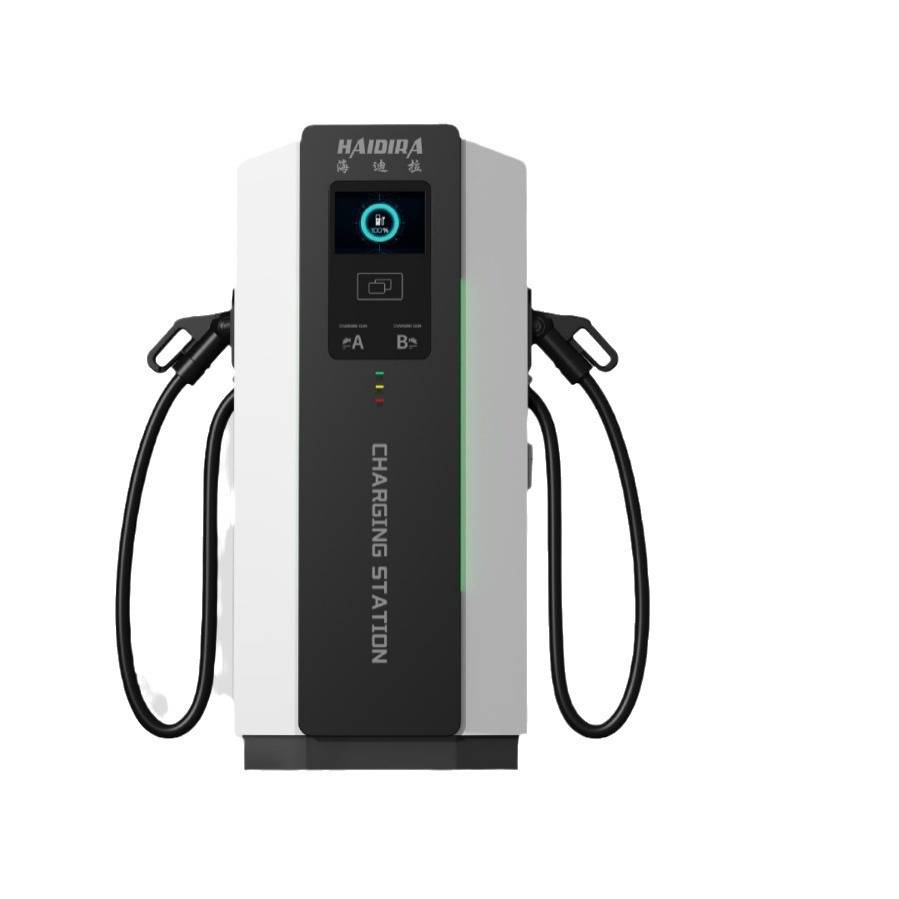
Manufacturer Direct Sales Tesla New Energy Electric Vehicle Universal DC 180kW Dual-gun Charging Pile Commercial Fast Charger
Anhui Haidira Electric Technology Co., Ltd.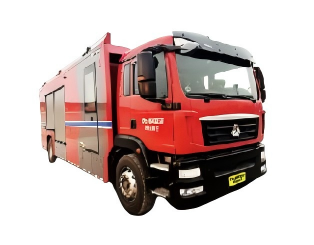
Modular Multifunctional Water Supply and Drainage Vehicle (18T)
Changsha Dewater Machinery Technology Co., Ltd.
Hydraulic Turbine Genset
Dongfang Electric Corporation Dongfang Electric Machinery Co., Ltd.
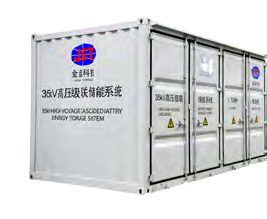
6kV-35kV Medium and High Voltage Direct-Connected Energy Storage System
Hainan Jinpan Smart Technology Co., Ltd.