UK Light Steel Frame Association Releases Net Zero Guide for Light Steel Framing
en.Wedoany.com Reported - The Light Steel Frame Association (LSFA) has published a new guidance document titled "A Cost-Effective Route to Net Zero." The guide explores how light steel frame buildings can support the industry in achieving net zero targets through whole-life carbon reduction, circular construction principles, and advancements in low-carbon steel production, while emphasizing that achieving net zero must never come at the expense of building safety.
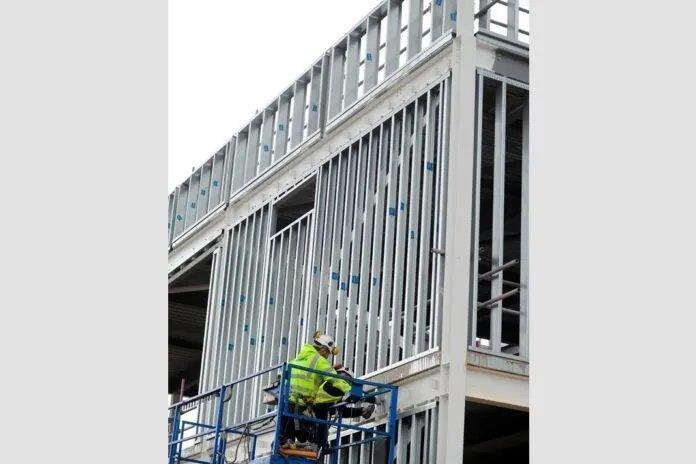
The LSFA states that the guide provides practical guidance for project teams to deliver high-performance, future-proof buildings while maintaining commercial viability. The document highlights the importance of considering whole-life carbon emissions from buildings, covering stages such as material extraction, manufacturing, construction, use, refurbishment, and eventual demolition. The guide also specifically notes that as regulations continue to evolve, non-combustible structural solutions are becoming increasingly important, and the path to net zero must be predicated on building safety.
The LSFA indicates that steel can be reused or recycled indefinitely without loss of structural performance. Current light steel frame systems already contain 60% to 90% recycled steel, and the steel industry is accelerating its low-carbon transition through Electric Arc Furnace (EAF) technology powered by renewable energy. The association mentions that the new electric arc furnace at Port Talbot is expected to reduce on-site carbon dioxide emissions by up to 90%, with production anticipated to begin around 2027.
LSFA Chairman Ben Towe stated that the guide aims to equip building professionals with the knowledge and confidence to specify light steel frame systems as a credible net zero solution, demonstrating that high-performance buildings can be achieved without significant cost premiums. He emphasized that early collaboration with specialist teams can transform project outcomes, opening a more sustainable, safer, and more cost-effective path to net zero. Towe added that the construction industry faces immense challenges: it must reduce embodied carbon, improve operational performance, extend building lifespan, and embrace circular construction principles, while delivering safe, high-quality, and commercially viable buildings. He noted that the net zero discussion should not focus solely on operational energy consumption; whole-life carbon must be central to design decisions, and light steel frame systems can unlock carbon, time, and cost benefits early in the project lifecycle.
Related Products


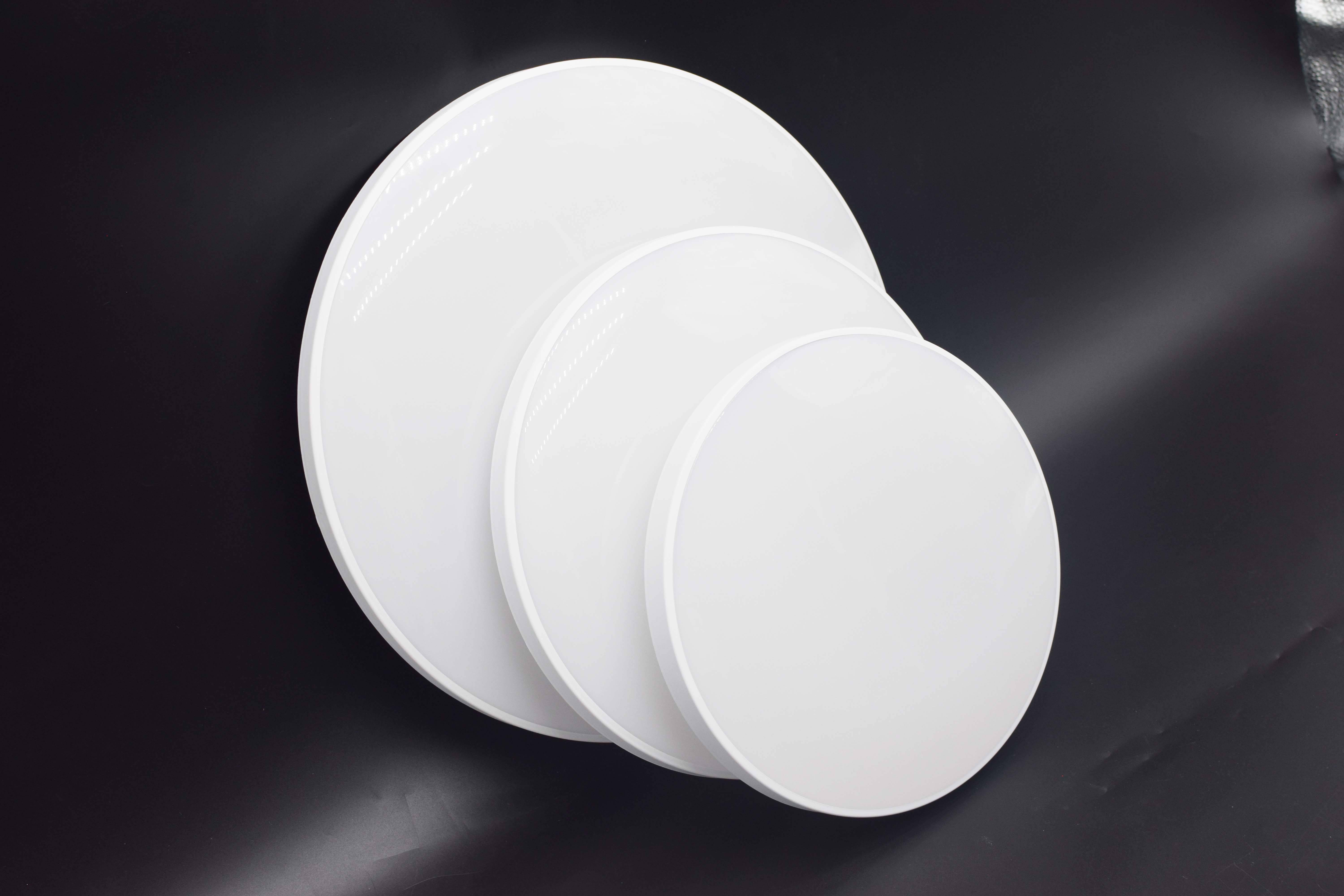
Ceiling light | led Ceiling Light | LED Indoor light | LED Ceiling lighting
Queendom Group Technology Co., Ltd.
YHTank8400N Solvent-Free Liquid Epoxy Coating
JIANGSU YUNHU NEW MATERIAL TECHNOLOGY CO., LTD.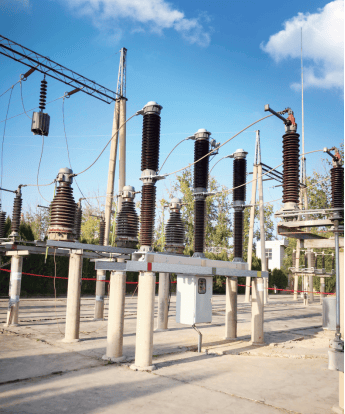
145kV Porcelain Column Type Sulfur Hexafluoride Circuit Breaker
TBEA ZONFA Shanghai High Voltage Switchgear Co., Ltd.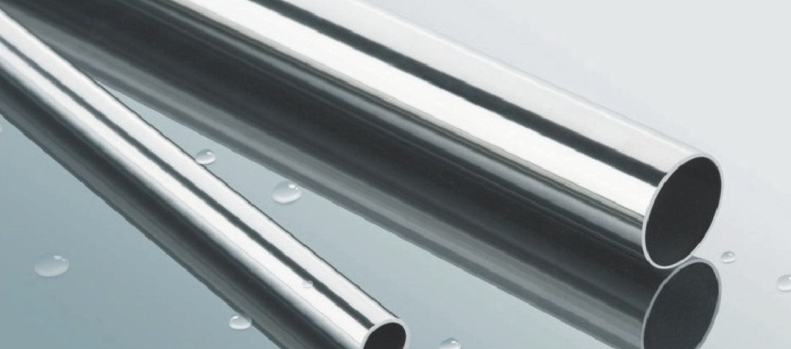
ERW Welded Pipe (Black Pipe and Hot-dip Galvanized Steel Pipe)
Handan Zhengda Steel Pipe Co., Ltd.


Industrial and Commercial Point-Type Gas Detector
Jinan Benan Technology Development Co., Ltd.