IPP Iberia Manages Millions of Pallets Across Spain and Portugal for a Decade
en.Wedoany.com Reported - After a decade of operations on the Iberian Peninsula, IPP Iberia has established a distribution network covering all of Portugal and Spain, managing millions of pallet movements annually and consolidating its market position in the fast-moving consumer goods (FMCG) sector. Starting as a small team, the company gradually evolved from a pallet supplier into an integrated partner in customer operations by adjusting its commercial, administrative, and operational processes to suit the characteristics of each supply chain.
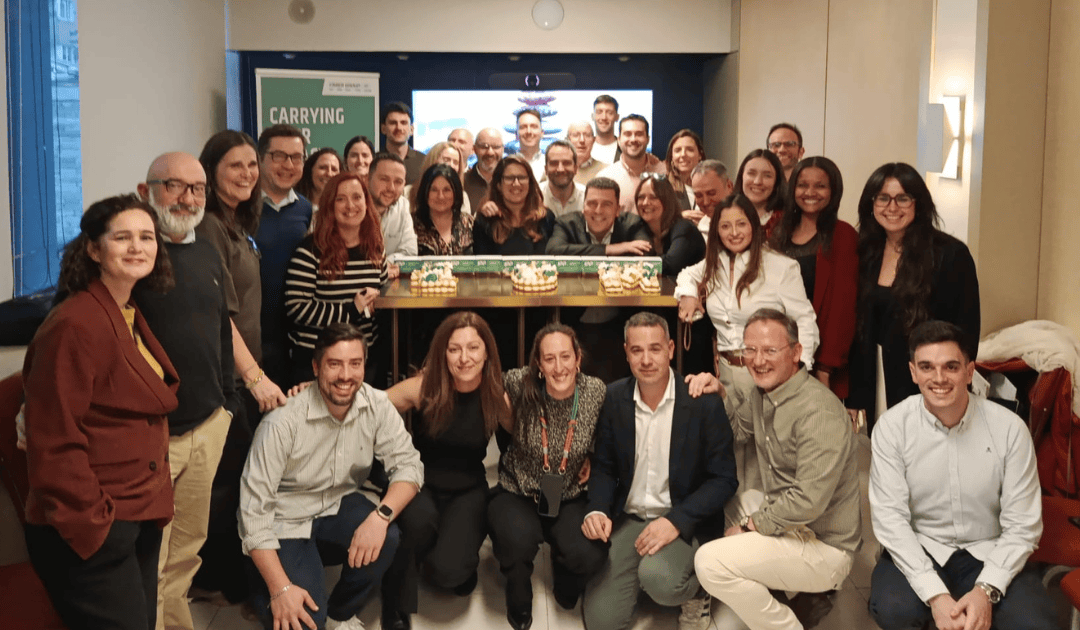
When IPP Iberia first entered the Iberian Peninsula, the market was highly reliant on established models for pallet management. The company's early team was small, but leveraged industry experience to identify the needs of manufacturers, distributors, and logistics operators. Sergio Sanz Arguedas, Director of European Business Development, has been involved since the company's inception, initially serving as Business Unit Director at IPP Iberia. He stated that the team started with very few people but possessed extensive industry experience, which allowed them to identify the needs of the Iberian market from the outset and achieve growth based on listening to and adapting to each customer's requirements. Over the decade, the company built a network of service centers and strategic partners across Portugal and Spain, expanded its team, and enhanced its operational and digital capabilities. Business is primarily concentrated in Spain, but growth in the Portuguese market has been described as exponential, driven by demand for operational efficiency, simplicity, and flexibility, particularly evident in FMCG sectors such as food and cleaning products. The customer base ranges from large manufacturers to small businesses requiring shared pallets to deliver products to extensive distribution networks. Ana Ferreira, Business Director at IPP Iberia, noted that the company is most proud of the relationships built with customers, transitioning from just another supplier to becoming part of the customer's solution—a process requiring time, consistency, and the ability to listen.
The application of the shared pallet model has evolved over the decade. Initially viewed as an operational solution to ensure pallet availability at the right place and time, it has now become a management tool incorporating variables such as cost pressure, supply chain specialization, resilience needs, and sustainability. By sharing and reusing assets, companies reduce investment in their own pallets, streamline processes, improve equipment utilization, and lower resource consumption. The "2025 Sustainability Progress Report" published by Faber Group, to which IPP belongs, shows that shared pallet solutions helped customers avoid over 40,000 tonnes of CO2 emissions, with the group recording more than 134 million asset movements in one year. The company also collaborates with customers, suppliers, and logistics operators to optimize transportation, reduce the operational carbon footprint, and improve asset utilization.
Entering its second decade, IPP Iberia plans to strengthen network and service efficiency, advance process digitalization, and develop solutions to address more demanding and volatile supply chains. The company believes that, against the backdrop of manufacturers and distributors seeking to reduce costs, emissions, and fixed assets, the shared pallet model will continue to gain traction on the Iberian Peninsula, with asset-sharing usage models becoming more deeply integrated into logistics strategies.
Related Products
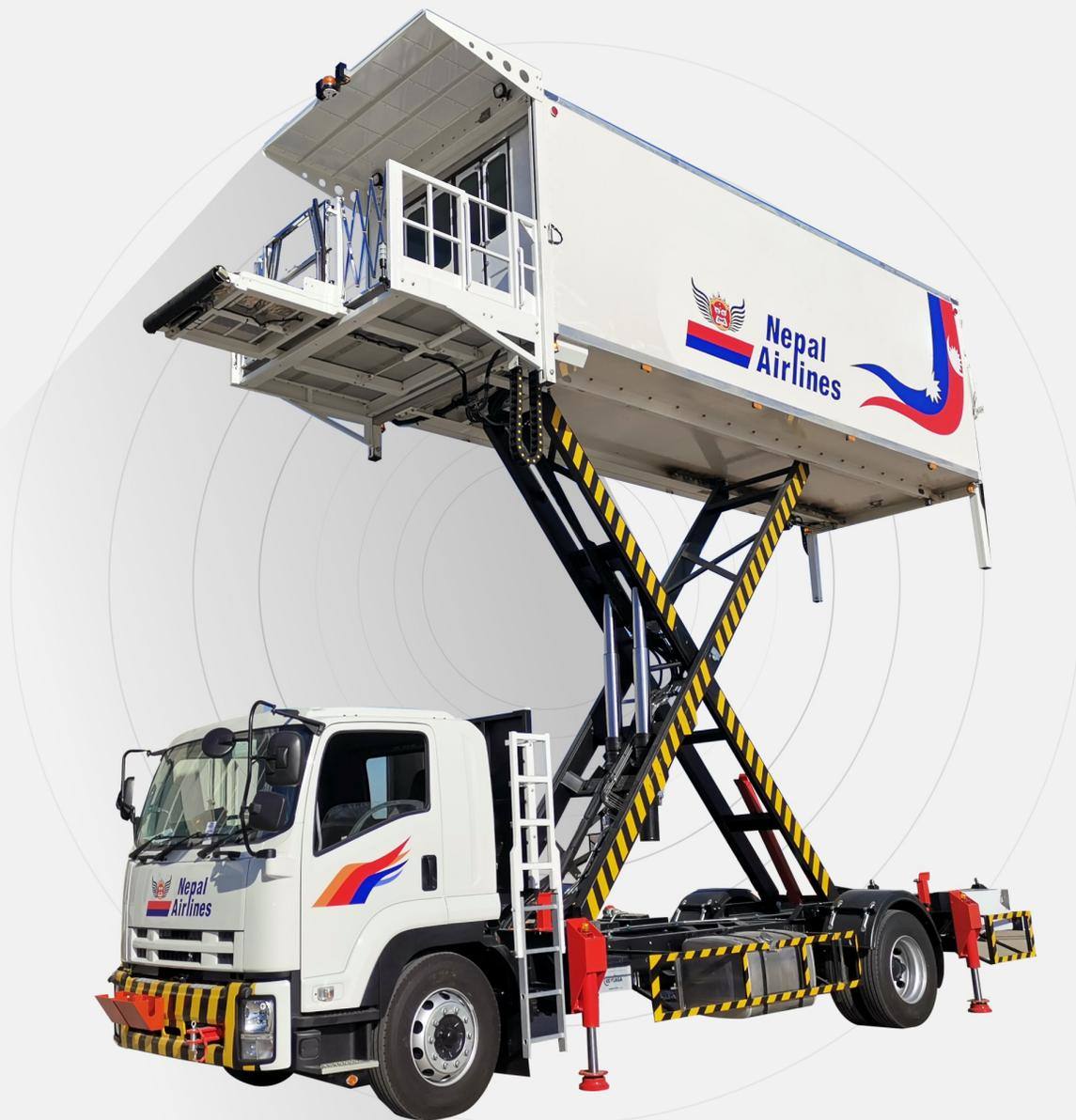

XC-6000e Type Aviation Catering Truck (Fuel Type)
Shenzhen CIMC-TianDa Airport Support Ltd.
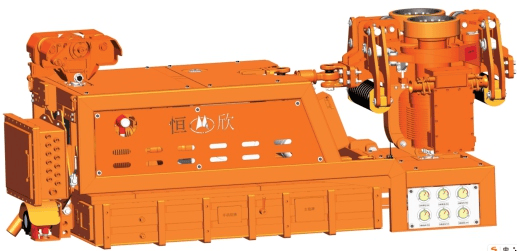
Explosion-proof lithium battery dispatching monorail crane locomotive (permanent magnet frequency conversion integrated machine)
Xiangtan Hengxin Industrial Co., Ltd.
Industrial and Commercial Point-Type Gas Detector
Jinan Benan Technology Development Co., Ltd.
ERW Welded Pipe (Black Pipe and Hot-dip Galvanized Steel Pipe)
Handan Zhengda Steel Pipe Co., Ltd.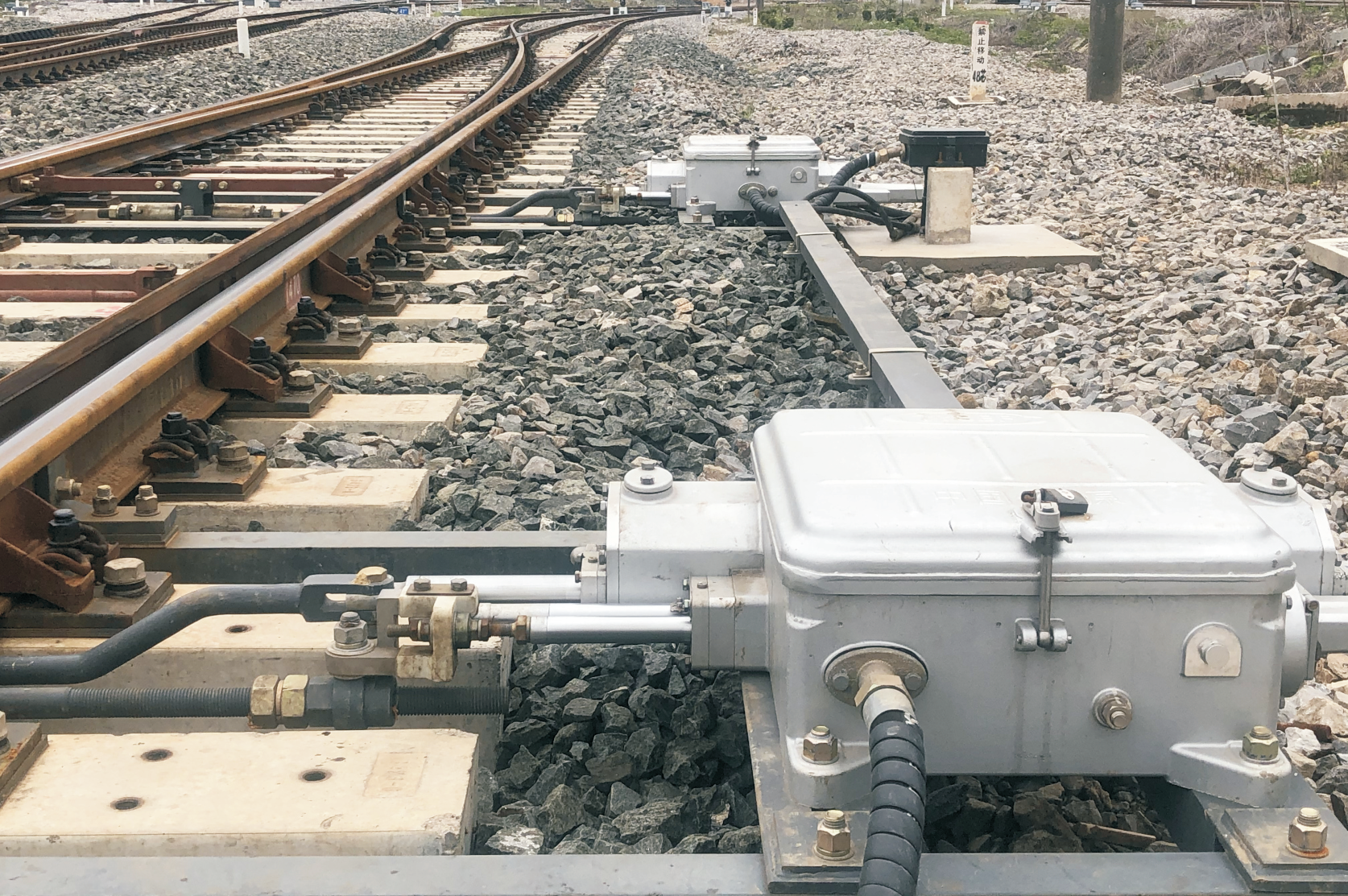
ZY(J)7(M) Sealed Type Electro-Hydraulic Turnout Machine
TAIYUAN CR JINGFENG EQUIPMENT TECHNOLOGY CO., LTD.