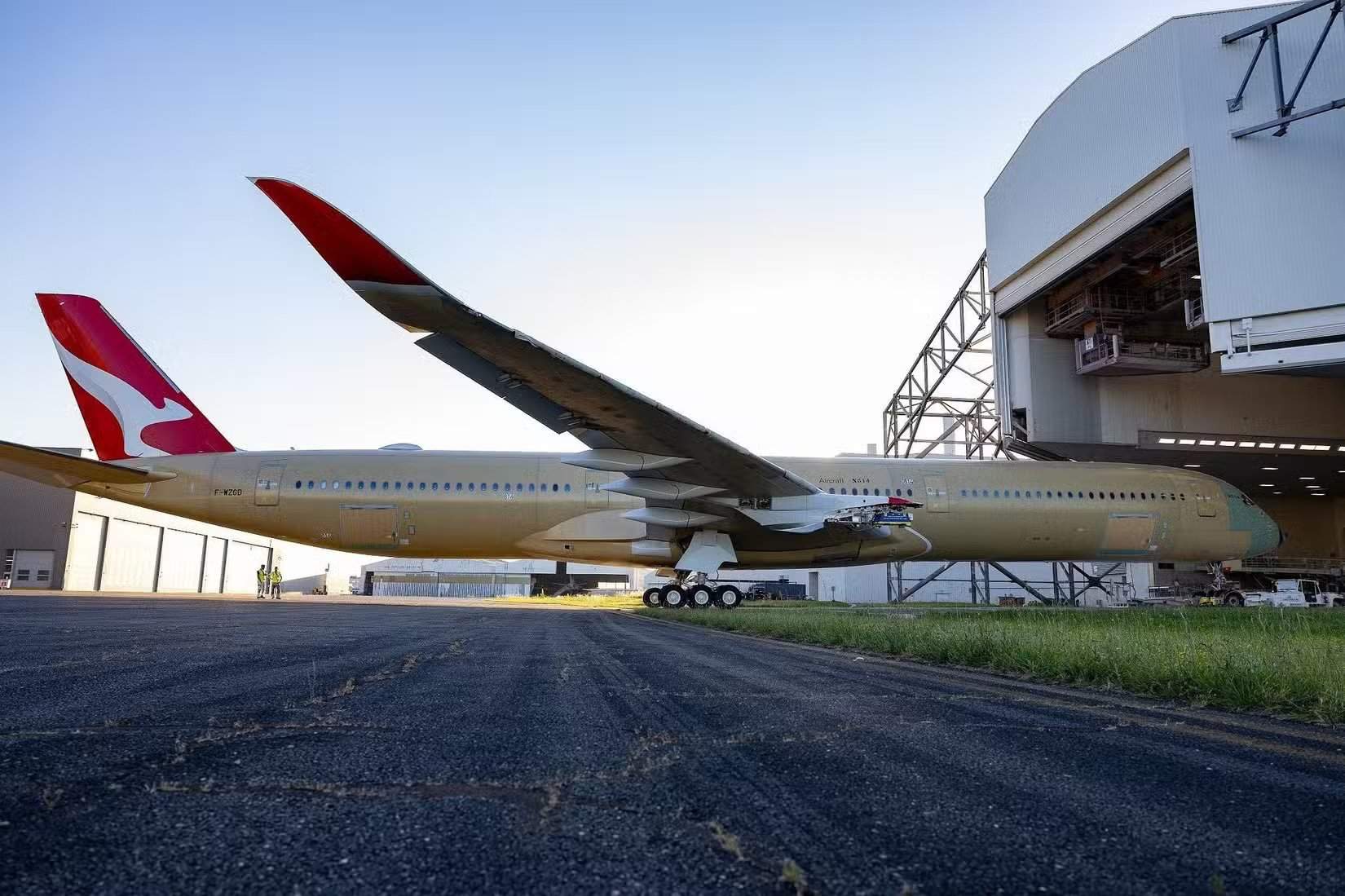
en.Wedoany.com Reported - Qantas has officially confirmed the selection of the Airbus A350-1000ULR to operate its two "Project Sunrise" ultra-long-haul direct routes, rather than the previously highly anticipated Boeing 777X. Qantas believes that using a proven platform and engine is a lower-risk option compared to waiting for a new, yet-to-mature aircraft type. These two routes will connect Sydney with London Heathrow and New York JFK, with the Sydney-London flight exceeding 20 hours, making it the world's longest commercial route.
Project Sunrise completed its aircraft order in 2022, with Qantas ultimately choosing the Airbus A350-1000ULR. The longer route (Sydney to London Heathrow) covers 9,188 nautical miles (approximately 17,016 km) and is expected to launch in October 2027. The first A350-1000ULR will arrive in April and will initially be used for short-haul crew familiarization flights. Qantas plans to launch the London route after acquiring three of these aircraft, with the New York route following as the second destination. Qantas also intends to deploy the A350-1000ULR on its existing network, primarily replacing Boeing 787s to open new routes. As for routes connecting Melbourne to London and New York, these are currently lower priority and may only be realized with the delivery of the final few aircraft.
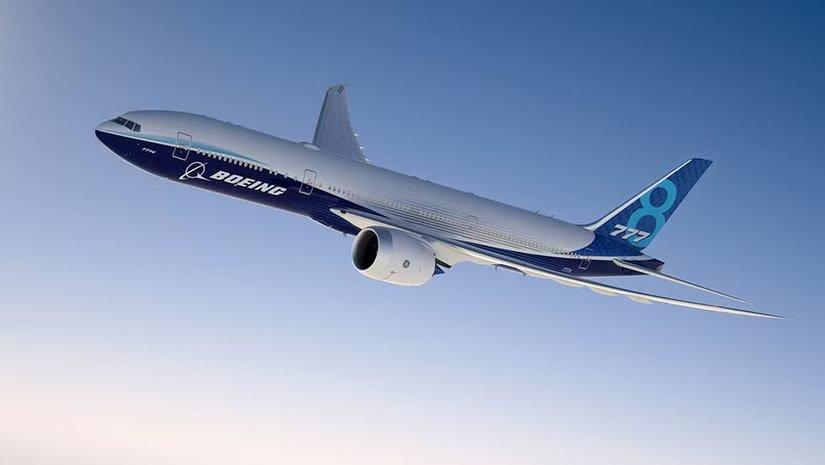
On the technical front, Airbus offered the A350-1000ULR, while Boeing offered the 777X (initial discussions centered around the smaller 777-8). Due to ongoing delays in the 777X program, the 777-9 was also considered, but its currently advertised range is too short for Project Sunrise, requiring increased maximum takeoff weight, auxiliary fuel tanks, and reduced passenger capacity. Qantas publicly selected the A350 in 2019 and formally placed the order in 2022. The timeline was a critical factor in the decision: the 777X is one of the most delayed aircraft programs in recent years, and with Qantas planning to launch the route in 2027, choosing the 777X would have made it one of the launch operators for the type.
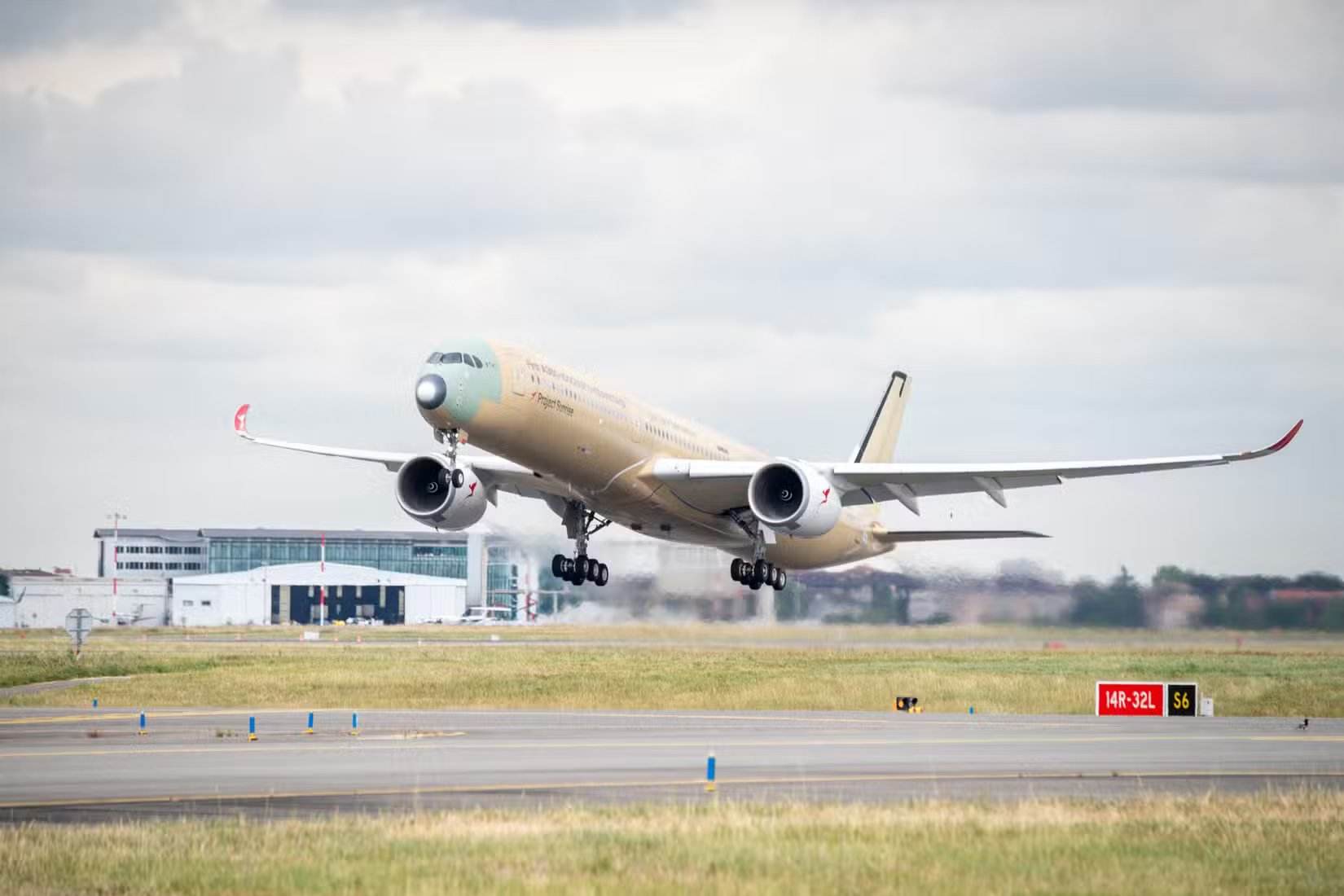
In terms of aircraft performance parameters, the Airbus A350-1000ULR has a maximum takeoff weight of 322 tonnes and a range of 9,700 nautical miles (approximately 18,000 km); the A350-900ULR has a maximum takeoff weight of 280 tonnes and the same range of 9,700 nautical miles. The Boeing 777-8 has a maximum takeoff weight of 365 tonnes and a range of 9,500 nautical miles (approximately 17,590 km); while the 777-9 has a maximum takeoff weight of 351 tonnes and a range of only 8,000 nautical miles (approximately 14,820 km), insufficient to directly operate Project Sunrise routes. In comparison, the standard Airbus A350-1000 has a range of 9,000 nautical miles (approximately 16,700 km) at a maximum takeoff weight of 319 tonnes (to be increased to 322 tonnes in the future), and the A350-900 has a range of 8,500 nautical miles (approximately 15,750 km) at a maximum takeoff weight of 283 tonnes.
The Boeing 777X is exclusively equipped with the General Electric GE9X engine, which is thermally more efficient than the Rolls-Royce Trent XWB on the Airbus A350, but it has not yet undergone large-scale operational validation. Looking at the entry-into-service timelines for aircraft programs, the Boeing 787 Dreamliner entered service in 2011 (launched in 2004) and currently produces eight aircraft per month; the Airbus A350 XWB entered service in 2015 (launched in 2006) and currently produces six per month; the Airbus A330neo entered service in 2018 (launched in 2014) and currently produces four per month. The Boeing 777X, launched in 2013, is expected to enter service in 2027 (777-9), with an initial production rate of just one per month, planned to increase to four per month in the future. Qantas is concerned about the initial reliability issues of the new engine upon entry into service, as well as the slow delivery pace due to the limited initial production rate of the 777X. In contrast, the Trent XWB is a proven engine with an extremely low failure rate, and the A350 is a mature aircraft type. From the perspective of aircraft and engine maturity, choosing a model that has been in service for nearly a decade carries less risk.
The GE9X will be an excellent engine once it enters service, but this does not mean the overall fuel consumption of the 777X will be lower than that of the A350-1000. The 777X has a larger and heavier airframe, leading to higher fuel consumption, while the 777-9 addresses per-seat economics through its massive passenger capacity. However, the 777-8 is smaller, yet its operating costs are comparable to those of the 777-9, making it economically unattractive. In 2019, Boeing planned to deliver the 777-9 in 2021 and the 777-8 in 2023, which aligned with Qantas's timeline at the time. However, the 777-9 has now been delayed to 2027, and the 777-8 has been put on hold due to a lack of demand, with Boeing focusing instead on the 777-9 and 777-8F. For Qantas, the development risk of relying on the 777-8 is far greater than opting for a derivative of the already-in-service A350-1000.
The range increase of the A350-1000ULR comes from the addition of a new 20,000-liter integrated rear center tank (design derived from the A321XLR), bringing its maximum takeoff weight to 322 tonnes. All future A350-1000s will have this capability. Qantas is the exclusive customer for this variant. To maximize range, Qantas will install only 238 seats—the lowest seat count for any A350-1000 configuration globally—including six Safran first-class suites, 52 Safran Unity business class seats, 40 Safran Z535i premium economy seats, and 140 Recaro R3 economy seats. The aircraft also features new crew rest facilities for pilots, with four pilots per flight.
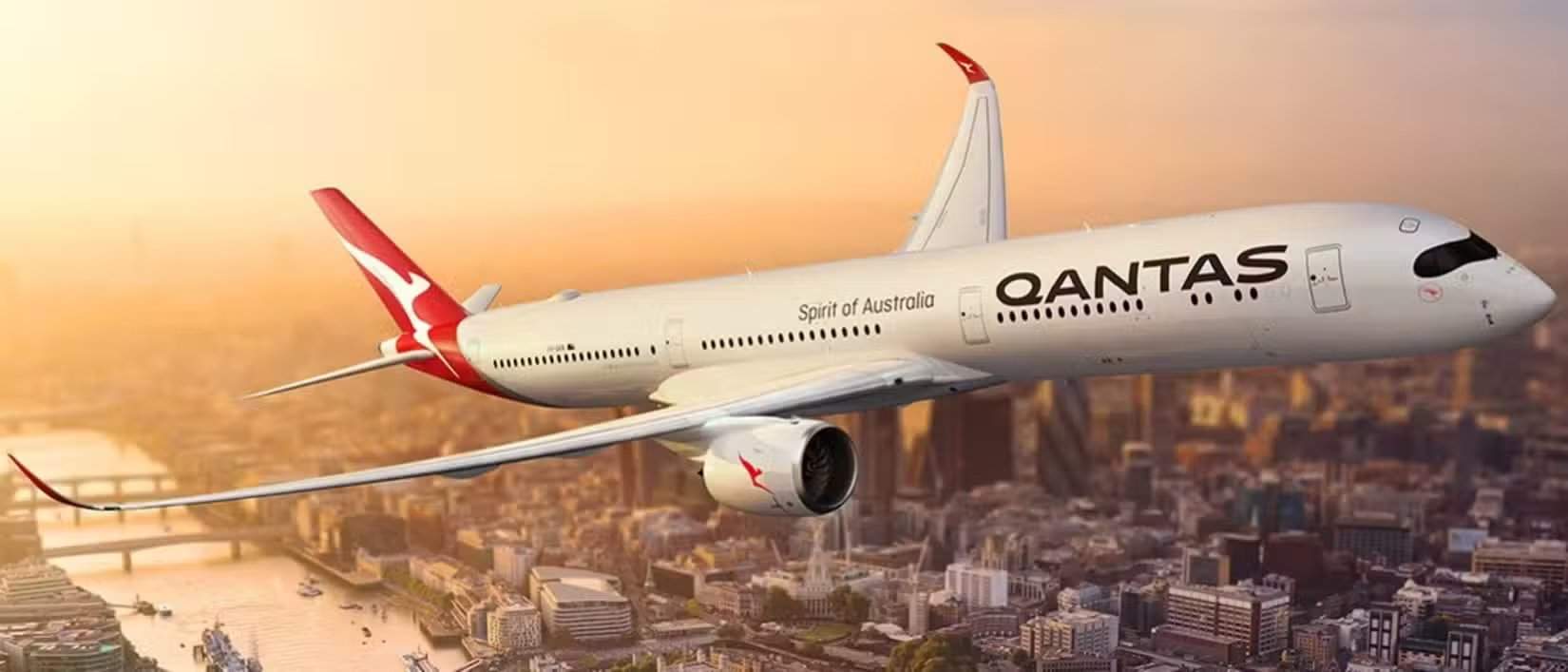
Qantas's decision to include an economy class on the A350-1000ULR differs from Singapore Airlines' A350-900ULR, which has no economy class. Qantas targets a larger leisure and visiting-friends-and-relatives market, and its economy class configuration offers greater legroom and features an onboard wellness zone. Qantas's positioning for this aircraft is to achieve better commercial returns on ultra-long-haul routes through its larger size and payload capability.