China's Cast Aluminum Alloy Price Spread Narrows by 1,400 Yuan/Ton, Tight Supply Supports Prices
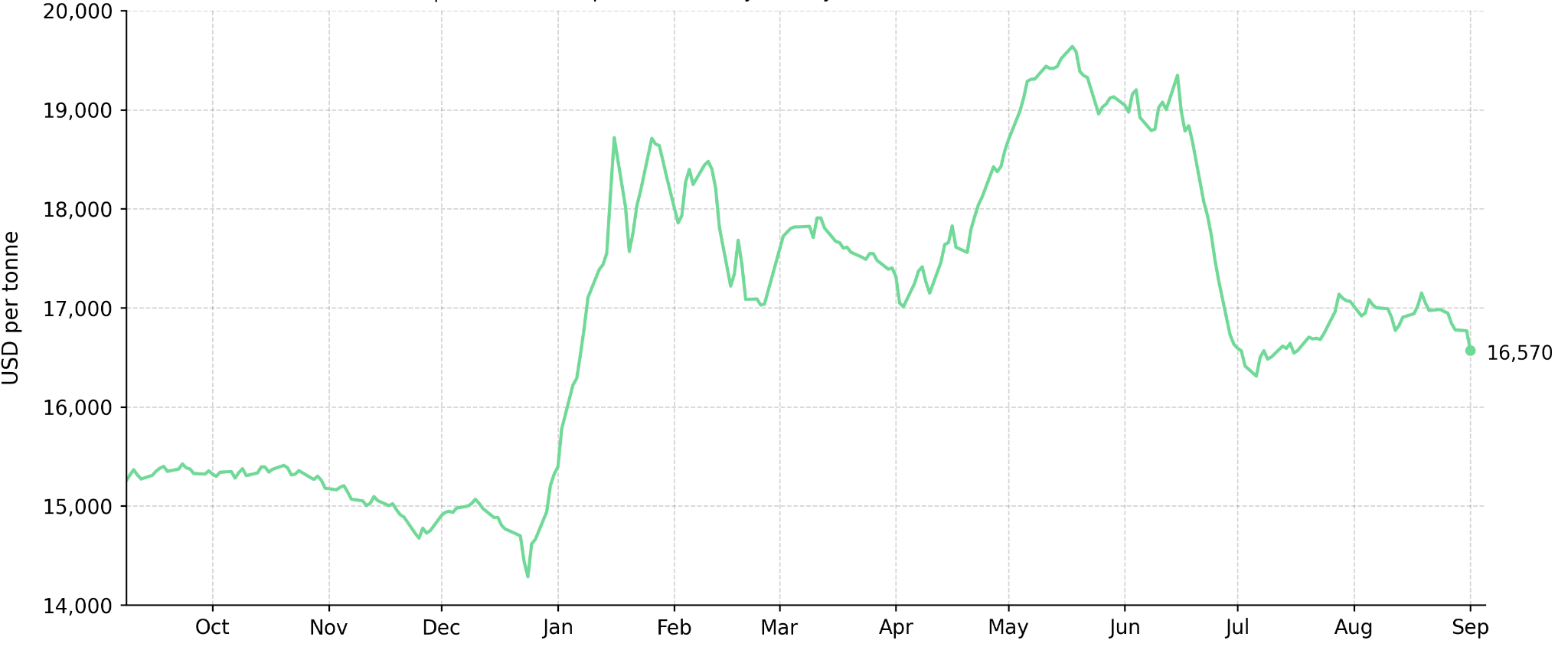
en.Wedoany.com Reported - Since June, influenced by the easing of the US-Israel-Iran conflict and expectations of supply recovery, aluminum prices have continued to weaken, dragging down cast aluminum alloy prices. As the price center shifts lower, cast aluminum alloys have shown stronger resilience, and the spread between China's Shanghai aluminum futures and cast aluminum alloy futures has been narrowing. As of early July, the spreads between Shanghai aluminum futures and the front-month and second-month contracts of cast aluminum alloy futures have both approached zero, narrowing by approximately 1,400 yuan/ton compared to early June.
The decline in cast aluminum alloy futures prices has been smaller than that of Shanghai aluminum futures, mainly due to tight supply of cast aluminum alloys, while the supply outlook for primary aluminum tends to be looser. On one hand, the supply of raw materials for China's cast aluminum alloys has tightened marginally. Scrap supply is sensitive to primary metal prices—rising aluminum prices incentivize scrap aluminum recycling, while sustained price declines suppress recycling volumes. Meanwhile, since June, stricter enforcement of the "reverse invoicing" policy and tighter tax rebate policies have led to production cuts or suspensions at many small and medium-sized scrap-using enterprises, with operating rates remaining low. The crackdown on "invoicing economy" across regions has significantly reduced invoicing quotas for upstream and downstream enterprises in the aluminum supply chain, further decreasing the supply of compliant invoiced goods. Scrap prices have remained firm, and the primary-secondary price spread has continued to shrink.
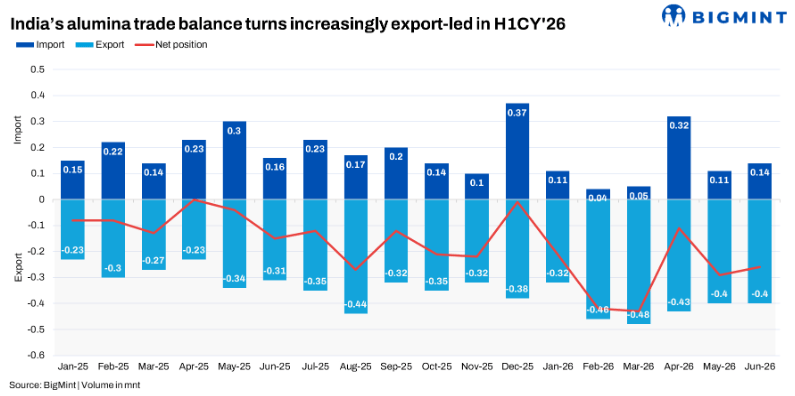
On the other hand, the supply of imported recycled aluminum raw materials is also declining. China's imports of recycled aluminum raw materials are typically priced based on the London Metal Exchange (LME) aluminum price. Since the outbreak of the US-Israel-Iran conflict, LME aluminum prices have continued to strengthen relative to Chinese aluminum prices, leading to widening import losses for China's primary aluminum. Prolonged and substantial losses have dampened the willingness to import recycled aluminum raw materials. Data from the General Administration of Customs shows that China imported 526,000 tons of recycled aluminum raw materials from January to March this year, a year-on-year increase of 3.9%; imports turned negative in April and May, at 171,000 tons and 152,000 tons respectively, down 10.4% and 4.8% year-on-year. Although China's primary aluminum import losses have narrowed significantly, they remain at elevated levels, insufficient to incentivize imports of recycled aluminum raw materials. Additionally, overseas supply of recycled aluminum raw materials has been tightening this year: the UAE implemented a four-month temporary export ban on solid waste and metals starting June 3; the EU plans to impose a 15% tariff on scrap aluminum exports from the end of the third quarter to enhance the utilization of recycled aluminum raw materials. Europe is the world's most important exporter of recycled aluminum, and if the EU implements export tariffs, it could further exacerbate supply tightness of recycled aluminum raw materials.
From the consumption side, approximately 70% of cast aluminum alloys are used in the transportation sector. Recently, China's automobile production and sales have marginally improved, motorcycle production and exports have maintained relatively strong performance, and with the official implementation of the EU's carbon border adjustment mechanism, the low-carbon attributes of recycled cast aluminum alloys provide strong support for their consumption. In contrast, for electrolytic aluminum, China's real estate data remains weak, photovoltaic modules and new installations have seen significant declines, and negative factors exist on the consumption side. China's demand improvement mainly relies on exports and downstream restocking and substitution effects triggered by falling aluminum prices.
Currently, the near-month contracts of cast aluminum alloy futures have shifted from a contango structure to a backwardation structure, while Shanghai aluminum futures still maintain a contango structure, indicating tighter near-term supply and demand for cast aluminum alloys. Against this backdrop, cast aluminum alloy prices are expected to continue outperforming electrolytic aluminum. Overall, the decline in aluminum prices, policy tightening, and previous domestic and international dynamics have collectively reduced the supply of cast aluminum alloys, while demand-side resilience provides strong support for their prices. Cast aluminum alloy futures prices still have support. Meanwhile, with aluminum ingot inventories still relatively high and near-term supply not significantly tightened, cast aluminum alloy prices are expected to maintain a relatively stronger position compared to aluminum prices. Going forward, attention should be paid to changes in aluminum inventories and supply; only if aluminum ingot inventories further decline or supply disruptions intensify could the spread reverse.
Related Products
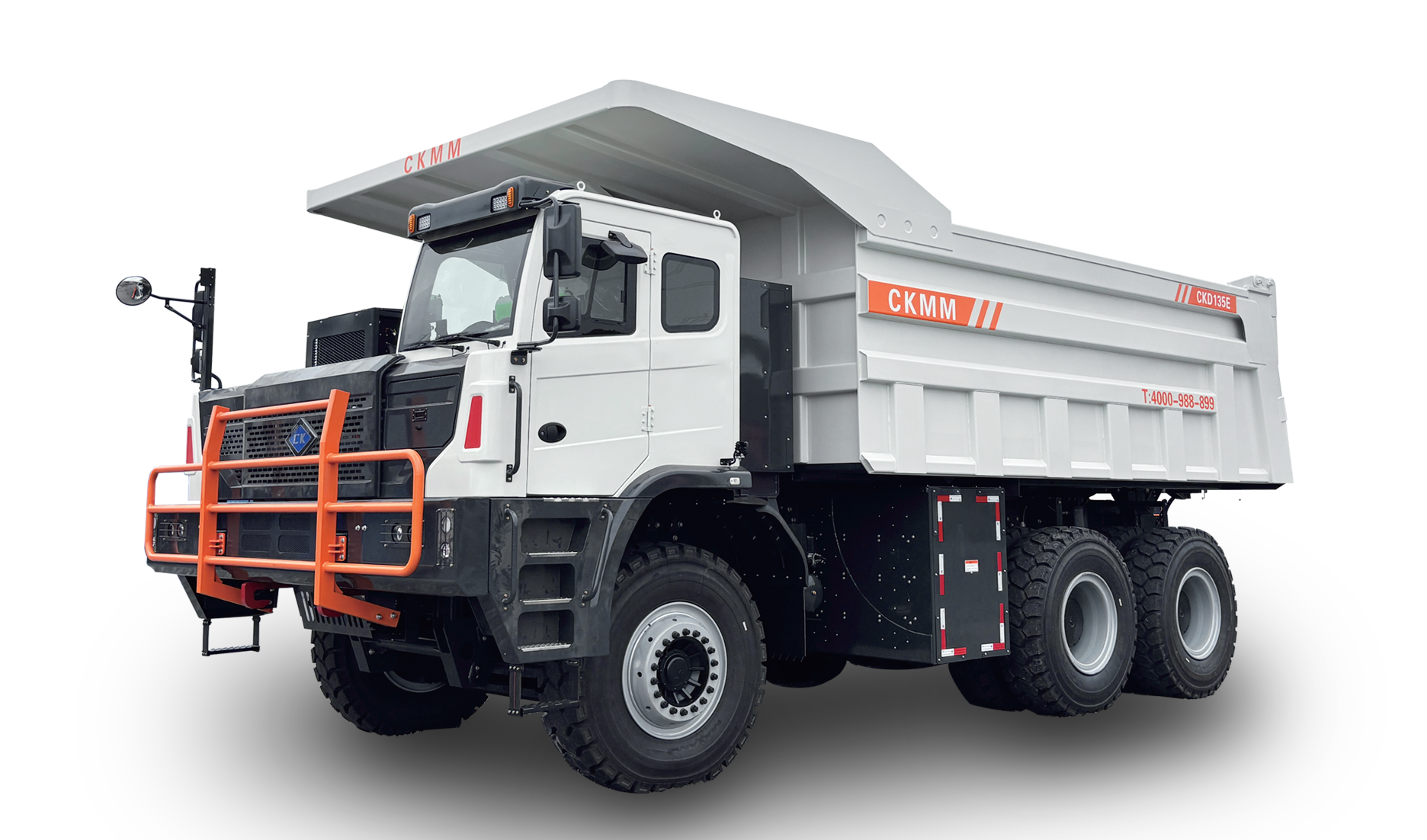

CKD135E Pure Electric Wide-body Dump Truck
Jiangsu Changkuang Engineering Machinery Co. Ltd.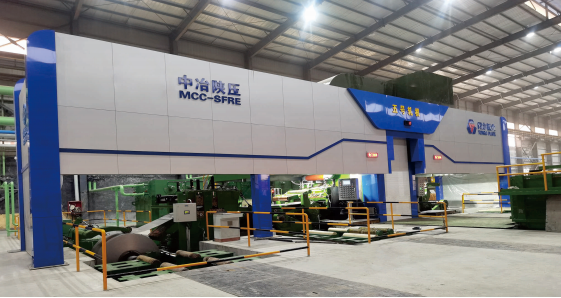
1050-1750mm Steel Strip Single-stand Reversible Cold Rolling Production Line
MCC-SFRE HEAVY INDUSTRY EQUIPMENT CO., LTD.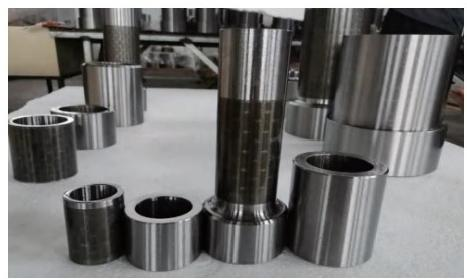
High-temperature Equal Wall Thickness High-power Screw Drilling Tool
Orient Energy & Technologies Co., Ltd.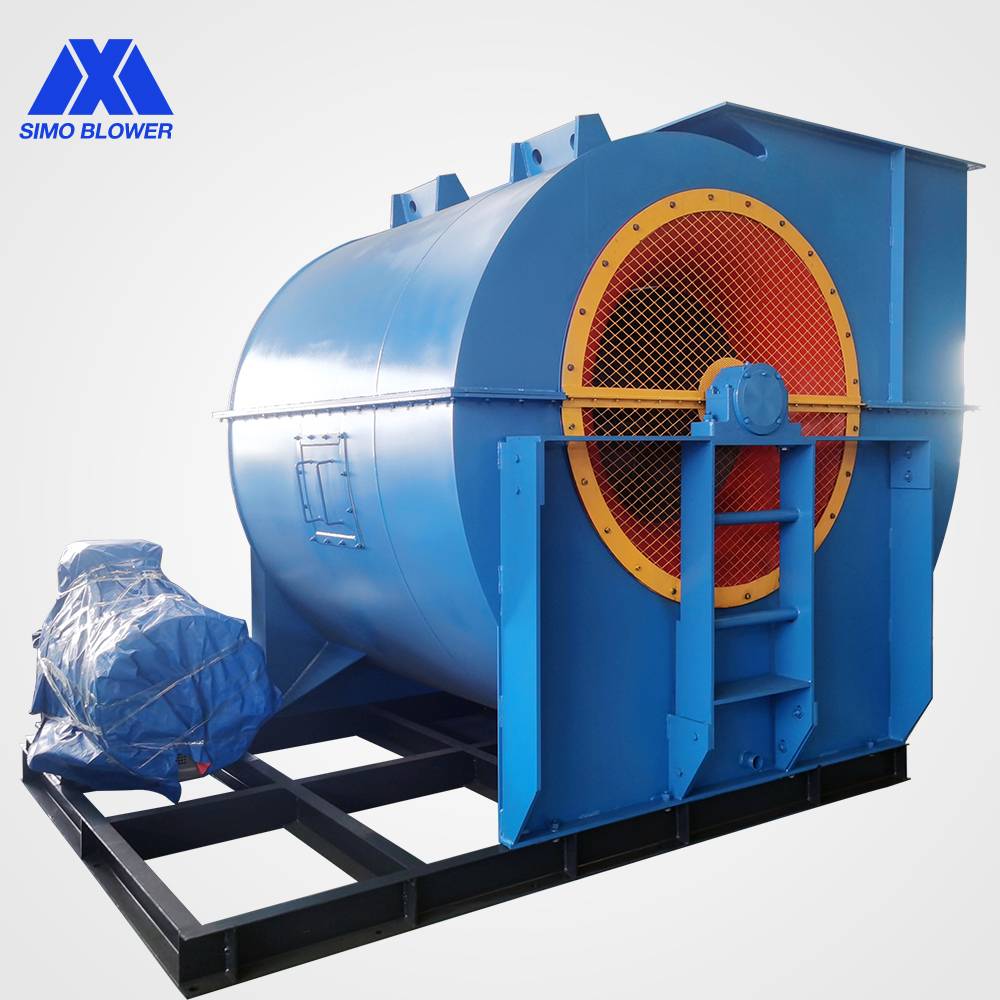
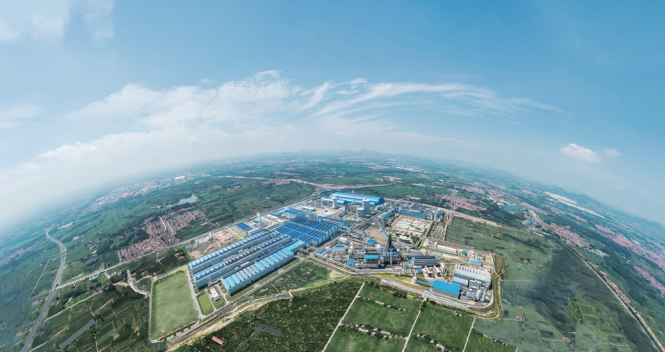
Linyi Steel Investment Special Steel 2.7 Million Tons per Year High-quality Special Steel Project
Capital Engineering & Research Incorporation Limited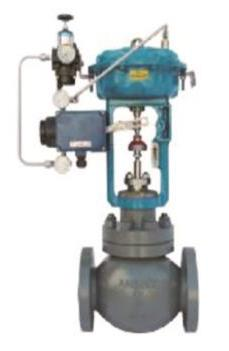
Quick-Change Single-Seat Control Valve / Quick-Change High-Pressure Single-Seat Control Valve
Beijing Consen Automation Technology Co., Ltd.
Hydraulic Plate and Frame Filter Press
Guangdong Leimeng Intelligent Equipment Group Co., Ltd.