China's MoleculeMind Unveils AI Biological Operating System MoleculeOS
en.Wedoany.com Reported - Xu Jinbo, founder of MoleculeMind, officially opened its self-developed AI-native bioeconomy operating system MoleculeOS (MOS) to the industry at the 2026 Shanghai Guotou Frontier Forum. The system is positioned as an AI operating system for biological research and development, aiming to transform the role of artificial intelligence from a single-function "predictor" to an "organizer" of the R&D process. The traditional "screening and trial-and-error" model of molecular discovery is shifting towards a more deterministic "molecular creation" model, and the infrastructure for biological R&D is being redefined.
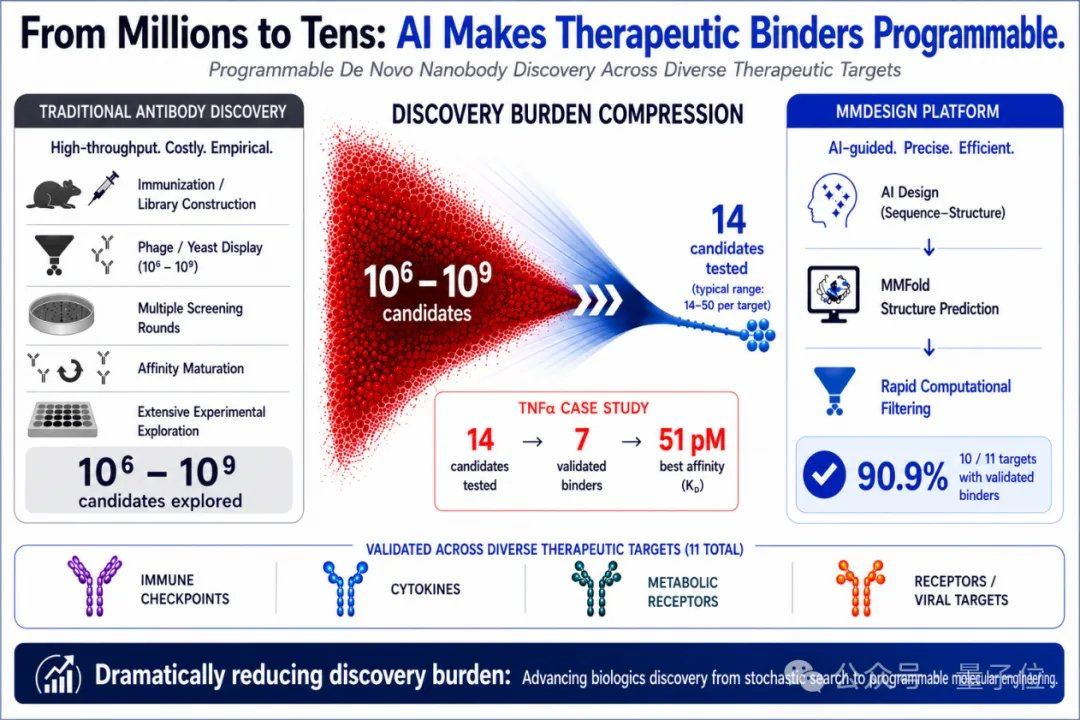
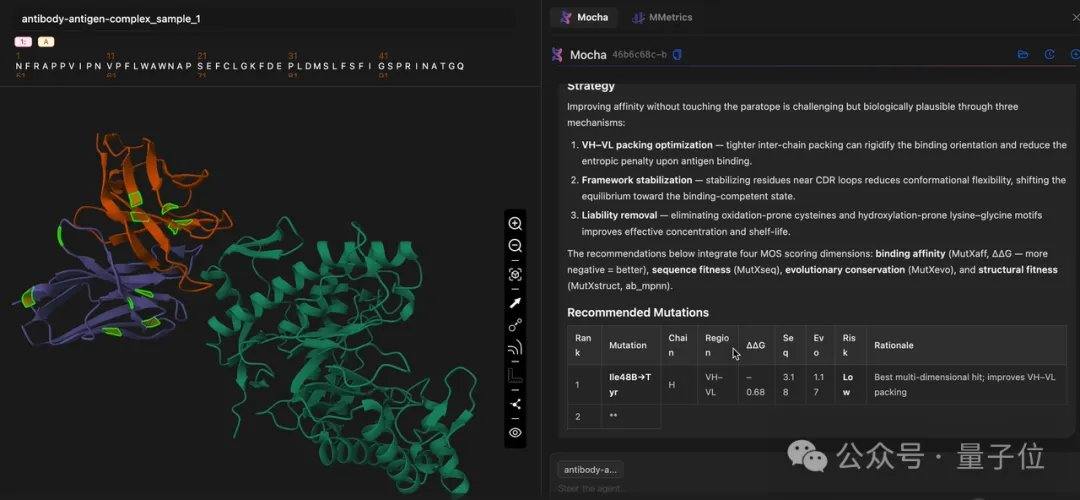
MoleculeOS takes project objectives as its entry point, autonomously understanding the user's biological intent, automatically decomposing tasks and scheduling its internal model cluster to perform tasks such as structure prediction and molecular design, ultimately providing decision-making recommendations and accumulating traceable R&D pathways. Its underlying capabilities come from MoleculeMind's self-developed model system, including the multimodal protein foundation model NewOrigin (Darwin), the all-atom macromolecular complex structure prediction model MMFold, and the generative design model MMDesign for nanobodies, enzymes, and functional proteins.
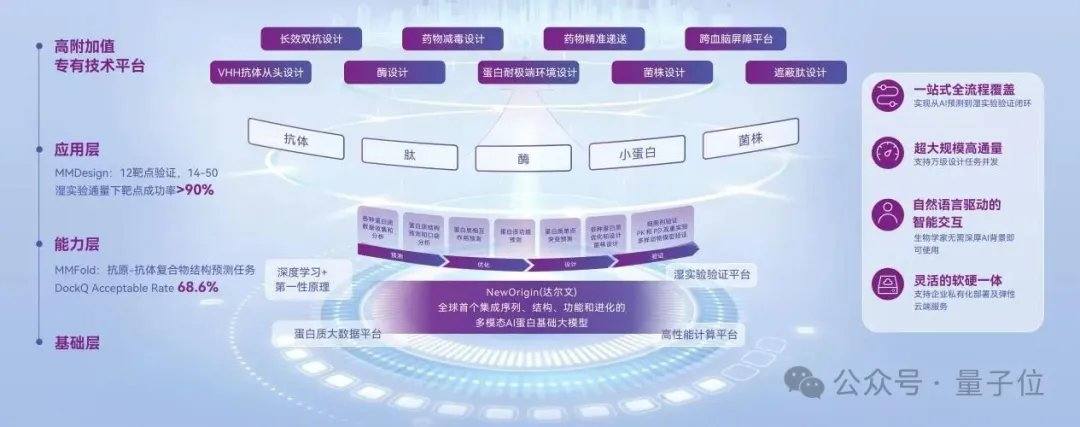
In terms of technical metrics, the MMFold model achieved a 68.6% prediction success rate for 172 antibody-antigen interfaces in the FoldBench benchmark test. Its antibody de novo design platform, tested on 12 targets with no more than 50 candidate molecules per target, achieved a target success rate exceeding 90%. Within MoleculeOS, these models are not isolated tools but are uniformly organized to achieve comprehensive analysis oriented towards the final R&D goal.
In traditional R&D workflows, macromolecular design tasks involve multiple stages such as target analysis, sequence modeling, and structure prediction, which are scattered across different tools and teams and rely on manual coordination. By using "R&D intent" as the system entry point, MoleculeOS allows researchers to directly propose goals such as improving antibody affinity, and the system automatically schedules models around the goal to complete systematic tasks. In an immune checkpoint antibody optimization project, work that traditionally took weeks was compressed to a few hours. Each complete chain from R&D intent to conclusion is automatically accumulated by the system as structured R&D assets for use in subsequent projects.
Xu Jinbo is one of the early researchers in the field of protein structure prediction. His 2016 RaptorX-Contact method was the first to demonstrate the role of deep learning in improving the accuracy of protein structure prediction. He believes that the core of AI biotechnology competition has shifted from single-model capabilities to system-level R&D infrastructure, with the key being "more accurately generating molecules worthy of experimental validation."
Before its official release, MoleculeOS had already served as MoleculeMind's internal engineering foundation, supporting multiple innovative drug and biomanufacturing projects. MoleculeMind plans to continue opening up more model capabilities and intelligent R&D modules in the future, promoting the large-scale application of this operating system in fields such as innovative drugs, biomanufacturing, and synthetic biology.
Related Products

Conveyor Belt Intelligent Monitoring System
LUO YANG WIRE ROPE INSPECTION TECHNOLOGY CO., LTD.
Industrial and Commercial Point-Type Gas Detector
Jinan Benan Technology Development Co., Ltd.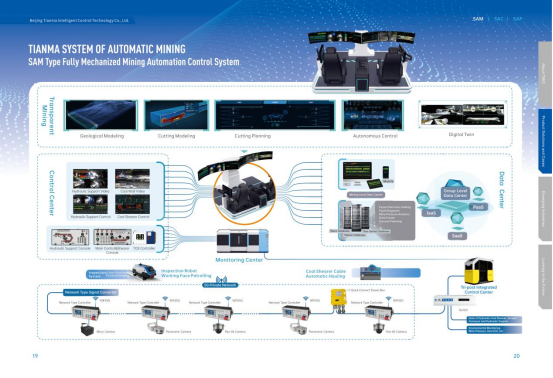
Comprehensive Mining Automation Control System
Beijing Tianma Intelligent Control Technology Co., Ltd.
Automatic Aiming Laser Remote Obstacle Removal Robot
Pinggao Group Weihai High-Voltage Apparatus Co., Ltd.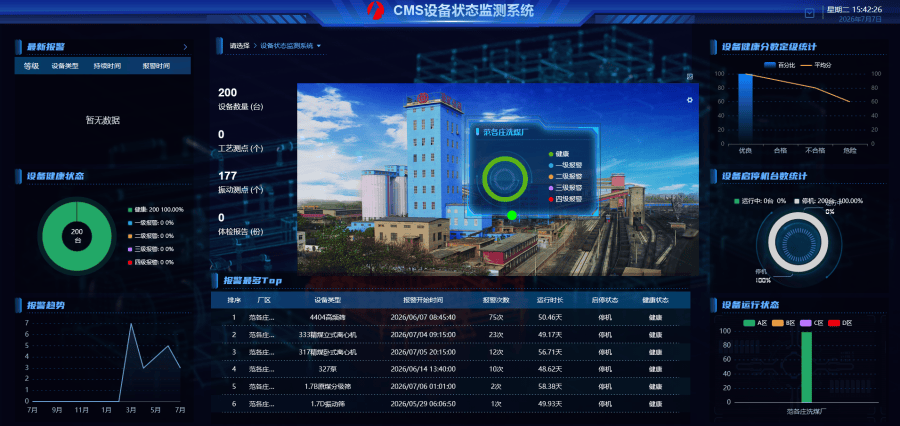

MUX Series Communication Interface Device for Security and Stability Control System
Nanjing NR Electric Co., Ltd.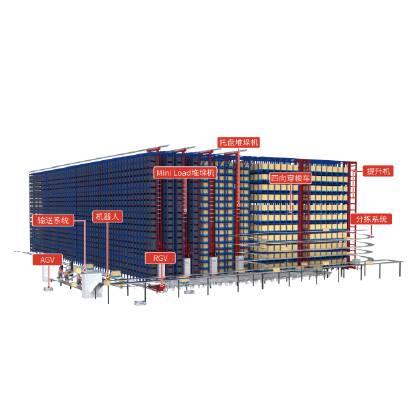



Multi-function Marine Monitoring Low-altitude Detection Radar Sea-air Boundary Ocean Dynamic Environment Measurement
Chengdu Dixin Technology Co., Ltd.