In early July, the Russian ferrous rolled metal price index rose by 25.87 points.
en.Wedoany.com Reported - According to data released on July 10, 2026, by the Russian metal market industry analysis journal Metal Bulletin, from July 2 to 9, 2026, the comprehensive price index for ferrous rolled metal in Russia's Central Federal District rose by 25.87 points, an increase of 2.95%. This marks the third consecutive statistical period of upward movement for the index, following previous increases of 16.25 points and 11.34 points. All steel product categories included in the statistics saw price increases, with rebar leading the gains at 8.5%, while I-beam posted the smallest increase at 0.13%. The last time a similar magnitude of index increase (+27.68 points) occurred was in mid-September 2023.
On the demand side, Russia's major steel enterprise Severstal forecasts that domestic steel consumption in Russia will drop to 34 million to 35 million tons for the full year of 2026, with an expected recovery to 36 million tons in 2027. In 2025, Russia's steel consumption stood at 38 million tons, while the peak in 2023 reached 46 million tons. Severstal estimates global steel demand at approximately 1.7 billion tons in 2026, rising to 1.8 billion tons in 2027, with the primary driving force coming from the Chinese market.
According to a report released by industry analysis firm Steel Radar, during the week of July 6 to 10, 2026, the Russian steel market remained generally stable, with domestic prices holding firm amid divergent demand conditions. The flat steel market continued its upward trend, with hot-rolled coil spot prices gradually rising, though the increase was significantly lower than that of long steel products. The long steel segment performed most prominently, with rebar prices in the Moscow market surging sharply in early July, with some quotes returning to levels seen in the summer of 2024. Market participants believe that increased government infrastructure spending and some unexpected infrastructure maintenance and safety-related construction projects have provided additional support for steel demand.
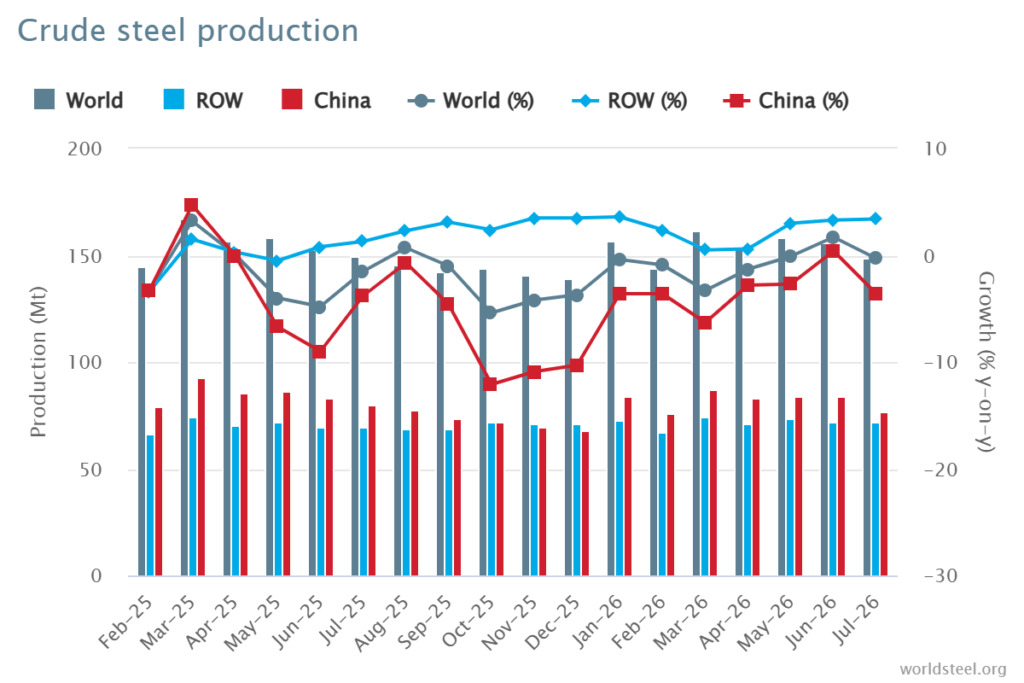
However, the medium- to long-term outlook for the industry still faces multiple pressures. Data from the Russian Steel Association Chermet shows that in the first quarter of 2026, Russia's crude steel output was 15.6 million tons, a year-on-year decline of 10.4%. Demand from core downstream sectors such as construction, machinery, oil and gas, and shipbuilding has weakened across the board, while traditional export channels to Europe and the United States remain blocked, putting significant pressure on steel exports. Industry analysts believe that the structural contradictions of Russia's wartime economy continue to intensify, compounded by high domestic interest rates raising financing costs, which simultaneously impairs steel enterprises' production expansion and operational capabilities. If domestic demand fails to see a substantial recovery and export channels remain difficult to expand, the short-term operational pressures on Russia's steel industry will persist.
Related Products

Quick-Change Single-Seat Control Valve / Quick-Change High-Pressure Single-Seat Control Valve
Beijing Consen Automation Technology Co., Ltd.

Mine Explosion-proof and Intrinsically Safe Industrial Ethernet Ring Network (10 Gigabit/Gigabit)
Chongqing Mas Sci&Tech Co., Ltd.
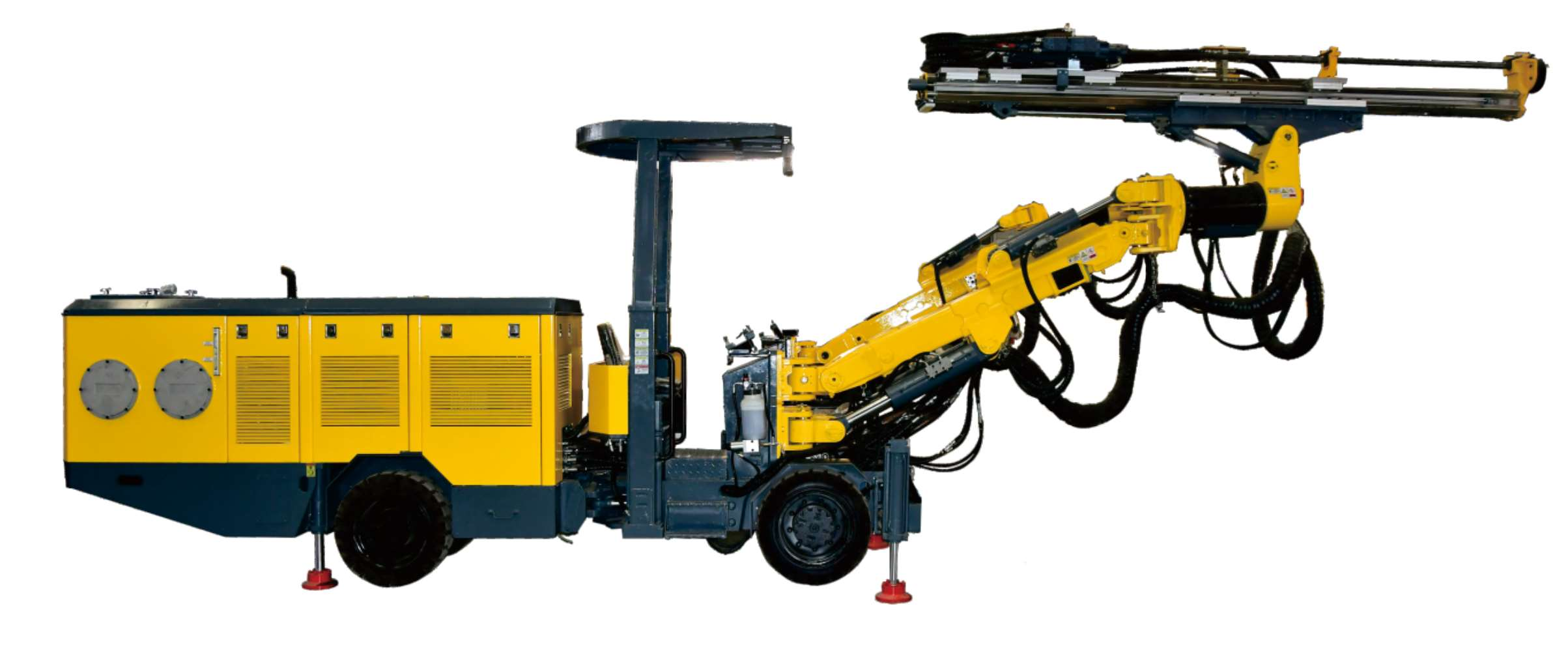
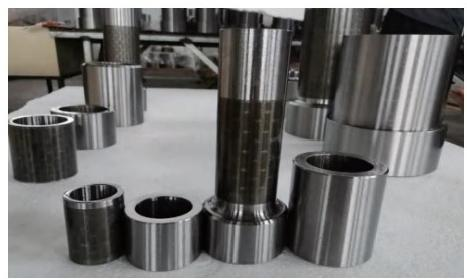
High-temperature Equal Wall Thickness High-power Screw Drilling Tool
Orient Energy & Technologies Co., Ltd.