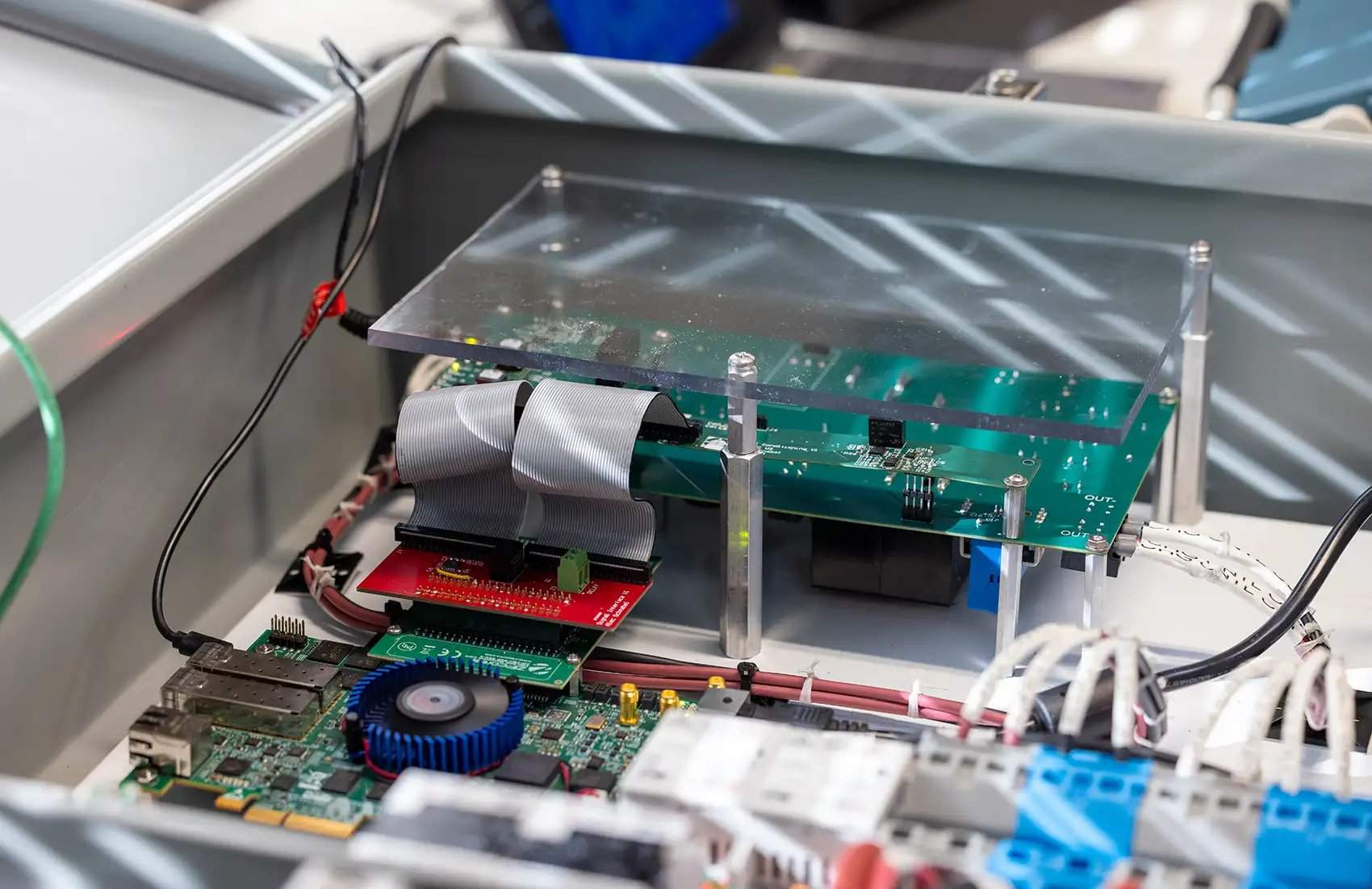
University of Michigan Deploys Two Wave Energy Prototypes on Beaver Island
en.Wedoany.com Reported - Researchers from the University of Michigan have deployed two wave energy prototype devices on Beaver Island in Lake Michigan, aiming to convert wave kinetic energy into electricity and provide a more reliable local power source for this remote island.
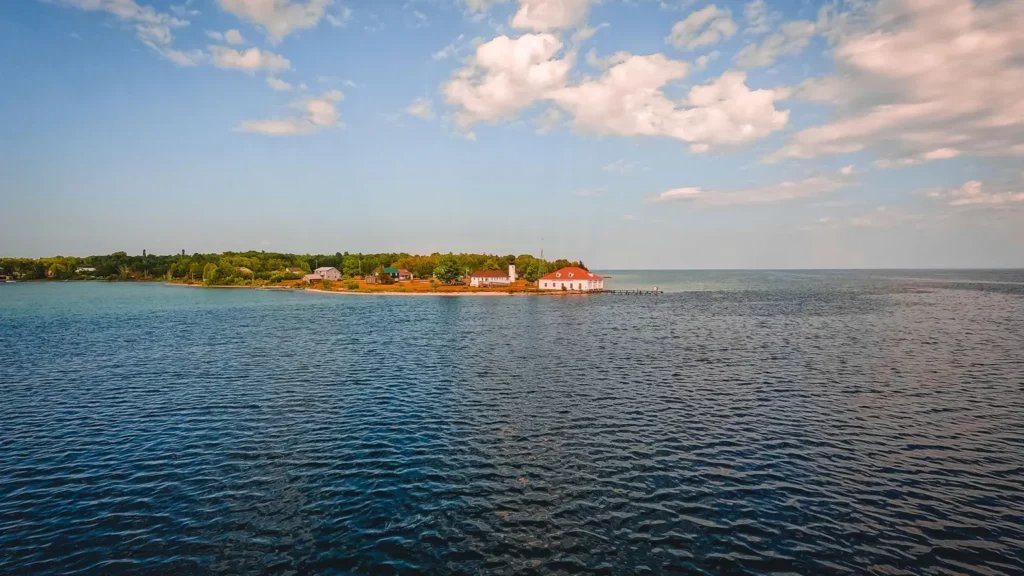
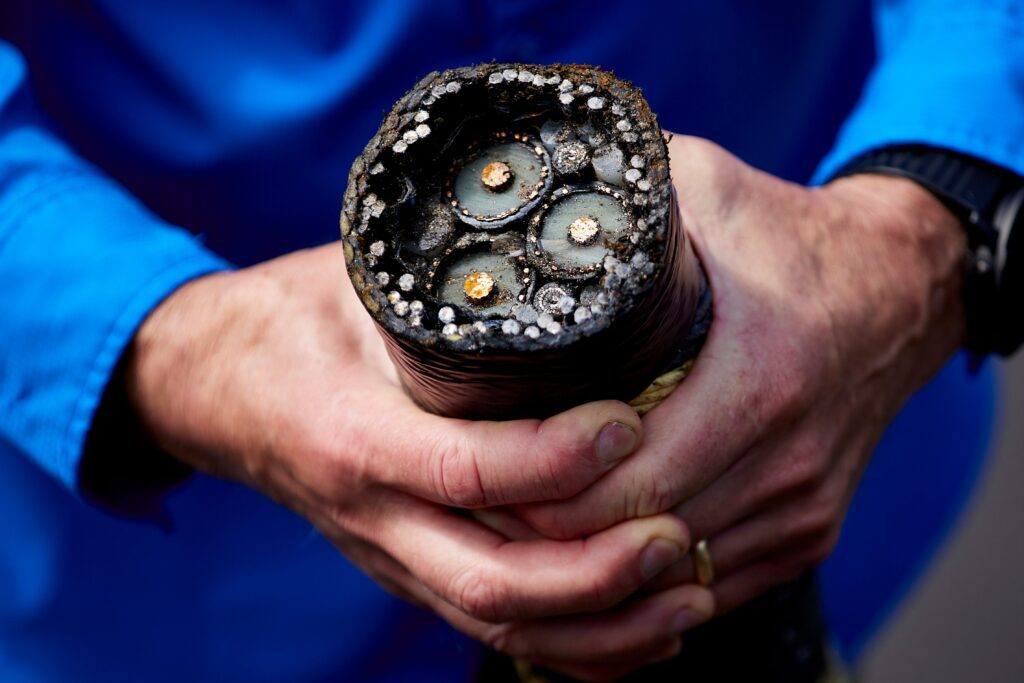
Beaver Island is located in the northernmost central part of Lake Michigan, approximately 70 miles from the Canadian maritime border. This forested island, slightly larger than San Francisco, has a permanent population of about 600 residents and is a popular summer tourist destination, accessible only by boat or plane. The island's electricity comes from the Michigan mainland, transmitted via a cable spanning about 30 miles across the lakebed. Extreme weather or cable failures often cause power outages; last year, a devastating ice storm in the state left the island without power for weeks. Consequently, some residents are hoping for more reliable local power generation, and the waves surrounding the island are seen as a resource that can be harnessed.
These prototype devices resemble small boats with frames made of PVC pipes, about the size of a yoga ball, and have demonstrated their power generation potential by lighting up light bulbs and charging mobile phones. The project is part of efforts across the United States to use alternative energy to improve power supply reliability in remote areas. Researchers spent two years gathering input from residents, who identified providing reliable power for the airport as a priority. Lei Zuo, the project's lead researcher and an engineering professor at the University of Michigan, stated that it is necessary to work with the community to jointly identify needs and design solutions.
Some residents already use solar or geothermal energy to power their homes and businesses, and the island previously received federal funding to improve access to renewable energy. However, with the Trump administration canceling grants and projects, similar plans and grid modernization initiatives face an uncertain funding outlook. Efforts to improve reliability are underway in remote communities across the country. For example, the Native Alaskan village of Galena is investing in solar and biomass energy to reduce reliance on diesel and provide temporary solutions during extreme weather. Beaver Island hopes to follow a similar model. Seamus Norgaard, who lives on the island during the summer, stated that the goal is to save costs and seek energy independence while also considering environmental factors.
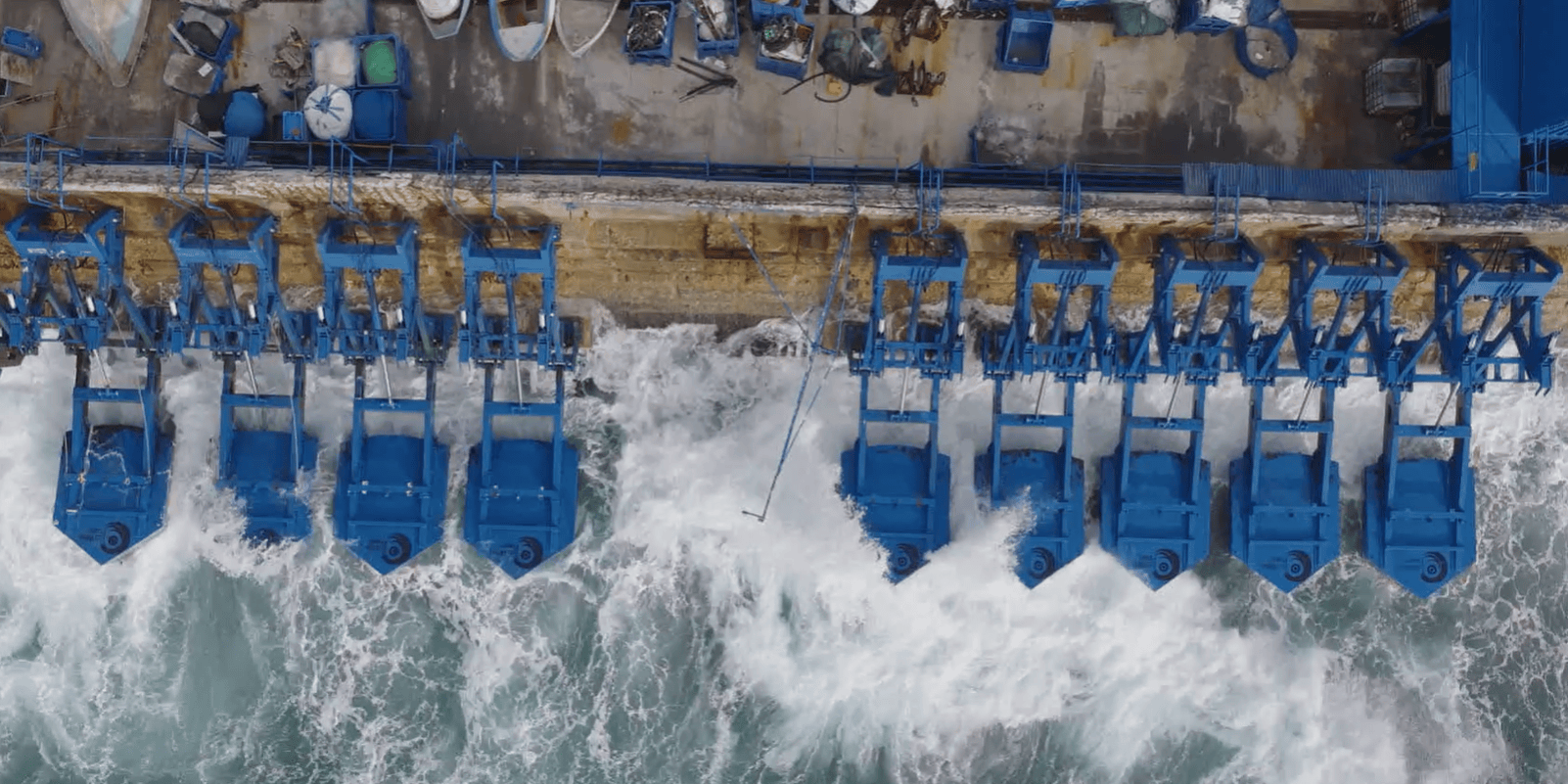
Dan Hellin, director of the PacWave offshore testing facility in Oregon, noted that wave energy may not become the sole power source for any region, but finding technology that works in a given area is crucial. This is part of the process of developing a full suite of renewable energy sources and applying them based on local conditions. The technology is not yet widely used due to high costs and deployment difficulties. Hellin said the technology is still in its early stages, with no standardized design yet. Funding is another challenge; most wave energy projects in the U.S. are federally funded, and the University of Michigan's experiment received a grant from the National Science Foundation two years ago. Hellin noted that marine energy, which falls under the category of hydropower, has not been subject to the same level of hostility from the Trump administration toward renewable energy. In the early days of his second term, President Donald Trump listed hydropower as one of the domestic energy sources prioritized for regulatory fast-tracking and support. The renamed Hydropower and Hydrodynamic Office of the Department of Energy stated that it will use the $220 million appropriated by Congress to continue such research.
The University of Michigan's wave project, along with efforts elsewhere in the U.S., is advancing the commercialization of wave energy technology. The team also has a similar project progressing in the Outer Banks of North Carolina. In addition to PacWave's work in Oregon, a company called CalWave has tested equipment off the coast of California, and Hawaii has operated a test site for over a decade. Saeid Bayat of the University of Michigan said that although the waves in the Great Lakes are smaller and more seasonal than ocean waves, studying them helps improve the technology overall. The Great Lakes also provide real wave conditions and are easier, safer, and cheaper to access than most ocean locations. The team will continue to refine the prototype and plans to install the final version in the coming years. Norgaard expressed anticipation for this, noting that people are excited about this new, cleaner, and locally produced reliable energy source.
Related Products


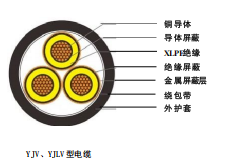
Rated Voltage 6-35kV Cross-linked Polyethylene Insulated Power Cable
TONGDING INTERCONNECTION INFORMATION CO., LTD.

220kV Composite Outdoor Cable Terminal
Shenyang Guolian Cable Accessories Manufacture Co., Ltd.

Double-slide Triple-sealed Hot Air Isolation Door
Xi'an Yingchuan Electric Power Equipment Co., Ltd.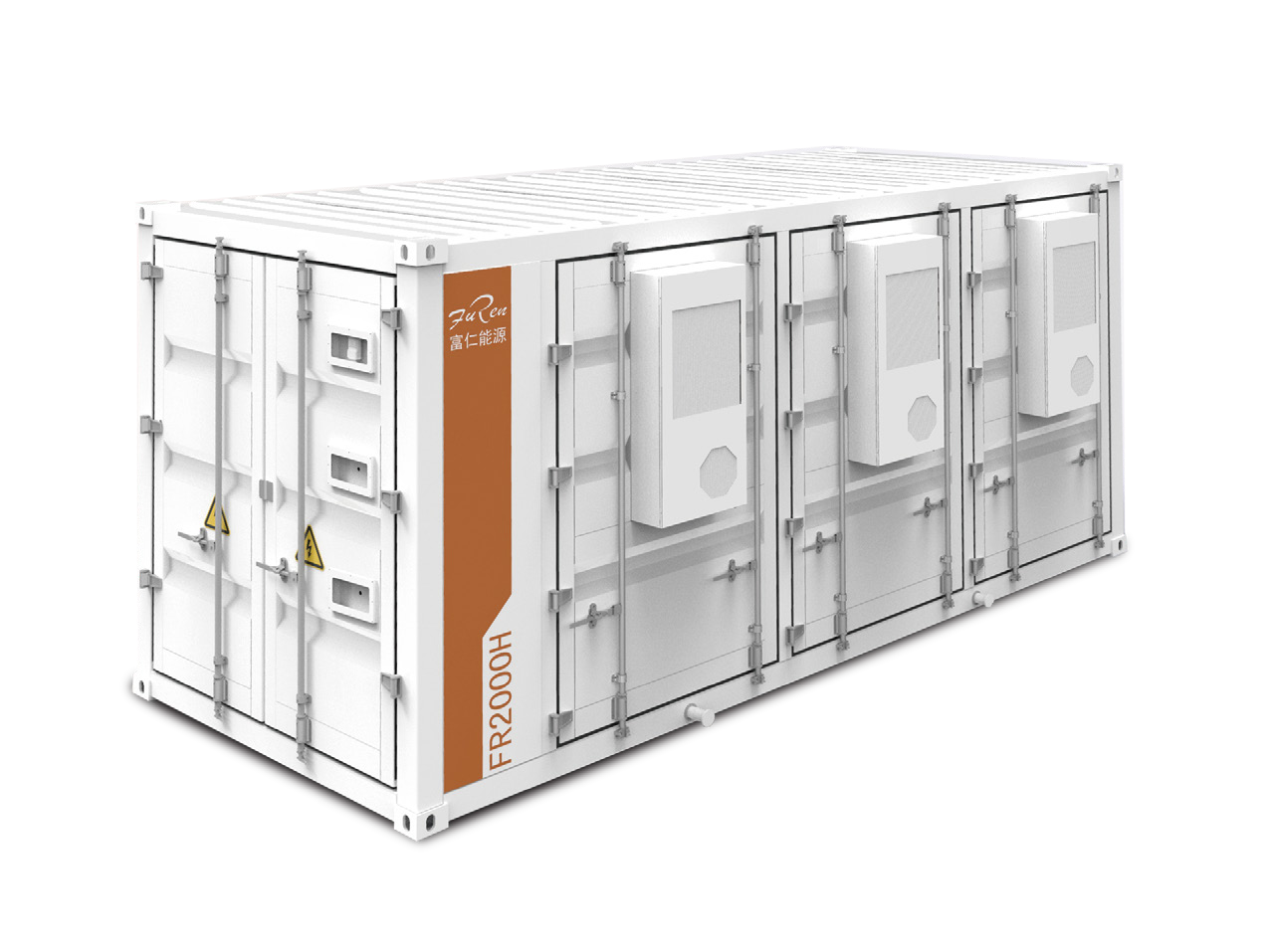
FR2000H 2.15MWh (Air-cooled) 20-foot Containerized Energy Storage System
Jiangyin Furen High-tech Co., Ltd.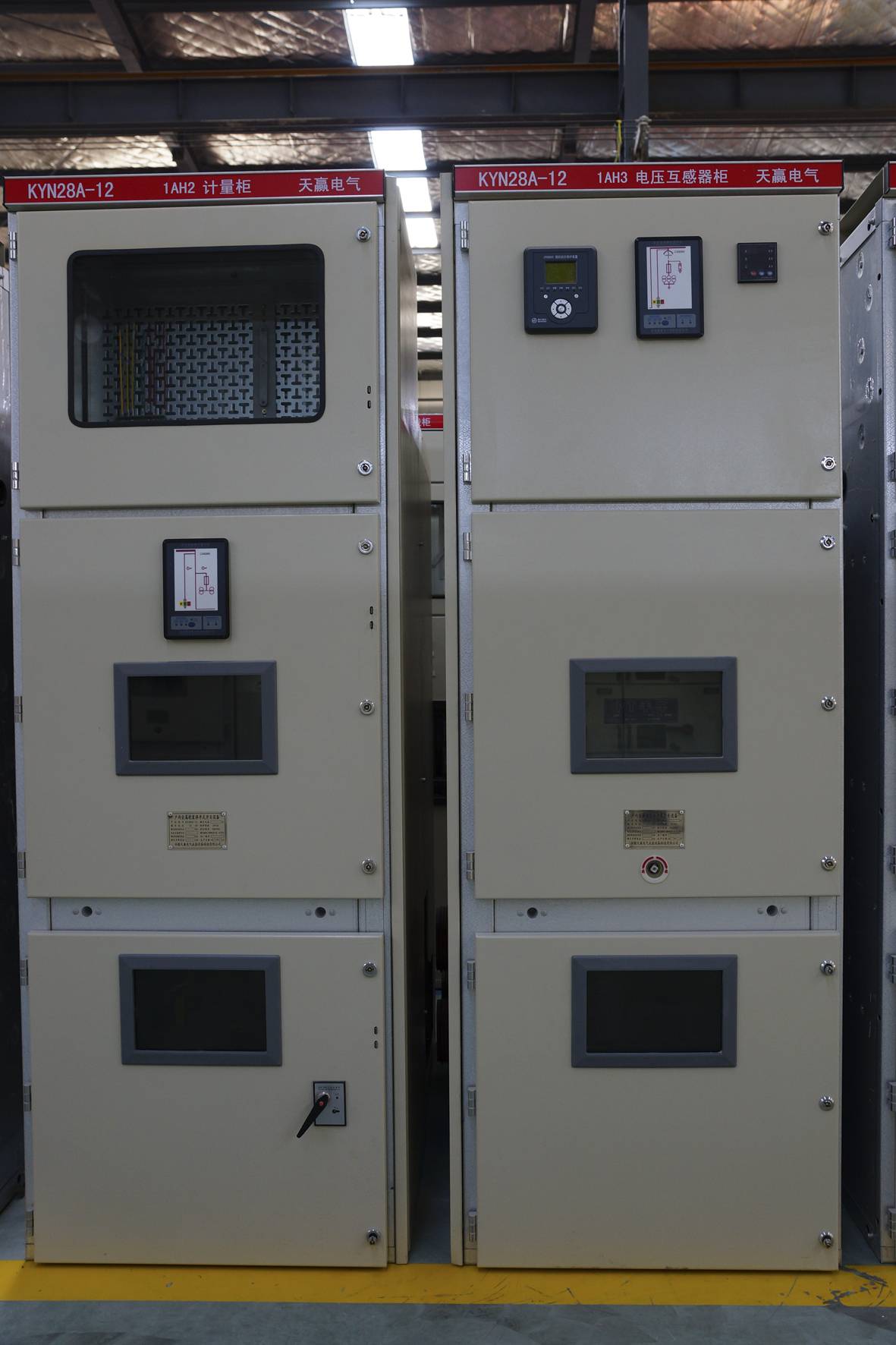
KYN28 - High Voltage Switchgear
Anhui Tianying Electrical Equipment Manufacturing Co., Ltd.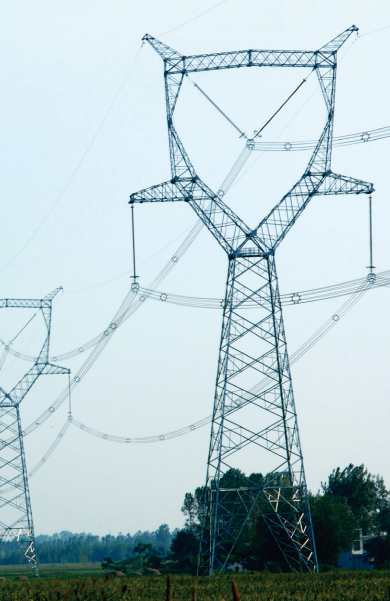
1000kV Jin Southeast-Nanyang-Jingmen UHV AC Transmission and Transformation Pilot Demonstration Project
Anhui Hongyuan Steel Tower Co., Ltd.