Hanford Ships Treated Nuclear Waste
Wedoany.com Report-May 10, The U.S. Department of Energy (DOE) has completed two shipments of 2,000 gallons of treated, low-activity tank waste from the Hanford site in Washington state for solidification in grout and permanent disposal. The waste was sent to Waste Control Specialists in Andrews County, Texas, and EnergySolutions in Clive, Utah, as part of the second phase of the Test Bed Initiative (TBI) demonstration project.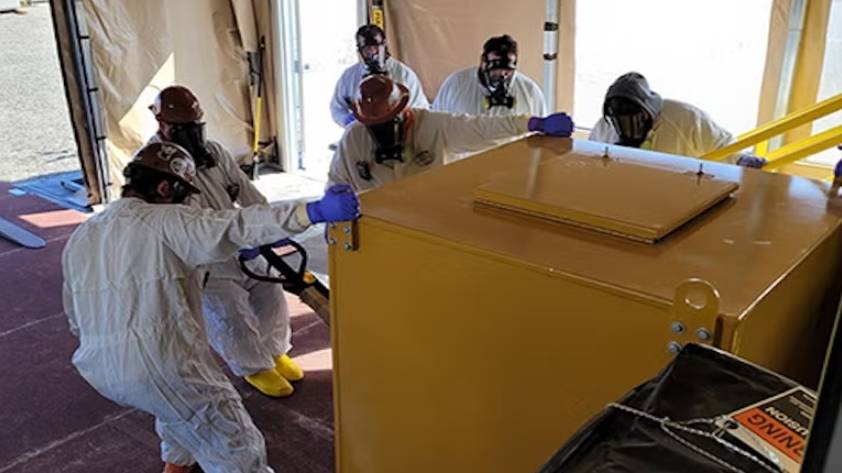
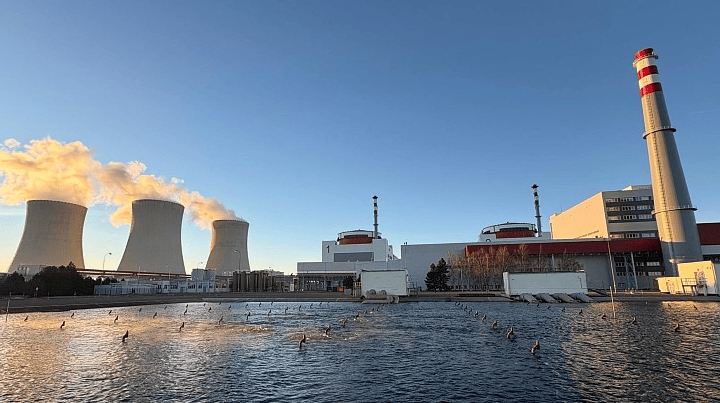
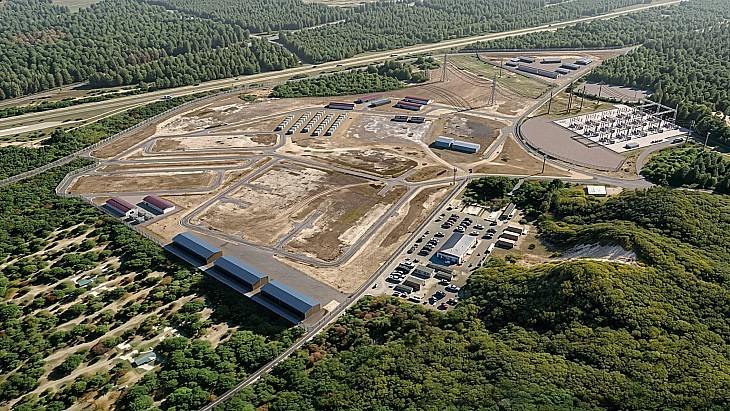
The Hanford site, a former nuclear weapons and research facility, houses 177 underground waste storage tanks containing 56 million gallons of waste, including 149 single-shell and 28 double-shell tanks. Some tanks reportedly have leaks, necessitating efficient cleanup strategies. The TBI aims to demonstrate that grouting, rather than vitrifying, less radioactive waste can save costs and accelerate cleanup efforts.
Brian Harkins, acting Hanford Deputy Manager, stated: “The Test Bed Initiative (TBI) is a demonstration to evaluate a safe, effective and efficient option for accelerating environmental cleanup of the Hanford site. This successfully executed demonstration will provide valuable information options moving forward.”
The 2,000 gallons of waste from Tank SY-101 were treated using an in-tank filtration system, removing 99.99% of radioactive cesium and other radionuclides. The treated liquid waste was transported in double-walled, Department of Transportation-compliant steel containers, each holding 330 gallons and designed to withstand a 30-foot drop. The shipments, managed by Hanford Tank Waste Operations and Closure, demonstrated safe cross-state transport.
Harkins added: “Implementation of this technology on an industrial scale has the potential to safely treat low-activity waste from Hanford tanks, solidify the waste in grout, and dispose of it offsite in a manner that would reduce risks to workers, the public and the environment consistent with industry standards.”
In October 2024, a pretreatment system, deployed by former contractor Washington River Protection Solutions, separated highly radioactive solids and cesium-137 from the waste using filtration and ion exchange. This produced waste with lower-than-expected radioactivity, according to DOE program manager Katie Wong. Half of the treated waste was shipped to Texas and half to Utah for grouting and regulated disposal.
The project builds on a 2017 TBI phase that treated and grouted three gallons of waste with Permafix. The DOE’s Integrated Disposal Facility at Hanford is designed for vitrified waste, but grouting is permitted offsite due to environmental considerations, supported by the Washington State Department of Ecology. The Texas and Utah facilities are geographically suited for safe waste disposal, enhancing environmental protection.
Related Products

Inductive Power Harvesting Self-Powered Device - Safuneng
SELF ENERGY TECHNOLOGY (SHENZHEN) CO., LTD.

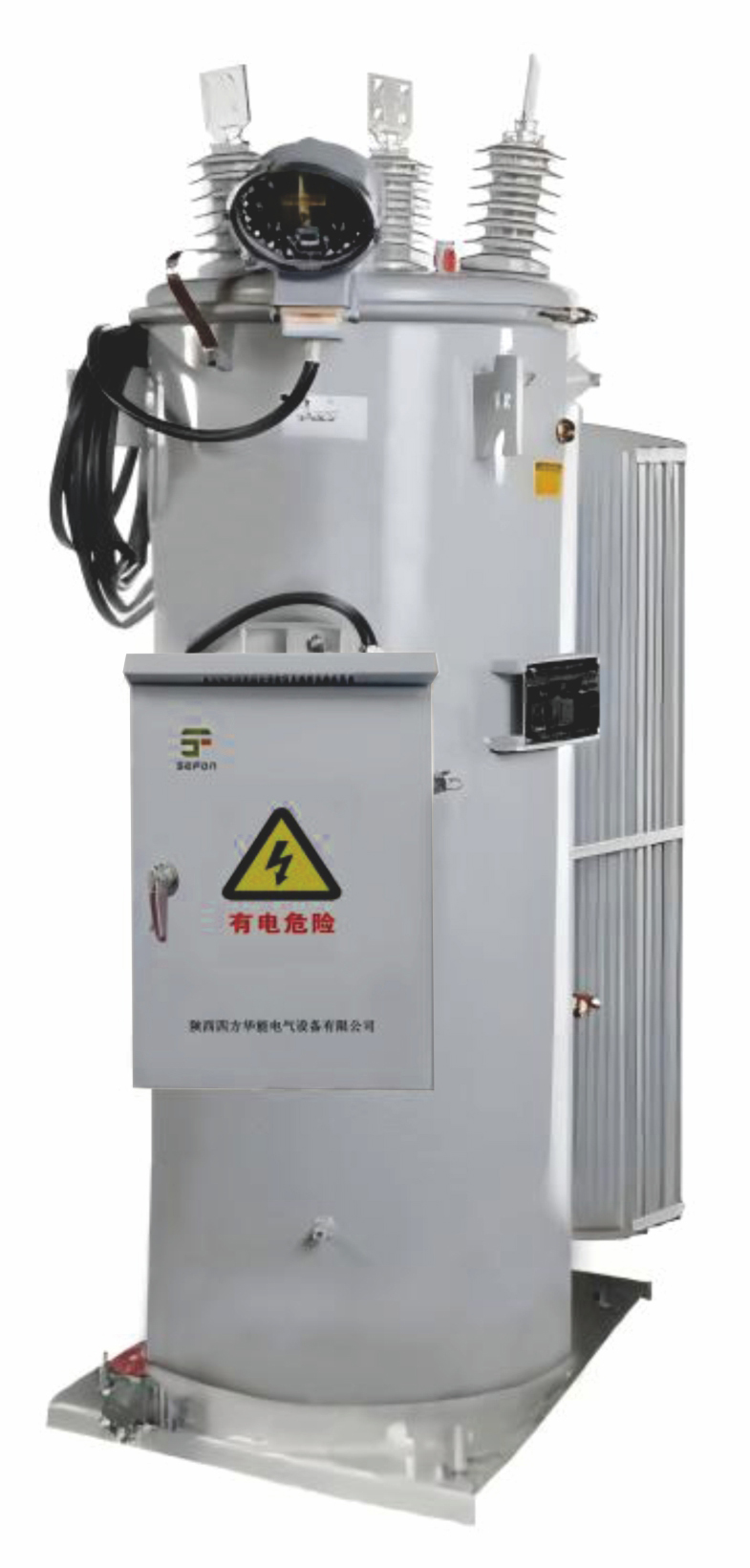
Single-Phase Automatic Voltage Regulator(AVR)
Shaanxi Sefon Electrical Equipment Co.,Ltd.

"Shunyi 1600" Deep-submerging Bottom-sitting Multi-functional Wind Power Engineering Vessel
Zhengli Offshore Engineering Co., Ltd.