China Maritime Day: New Energy and Clean Energy Vessels Exceed 1,300
en.Wedoany.com Reported - On July 11, the 22nd China Maritime Day was held simultaneously across multiple locations nationwide. This year's theme, "Digital Intelligence Empowers, Navigating the Future," focuses on the intersection of high-quality development in the shipping industry during the "15th Five-Year Plan" period and the global shipping industry's digitalization and green low-carbon transformation. From Beijing to Yangzhou, ships were dressed overall and sounded their horns collectively, with a series of Maritime Day activities unfolding across the country.
On July 10, the first professional seminar of the 2026 China Maritime Day Forum—the "Innovative Technology Seminar on Ship Intelligent Communication, Navigation, and Satellite Communication"—was held in Yangzhou. Shan Hongjun, President of Dalian Maritime University, stated at the seminar that universities need to establish independent knowledge systems in key areas such as ship communication and navigation and make their voices heard on international standards platforms. Gong Yongjun, Deputy Director of the Science and Technology Department of the Ministry of Transport, proposed focusing on breakthroughs in shipborne intelligent navigation chips, high-gain satellite antennas, maritime anti-interference communication modules, and multi-source perception fusion algorithms to ensure a spectrum of autonomous supply by 2030.
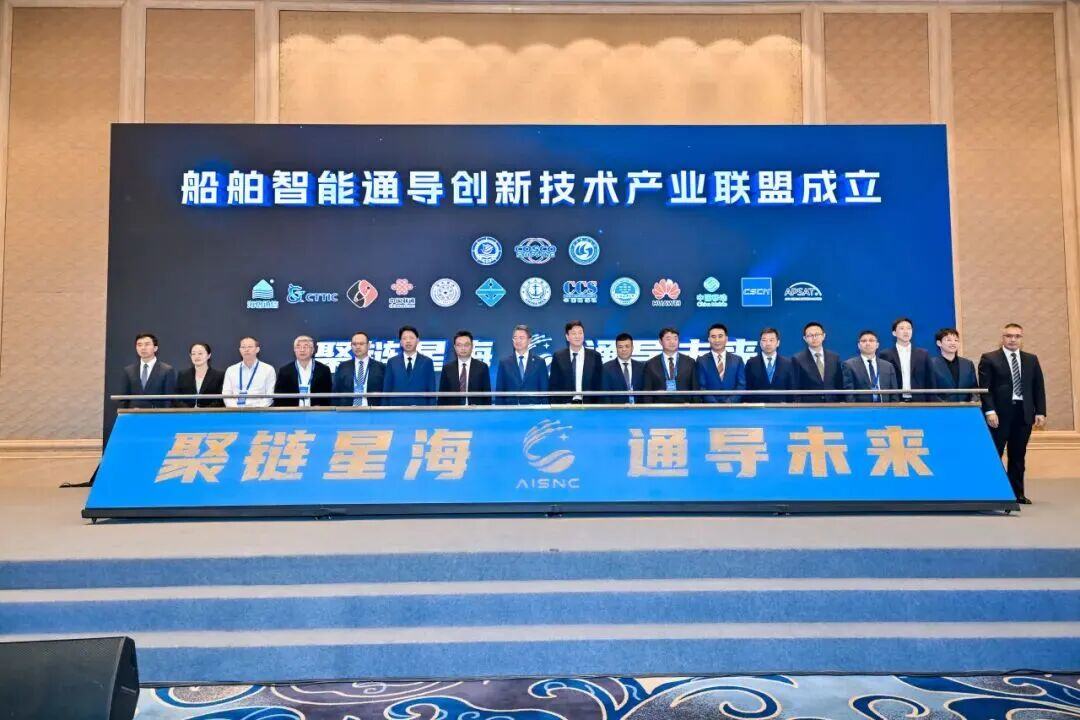
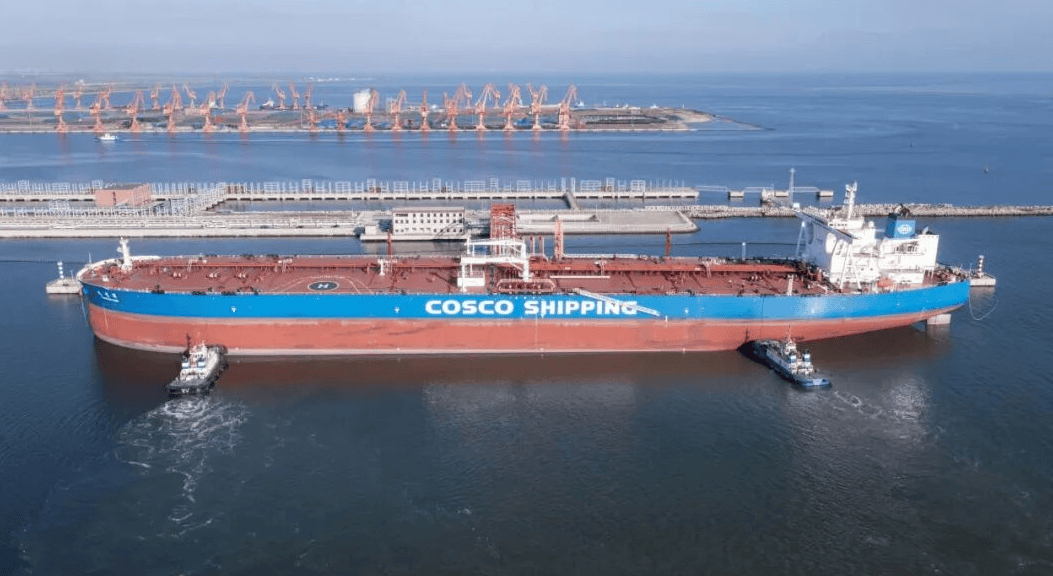
COSCO Shipping (Guangzhou) Co., Ltd. released several achievements at the seminar: the low-orbit satellite communication solution verified on the vessel "Xin Yue Shun" reduced latency to 50 milliseconds; China's first shipborne 5G private network achieved full-ship signal coverage; and the world's first celestial vision autonomous positioning system independent of satellite signals provided emergency support for navigation in high-risk sea areas. Eighteen organizations initiated the establishment of the "Ship Intelligent Communication and Navigation Innovative Technology Industry Alliance" and released the "Yangzhou Consensus," involving entities such as the Navigation Guarantee Center, classification societies, the Water Transport Research Institute of the Ministry of Transport, Dalian Maritime University, Wuhan University of Technology, as well as companies like Huawei, China Satellite Network, and China Mobile.
Regarding the green transformation of marine energy, at the "Green and Intelligent Services for Shipping Development Seminar," two green methanol bunkering vessels, "Zhongran Lvneng 85" and "Daqing 268," operated by China Marine Bunker (PetroChina) Co., Ltd. and Sinopec China Shipping Fuel Supply Co., Ltd., were commissioned and demonstrated at multiple domestic and international ports. Three new energy standards were released at the seminar, covering ship fuel classification, low-carbon biofuels, and green evaluation of zero-carbon fuels. Song Hailiang, Chairman of China Communications Construction Group, introduced breakthroughs in the development of intelligent dredging vessels such as "Tongjun" and "Junguang," as well as the JSD6000 deep-water heavy-lay pipe vessel, and mentioned overcoming "bottleneck" challenges in key areas such as offshore deep-water port construction, rapid island and reef land reclamation, and super-large-span bridge-tunnel projects.
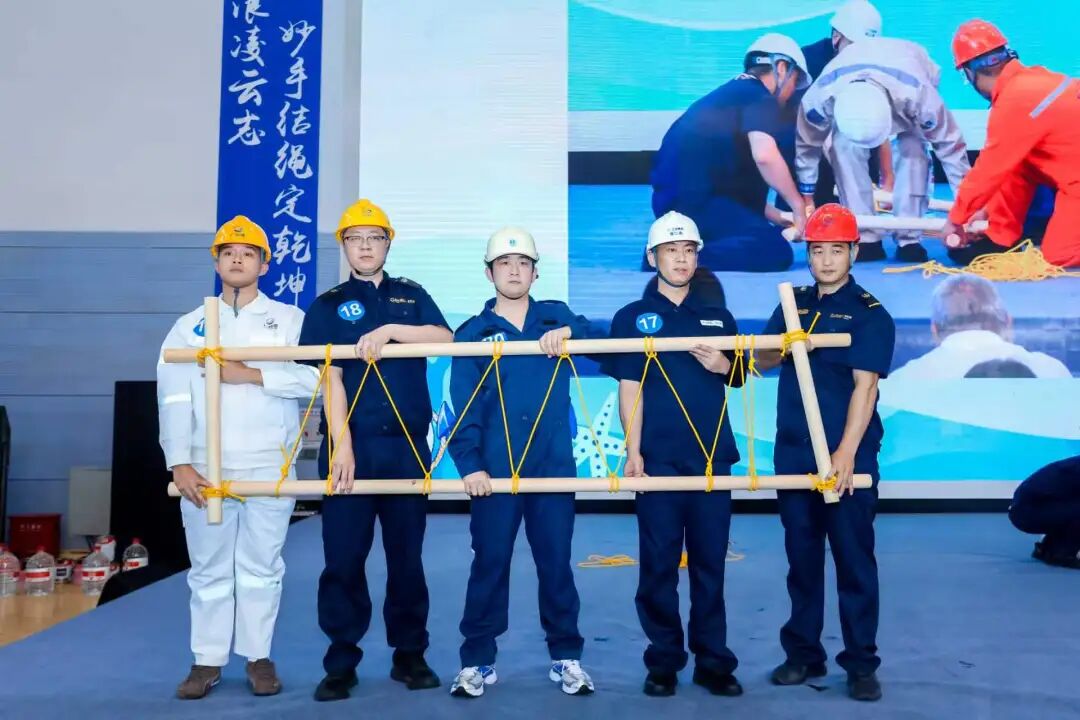
During Maritime Day, cultural dissemination activities were also advanced. On July 9, the second "COSCO Shipping Cup" Knot-Tying Competition was held at Yangzhou Vocational University, with 40 contestants participating. Students from Anhua County, Hunan Province—a designated assistance county of COSCO Shipping—demonstrated their knot-tying skills. Xia Xinwang, representative of the first competition's youth group team champion, stated: "A single rope, a thousand knots; a deep mountain, a vast ocean. In the past, the mountains of Anhua and the distant blue seas were separated by thousands of miles. Now, a sailor's knot serves as a bond, allowing mountain youth to understand the deep blue."
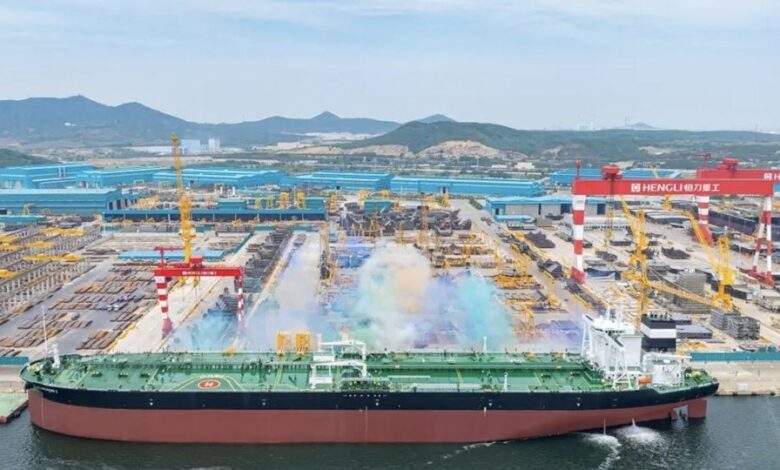
On July 11, at the China Maritime Day Forum, Li Xinghu, Vice Minister of Transport, proposed "four focuses": focusing on breakthroughs in key technologies, focusing on facility transformation and upgrading, focusing on improving governance quality and efficiency, and focusing on talent team building. Yan Xinping, Academician of the Chinese Academy of Engineering, Chief Professor at Wuhan University of Technology, and Chairman of the China Institute of Navigation, emphasized focusing on the frontier directions of intelligent, green, and resilient shipping. The "China Maritime Science and Technology Development Report (2025 Edition)" shows that China's maritime science and technology has achieved a leap from "following and running alongside to partially leading." The "China New Energy and Clean Energy Vessel Development Report (2025)" indicates that in 2025, the total number of new energy and clean energy vessels nationwide exceeded 1,300, a year-on-year increase of 30%. China Classification Society released an "AI + Ship Survey" action plan to create a dedicated large model for the ship survey vertical domain and, in collaboration with the industry, released eight types of Chinese new energy typical vessel designs, with some vessel types achieving fuel operating cost reductions of up to 40%. China Classification Society issued the world's first GDA (General Digital Approval) certificate for ship digital delivery systems to COSCO Shipping Heavy Industry Co., Ltd.
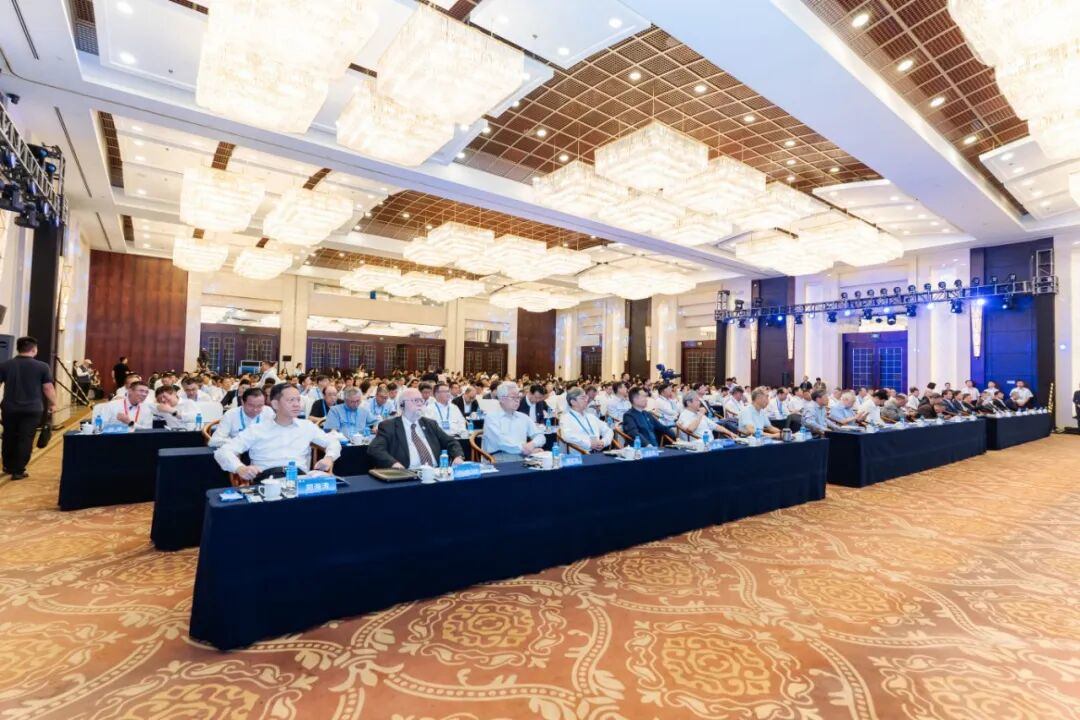
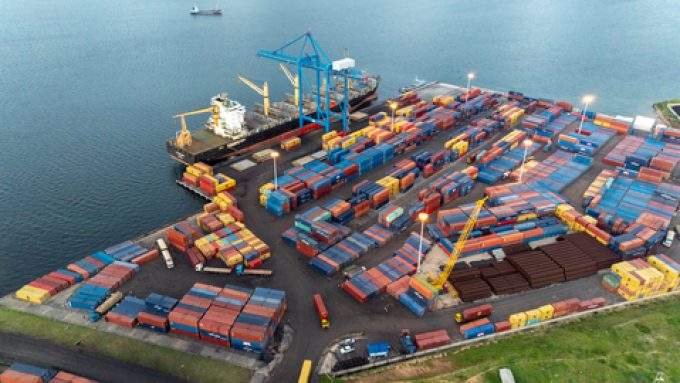
Nationwide, 60 automated terminals have been built and put into operation. The single-machine operational efficiency of automated terminals at Shanghai Port and Qingdao Port exceeds 60 natural containers per hour, ranking first in the world. The published mileage of national electronic navigation charts has reached nearly 20,000 kilometers, with a basic "one map" of electronic navigation channels for the Yangtze River system established. Information platforms such as "Yangtze e+" and "Maritime Pass" provide services to the public.
Related Products


Industrial and Commercial Point-Type Gas Detector
Jinan Benan Technology Development Co., Ltd.

Wheel and Track Technology Business
Beijing Research & Design Institute of Rubber Industry Co., Ltd.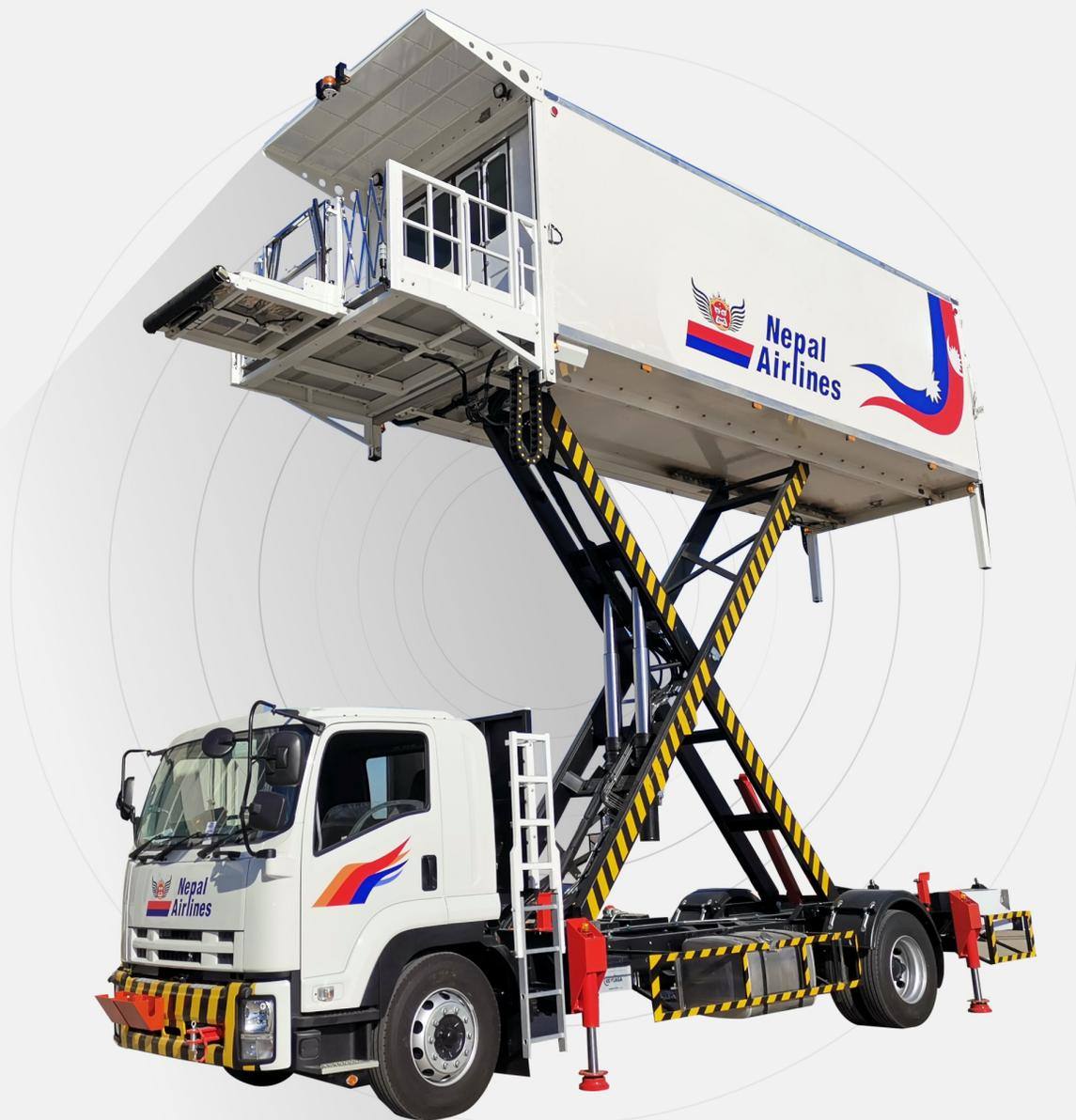
XC-6000e Type Aviation Catering Truck (Fuel Type)
Shenzhen CIMC-TianDa Airport Support Ltd.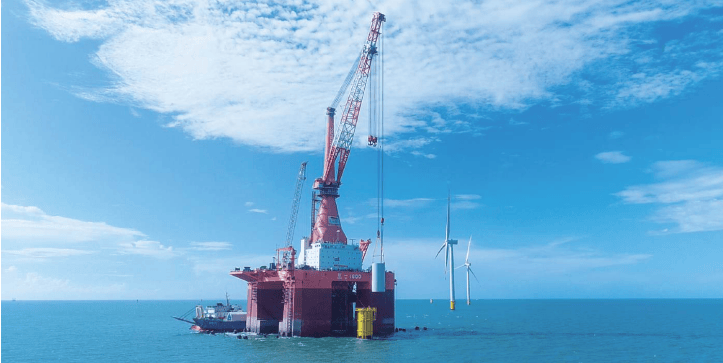
"Shunyi 1600" Deep-submerging Bottom-sitting Multi-functional Wind Power Engineering Vessel
Zhengli Offshore Engineering Co., Ltd.
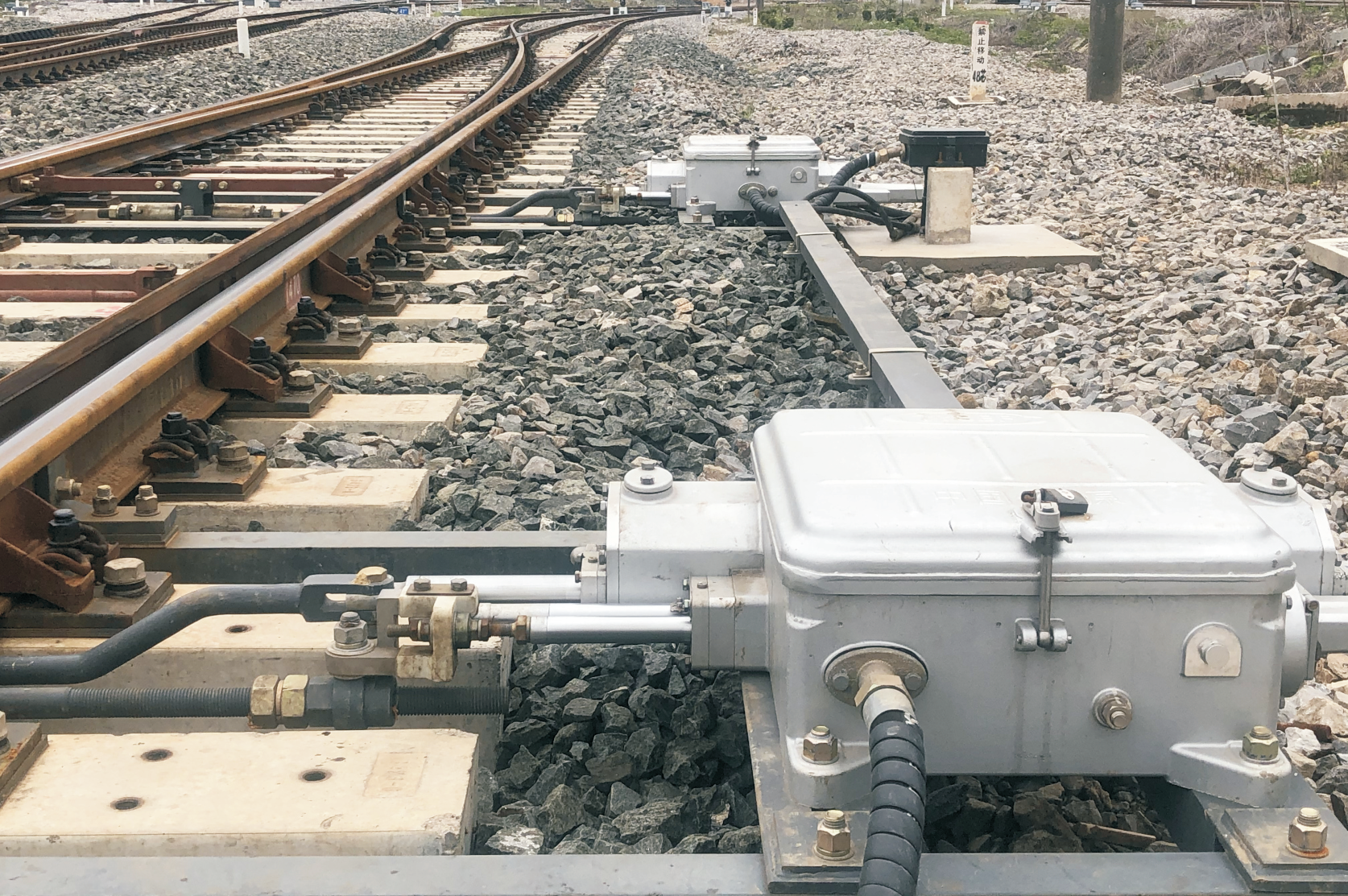
ZY(J)7(M) Sealed Type Electro-Hydraulic Turnout Machine
TAIYUAN CR JINGFENG EQUIPMENT TECHNOLOGY CO., LTD.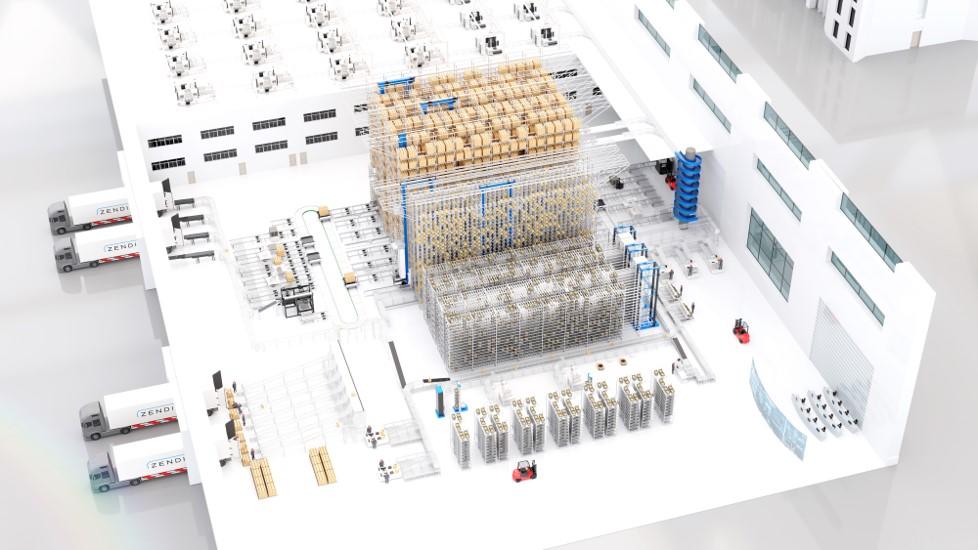
One-Stop Steward Service for the Entire Logistics System Integration Chain
Zhongding Intelligent (Wuxi) Technology Co., Ltd.