Deep-sea pressure causes "marine snow" to release 50% carbon, study finds
en.Wedoany.com Reported - A study by the University of Southern Denmark has found that extreme pressure in the deep ocean causes sinking particles to release carbon and nitrogen, which become an immediate food source for deep-sea microorganisms, updating our understanding of the ocean's carbon storage capacity and cycle.
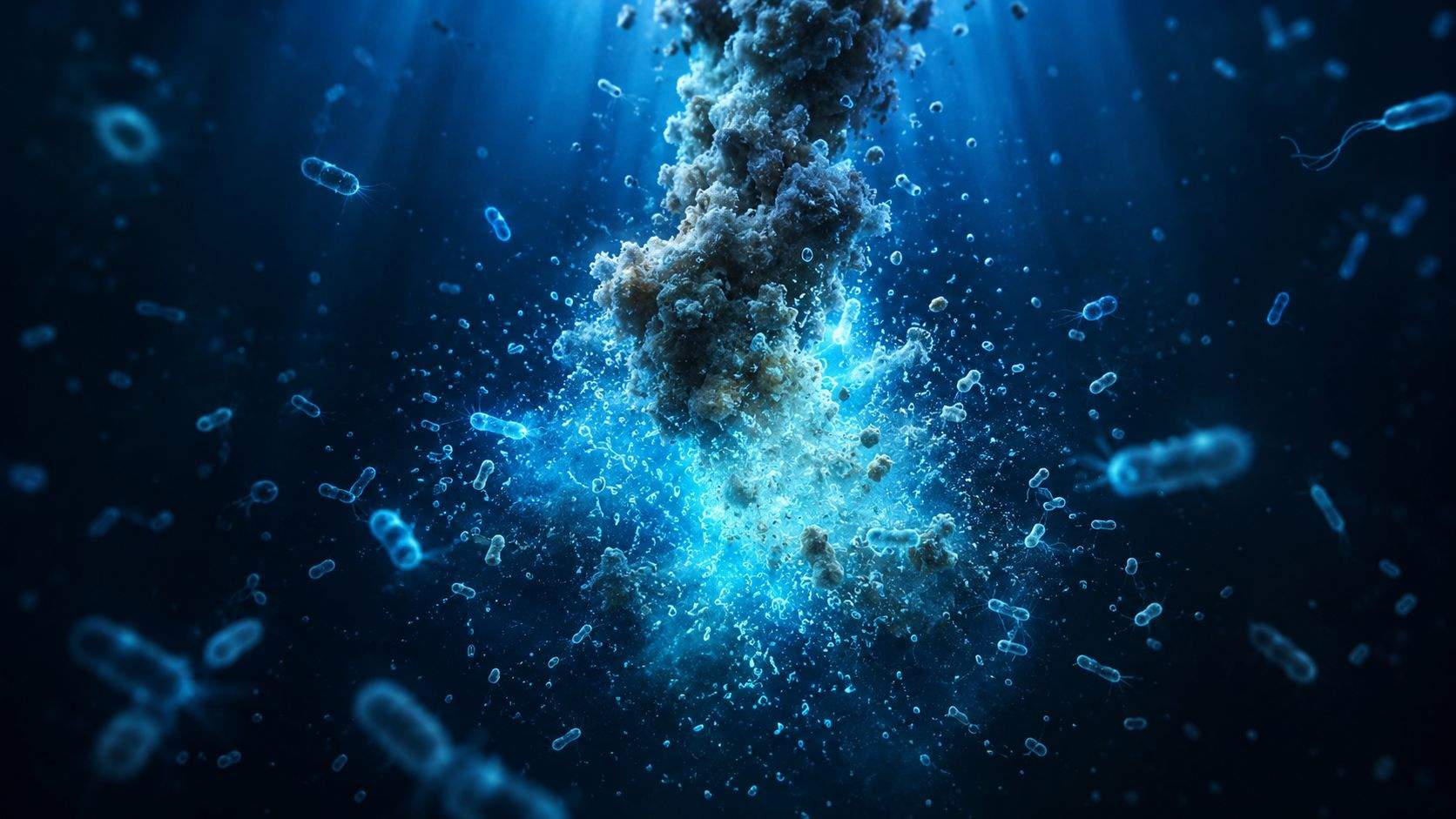
Scientists have observed a new food source mechanism in the deep ocean. So-called marine snow consists of dead algae, microorganisms, and other organic matter that slowly sinks through the water column. When marine snow reaches depths of 2 to 6 kilometers, hydrostatic pressure begins to squeeze dissolved organic matter out of the particles, a process akin to a juicer, releasing compounds that can be immediately consumed by microorganisms.
Peter Stief, the study's first author, stated that the dissolved organic compounds extracted by pressure are available to free-living microorganisms in the surrounding water, challenging the traditional view of the deep sea as extremely nutrient-poor. The findings were published in the journal Science Advances. Researchers estimate that particles may lose up to 50% of their original carbon and 58% to 63% of their nitrogen during sinking.
This leakage alters the carbon pathway. Instead of being fixed in sediments for millions of years, some carbon dissolves in deep water for hundreds or thousands of years before gradually returning to the surface and entering the atmosphere. Long-term burial is considered a more permanent form of carbon storage, such as the formation of oil and gas through the long-term accumulation and burial of organic matter. Stief believes this mechanism affects how much carbon the ocean can store and for how long, information that can help improve models used to describe carbon behavior.
The research team recreated marine snow in the laboratory using diatoms. Artificial particles were placed in rotating tanks designed to simulate high pressure and prevent particle settling. Tests showed that up to half of the carbon in each particle could leak out during sinking. The released material consists mainly of proteins and carbohydrates, which serve as a rapid energy source in an environment previously thought to have limited food. Bacteria responded strongly, increasing in number by 30 times within two days, with a significant rise in respiration rates, indicating that the released nutrients were immediately utilized. The same pattern appeared in different diatom species, suggesting that pressure-induced leakage may occur widely in the ocean.
The team plans to search for molecular signatures of this process in surface and deep waters during an Arctic expedition aboard the German research vessel Polarstern, to confirm whether laboratory results apply to the open ocean. The study was supported by Danish institutions and the European Union's Horizon 2020 program.
Related Products

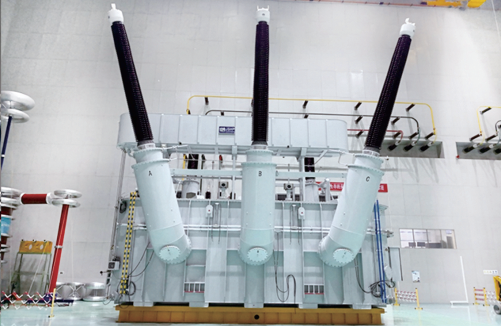
220kV and Below Voltage Level Energy-saving Oil-immersed Power Transformers
FuZhou TianYu Electric Co., Ltd.
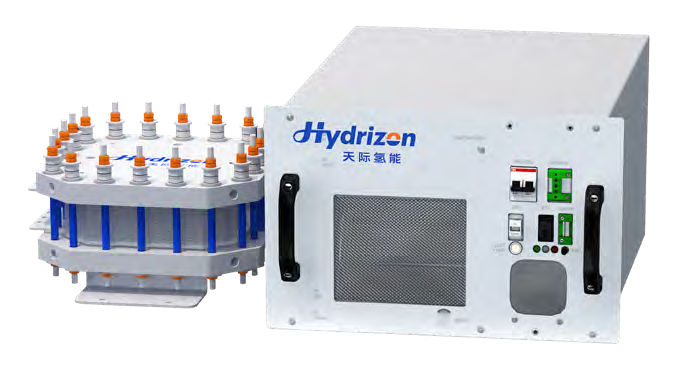
HI-Pro Green Hydrogen High-efficiency Production System-HI-PRO-AEM
Hydrizon Technology (Beijing) Co., Ltd.
Standard Nozzle Flowmeter
Jinggong Automatic Control Instrument Complete Technology Development Company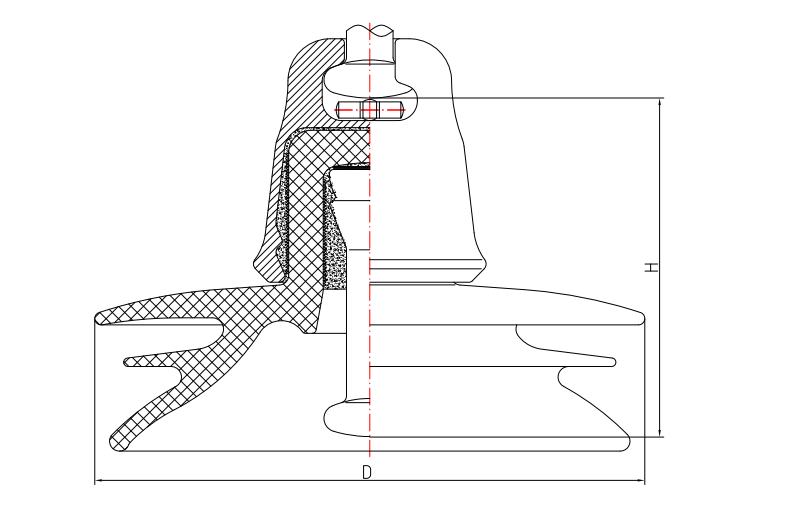
Post-type AC Pollution-resistant Disc Suspension Porcelain Insulator (Triple Umbrella Type)
Shandong High Voltage Insulator Co., Ltd.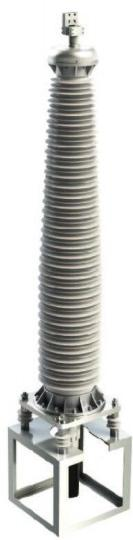
220kV Composite Outdoor Cable Terminal
Shenyang Guolian Cable Accessories Manufacture Co., Ltd.