China's Youyan Research Institute Achieves Breakthrough in Hydrogen-Helium Separation Technology, Helium Purity Reaches 99.999%
en.Wedoany.com Reported - The hydrogen-helium separation device independently developed by the New Energy Division of Youyan Research Institute has achieved a key technological breakthrough, enabling the separation of hydrogen-helium mixed gas sources with fluctuating flow rates and the production of helium with a purity of over 99.999%, a separation efficiency of no less than 99.9%, and a helium recovery rate exceeding 98%.
As a scarce resource crucial to China's high-tech industries and strategic security, helium plays an irreplaceable role in key fields such as semiconductor manufacturing, medical MRI superconducting, aerospace rocket fuel tank cleaning, and quantum computing. China's dependence on foreign helium exceeds 80%, and advanced hydrogen-helium separation technology has become a core challenge limiting large-scale helium extraction in the country. Traditional processes suffer from low separation efficiency, substandard purity, and high energy consumption, while catalytic oxidation technology poses safety risks due to intense heat generation.
Based on solid-state hydrogen storage technology, the technical research team of the New Energy Division at Youyan Research Institute proposed a new alloy chemical adsorption process for hydrogen-helium separation. After two months of technical research, the team developed a prototype device, successfully achieving efficient separation of hydrogen and helium. The helium produced by this technology has a purity of over 99.999%, meeting the national standard for high-purity helium, with a recovery rate of 98%. Additionally, the reaction enthalpy change is only one-tenth of that of traditional catalytic oxidation, significantly improving the safety and energy efficiency of the separation process.
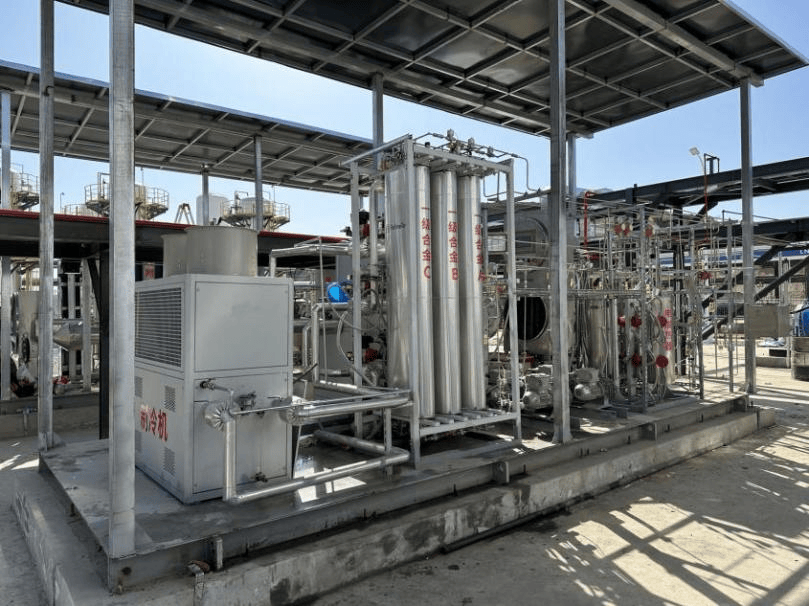
The first hydrogen-helium separation device has been installed and is in use at Shanxi Zefengda Group. The device has operated stably for an extended period in the low-temperature environment of Lvliang, where winter temperatures drop to around -20°C, successfully producing high-purity helium with a purity of no less than 99.999%. This achievement was reported on the front page of the Science and Technology Daily. Based on the prototype, the project team has developed commercial devices with features such as fully automatic operation, real-time monitoring, data transmission, and fault alarms, and has secured multiple orders for batch market application validation.
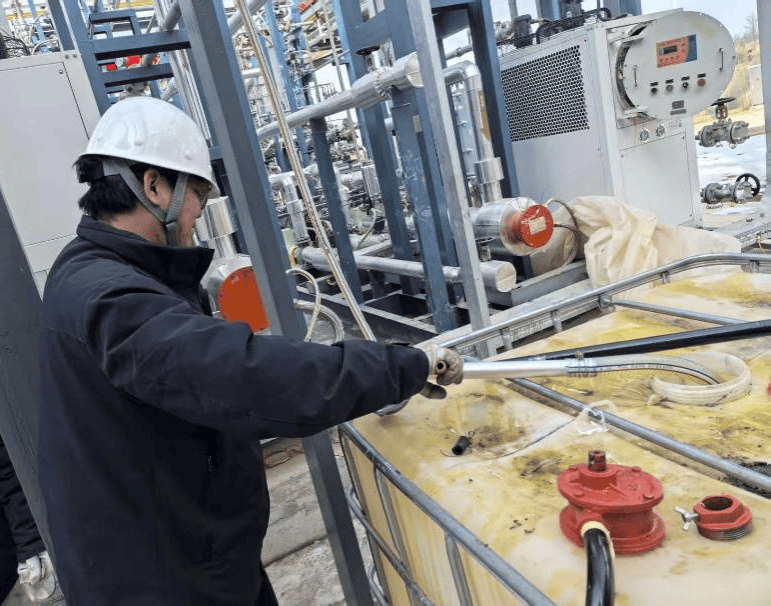
At the Gansu Qingyang project site, when faced with a sudden issue of device performance degradation due to significant fluctuations in natural gas source composition, the technical team resolved the problem by adjusting process parameters on-site and conducting collaborative online discussions, completing an iterative optimization of the process scheme. Technician Wang Renqi, unable to perform hot work or electrical operations on site, manually replaced high-viscosity thermal oil using a hand-cranked mechanical pump, ensuring stable device operation. After half a month of effort, the hydrogen-helium separation device resumed stable output, overcoming the engineering challenge of front-end gas source fluctuations.
In terms of technological iteration, team leader Geng Xinhu has long tracked device operation data, completed the development and design of a "multi-tower cyclic process" package, and established reusable process design guidelines and operational specifications. Based on the working conditions of ammonia synthesis and optical fiber production processes, Geng Xinhu designed a new adsorption tower gas distributor structure, reducing the flow resistance of the optimized alloy adsorption tower by 50%.
Currently, the series of hydrogen-helium separation devices developed by the New Energy Division of Youyan Research Institute have been successfully applied in multiple natural gas helium extraction projects. The team is closely focusing on the research direction of "efficient separation and purification of high-purity hydrogen and helium," continuously optimizing the hydrogen-helium separation process, and exploring new application scenarios such as ammonia synthesis and optical fibers.
Related Products

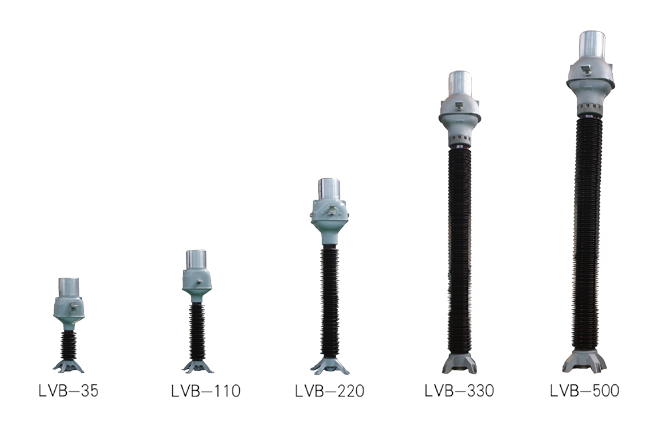
LVB Series 35-500kV Oil-immersed Inverted Current Transformer
Shandong Taikai Instrument Transformer Co., Ltd.
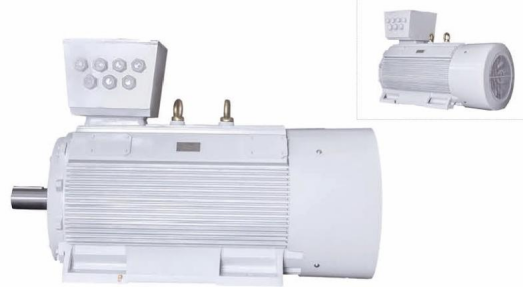
YE3 Series Low Voltage High Power Three-Phase Asynchronous Motor
Shandong Lijiu Electrical Machinery Co., Ltd.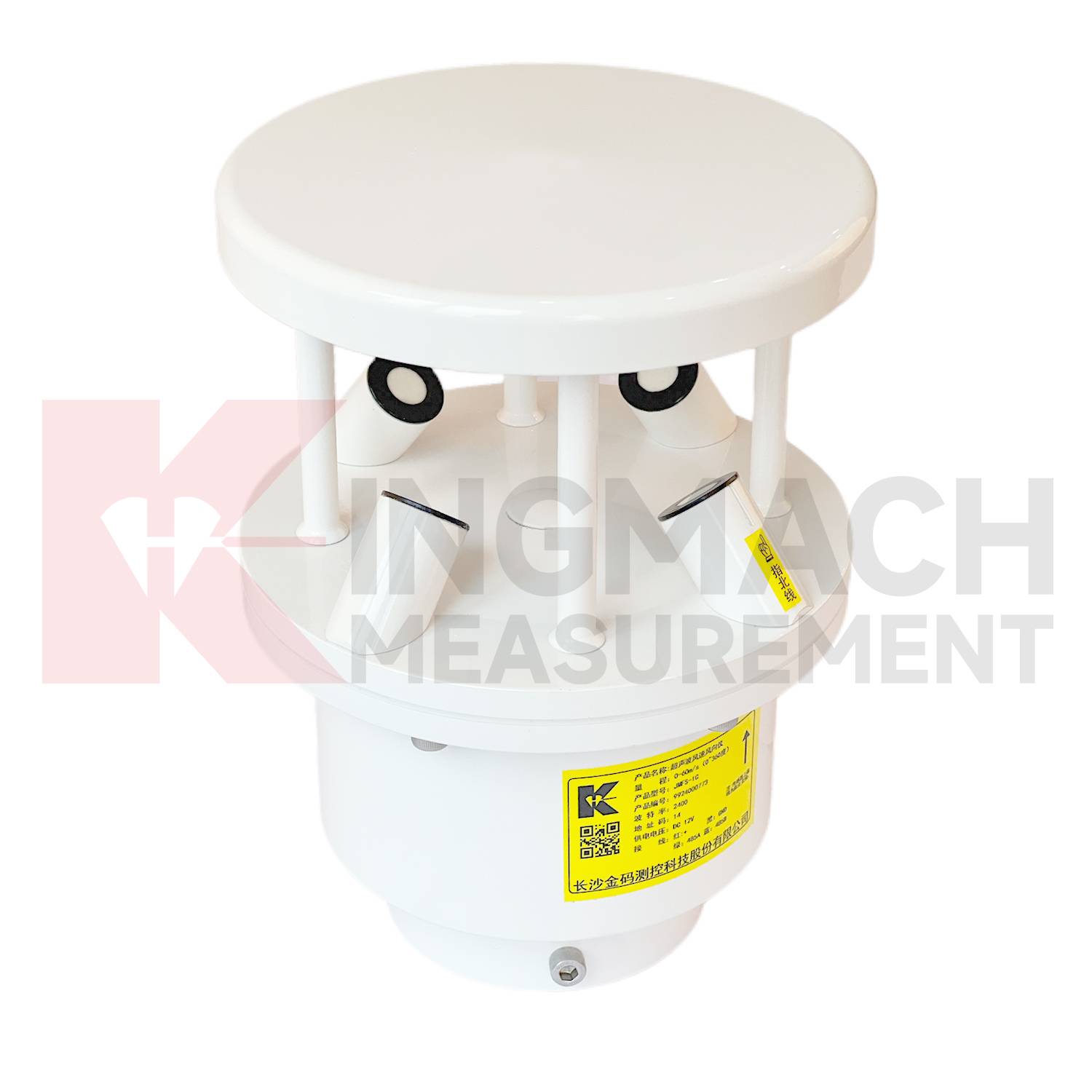
Ultrasonic Wind Speed and Direction Instrument
Kingmach Measurement & Monitoring Technology Co., Ltd.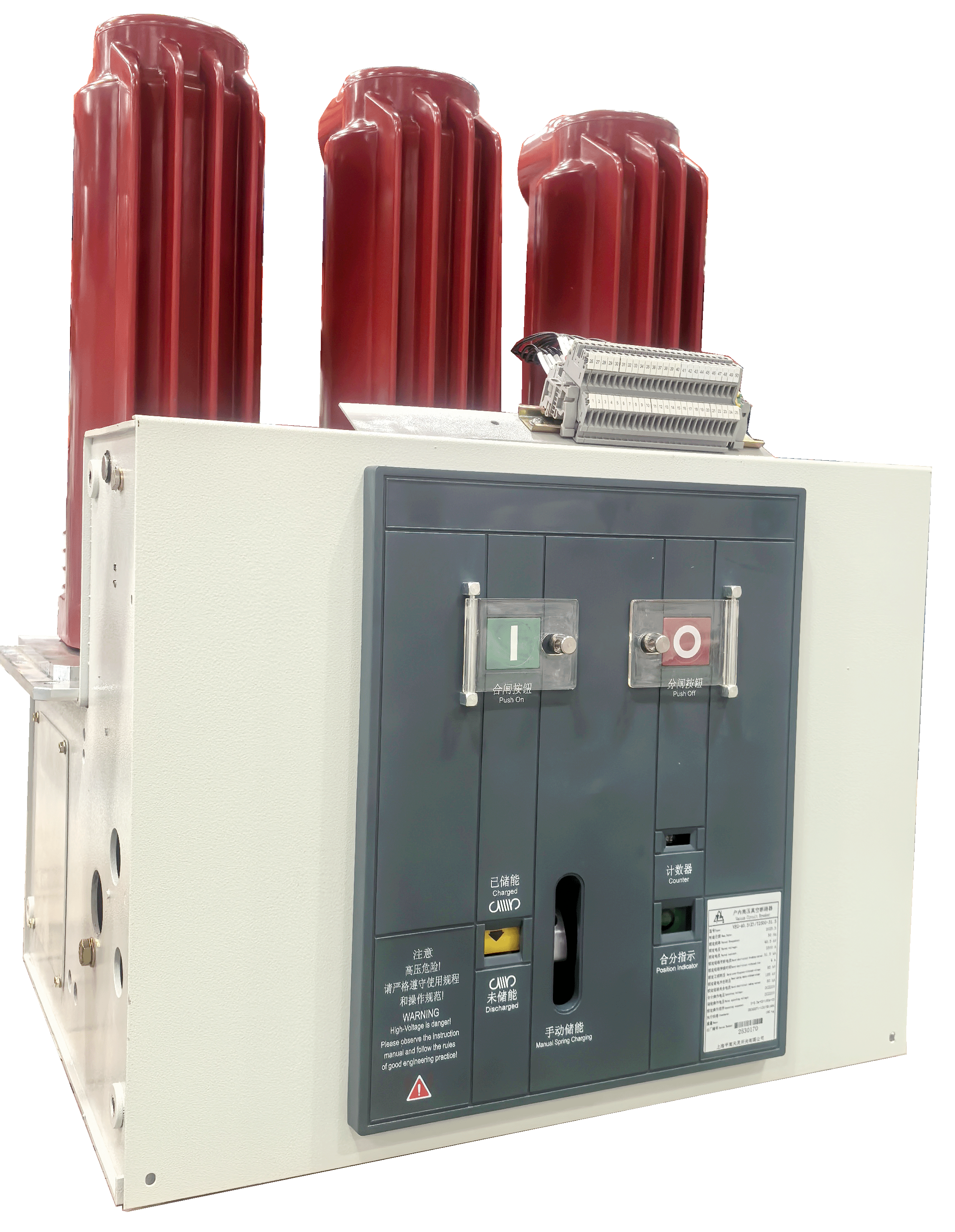
VEG-12/24/40.5 Series Vacuum Circuit Breaker
SHANGHAI PINGGAO TIANLING SWITCHGEAR CO., LTD.
714CD Series C-Band Weather Radar
Chengdu Zhongdian Jinjiang Information Industry Co., Ltd.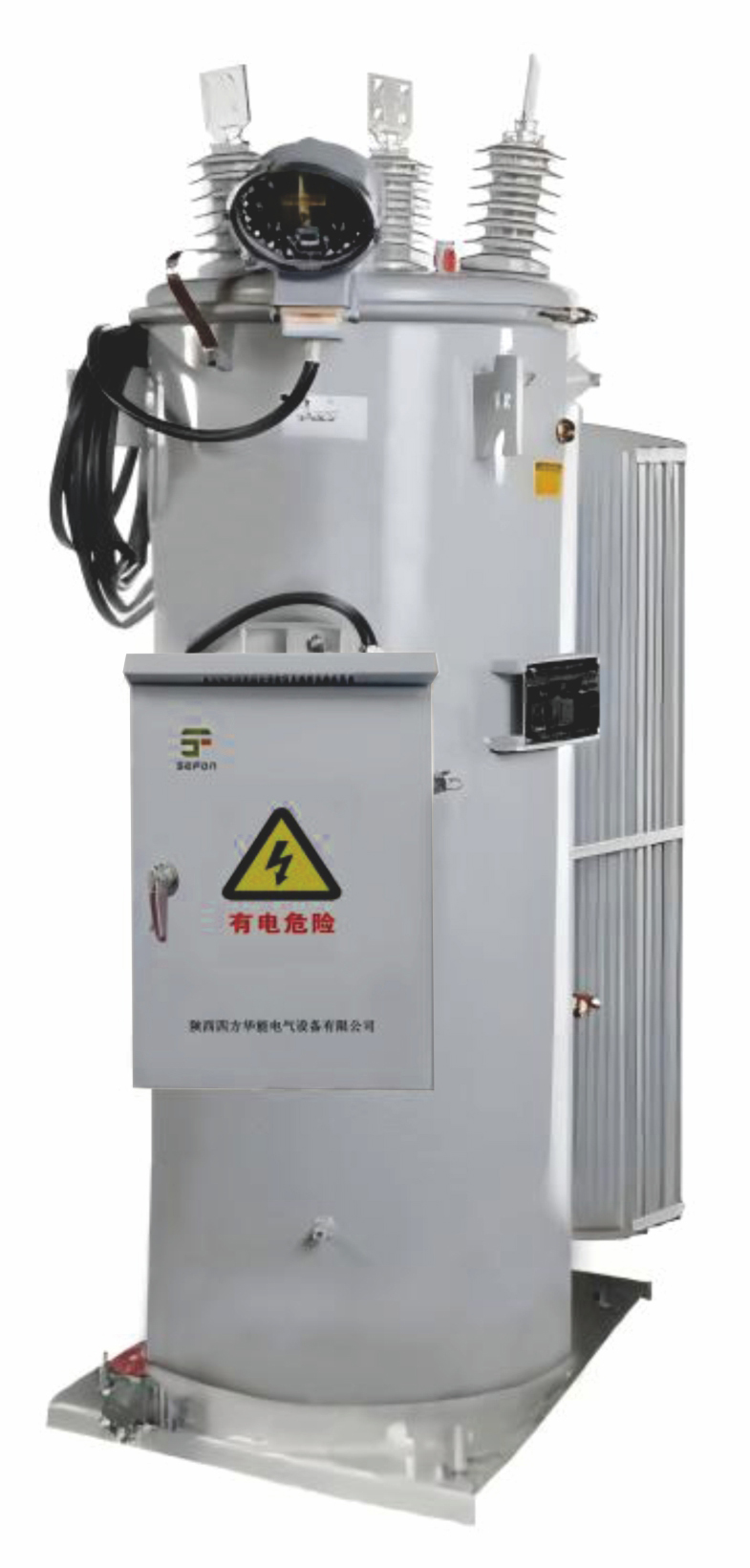
Single-Phase Automatic Voltage Regulator(AVR)
Shaanxi Sefon Electrical Equipment Co.,Ltd.