UK's DEScycle Opens Demonstration Plant for Recovering Critical Metals from E-waste
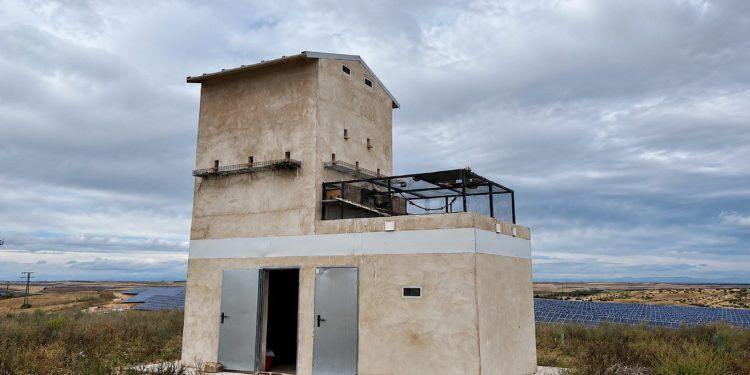
en.Wedoany.com Reported - DEScycle (www.descycle.com), a London-based startup, has opened its first demonstration plant at the Wilton Centre in Teesside, marking the initial operation of its distributed metal processing infrastructure platform, aimed at strengthening the UK's domestic critical minerals supply chain.
The UK government's Critical Minerals Strategy sets a target of meeting 20% of the country's annual critical mineral demand through recycling by 2030. The launch of this plant comes as the UK seeks to enhance resilience in critical minerals, which are vital for manufacturing, clean energy, technology, and national security. Last month, Industry Minister Chris McDonald MP visited DEScycle and the Wilton Centre to announce a £50 million investment in domestic critical mineral production. The DEScycle Teesside plant will demonstrate how critical and precious metals can be recovered from complex electronic waste, bringing recycling closer to the source of material generation rather than exporting it for overseas processing.
Operating in 250 kg batch sizes, the plant can process 50 to 100 tonnes of material annually during the demonstration phase, helping DEScycle transition from pilot operations to repeatable commercial deployment.
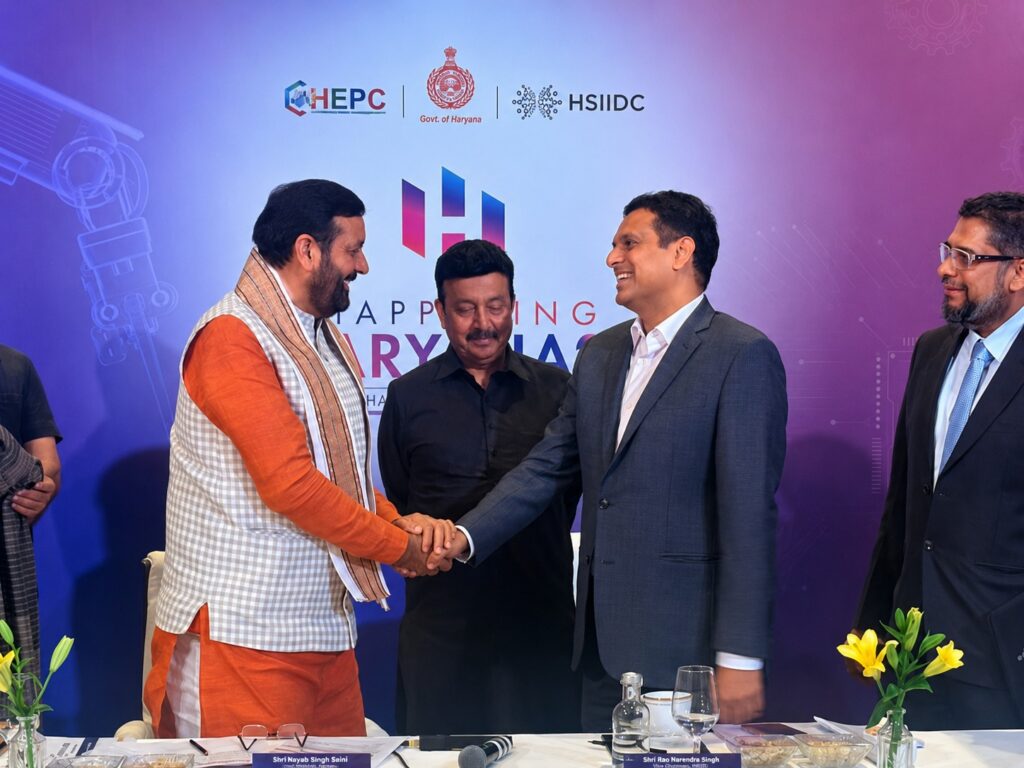
The plant was inaugurated by Anna Turley MP, Member of Parliament for Redcar, and Lord Ben Houchen, Mayor of the Tees Valley, with local dignitaries, key UK and international investors, and industry stakeholders in attendance. Anna Turley MP stated that critical metals are essential for the UK's manufacturing, energy, technology, and national security, yet a significant amount of waste containing valuable metals is still exported for overseas processing, resulting in the UK losing materials, economic value, and control over strategic supply chains. DEScycle's plant in Redcar is an important step in changing this situation.
Leo Howden, CEO of DEScycle, noted that this facility is the first operational blueprint for DEScycle's distributed metal processing model, allowing the company to validate the platform in an industrial environment, generate data needed for commercial deployment, and demonstrate how modular processing capabilities can be replicated in industrial clusters across the UK, the US, Europe, and Japan. At a time when artificial intelligence, electrification, and advanced manufacturing urgently require critical minerals, the UK has an opportunity to lead a new model for metal processing.
Waste Minister Mary Creagh CBE MP stated that the UK generates millions of tonnes of electronic waste annually, most of which is sent abroad for recycling. Recycling critical metals and materials locally is crucial for supply chain resilience, resource security, and climate goals. UK startup DEScycle is showcasing how innovation can strengthen the circular economy and reduce dependence on sometimes fragile overseas supply chains.
Professor Louise Heathwaite, Executive Chair of the Natural Environment Research Council, part of UK Research and Innovation (UKRI), added that DEScycle's new facility exemplifies how UK research and innovation can address complex challenges such as resource use, waste, and critical minerals. The technology underpinning DEScycle stems from curiosity-driven research supported by UKRI at the University of Leicester, leading to new, more efficient, and environmentally less impactful methods for recovering valuable metals.
The commissioning of this facility marks DEScycle reaching Technology Readiness Level 7 (TRL7). Initial operations will focus on processing printed circuit boards and other complex electronic feedstocks supplied through DEScycle's UK joint venture partner, the GAP Group. The plant's first products include gold, copper, silver, and palladium, with DEScycle also developing recovery capabilities for tin, iron, and aluminum.
DEScycle has announced a partnership with Cisco to supply feedstock for the plant, and Mitsubishi Corporation will conduct an offtake study to assess commercial market pathways for domestically processed metals. These partnerships collectively establish the commercial pathways supporting distributed metal processing, validating feedstock supply, modular operations, and downstream offtake.
The Wilton Centre was selected for its industrial infrastructure, pilot plant capabilities, and location within the growing industrial innovation cluster in Teesside. As part of the Pioneer Group ecosystem, the site offers technical development support and provides a near-plug-and-play environment as DEScycle scales toward commercialization.
DEScycle is a UK startup that has developed technology using a novel class of chemicals discovered at the University of Leicester, and has collaborated with the Centre for Process Innovation (CPI) to scale from laboratory to pilot. This launch marks the company's transition from UK research to industrial deployment.
Related Products

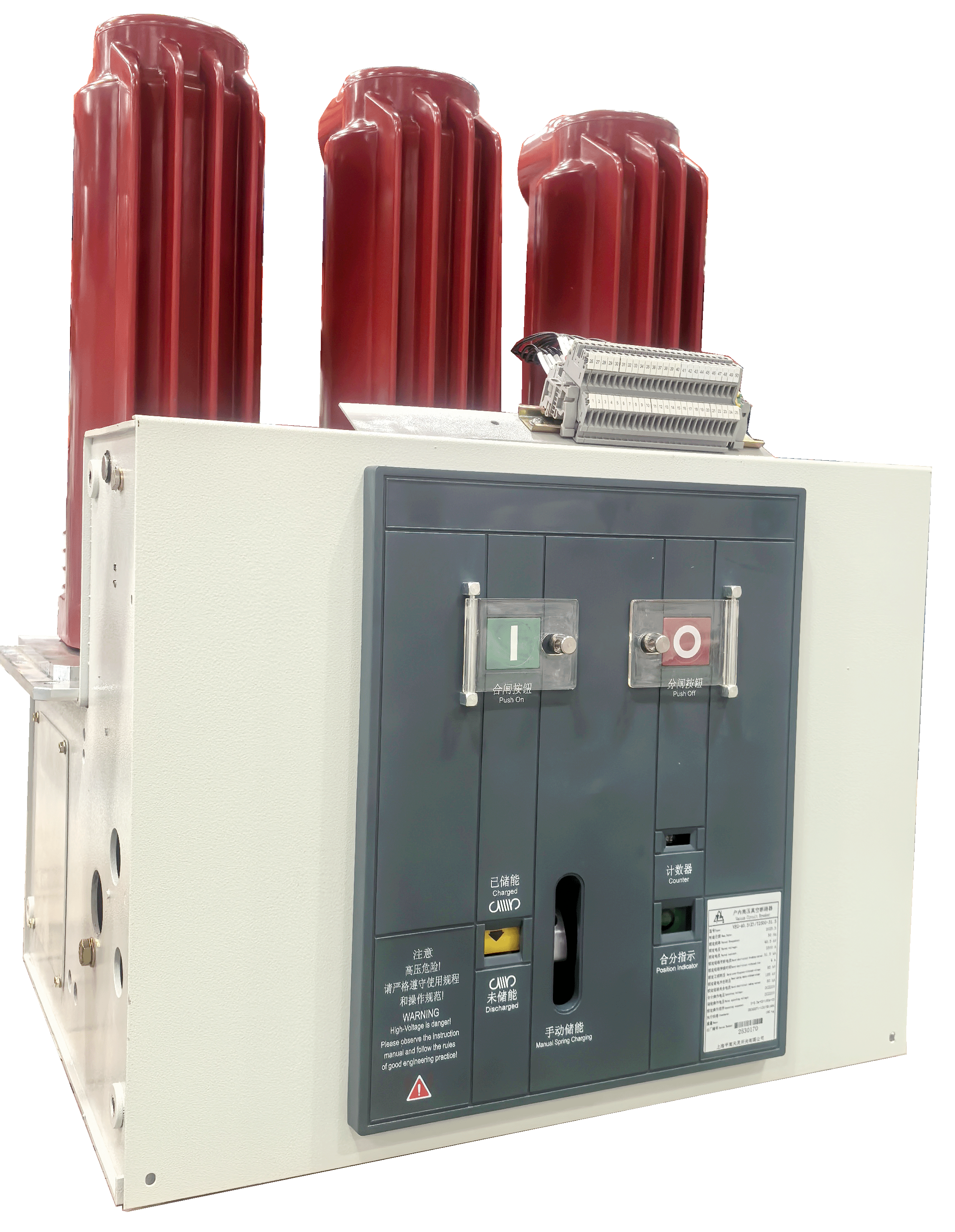
VEG-12/24/40.5 Series Vacuum Circuit Breaker
SHANGHAI PINGGAO TIANLING SWITCHGEAR CO., LTD.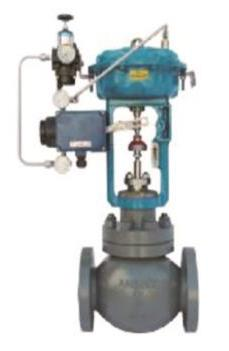
Quick-Change Single-Seat Control Valve / Quick-Change High-Pressure Single-Seat Control Valve
Beijing Consen Automation Technology Co., Ltd.
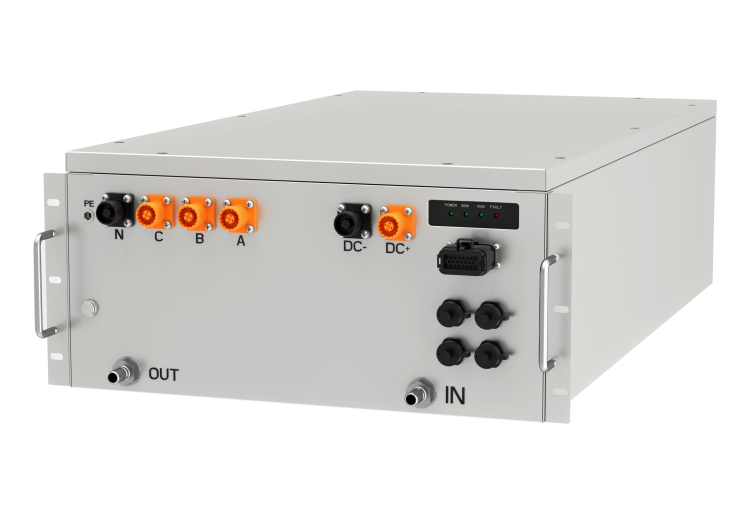
Mars (Liquid Cooling) Series Industrial and Commercial Energy Storage Converter High Protection Module
Shenzhen Winline Technology Co., Ltd.
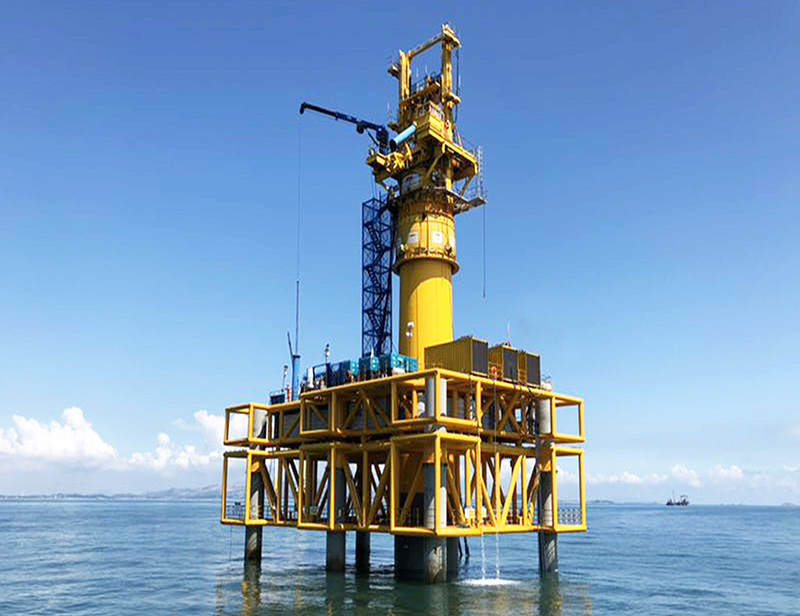
CITIC Heavy Industries Offshore Wind Power Equipment Hydraulic Pile Hammer
CITIC Heavy Industries Co., Ltd.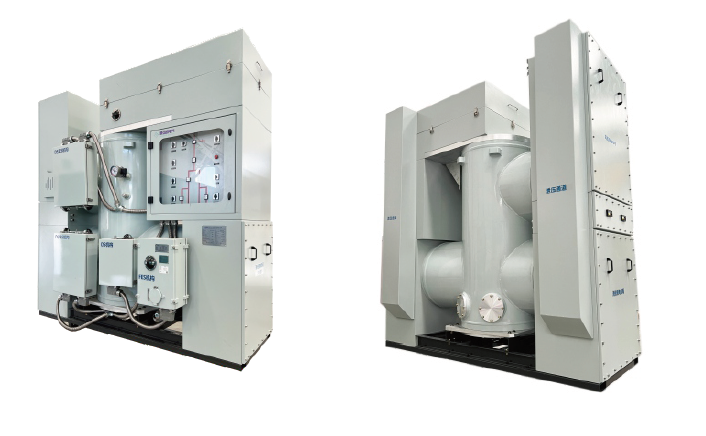
72.5kV 1250A 31.5kA SF6 free Gas-insulated Metal-enclosed Switchgear
Zhejiang Juhonkia Intelligent Electric Co., Ltd.