South Korean Research Team Develops Self-Powered Floating Water Purifier
en.Wedoany.com Reported - An international research team has developed a small, self-powered water purification system as an affordable and portable clean water solution.
The project is led by Yonsei University in South Korea, with participation from the Korea Institute of Science and Technology, the University of Bath, and Renmin University of China. The researchers have developed a water purifier that can be deployed in natural water bodies and activated through natural motion.
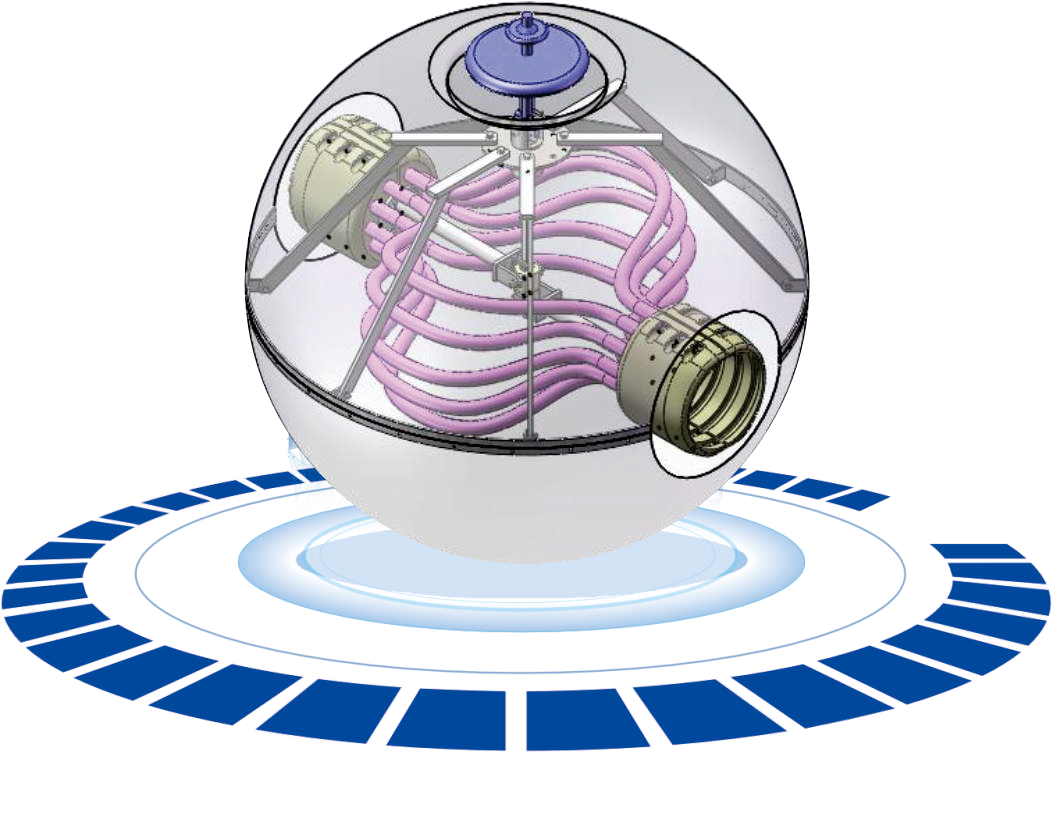
This "all-in-one" floating filter cartridge is designed for decentralized water treatment, requiring no batteries or chemical additives. Building on previous research at Yonsei University, a team led by Professor Sang-Woo Kim explored how everyday human motion could be used as a disinfection mechanism.
Project team members Min Jae Park and Dong-Min Lee explained that the system is intended as a supplementary tool for centralized water treatment infrastructure, suitable for scenarios such as natural disasters or remote field operations where such infrastructure is unavailable.
The filter cartridge performs both detection and disinfection functions. The first step utilizes electromagnetic induction: water movement caused by manual shaking drives a magnet within a coil to generate electricity, powering a total dissolved solids (TDS) sensor and a Bluetooth module. These components measure chemical pollutants in the water and send the data to a user interface (phone or smartwatch). If the detected TDS level in the water is below 250 mg, the data triggers the system's second step—the disinfection process. As the cartridge moves, static charges are generated at the interface between the water and the dielectric shell. These charges accumulate near polypyrrole nanorods on the cartridge's surface, inactivating bacteria and viruses through electroporation via a local electric field.
Park and Lee stated that the system matches different forms of motion with different functional needs. Rapid manual shaking provides the high current required for sensing and wireless transmission, while gentle, low-frequency motion supplies a continuous static charge for disinfection. This design integrates detection and treatment into a single self-powered platform.
The researchers found that the filter cartridge can eliminate E. coli, MS2, and B. subtilis. In durability tests, the team discovered that the cartridge could purify 4 liters of river water in less than one hour.
The researchers noted that the main challenge lies in balancing functionality with simplicity: more sensors are needed to enhance capability, while keeping the cost of a single cartridge as low as possible. The cost of a single cartridge is $25, and the team estimates that costs could be lower if the technology is scaled up. They stated that the goal is to make the system simple enough for field use while providing three essential functions: sensing, communication, and disinfection.
Related Products

Oil-immersed Amorphous Alloy Core Distribution Transformer
Pinggao Group Smart Electric Co., Ltd.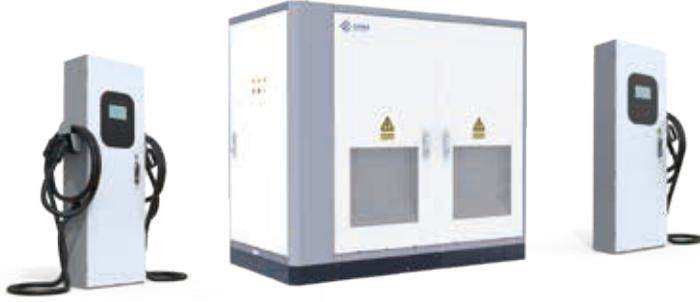
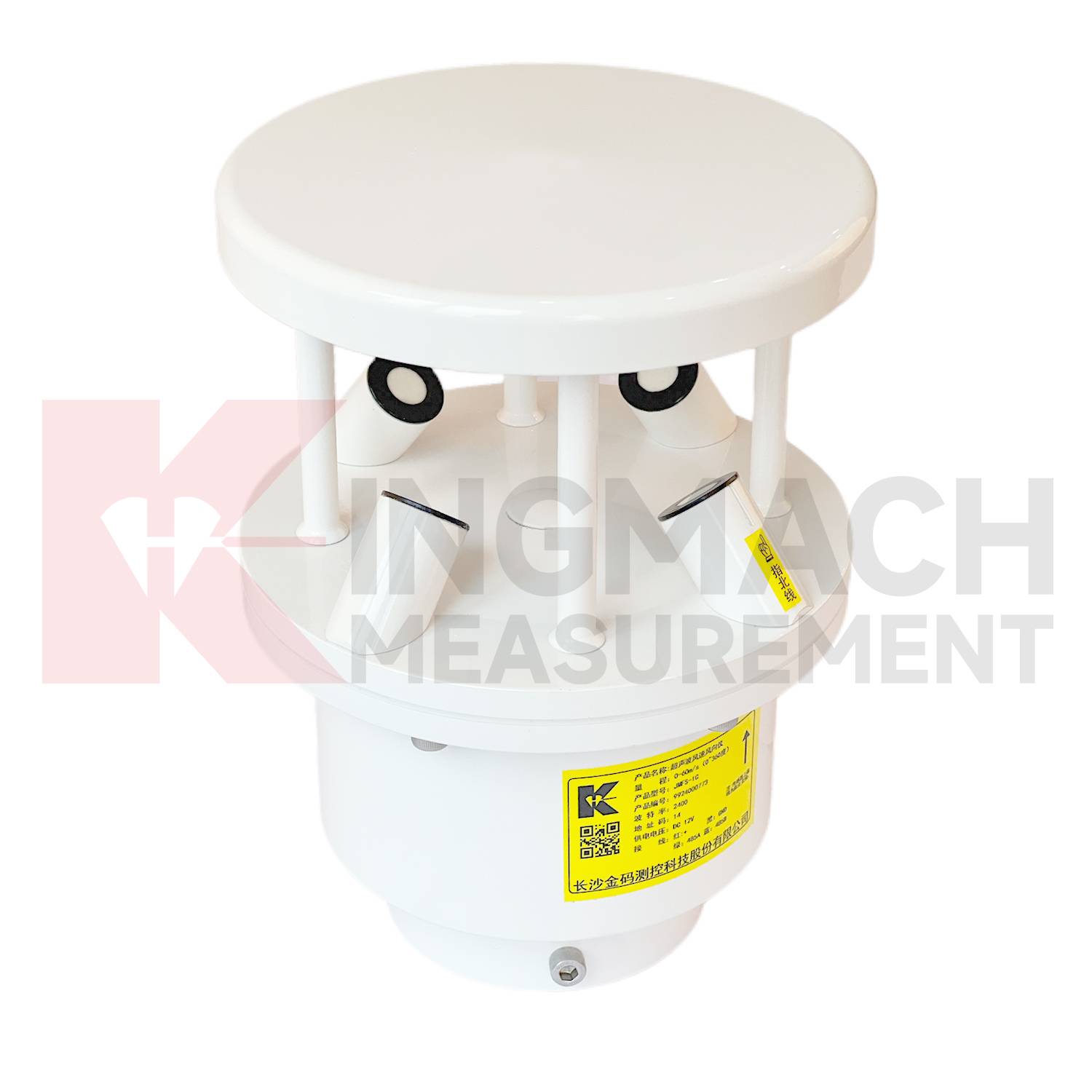
Ultrasonic Wind Speed and Direction Instrument
Kingmach Measurement & Monitoring Technology Co., Ltd.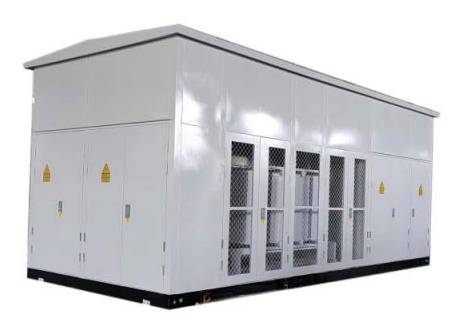
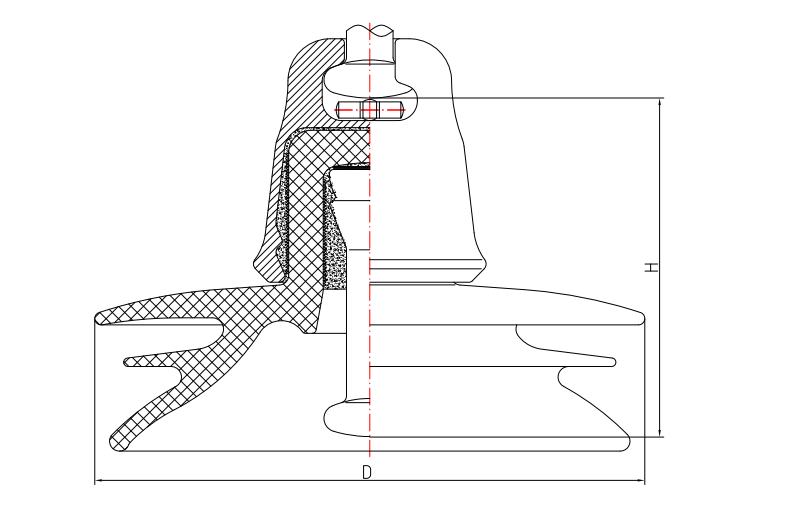
Post-type AC Pollution-resistant Disc Suspension Porcelain Insulator (Triple Umbrella Type)
Shandong High Voltage Insulator Co., Ltd.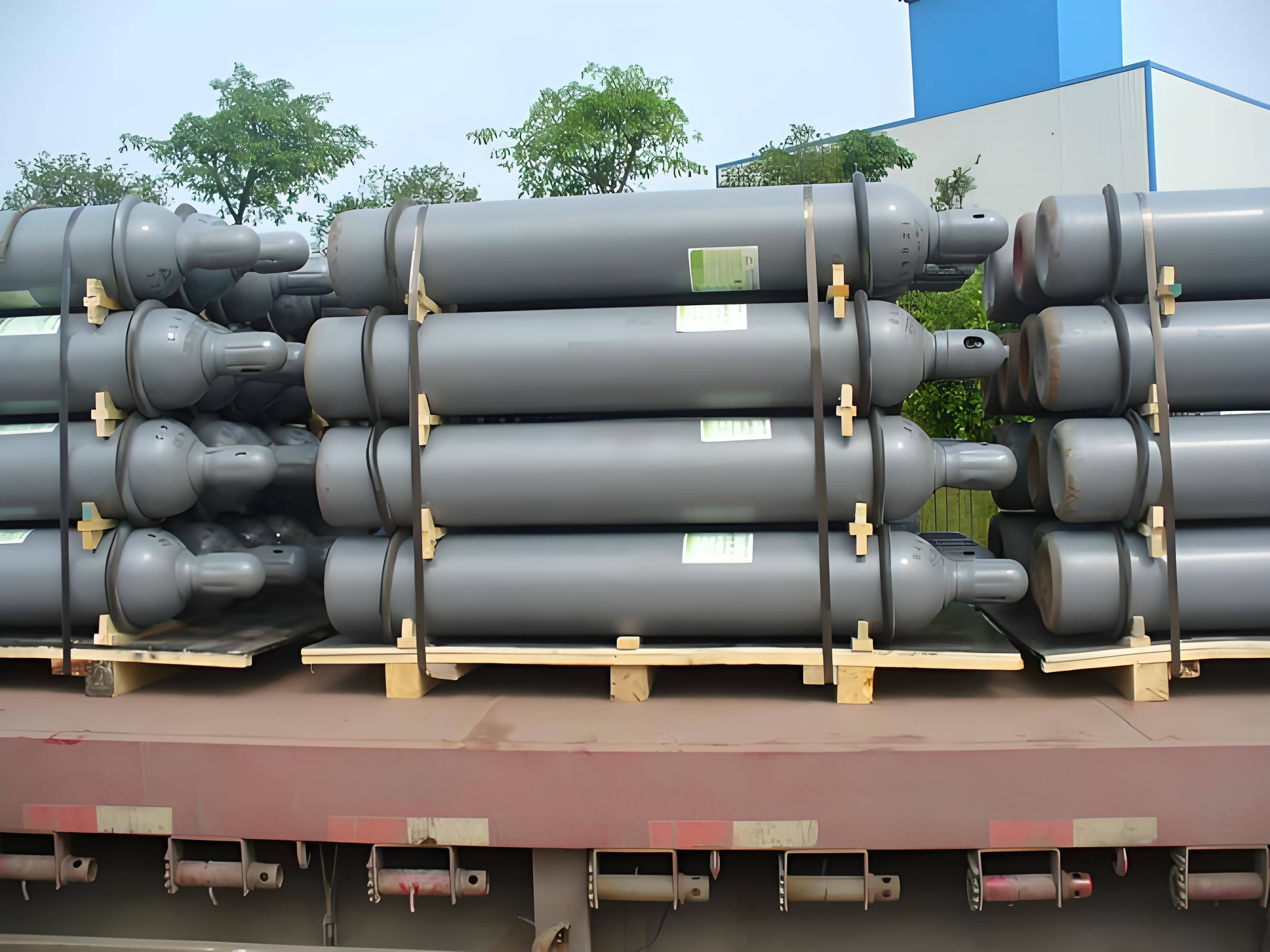
Global Sulfur Hexafluoride Gas Supply and Cylinder Export
Foshan Yuexin Industrial Gas Co., Ltd.
"Shunyi 1600" Deep-submerging Bottom-sitting Multi-functional Wind Power Engineering Vessel
Zhengli Offshore Engineering Co., Ltd.

Industrial and Commercial Point-Type Gas Detector
Jinan Benan Technology Development Co., Ltd.