India's Arise Group Attracts Nearly $2 Billion in Investment in Africa to Drive Industrial Transformation
en.Wedoany.com Reported - Indian entrepreneur Gagan Gupta, through his founded Arise Group, is driving the transformation of raw material exporting regions into manufacturing and production hubs in Africa, with initiatives including the construction of special economic zones and industrial logistics projects in multiple African countries.

Gupta stated that, driven by population growth and rising domestic demand, Africa is expected to undergo a major industrial transformation in the next five to seven years. In an interview with AFP, he said that the types of manufacturing Africa will achieve will exceed people's imagination, from textiles to advanced industries, with goods needed by its 1.4 billion people produced locally rather than relying on imports.
Born in the northern Indian state of Rajasthan, Gupta initially worked as a management accountant. In the late 2000s, he began venturing into special economic zone projects in Central Africa, which aim to attract investors by easing regulations on taxes and tariffs within designated areas. In 2008, at age 33 and unable to speak French, he arrived in Gabon to manage the local branch of Singaporean agri-food giant Olam, and established close ties with then-President Ali Bongo. In 2010, he launched the 1,000-hectare Nkok Special Economic Zone (Nkok SEZ), designed to process timber locally rather than export raw materials.
Gupta explained that the group's philosophy is to utilize local natural resources, process them within African countries to create higher-skilled jobs, and then export value-added products through public-private partnerships. He noted that Arise IIP currently provides employment for approximately 100,000 people across several African nations.
In Benin, a major cotton producer, the group has helped establish a complete textile industry chain covering spinning, weaving, dyeing, and knitting. The Glo-Djigbe industrial park exported its first garments to French chain Kiabi in 2024, followed by procurement from other international brands such as U.S. Polo. Gupta stated that sub-Saharan Africa imports over $30 billion worth of textiles annually, and local manufacturing of these products could directly create up to 10 million jobs, with related projects set to expand into Togo, Nigeria, and Kenya.
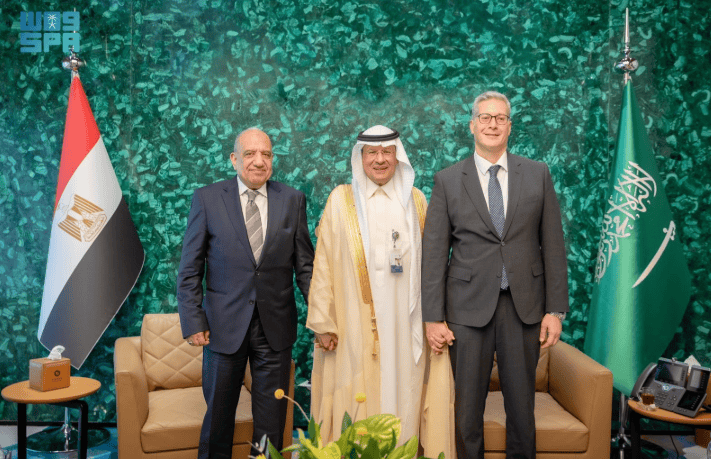
Arise IIP announced it has attracted cumulative investments approaching $2 billion and completed a $700 million funding round in September 2025, with investors including Saudi Vision Invest, African Finance Corporation (AFC, the group's largest shareholder), and Gupta's Equitane fund.
According to research by the French Development Agency (AFD), the number of special economic zones in Africa has exceeded 230 by 2025. These zones help companies diversify markets, produce more advanced goods, and enter new markets. However, the research also points out that the sustainability of these zones partly depends on relationships with governments, and measuring their actual impact on local employment remains challenging, with concerns that skilled foreign workers may benefit more than local labor.
The Arise Group has faced multiple allegations of corruption or violations of public contracts, particularly in Gabon and Chad, but the group denies these claims. It has also been criticized for the tax breaks and administrative facilitation its projects receive, which critics argue reduce African government revenues. Gupta responded that if one invests $1 billion in France or any other country, naturally one must communicate with the government, and the situation should not be different in Africa.
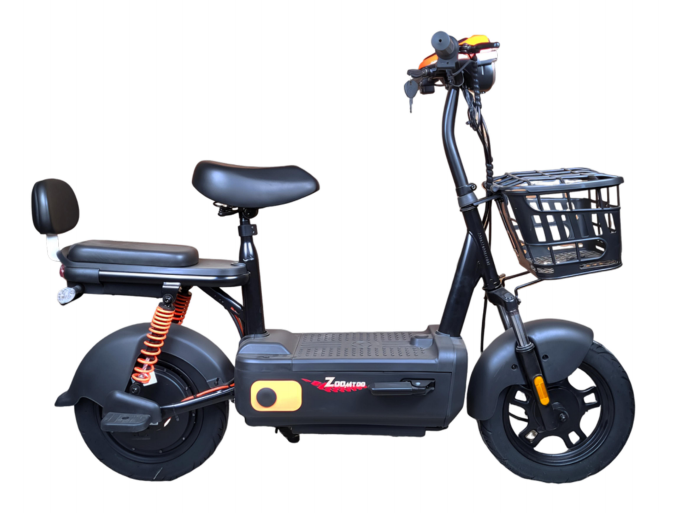
Gupta continues to expand the group's operations in the energy and mining sectors, including venturing into energy through Spiro, and mining iron ore in Gabon, bauxite in Cameroon, and gold in Mali via the Semi-Finished Metals Africa platform. He also announced that lithium-ion battery factories will soon be established in Nigeria and Kenya, aiming to localize battery production. Gupta stated that the journey of leading industrial transformation in Africa has only just begun.
Data from the African Development Bank shows that manufacturing accounts for only about 10% to 11% of Africa's GDP, lower than most emerging Asian economies, making the strengthening of manufacturing a priority of the African Union's Agenda 2063. The United Nations Industrial Development Organization (UNIDO) also emphasizes that developing local value chains and enhancing manufacturing are key elements for creating jobs, diversifying economies, and reducing dependence on raw material exports.