en.Wedoany.com Reported - Airports Company South Africa (ACSA) will invest ZAR 825 million in the 2025/26 fiscal year to accelerate the transformation of its airports into smart and digital transport hubs. This investment comprises ZAR 266 million in capital expenditure and ZAR 559 million in operational expenditure.
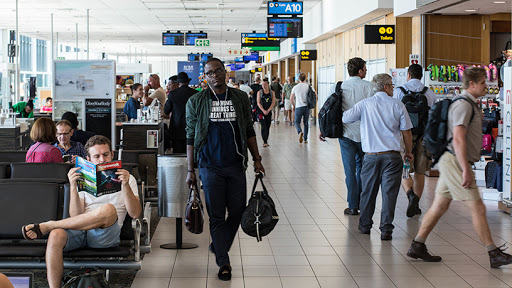
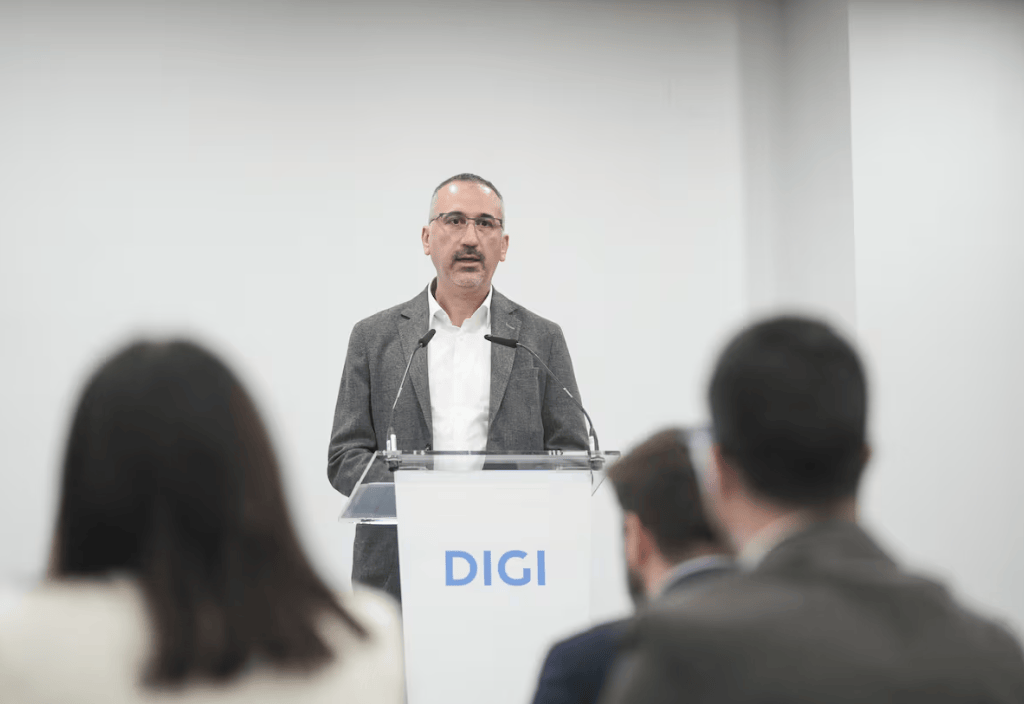
ACSA is a state-owned enterprise established in 1993, responsible for owning and managing nine major commercial airports in South Africa. ACSA Chief Technology Officer Vishalan Govender revealed the investment plan in an email interview with ITWeb. This expenditure comes as the operator expands digital services for passengers, strengthens airport security systems, and prepares to introduce new artificial intelligence (AI) features, augmented reality navigation, and e-commerce functions through its mobile application. Govender stated that this investment reflects the organization's commitment to modernizing both customer-facing and backend airport technologies, supporting the continuous evolution of infrastructure modernization, cybersecurity, airport systems, passenger-facing digital services, analytics, operational resilience, and ACSA's smart airport capabilities. These initiatives are part of a broader digital transformation program aimed at improving the passenger experience while enhancing operational efficiency and security across the ACSA airport network.
Central to this strategy is the ACSA mobile app, which was launched on July 1, 2022, and has seen steady growth in usage among travelers. Govender noted that as of January 30, 2026, the app had been downloaded over 156,882 times cumulatively on Android, the Apple App Store, and Huawei's HarmonyOS AppGallery. Usage typically spikes during busy travel periods such as holidays, school breaks, and festive seasons. Travelers primarily use the app to check flights, book parking spaces, and access airport information. According to Govender, the app has evolved into a digital companion for travelers, offering real-time flight status and notifications, airport navigation, retail information, parking reservations, ticket payments, baggage tracking, and traffic information. Other features include customer feedback tools, chatbots and live chat support, customer surveys, airport notifications, health and safety information, marketing campaigns, and a reporting channel.
ACSA is planning a series of quarterly updates for the app in the 2026/27 fiscal year as part of a roadmap to add new smart airport capabilities. The first-quarter update will introduce a "Rate Us" feature, allowing travelers to evaluate airport facilities and services, along with an airport congestion indicator providing real-time visibility into passenger traffic. The second-quarter release will add augmented reality wayfinding, features designed to assist passengers with disabilities, a link to customs declaration forms, and a virtual intermodal pilot. In the third quarter, ACSA plans to introduce an AI-driven chatbot to improve customer support, along with airport stakeholder empowerment features. The fourth-quarter release will further expand the platform with employee-facing features, including meal ordering, additional stakeholder functions, and the first phase of e-commerce offerings.
Beyond the mobile app, ACSA is also investing heavily in technologies aimed at modernizing airport operations. These include baggage tracking, self-service passenger processing, e-gates, common-use passenger processing systems, common-use self-service kiosk capabilities, smart parking, website enhancements, and digital payment support. Operational investments cover airport management systems, digital display technology, 2D barcode functionality, queue management, aviation operations analytics, enterprise asset management, customer relationship management platforms, and integration technologies. Meanwhile, the company is strengthening its digital infrastructure through investments in cloud computing, networking, airport WiFi, data protection, storage, unified communications, and cybersecurity. Security infrastructure has also received attention through expanded access control systems, CCTV networks, perimeter intrusion detection technologies, and integrated smart security platforms.
Regarding security technology, Govender stated that technology has significantly enhanced security levels at South African airports through improved surveillance, access control, and incident response capabilities. ACSA has deployed integrated CCTV and smart surveillance systems, strengthened license management and access control, expanded perimeter intrusion detection capabilities, and improved airport radio communications. The company has also established a dedicated security operations room to support proactive responses to criminal activity. These systems enable more effective monitoring of restricted areas, faster identification of incidents, better coordination among airport stakeholders, and stricter compliance with aviation security requirements. He added that cybersecurity remains a strategic priority as the airport environment becomes increasingly digital and interconnected.
In baggage handling, through the mobile app, travelers can check the status of their checked baggage using their booking reference and receive updates covering baggage milestones, including check-in, loading, and arrival. The baggage tracking feature integrates baggage reconciliation and processing data with the mobile platform, helping reduce passenger uncertainty while lowering routine inquiry volumes at airport service desks. As part of a broader self-service passenger strategy, ACSA is also advancing self-service baggage drop capabilities and modernizing baggage handling systems.
Although AI has not yet been widely deployed in passenger-facing services, Govender stated that the first major AI capability will be realized through the mobile app's chatbot, which is scheduled to go live in the third quarter of the 2026/27 fiscal year. The company is also introducing other smart airport technologies, including augmented reality navigation and congestion monitoring, aimed at improving the passenger journey while providing operational insights. Govender acknowledged significant challenges in implementing new technologies across South African airports, with the biggest obstacles including balancing innovation with reliability and safety requirements in a highly regulated aviation environment, integrating modern digital platforms with legacy operational systems, managing procurement processes, and ensuring adequate specialized skills. Implementation also requires coordination among multiple stakeholders, including airlines operating across multiple airports, regulatory bodies, ground handling staff, and service providers. ACSA has responded through phased technology deployment, strengthened enterprise architecture and governance, prioritization of high-impact projects, stakeholder engagement, and continued investment in the digital foundation required to support future smart airport services.