Ukraine Cuts Electricity Import By Almost 60% In Oct
Wedoany.com Report-Nov 4, While remaining a net electricity importer, Ukraine cut the imports by 58% in October, compared to September, to 182 million kW, which is the lowest amount since March 2024, Ukrainian media said, citing D.Trading.
"The main factors in electricity import dynamic in October were the absence of power outages for customers, low electricity consumption, the completion of repairs at nuclear power plants, and the dynamics of spot prices in European states," D. Trading said in the analytical report.
Average temperatures were five degrees higher than the seasonal norm in the first ten days of October, which kept electricity consumption at the September level. Additionally, Energoatom completed repairs ahead of schedule. Both factors led to a substantial surplus, while the imports were limited to several evening hours.
Ukrainian day-ahead market (DAM) prices were significantly lower than European ones, it said.
Imports started to grow in the second ten days of October due to a significant decrease in DAM prices in European countries, caused by a steep increase in generation by renewable energy facilities. At the same time, average temperatures started to decrease in Ukraine, leading to a smooth rise in consumption. Therefore, imports were allowed in other hours of the day, and traders used the opportunity, D.Trading experts said.
"In general, Ukraine's electricity imports kept within 3 million - 9 million kW/h per day until the end of October. The import volumes were limited by the price spread and pricing restrictions on the Ukrainian market. A seasonal growth of prices on the neighboring markets began by the end of the month, following gas prices and growing consumption," the report said.
The largest volume of electricity imports per day was on October 12: 12.8 million kW/h, or more than 5% of total consumption.
The highest import capacity was observed in the evening hours: it reached 1,402 MW with the maximum permitted amount of 1,700 MW.
"In general, the use of available capacity use rose to 72% (versus 71% in September). Trading company analysts noted, at the same time, that the available capacity decreased by 2.5 times since September to only 253.7 million kW/h. The capacity was used at 70% with Hungary, 81% with Poland, 64% with Romania, 85% with Slovakia, and 55% with Moldova.
Taking into account all costs, imports were economically feasible in October for 62% of hours on the average, including 462 hours in case of Hungary, 438 hours in case of Slovakia, 505 hours in case of Romania, and 429 hours in case of Poland.
Traditionally, Ukraine exported most electricity from Hungary (59.6 million kW/h). Slovakia ranked second with 46.3 million kW/h, and Romania ranked third with 45.1 million kW/h, followed by Poland with 19.9 million kW/h and Moldova with 10.9 million kW/h.
Related Products

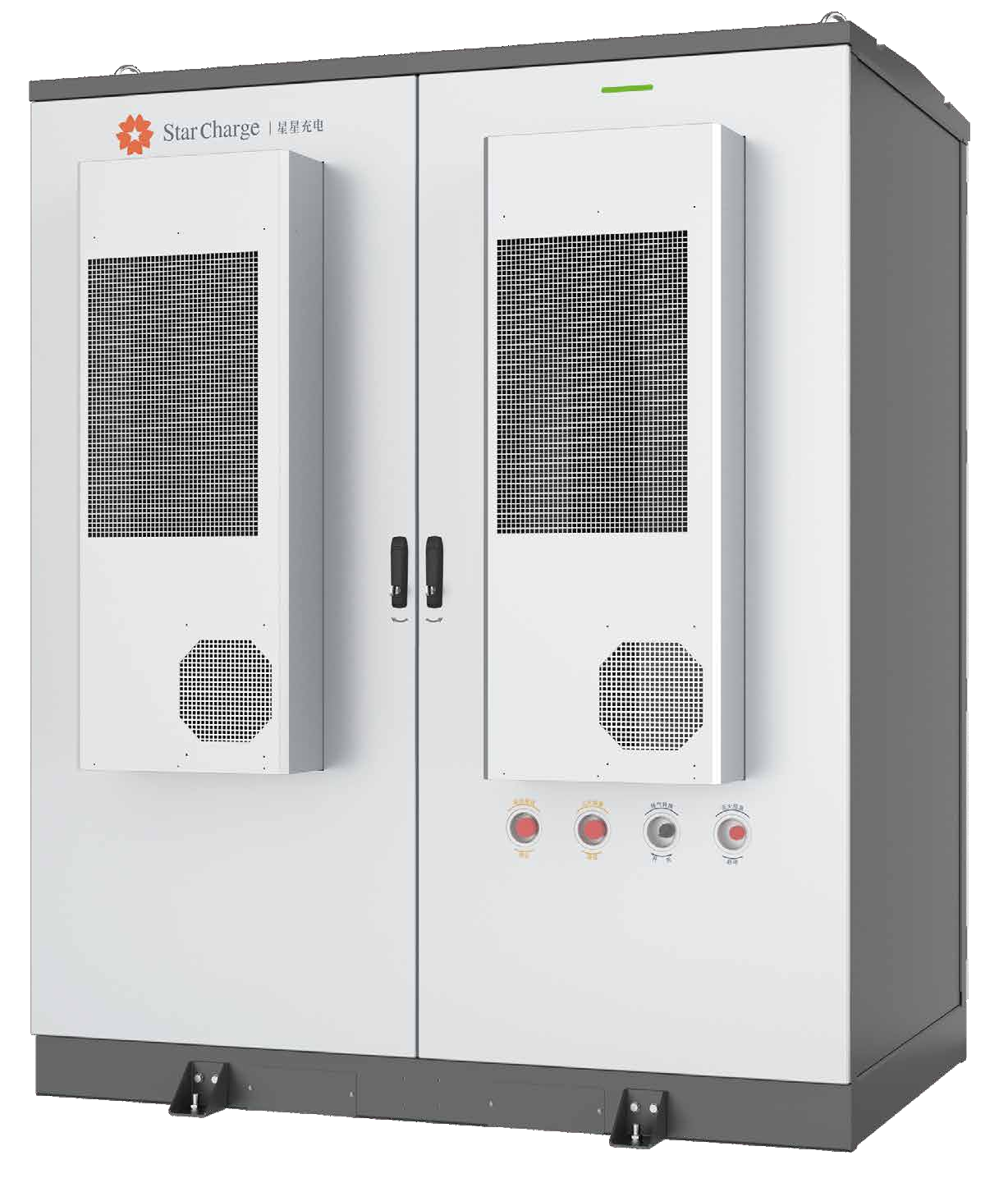
eBox-358 Commercial and Industrial Energy Storage System
Wanbang Digital Energy Co., Ltd.
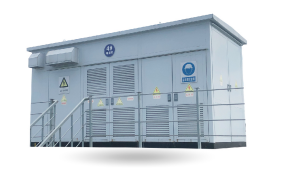
Smart Photovoltaic Prefabricated Substation
Shanghai Jinyou Jinhong Intelligent Electric Co., Ltd.
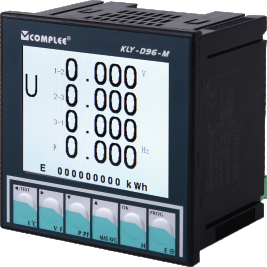
Digital Multifunctional Electrical Measuring Instrument
Shanghai Complee Instrument Co.,Ltd.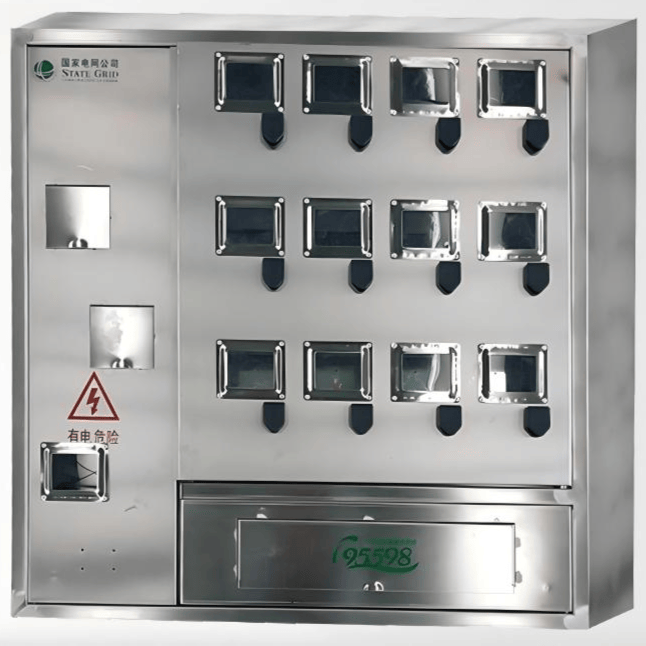
Low-Voltage Electric Energy Metering Box (Metal Stainless Steel)
Anhui Jinma Electric Technology Co., Ltd.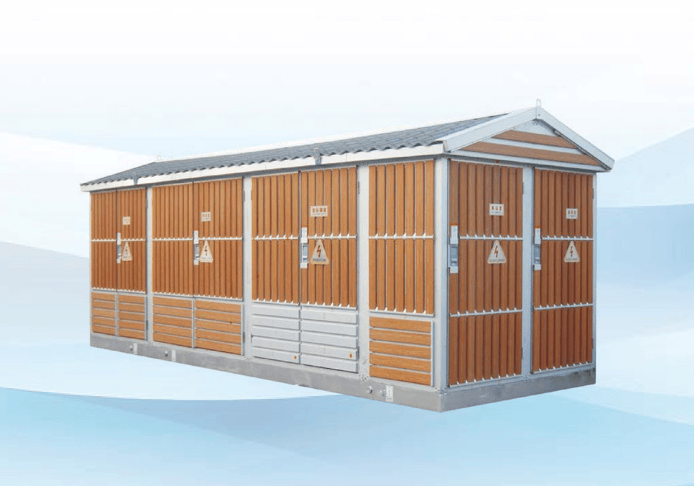
YB □ -12/0.4/1250 Outdoor Prefabricated Substation (European Style)
Shangrao Shangyu Intelligent Electric Co., Ltd.
Microcomputer Protection and Substation Automation
Beijing Agent Devote Power Technology Development Co., Ltd.