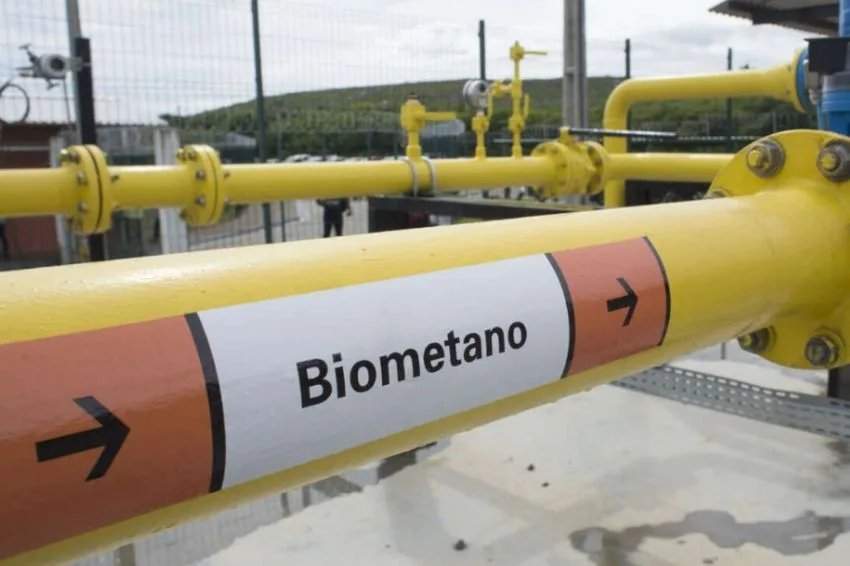
en.Wedoany.com Reported - On July 14, the first contract for commercial injection of biomethane into the natural gas pipeline network was signed in the state of Santa Catarina, southern Brazil, involving H2A Bioenergia, SCGÁS, and VOSSKO. This partnership marks a substantial step toward the large-scale supply of renewable fuel through the state's existing gas distribution infrastructure.
The agreement comes against a backdrop where Brazil's biomethane market remains far from fully activated. According to the Brazilian Association of Waste-to-Energy (ABREN), less than 2% of the country's current production potential has been utilized.
The fuel's feedstock comes from anaerobic biodigestion of waste from swine, cattle, poultry farming, and agro-industrial residues. After purification and quality control, biomethane matches fossil natural gas in technical characteristics. This compatibility allows the renewable fuel to be directly transported via existing pipeline networks and replace natural gas without modifying end-use equipment or industrial processes, thereby converting rural waste, which was once an environmental burden, into an energy resource.
Adilson Teixeira Lima, CEO of H2A Bioenergia, stated that the first injection of biomethane into the distribution network proves the fuel's commercial viability in Santa Catarina. Yuri Schmitke, President of ABREN, believes this contract could open doors for new projects in the state and predicted it would be the first sales agreement among many biomethane plants utilizing swine manure.
In Santa Catarina, the animal protein chain and agricultural activities generate large amounts of waste, giving biomethane production special value locally. The biodigestion process enables proper waste treatment while supporting decentralized renewable fuel production. Beyond industrial applications, biomethane is also seen as a viable path for decarbonizing heavy freight transport, gradually replacing diesel in truck fleets, especially in operational scenarios with fixed routes and existing refueling infrastructure. The process also produces biofertilizers with agronomic value that can be returned to farmland, thus completing a full waste utilization cycle: organic matter generates renewable fuel while providing byproducts suitable for agricultural and livestock production.