South Africa's Plentify and Deye Build 2.7 GWh Residential Virtual Power Plant
en.Wedoany.com Reported - July 13, 2026, South African energy technology company Plentify has been appointed as the exclusive virtual power plant (VPP) partner for residential solar inverter and battery manufacturer Deye, with plans to build Africa's largest residential virtual power plant.

The two companies define a VPP as a network of distributed energy resources, including residential batteries and electric water heaters, that operate as a single power plant through digital coordination. The goal of the VPP is to intelligently manage existing energy resources to support grid stability and improve renewable energy integration.
Through this partnership, 160,000 installed Deye residential batteries in South Africa will be intelligently coordinated via Plentify's VPP platform, forming an aggregated distributed energy resource with a total controllable capacity of approximately 2.7 GWh.
Plentify and Deye stated that globally, VPPs are being viewed as a cost-effective alternative to building new grid infrastructure.
Colin Chang, Director of Deye Cloud, said that South Africa holds an irreplaceable core strategic position in Deye's global layout, with its unique market characteristics and transformation potential making it a key benchmark market for business innovation and expansion. Over the past five years, Deye has established one of the largest residential energy storage footprints in South Africa, creating the scale needed to support a national-level virtual power plant.
Deye has deployed VPP projects in mature energy markets such as Australia and France. These deployments have provided operational experience in coordinating distributed residential batteries at scale, and Deye aims to bring this expertise to South Africa through its partnership with Plentify. Deye believes success depends on combining proven global technology with deep local market expertise. Plentify is a recognized leader in South Africa's residential VPP space, and its understanding of the local energy system, experience working with utilities and municipalities, and residential VPP capabilities make it the partner to help unlock the full value of the installed base.
Jon Kornik, CEO and co-founder of Plentify, noted that South Africa's energy transition is unique, driven primarily by extreme load shedding. The result is that over 90% of solar systems are equipped with batteries—a high proportion globally—but batteries remain idle for most of the day, especially now that load shedding has eased.
With approximately 2.7 GWh of existing battery capacity, this partnership is nearly double the capacity of Eskom's current 1.4 GWh battery energy storage program, a multi-billion rand, multi-year infrastructure investment. This demonstrates how distributed energy resources can complement traditional infrastructure investments by rapidly unlocking value at scale from existing assets.
The partnership also enables Deye to promote Plentify's HotBot smart water heater controller to South African customers.
Chang concluded that the collaboration with Plentify goes far beyond technical integration; it showcases how hardware, software, and smart energy services can work together to build a more resilient, decentralized power system while creating long-term value for customers.
Related Products


714CD Series C-Band Weather Radar
Chengdu Zhongdian Jinjiang Information Industry Co., Ltd.
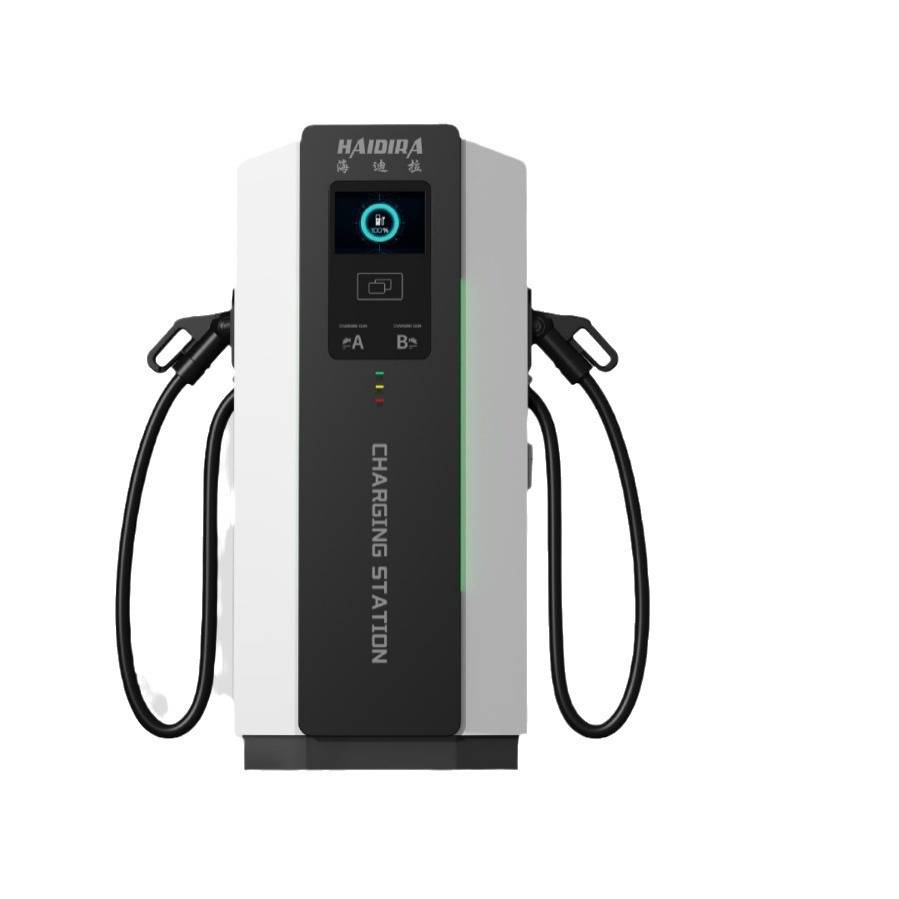
Manufacturer Direct Sales Tesla New Energy Electric Vehicle Universal DC 180kW Dual-gun Charging Pile Commercial Fast Charger
Anhui Haidira Electric Technology Co., Ltd.
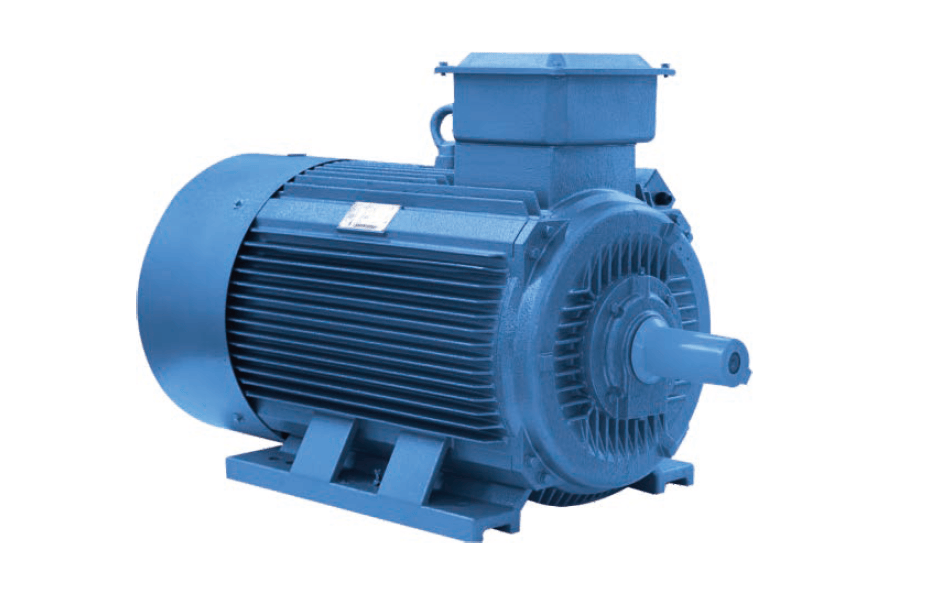
TYC Series High-Efficiency Permanent Magnet Synchronous Motor
Xiangdian Smart Energy Technology Co., Ltd.
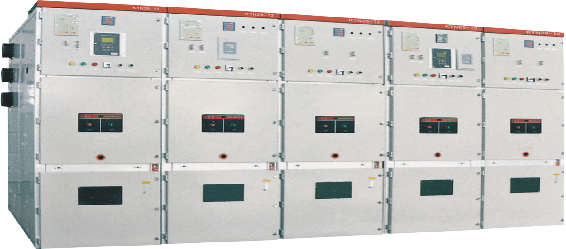
KYN28-12/24 Indoor High-Voltage Metal-Clad Removable Switchgear
Shenzhen Zhaoyang Hui Technology Co., Ltd.