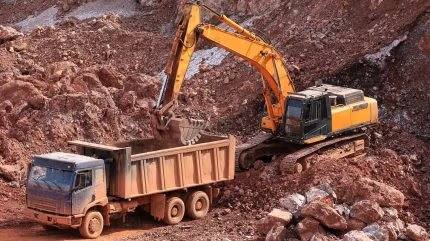
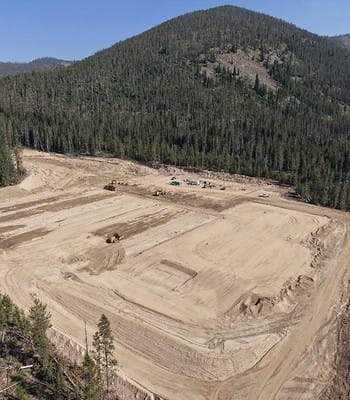
Gunnison Copper's Johnson Camp Mine in the US Commences Production, with an Annual Capacity of 25 Million Pounds of Copper Cathode
en.Wedoany.com Reported - Gunnison Copper's Johnson Camp Mine, located in Cochise County, southern Arizona, USA, has officially commenced production, making it one of the newest copper producers in the country. Developed in partnership with Rio Tinto's Nuton sulfide leaching division, the mine achieved first production just 18 months after the final investment decision. In a recent interview, the company's new CEO, Craig Hallworth (promoted from CFO following the retirement of his predecessor Stephen), discussed the company's balance sheet repair, capacity ramp-up at Johnson Camp, and the development path for the flagship Gunnison Copper project. Management stated that this large oxide deposit could ultimately supply approximately 10% of current US refined copper production.
On the financial front, the company has cleared $15 million in secured debt inherited from its predecessor, Excelsior Mining, which originated from an early in-situ leaching operation forced to close in 2022, and was fully repaid in January 2026. Convertible bonds held by strategic partners, including private equity firm Greenstone, were recently settled in cash at a 54.4% discount to the company's most recent equity financing valuation. Hallworth estimates this outcome added nearly $5 million in value for shareholders. The company's market capitalization has grown from $30 million to over $200 million in two years, average daily trading volume has increased from approximately 50,000 shares to 3 million shares, and institutional ownership has risen from zero to approximately 60% of the shareholder base, distributed across 40 to 50 different institutions. A C$34.5 million bought deal (with an order book reaching C$51 million against a target of C$30 million) is currently funding the drilling program. Management stated they intentionally raised less than investor demand would have allowed to protect existing shareholders from unnecessary dilution.
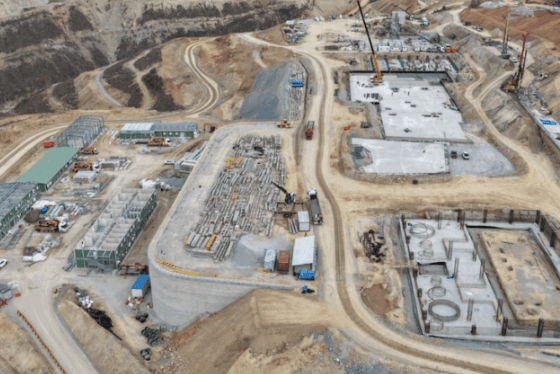
The Johnson Camp Mine has an annual capacity of up to 25 million pounds of finished copper cathode. Production from run-of-mine oxide material began in August 2025, with first sales in September. Nuton's sulfide leaching technology came online in December 2025, a process that avoids shipping concentrate overseas for processing. Currently, the copper produced at the mine is being sold to Amazon Web Services for use in US data centers. Johnson Camp is the only copper project to receive an allocation from the US Department of Energy's Section 48C Advanced Energy Project Tax Credit program in 2025, valued at $13.9 million. On July 9, 2026, the company submitted certification documents to the Department of Energy, a step toward realizing the tax credit rather than final approval. The Department of Energy still needs to approve the certification before allocating the tax credit, and the actual amount received will depend on the allocation agreement with Nuton. The company has also submitted an application to the Arizona Commerce Authority seeking state-level non-dilutive funding related to approximately 80 jobs created at Johnson Camp, with the specific amount still under audit.
The flagship Gunnison project is significantly larger than Johnson Camp. A March 2026 economic study showed a post-tax project value of $1.96 billion at a copper price of $4.60 per pound, an expected annual return of 22.5%, a payback period of 3.9 years, and a mine life of 21 years. Total copper recovery over the mine life is estimated at 3.2 billion pounds, which could supply 10% of current US refined copper production. Initial construction costs, including an on-site sulfuric acid plant, are estimated at $1.56 billion. Most of the improvement stems from the nearby Strong & Harris satellite deposit, which added 263 million pounds of copper resources, combined with mining design changes that increased total recoverable copper from 2.7 billion pounds to 3.2 billion pounds. Gunnison is currently trading at approximately 0.19 times its net asset value, compared to an industry peer average of nearly 0.88 times and recent acquisition prices above 1.15 times. The company's own comparison is Arizona Sonoran, whose Cactus project achieved a tenfold return over two years by allocating private equity ownership blocks to institutional investors before its sale to Hudbay.
Regarding sulfuric acid supply, the company plans to build a dedicated on-site acid plant with a budget of $300 million, citing the need to ensure domestic supply security. Sulfuric acid is a key raw material for the leaching process, and the global sulfuric acid supply chain is already under pressure. Gunnison plans to purchase sulfur (a byproduct of US and Canadian oil and gas production) and convert it into acid on site. Purchasing one ton of sulfur yields three tons of acid, which saves significant freight costs. The plan will also generate excess acid supply that can be sold to third parties. Hallworth noted that federal officials are particularly interested in the project because acid shortages affect not only copper producers but also lithium production and defense sector applications more broadly.
On the permitting front, both the Johnson Camp and Gunnison mine sites are previously operated mines with existing major permits. The company only needs to modify existing permits rather than submit entirely new applications. For Johnson Camp, permit revisions were completed in under 12 months with no litigation. The site is located in Cochise County, which has a small, business-friendly government, no major population centers nearby, and a long operating history dating back to the 1970s—all factors the company believes reduce the likelihood of third-party litigation. Management plans to complete a revised mine site reclamation plan by the end of 2026.
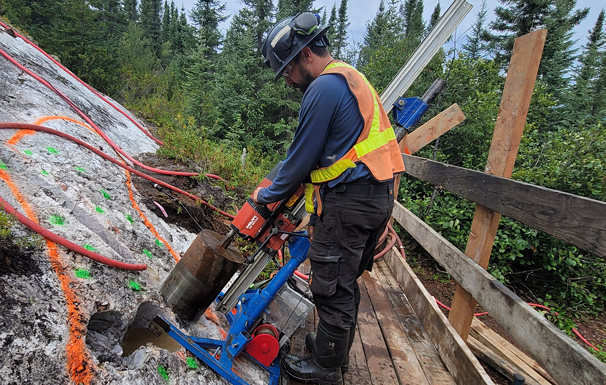
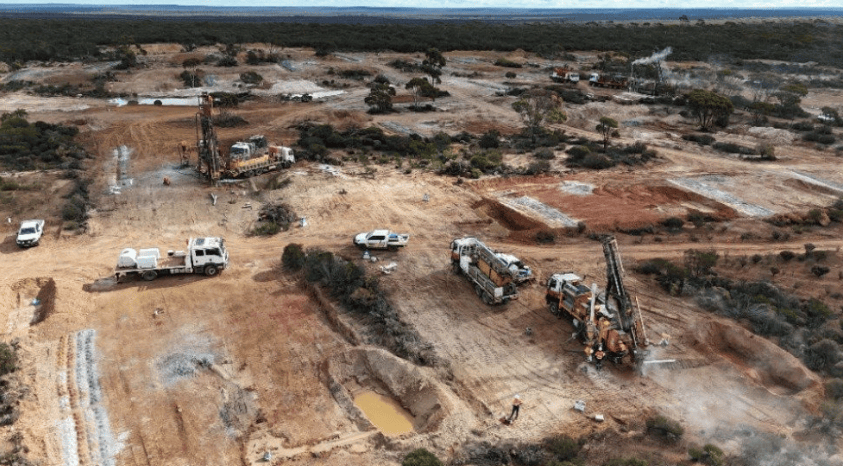
A district-wide drilling program covering 120 holes with a total footage of 138,000 feet is underway, funded by the recent bought deal. Up to 270 column leach tests are planned over the next 12 months, more than ten times the approximately 25 tests on which the current economic study is based. On the resource side, up to 84 holes are targeting an increase of 1.2 billion pounds of copper in the resource base. Management believes a strategic partnership is the most likely near-term stock price catalyst, rather than an outright sale. The clear preference is for a partnership involving a capital-adequate, Arizona-focused mid-tier producer investing approximately 10%, or Japanese or Korean investors. None of these discussions have resulted in a signed agreement. Management also noted potential non-dilutive government funding, including over $250 billion in loan authority from the Department of Energy and over $100 billion from the Strategic Capital Office of the Department of War, both still expectations rather than secured commitments.
Related Products
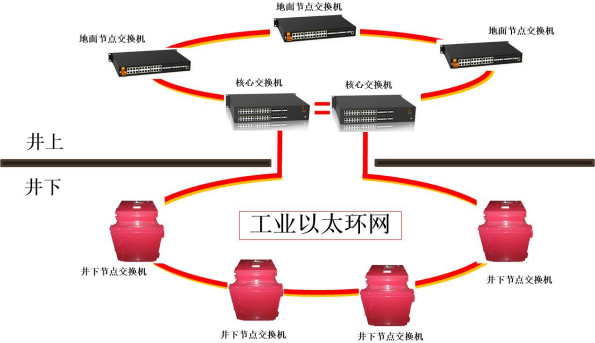

Mine Explosion-proof and Intrinsically Safe Industrial Ethernet Ring Network (10 Gigabit/Gigabit)
Chongqing Mas Sci&Tech Co., Ltd.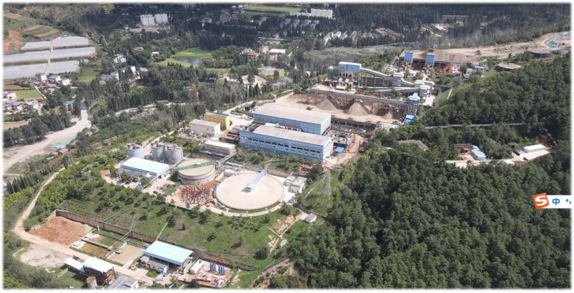
Yunnan Phosphorus Chemical Group Co., Ltd. 2 Million t/a Phosphorus Ore Mining and Beneficiation Project
China Bluestar Lehigh Engineering Corporation
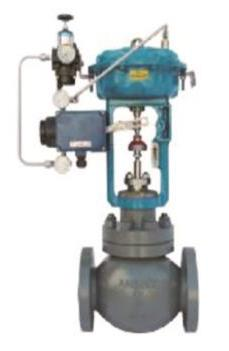
Quick-Change Single-Seat Control Valve / Quick-Change High-Pressure Single-Seat Control Valve
Beijing Consen Automation Technology Co., Ltd.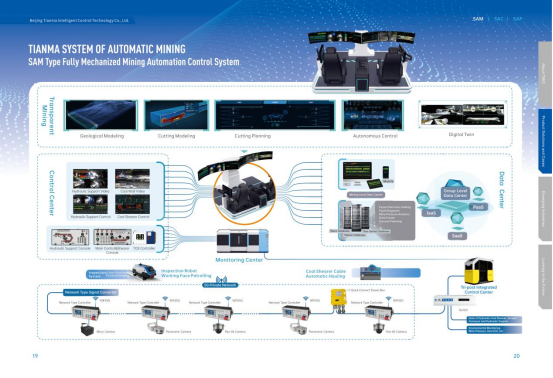
Comprehensive Mining Automation Control System
Beijing Tianma Intelligent Control Technology Co., Ltd.
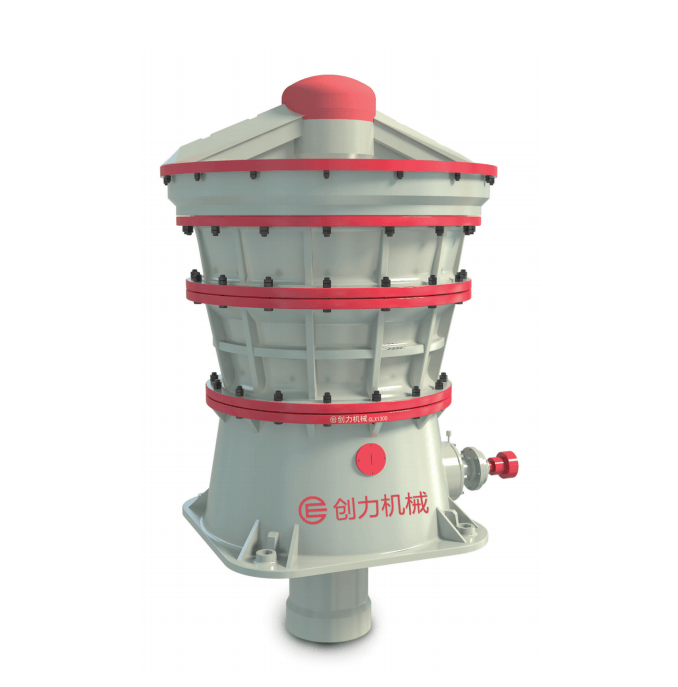
CLX Series Intelligent Hydraulic Gyratory Crusher
Guangdong CHUANGLI intelligent machinery Equipment Co., LTD
New Environmentally Friendly Green Potassium Salt Collector
Chonfar Engineering and Technology Co., Ltd.