STS Joint Venture and TotalEnergies Evaluate Wind-Assisted Towing for FPSO in Suriname
en.Wedoany.com Reported - The STS Joint Venture (STS JV), a partnership between SBM Offshore and Technip Energies, has signed an agreement with TotalEnergies EP Surinam to develop, install, test, and operate a Wind-Assisted Towing System (WATS) on the GranMorgu Floating Production Storage and Offloading (FPSO) vessel.
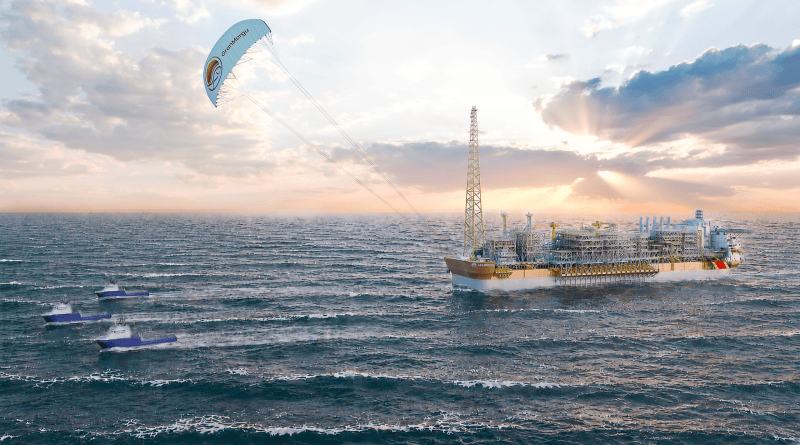
The project is conducted in collaboration with the French company Beyond the Sea, which specializes in innovative kite-towing solutions, offering efficient and scalable alternatives to conventional propulsion for various vessels. The primary objective is to reduce towing duration and fuel consumption during the FPSO's voyage from its construction site in China to its final destination in Suriname by implementing a kite-towing system, while also serving as a case study to validate this technology for large vessels.
Laurent Le Touze, Group Technology & Product Development Director at SBM Offshore, stated that the collaboration with TotalEnergies and Beyond the Sea aims to assess how wind-assisted propulsion can deliver low-carbon, more energy-efficient offshore logistics for the GranMorgu project and support the development of innovative maritime solutions with greater decarbonization potential. Decarbonization is one of the company's strategic priorities, and it looks forward to evaluating new opportunities in this field in the future.
Frédéric Beys, GranMorgu Project Director at TotalEnergies, noted that improving energy efficiency is a continuous driver for the company's development, and the solution provided by Beyond the Sea aligns perfectly with this goal. TotalEnergies is proud to support the challenge of promoting the Seakite system during the towing phase of the GranMorgu project, believing this initiative will represent a significant step forward, paving the way for innovative wind-assisted propulsion solutions in maritime transport.
The project will utilize Beyond the Sea's SeaKite 2400 system, which can provide automated towing throughout the voyage depending on wind conditions. The project adopts a phased research and development approach, covering technology development and certification, cost and operational readiness, as well as an intensive onshore testing program prior to integration on the FPSO in China. Progression to subsequent phases depends on meeting predefined technical and safety standards. Other key objectives include validating the launch and recovery system for the kite wing and collecting data through digital modeling to optimize system sizing.
Given its innovative nature and application to a complex offshore development project, this initiative represents a pioneering use of kite towing on an FPSO, requiring close coordination among all stakeholders and a highly targeted risk management approach due to the vessel's characteristics.
Related Products
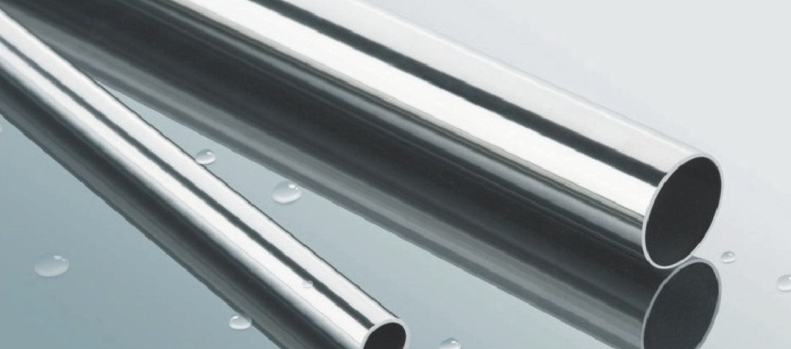

ERW Welded Pipe (Black Pipe and Hot-dip Galvanized Steel Pipe)
Handan Zhengda Steel Pipe Co., Ltd.
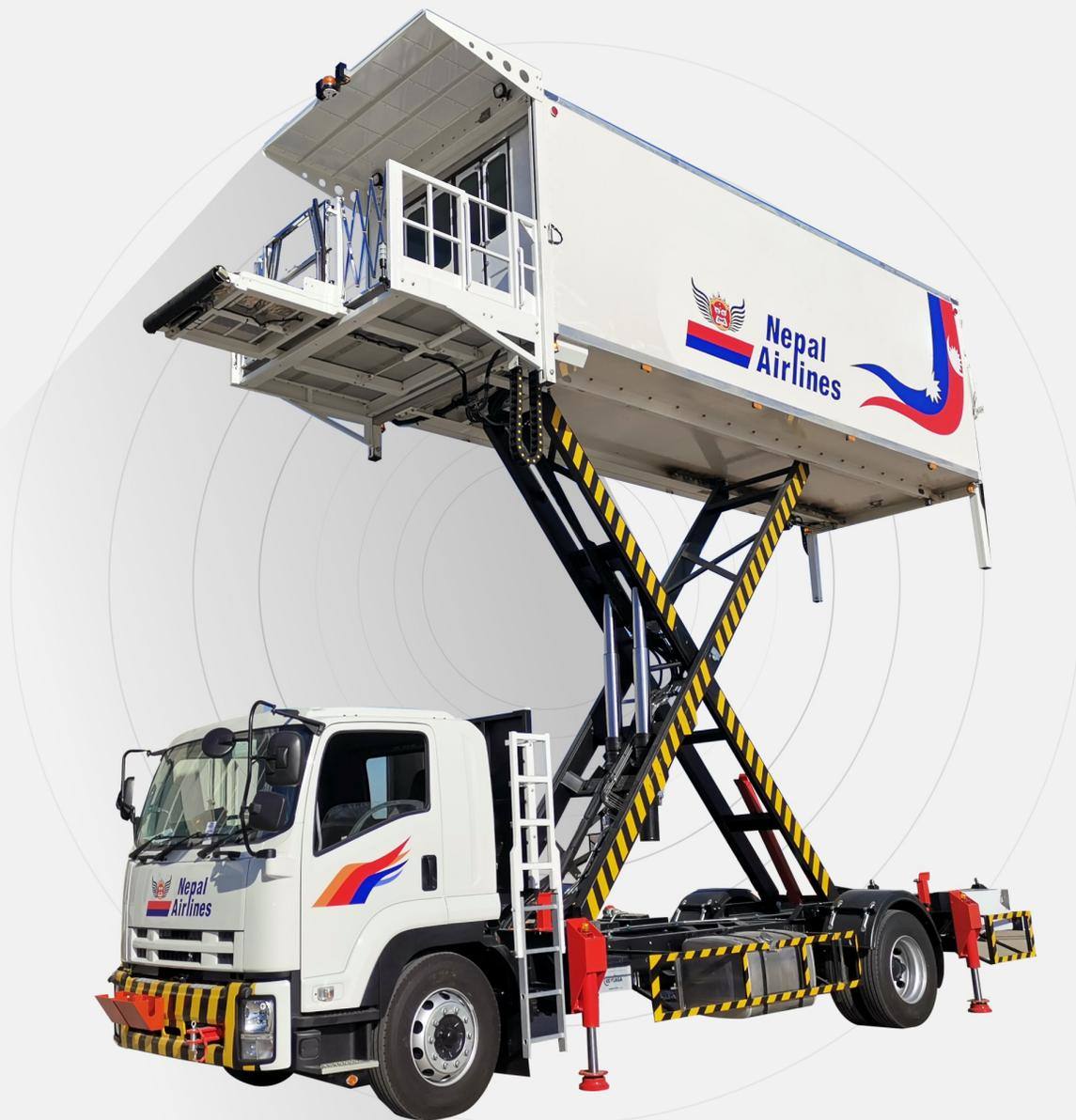
XC-6000e Type Aviation Catering Truck (Fuel Type)
Shenzhen CIMC-TianDa Airport Support Ltd.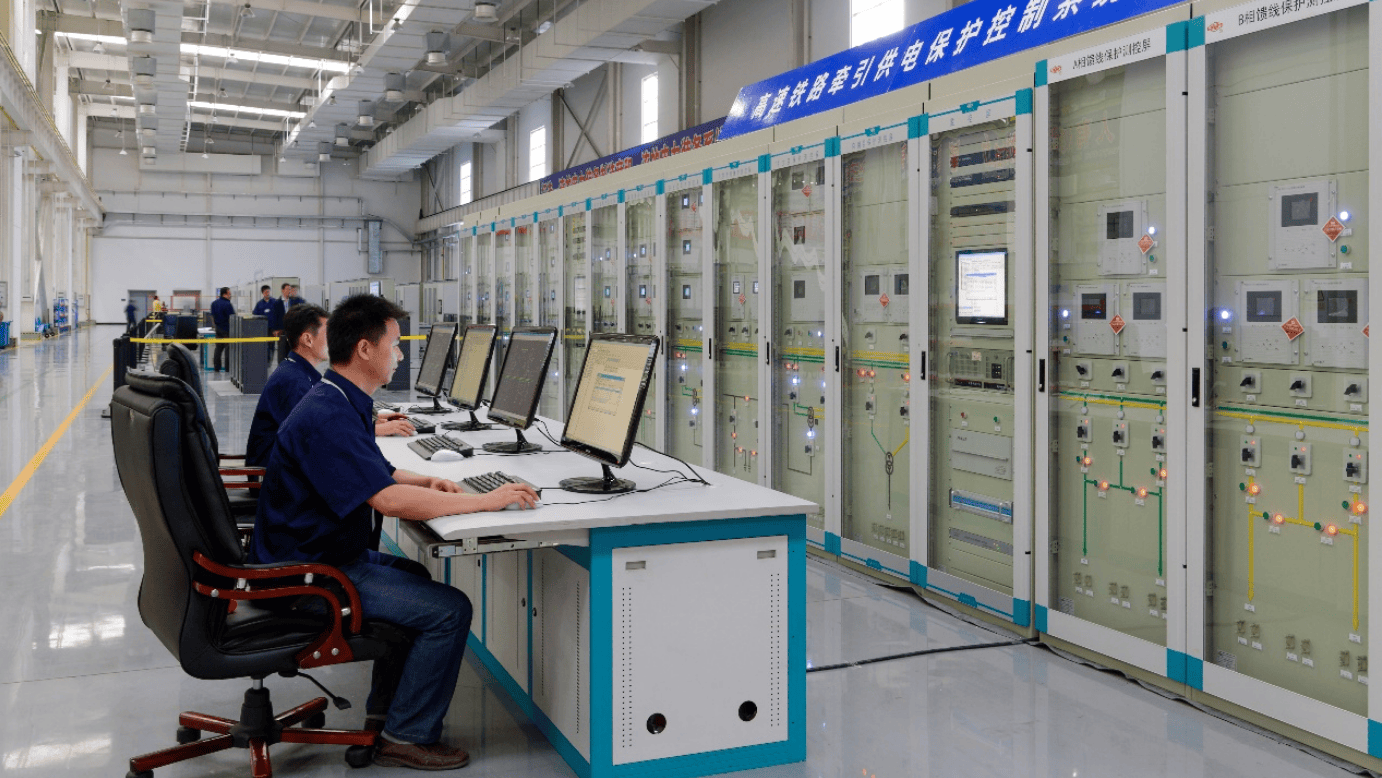


Pantograph-Catenary Comprehensive Detection Device (1C)
CHENGDU TANGYUAN ELECTRIC CO., LTD.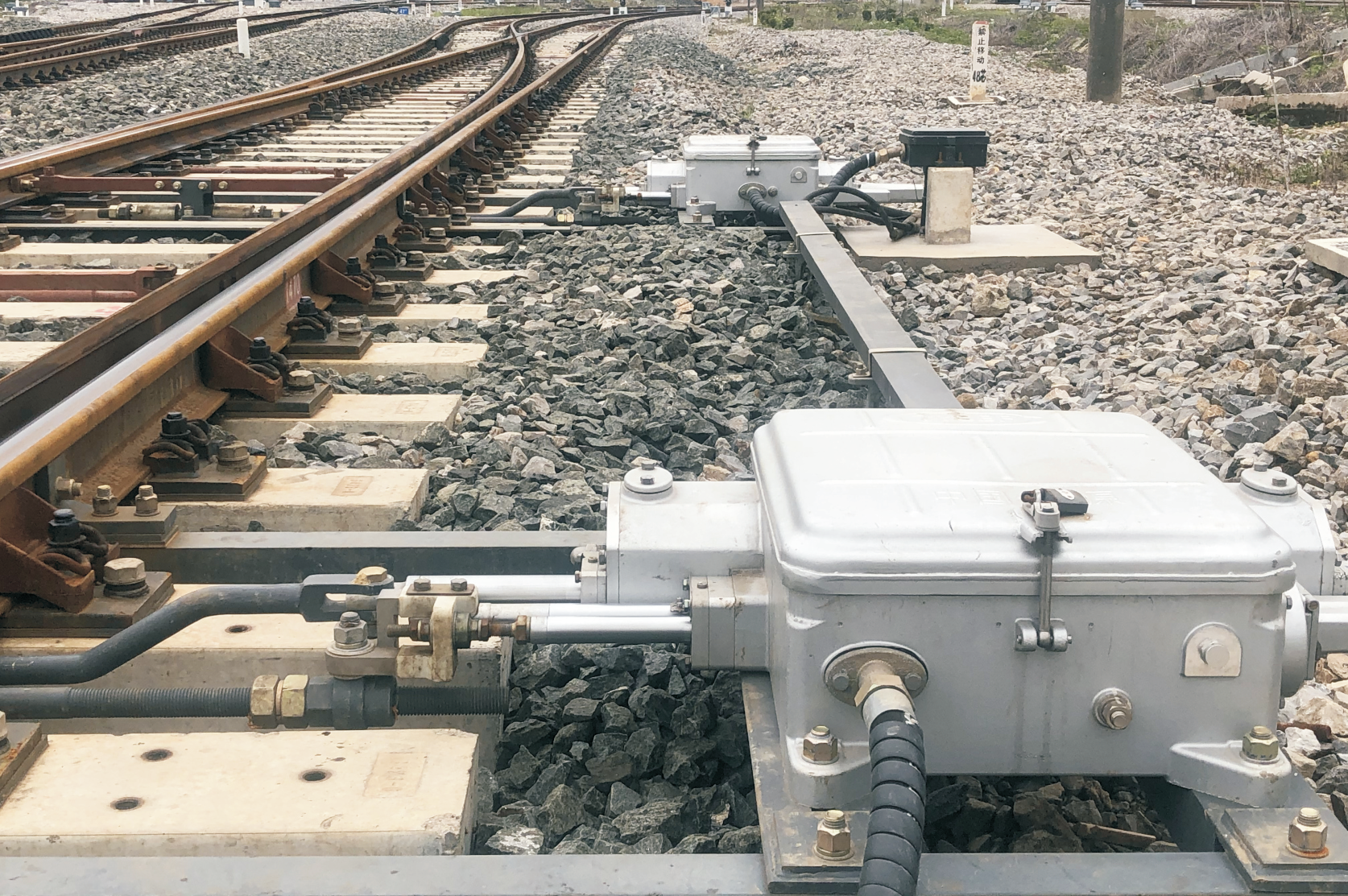
ZY(J)7(M) Sealed Type Electro-Hydraulic Turnout Machine
TAIYUAN CR JINGFENG EQUIPMENT TECHNOLOGY CO., LTD.