BASF Q2 2026 Revenue of €17.2 Billion Exceeds Expectations
en.Wedoany.com Reported - BASF announced preliminary results for the second quarter of 2026, with sales reaching €17.2 billion, a 16% increase compared to €14.8 billion in the same period of 2025. This growth was primarily driven by an 11% increase in prices and a 7% increase in volumes, partially offset by a 1% negative impact each from currency effects and portfolio effects. The result exceeded the average analyst consensus of €16.5 billion compiled by Vara Research.
EBITDA before special items for the BASF Group in the second quarter of 2026 is expected to be €2.4 billion, significantly higher than the analyst consensus of €2.1 billion and the €1.6 billion reported in the same quarter of the previous year. This substantial year-on-year increase was mainly driven by profit improvements in all segments except Surface Technologies. EBITDA before special items in the Materials, Industrial Solutions, and Agricultural Solutions segments significantly exceeded the average analyst expectations, while the Nutrition & Care segment slightly exceeded expectations. The Chemicals and Surface Technologies segments, however, were significantly below the average consensus.
Group EBITDA for the quarter is expected to be €2.0 billion, in line with the average analyst estimate and significantly higher than the €1.3 billion reported in the prior-year quarter. Special items within EBITDA primarily relate to transformation costs, specifically expenses incurred from the ongoing cost savings program and the implementation of a new ERP system.
EBIT before special items for the BASF Group in the second quarter of 2026 is expected to be €1.5 billion, significantly higher than the analyst consensus of €1.1 billion and the €0.7 billion reported in the same quarter of the previous year.
Net income is expected to be €4.1 billion, significantly exceeding the average analyst estimate of €2.4 billion and far surpassing the €79 million reported in the prior-year quarter. This increase is primarily attributable to the closing of the coatings transaction with Carlyle on June 30, 2026, which generated a pre-tax disposal gain of €3.9 billion. The expected tax expense related to this transaction is in the mid-triple-digit million euro range.
Free cash flow for the BASF Group in the second quarter of 2026 is expected to be negative €0.2 billion, compared to positive €0.5 billion in the same period of 2025. This is mainly due to higher capital employed resulting from increased raw material prices. This figure is based on expected cash flows from operating activities of €0.5 billion (Q2 2025: €1.6 billion) minus expected payments for property, plant, equipment, and intangible assets of €0.7 billion (Q2 2025: €1.1 billion).
Based on business development exceeding expectations, BASF has raised its full-year 2026 outlook for EBITDA before special items. The company now expects EBITDA before special items for 2026 to be between €6.9 billion and €7.7 billion, compared to the previous forecast of €6.2 billion to €7.0 billion. The 2026 analyst consensus stands at €7.3 billion; the full-year 2025 figure was €6.6 billion. Due to ongoing geopolitical uncertainties, the forecast profit range remains unchanged. Regarding free cash flow, BASF still expects it to be between €1.5 billion and €2.3 billion for 2026, with an average analyst estimate of €2.3 billion, compared to €1.3 billion for the full year 2025. This is partly due to increased capital employed resulting from higher raw material prices.
This outlook is based on adjusted assumptions for the global economic environment in 2026: GDP growth of 2.5% (previously 2.7%), industrial production growth of 2.0% (previously 2.3%), chemical production growth of 1.8% (previously 2.4%), an average euro/US dollar exchange rate of €1 to $1.17 (previously $1.20), and an average annual Brent crude oil price of $80 per barrel (previously $65).
The development of the global economy and regional chemical markets in the second half of 2026 remains highly uncertain. This depends significantly on the outcome of negotiations between the United States and Iran, particularly concerning access to and the use of energy and petrochemical raw materials transported via the Strait of Hormuz from the Middle East. A prolonged closure of this trade route would severely dampen economic activity, whereas a swift agreement on a reliable framework arrangement could provide additional impetus for economic growth.
An overview of analyst expectations compiled by Vara Research on behalf of BASF on a monthly basis is available at www.basf.com/analysts-estimates. BASF will publish its half-year financial report for 2026 on July 29, 2026, at 7:00 a.m. CEST, followed by a conference call with analysts and investors at 8:30 a.m., and a press conference to explain the figures at 10:30 a.m.
Related Products


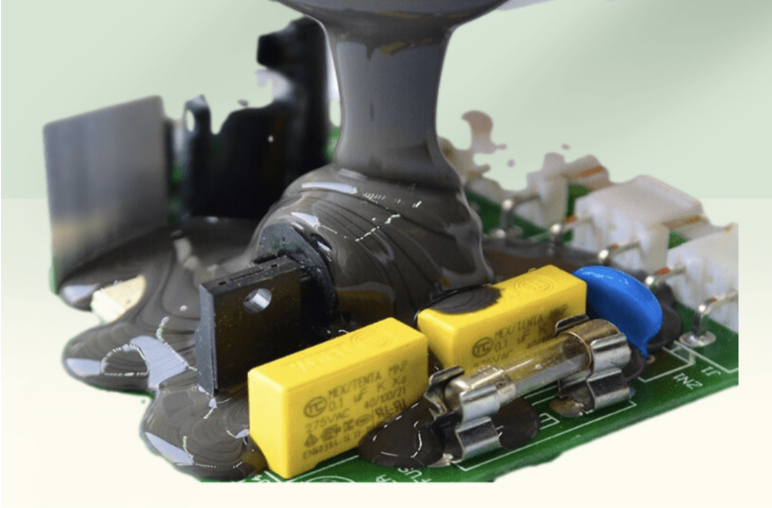
High Thermal Conductivity Encapsulating Resin
Nantong BESALL Sealing Technology Company.,Limited

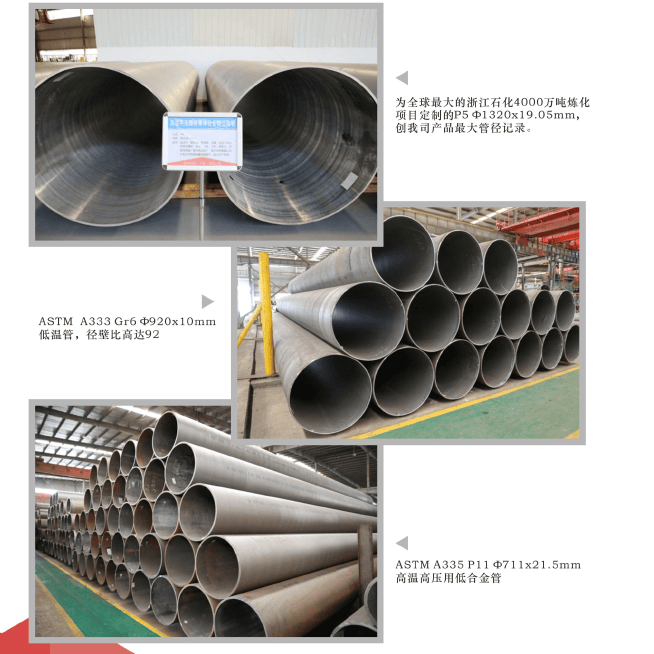


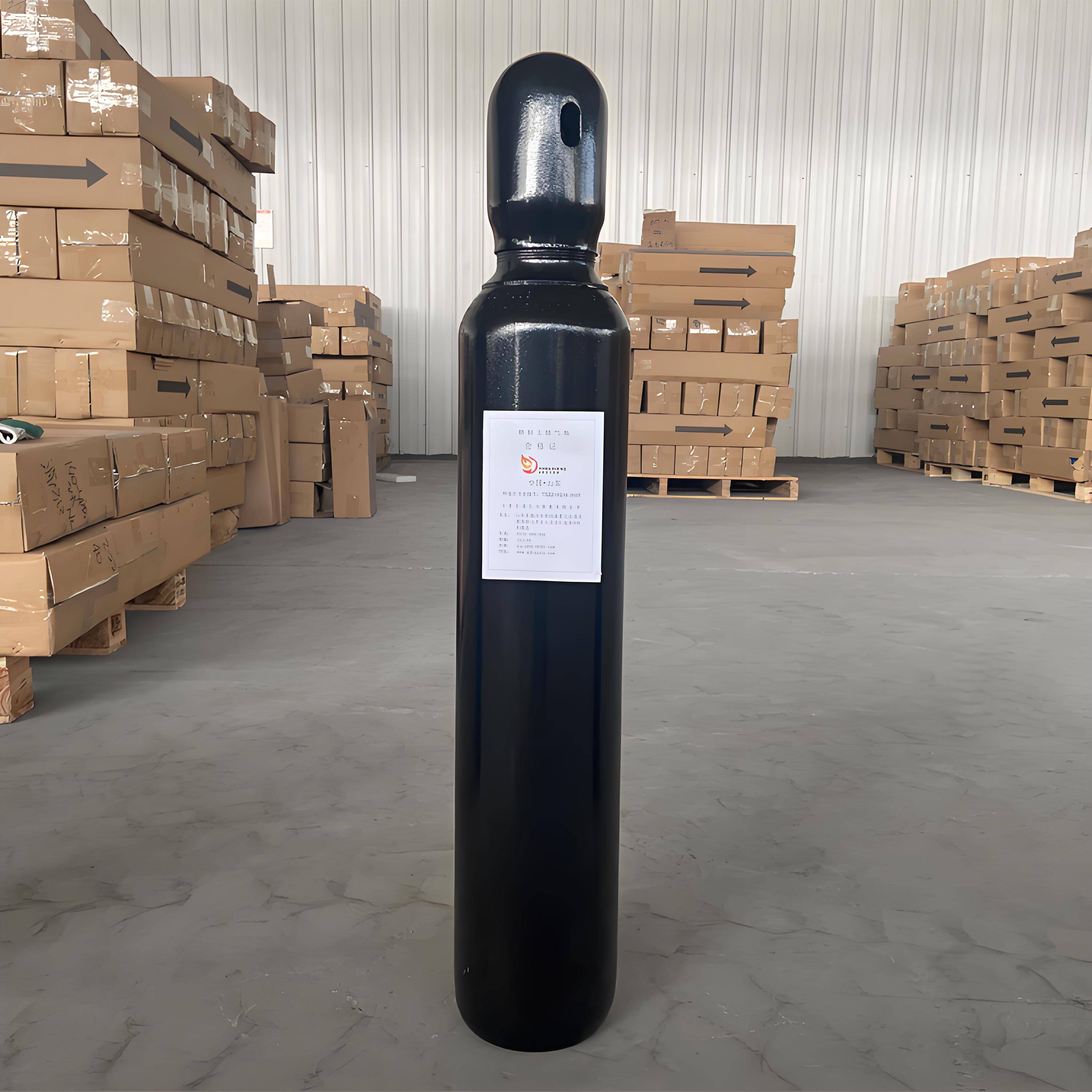
Nitrogen Export, Nitrogen Manufacturer, High-purity Nitrogen Supplier
Foshan Yuexin Industrial Gas Co., Ltd.

PVC Impact-Modified Chlorinated Polyethylene
Gansu Jinchuan Hengxin Polymer Technology Co., Ltd.