Olin and Huntsman Merge to Form Company with €11 Billion Annual Revenue, Expected to Close in 2027
en.Wedoany.com Reported - U.S. chemical companies Olin and Huntsman have announced a merger, planning to create a new company, Olin Huntsman, through an all-stock transaction, with an annual revenue of approximately €11 billion. The deal is subject to shareholder and regulatory approvals and is expected to close in the first half of 2027.
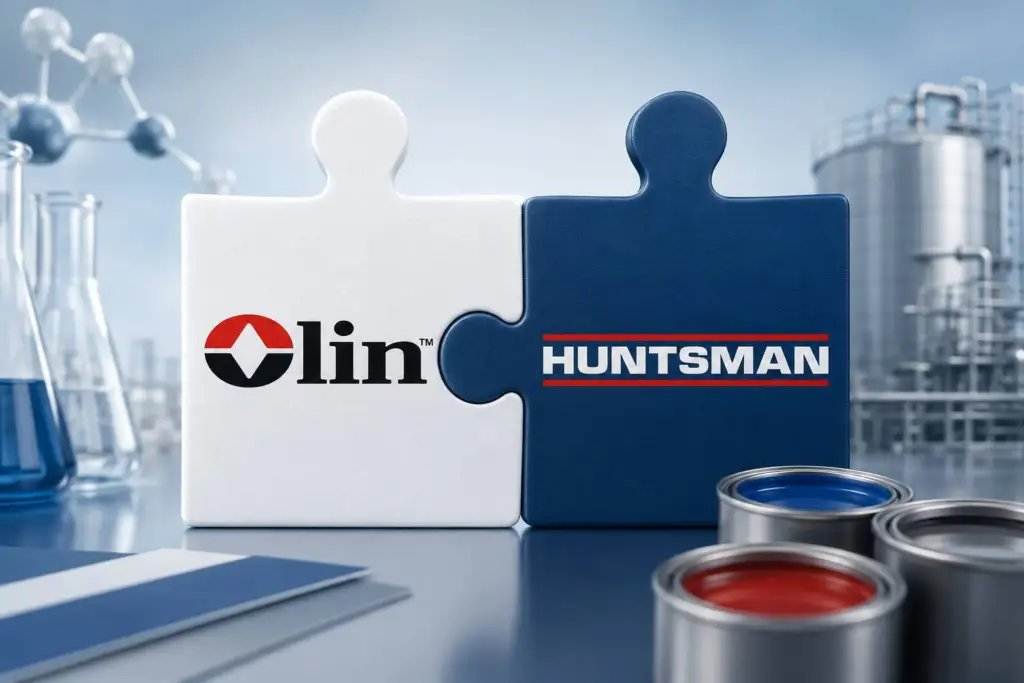
The strategic logic behind this merger is to create a more vertically integrated company, linking Olin's upstream production of chlorine, caustic soda, and other key raw materials with Huntsman's downstream portfolio of advanced materials and specialty formulations. The two companies expect to achieve annual cost synergies of approximately €370 million within three years through raw material optimization, operational efficiency improvements, and administrative cost reductions.
For the coatings industry, this merger brings together key suppliers of epoxy resins, polyurethane materials, and other specialty chemicals that play a central role in industrial, automotive, and architectural coatings. The companies state the transaction will enhance resilience and competitiveness, but the market is also focused on its impact on supplier diversity, innovation, pricing, and the long-term competitive landscape.
Daniel S. Murad, Chairman of The ChemQuest Group, believes the immediate market reaction may stem more from concerns over supplier concentration than the benefits of vertical integration. He notes that customers with dual supply sources will become single-sourced, and when Hexion nearly merged with Huntsman years ago, customers rushed to qualify new suppliers, causing Hexion to cede market share to companies like Dow. He expects a similar scenario to unfold, prompting Huntsman/Olin customers to approve new sources, with Aditya Birla being more aggressive than Westlake in pursuing new business.
Doug Bohn, Director at Orr & Boss Consulting, also emphasized the industrial logic behind the merger, particularly in epoxy resins and related coatings raw materials. He points out that Olin has a massive chlorine and caustic soda business along with other chemical segments that can integrate with Huntsman's downstream operations, which theoretically will lower costs and improve supply stability and security for products purchased by the European and global coatings industry, such as epoxy resins, MDI, and various amine-based products.
Specifically for Europe, Bohn believes the merger's success ultimately depends on both strategy and execution. The new company has the potential to become a stronger, more cost-effective supplier in the epoxy resin business. If it can achieve its target cost savings synergies without compromising its ability to innovate and serve customers, it should be able to grow at a rate above the market average, offering European customers better quality and more cost-effective products.
Over the past few years, the coatings supply chain has experienced unprecedented volatility. Manufacturers have faced fluctuating raw material costs, supply chain disruptions, geopolitical tensions, and trade policy changes, making supply security and cost management top priorities across the industry. Murad is skeptical that larger, more integrated suppliers can stabilize the market, arguing that if Olin were acquiring a similar upstream raw material competitor, it would have a stabilizing effect given the severe global overcapacity in raw materials and the geopolitical climate.
Regarding the impact of trade policy, neither expert believes tariffs alone will determine the merger's success. Murad believes tariffs will alter competitive dynamics, but China still holds the upper hand. Doug Bohn expects the new company's regional footprint to limit the direct impact of tariffs on its overall business. The new company will be U.S.-headquartered, with 56% of revenue from the U.S. and Canada, so this portion is likely unaffected by tariffs and trade policies. Post-merger, the company's revenue from Europe accounts for 17%, most of which is produced locally in Europe, thus limiting the impact. The new company generates 18% of its revenue in the Asia-Pacific region and 9% in other regions, which may be somewhat affected by tariffs, but overall the impact is limited.
Beyond the direct impact, this merger also highlights the ongoing consolidation trend in the chemical industry. Murad believes the Olin-Huntsman deal is unlikely to be an isolated event. Slowing global economic demand and widespread overcapacity, particularly the massive capacity in China, are leading companies to evaluate asset ownership, determine which assets are strategically core, harvest or divest non-core assets, and deploy cash for core investments.
Murad expects the new company to generate significant value from procurement, manufacturing, and organizational efficiencies, while warning that reduced competition could ultimately affect pricing. He anticipates substantial value will come from raw material savings, selling, general and administrative expenses, operational efficiencies, and pricing. With fewer competitors, pricing may increase, especially under anti-dumping regulations targeting Chinese companies.
Translating strategic ambition into measurable results depends on the successful integration of the two businesses. Doug Bohn believes achieving planned synergies while maintaining innovation and customer service will ultimately determine whether the merger creates lasting value. The company needs to meet its cost-saving targets—$300 million in cost savings within three years and $400 million within five years—while continuing to develop new products and serve customers. The new company will be larger with stronger financial strength, enabling it to compete with other global chemical companies. If it achieves this and avoids integration risks, it should be able to increase market share, and sales revenue growth exceeding market growth would be one indicator of success.
Bohn warns that integrating two companies of this scale is unlikely to be smooth sailing. A key execution risk is that achieving cost savings from operational and asset footprint optimization will require plant closures. Transferring production between plants can lead to unforeseen technical and operational challenges. Since no two plants are identical, this often triggers unexpected issues in terms of cost, production quality, and consistency.
Integrating business processes is another hurdle. The planned $150 million in savings from selling, general, and administrative expenses means the sales and administrative functions of both companies need to be merged and streamlined, which is no easy task. Different ERP systems and ways of doing business need to be integrated, often leading to additional costs as one company may need to transition from one ERP setup to another, and employees need training and adaptation to new business methods, potentially causing the company to spend more cost and time to achieve expected benefits.
Beyond the operational level, Bohn believes management's focus during the integration process is critical. The complexity of integrating two large companies can be challenging, with the main risk being that integration takes longer than expected and fails to achieve target benefits. Company management may become distracted during the integration period, unable to focus on developing new products for customers and improving internal operations, instead being fully absorbed in integration, thereby falling behind competitors.
This is also one of the challenges Murad believes the coatings industry may face. He argues that increased market concentration could slow the pace of innovation. In highly concentrated markets, the precedent is to reduce innovation to mitigate the risk of existing market share being replaced. Murad also believes customers will seek to diversify their supply base in response to the merger, and those customers who become single-sourced as a result will immediately begin qualifying new sources as a safeguard for supply continuity.
Related Products

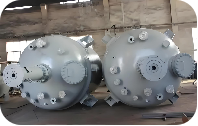
Steel Plates for Chemical Pressure Equipment
Gansu JISCO Group Hongxing Iron and Steel Co., Ltd.

CAP1400 main feedwater flow nozzle flowmeter.
Jiangsu Hongda Instrument Technology Co., LTD.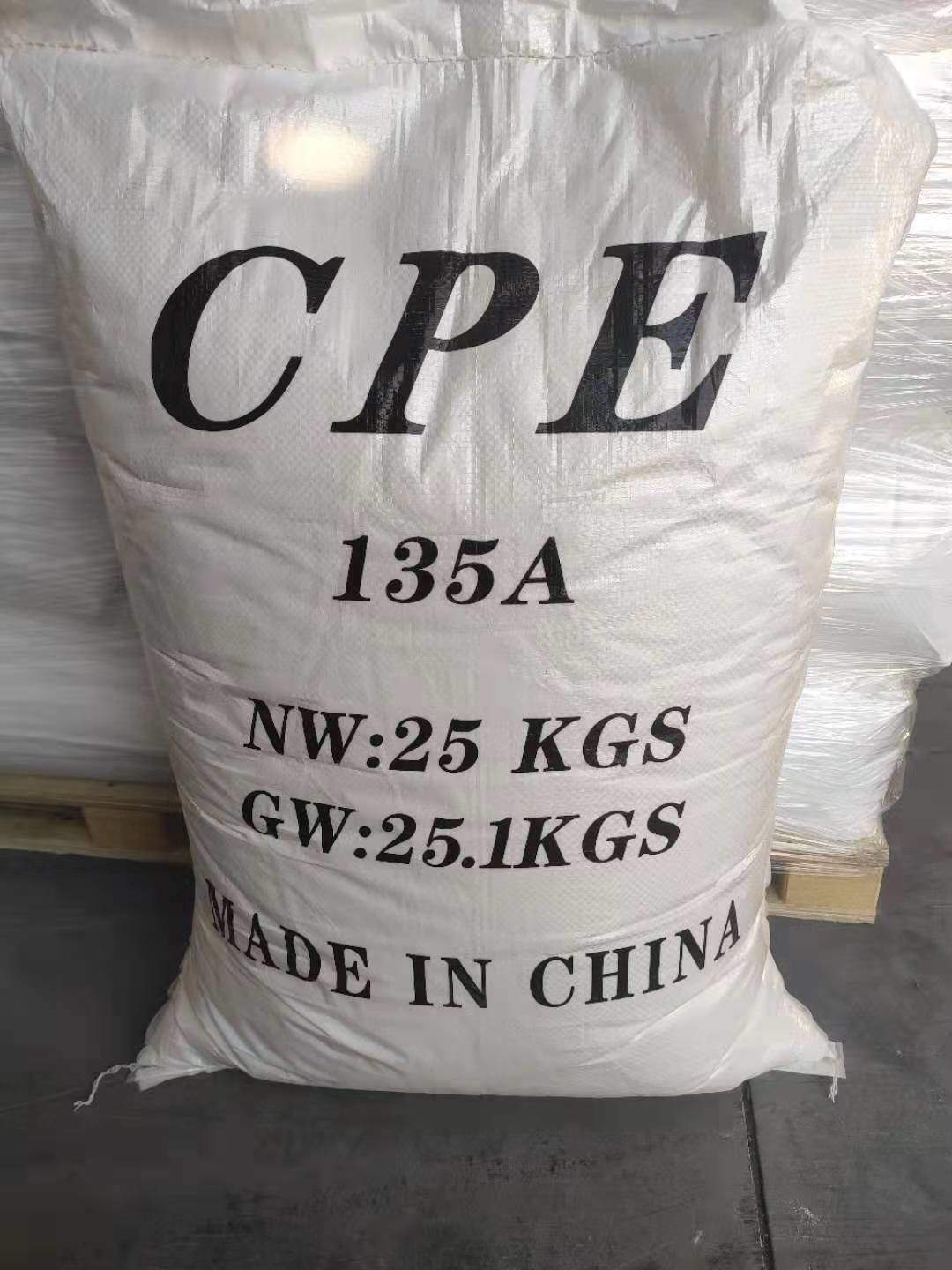
PVC Impact-Modified Chlorinated Polyethylene
Gansu Jinchuan Hengxin Polymer Technology Co., Ltd.
Steel Pipes for Refining and Coal Chemical Industries
YANGZHOU LONTRIN ENERGY EQUIPMENT CO.,LTD.
High Thermal Conductivity Encapsulating Resin
Nantong BESALL Sealing Technology Company.,Limited