Russia's Amur-SPG Reusable Rocket First Flight Delayed to 2031
en.Wedoany.com Reported - The Amur-SPG reusable rocket project of the Russian Federal Space Agency (Roscosmos) has once again postponed its first flight, pushing it from 2026 to 2031, while facing dual pressures from the lack of a suitable offshore recovery platform and accelerating competition from China's reusable rocket camp.
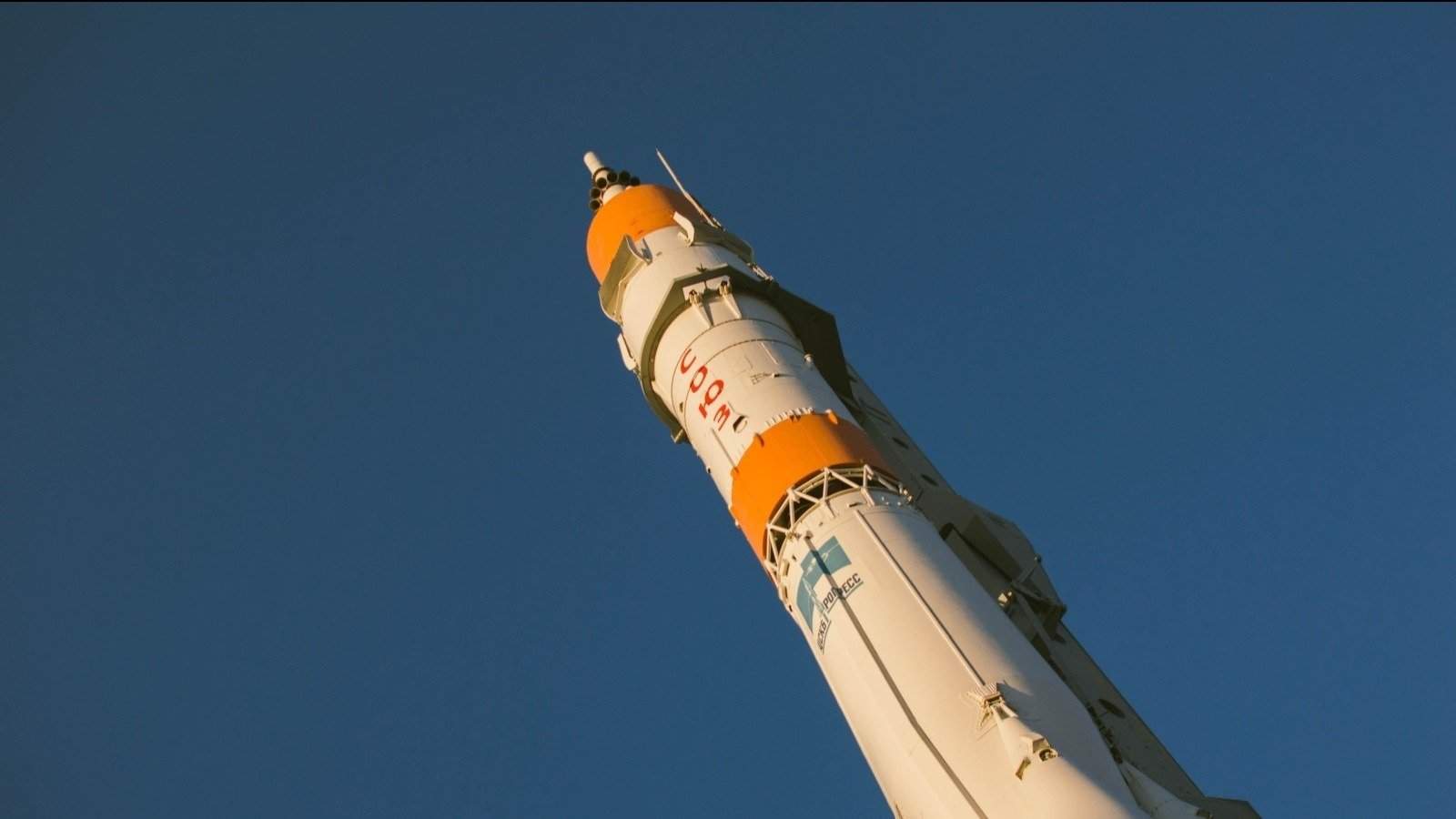
The Amur-SPG rocket is 55 meters tall, 4.1 meters in diameter, and has a launch mass of nearly 360 tons. Its recoverable first stage is powered by five RD-0169 engines using oxygen-methane fuel, with a low Earth orbit payload capacity of 10.5 tons for the reusable version and 12.5 tons for the expendable version. According to the original plan, the project required a vertical takeoff and landing test flight verification via a technology demonstrator by 2028, followed by orbital rocket flight tests, but the first flight has now been announced as delayed to 2031.
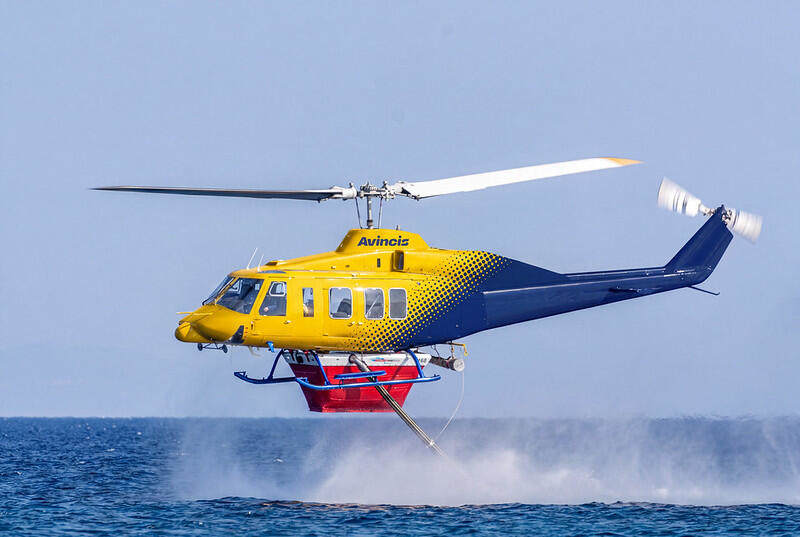
The Amur rocket will use a land-based landing method rather than an offshore barge. SpaceX recovers the first stage of the Falcon 9 using both land-based landings and offshore barges. According to Roscosmos, the Sea of Okhotsk off Russia's Far East coast frequently experiences storms, making it difficult to operate floating platforms stably, thus lacking suitable offshore platforms off Russia's eastern coast. Multiple fixed landing zones will be established between the Vostochny Cosmodrome and the coast of the Sea of Okhotsk to replace offshore barges for recovering rocket stages. Recovered stages will be transported by helicopter back to the launch site preparation area. Russian engineers are also simultaneously researching backup parachute systems for recoverable stages, a solution that SpaceX has abandoned for the Falcon 9. In the land-based recovery mode, the landing point must be fixed and immovable before launch, requiring the guidance system to achieve meter-level accuracy. The land landing zone at Cape Canaveral is approximately 9 kilometers from the launch pad, and the distance from the LC-39A launch pad to the land landing zone is about 15 kilometers. Roscosmos has not yet disclosed the number, exact locations, or construction plans for these land landing zones.
Related Products


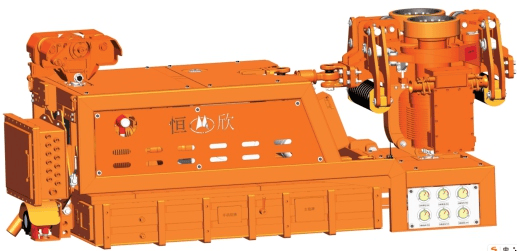
Explosion-proof lithium battery dispatching monorail crane locomotive (permanent magnet frequency conversion integrated machine)
Xiangtan Hengxin Industrial Co., Ltd.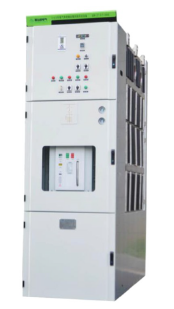
GSR6-27.5kV SF6 Free Gas-insulated Metal-enclosed Switchgear
Zhejiang Juhonkia Intelligent Electric Co., Ltd.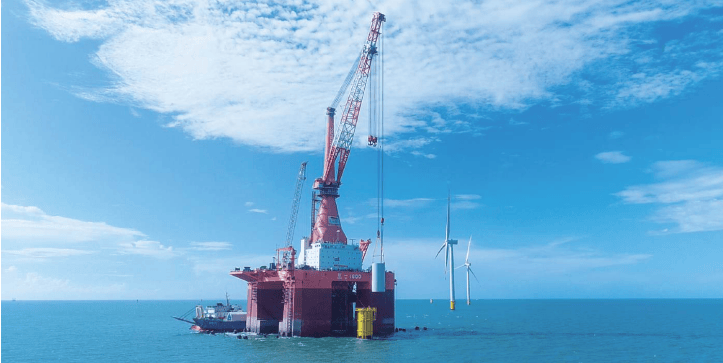
"Shunyi 1600" Deep-submerging Bottom-sitting Multi-functional Wind Power Engineering Vessel
Zhengli Offshore Engineering Co., Ltd.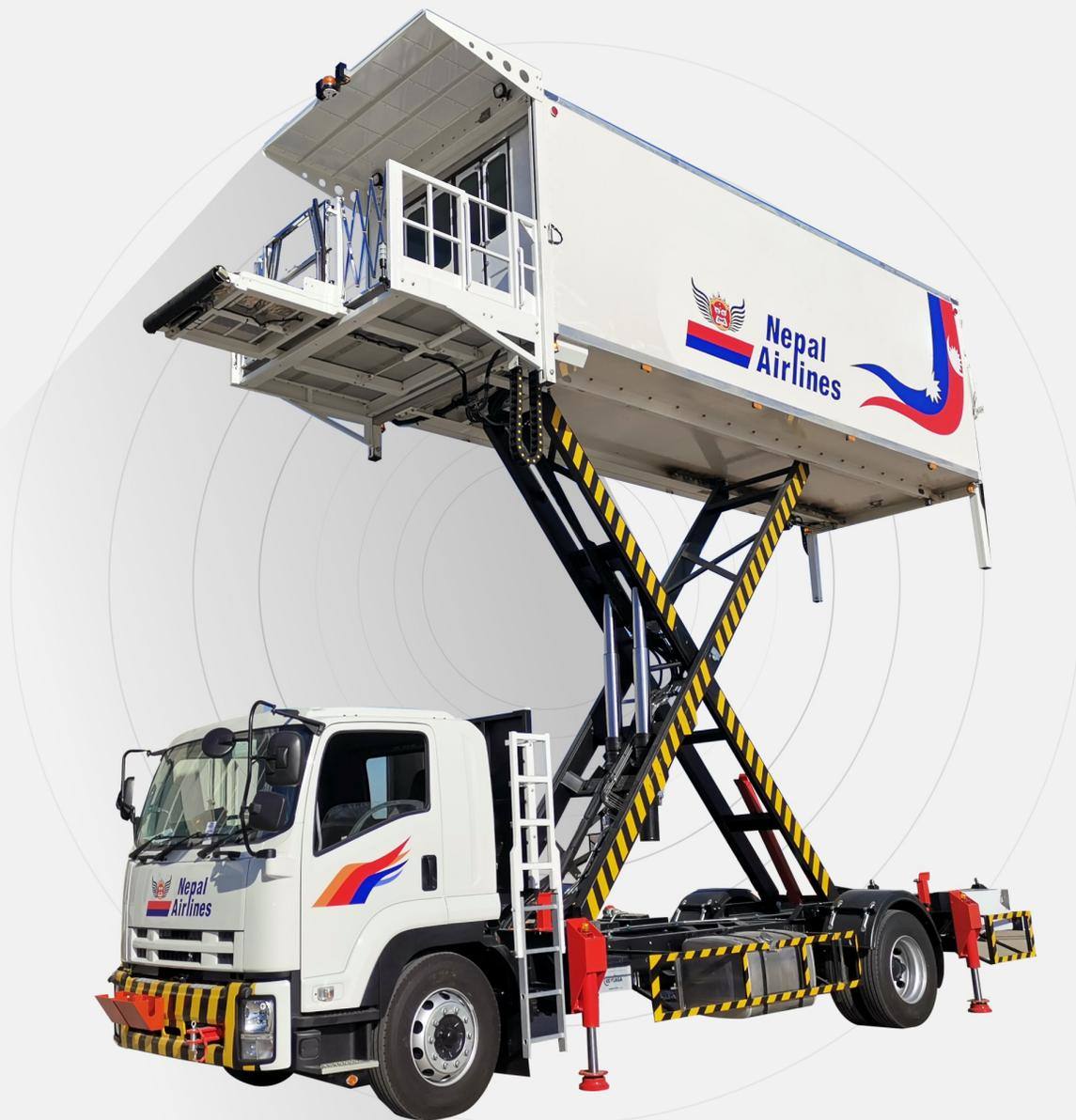
XC-6000e Type Aviation Catering Truck (Fuel Type)
Shenzhen CIMC-TianDa Airport Support Ltd.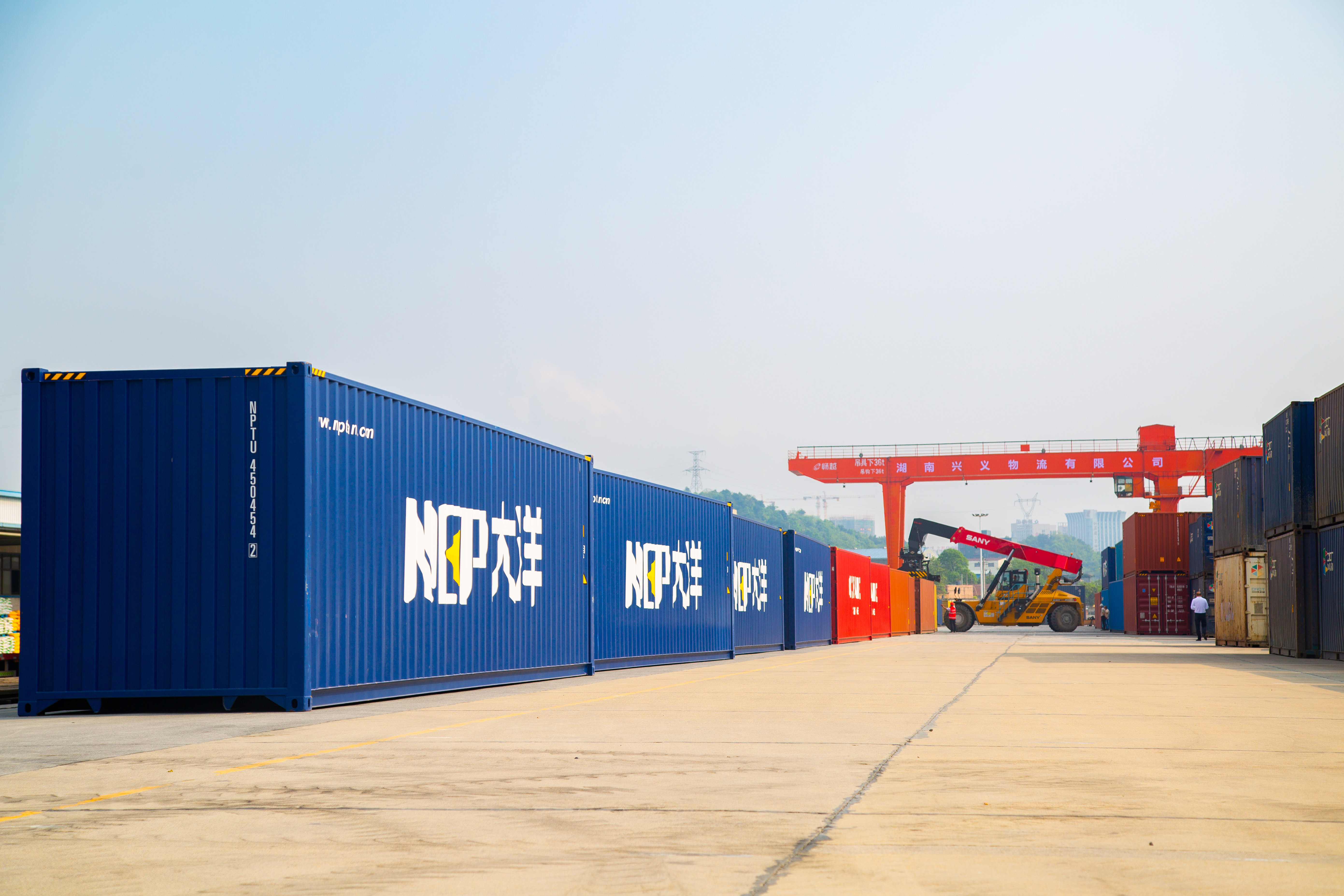
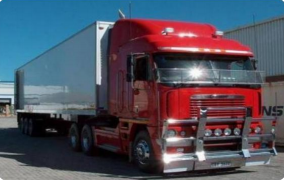
China - Alashankou/Khorgos - Europe Full Range Transportation (Mala/Hamburg/Duisburg/Budapest, etc.)
Shenzhen Neptune Logistics Co., Ltd.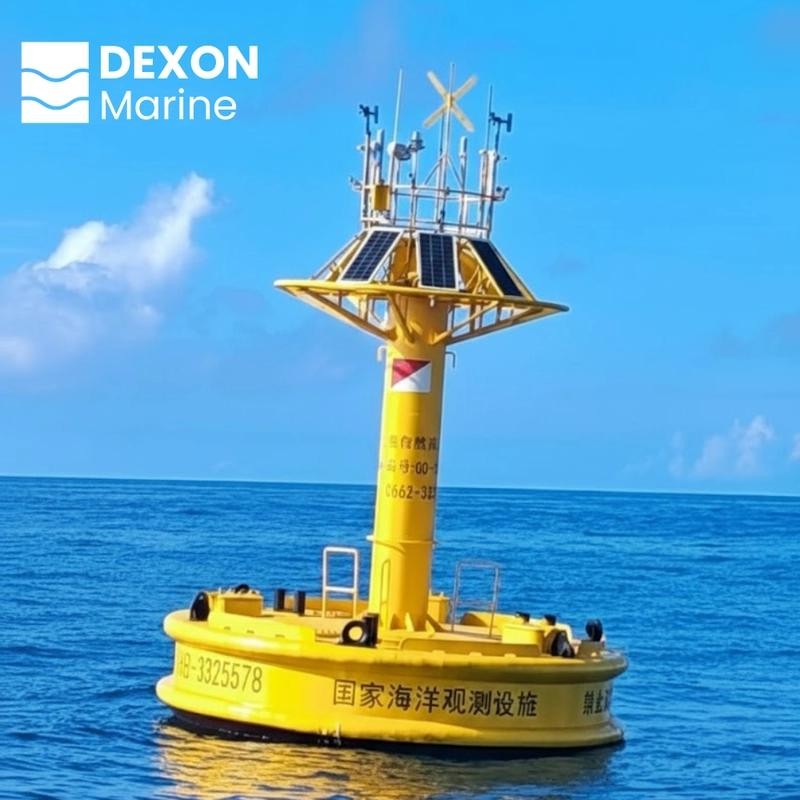
3m intelligent buoy combining navigation safety and real-time marine monitoring integrated navigation and marine monitoring system for real-time maritime data
Chengdu Dixin Technology Co., Ltd.