Mexico Launches Second Phase Tender for Passenger Railway Plan
en.Wedoany.com Reported - The Mexican government has officially launched the second phase tender for the passenger train plan, first announcing an international bidding process for the section connecting the central and northern parts of the country. The General Agency for Public Trains and Transportation confirmed that the tender for the San Luis Potosí to Saltillo section will be initiated this week.
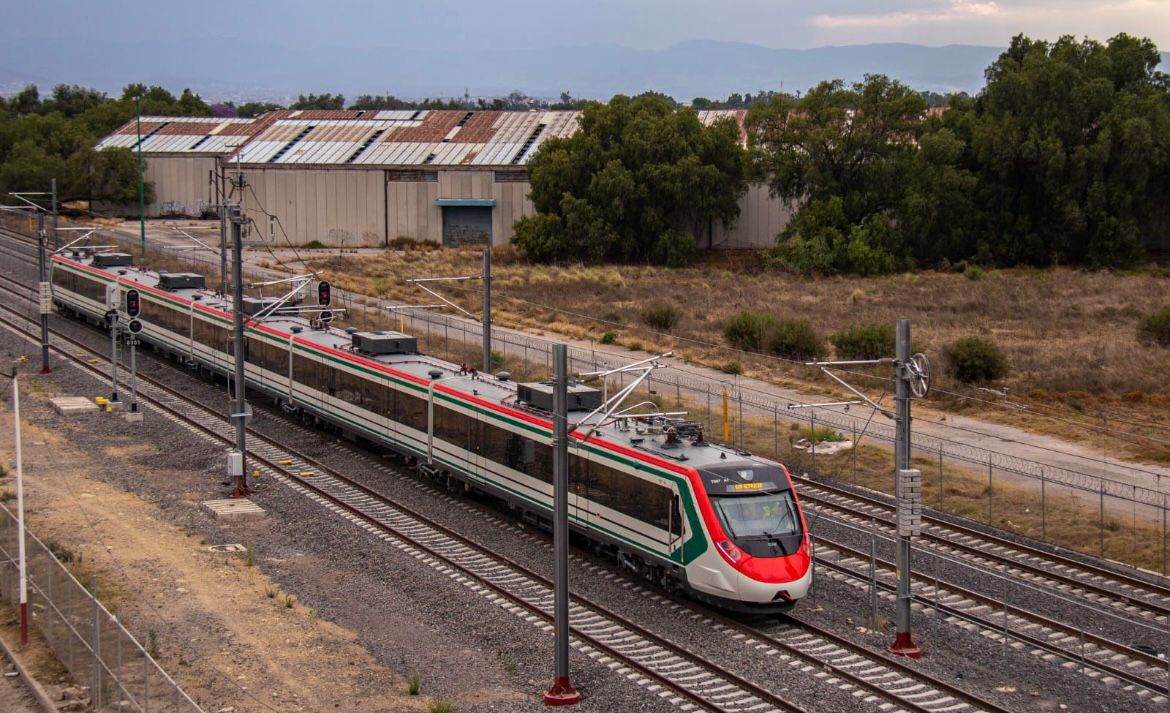
Previously, the agency had published an international open tender on the Compras MX platform for the first segment of the Querétaro to Saltillo passenger train railway. This segment is 68 kilometers long, from Querétaro to San Miguel de Allende, and the tender includes the construction of viaducts, stations, tunnels, bridges, railway underpasses, overpasses, and pedestrian bridges. The project adopts a lump-sum public works contract model with an execution period of 851 calendar days, with construction expected to start on September 24, 2026. The contract is multi-year, covering four budget years. The winning contractor will receive an advance payment of 30% of the annual budget allocation and must provide a guarantee of the same amount, along with a performance bond of 20% of the contract value and liability insurance of 10%. The tender process stipulates that August 24, 2026, is the deadline for bid submission and opening, and September 7, 2026, is the award date. This procedure is an open international tender, open to natural or legal persons, Mexican or foreign, allowing joint bids and partial subcontracting.
According to Efraín Dechamps, Engineering Director of ATTRAPI, speaking at the 25th National Land Engineering Conference, the tender for the San Luis Potosí to Saltillo section is expected to be launched this Monday. Dechamps stated that the international tender for the first segment aims to increase competition and hopes for greater participation and more bids. He also noted that the Felipe Ángeles Engineering Group, under the Ministry of National Defense, will be responsible for executing the Irapuato to León and León to Guadalajara sections. Regarding the technical characteristics of the new section, Dechamps said the line will have dedicated passenger tracks, with no interaction with freight tracks and no level crossings, with a maximum operating speed of 160 to 200 kilometers per hour.
The official also introduced the phased planning of the project. The third phase includes approximately 1,100 kilometers of construction, corresponding to the Pacific Corridor; a possible fourth phase includes the Tepic to Mazatlán and Hermosillo to Nogales sections. Andrés Lajous, Director General of ATTRAPI, described this phased tender approach as a strategy to coordinate engineering design with its execution. The agency plans to gradually launch tenders for different sections between June and September 2026 and progressively award contracts between September and November. This process is part of ATTRAPI's 2026-2030 Institutional Program, aiming to build over 3,000 kilometers of new passenger railway lines and 38 stations integrated with urban transportation systems by the end of the six-year term.
Regarding the first phase corridors, Dechamps recalled that the Mexico City to AIFA, AIFA to Pachuca, and Mexico City to Querétaro sections are handled by the Felipe Ángeles Engineering Group, while ATTRAPI tendered and awarded the Querétaro to Irapuato and Saltillo to Nuevo Laredo sections. Among these, the Saltillo to Nuevo Laredo section is the longest under construction, spanning 396.34 kilometers, managed through five contracts. Construction progress ranges from 0.8% to 13.2%. In the Querétaro to Irapuato section, four contracts executed by Mota-Engil and Comsa show progress between 1.58% and 24.8%. With the launch of the tender for the Querétaro to San Miguel de Allende section and the imminent start of the process for the San Luis Potosí to Saltillo section, Mexico is shifting its passenger railway plan from studies and preliminary awards to a broader phase of international tenders.
Related Products


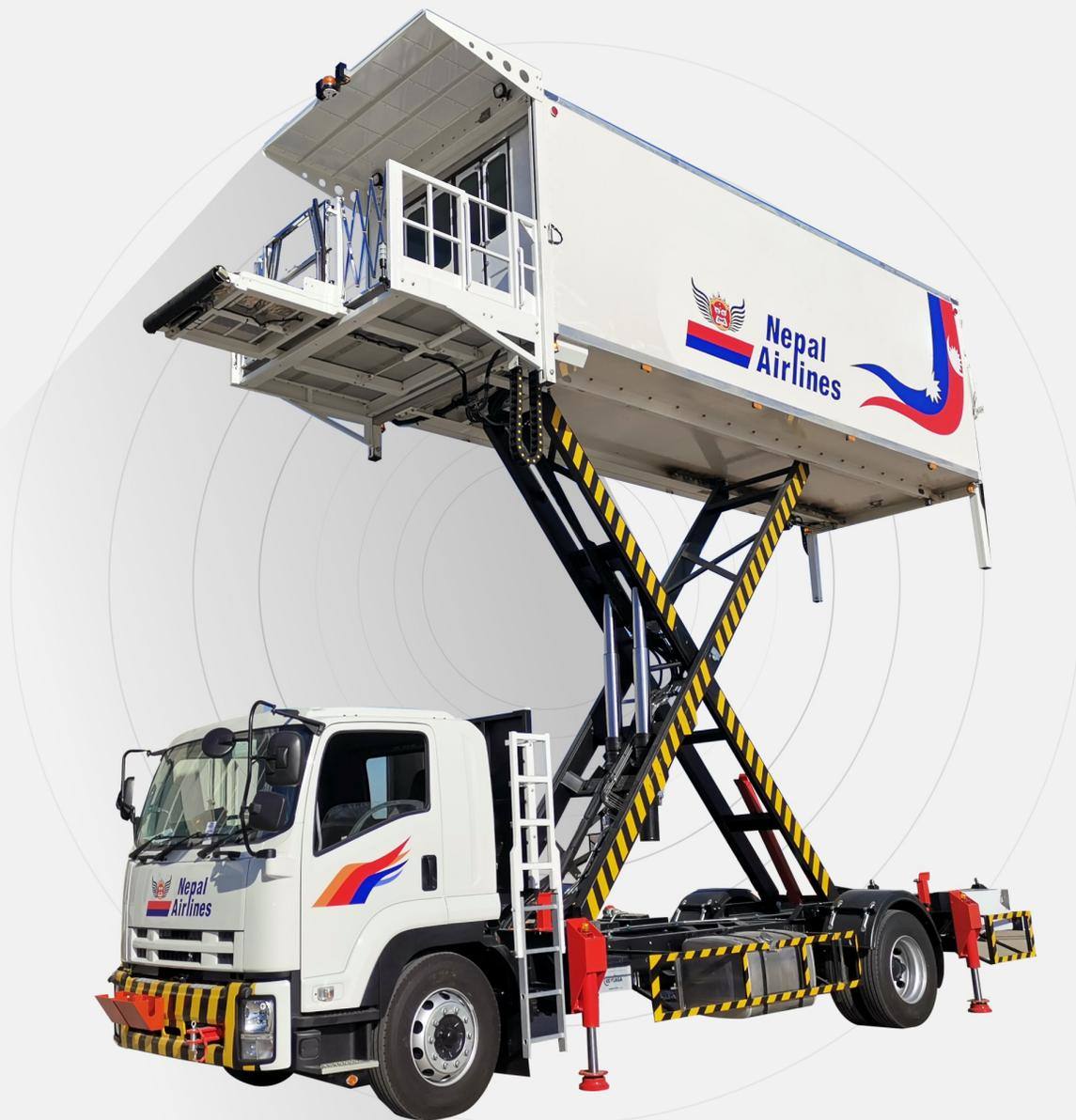
XC-6000e Type Aviation Catering Truck (Fuel Type)
Shenzhen CIMC-TianDa Airport Support Ltd.
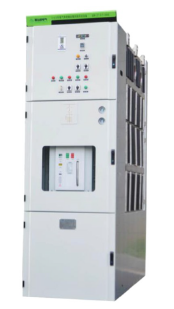
GSR6-27.5kV SF6 Free Gas-insulated Metal-enclosed Switchgear
Zhejiang Juhonkia Intelligent Electric Co., Ltd.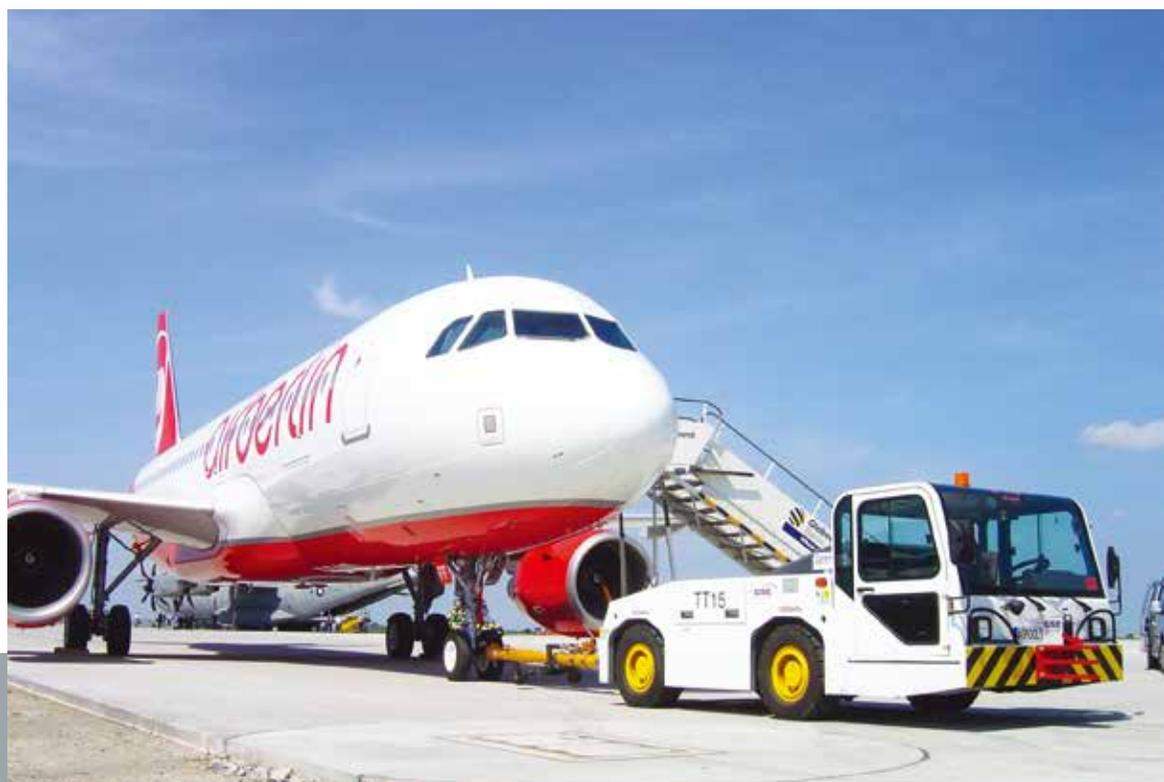
WGQY Series Aircraft Tow Tractor-WGQY15, WGQY27
Weihai Guangtai Airport Equipment Co., Ltd.

Wheel and Track Technology Business
Beijing Research & Design Institute of Rubber Industry Co., Ltd.