New Zealand Government Invests NZ$60 Million to Secure Golden Bay Cement Production Until 2040
en.Wedoany.com Reported - The New Zealand government will provide up to NZ$60 million in financial support to Golden Bay Cement, a subsidiary of Fletcher Building, to ensure the continued operation of the country's only complete cement production facility. As a condition of the agreement, Fletcher Building has committed to investing at least NZ$150 million to keep the Portland plant in Whangārei operational until at least 2040.
Previously, rising operational costs, particularly carbon emission costs, had raised market concerns that Golden Bay Cement might cease clinker production from 2030 and rely entirely on imports. According to an independent assessment commissioned by Fletcher Building, emission costs not yet equally faced by overseas cement importers are placing significant financial constraints on the plant, potentially forcing it to shut down its clinker production line from 2030 and shift to an import model without government support.
Finance and Economic Growth Minister Nicola Willis stated that after learning of Fletcher Building's consideration of halting production, the Cabinet evaluated targeted and time-limited financial support options, concluding that retaining domestic cement production is strategically important for New Zealand's economic resilience and supply chain security. She noted that the Golden Bay plant is New Zealand's only fully integrated cement production facility, playing a critical role in the domestic economic supply chain, and losing this capacity would expose the country to risks of global supply disruptions. Cement has no practical substitute and is an essential material for building national infrastructure, including housing, hospitals, schools, and roads.
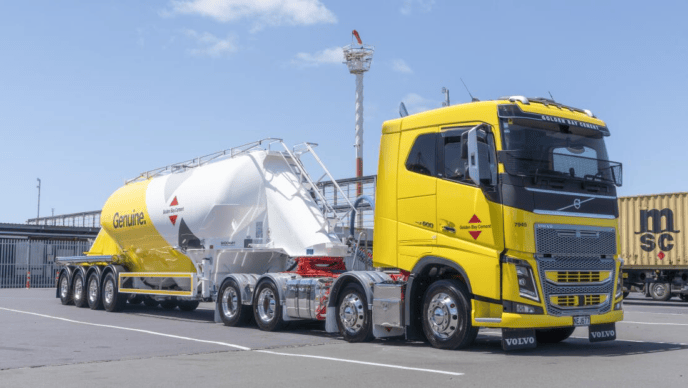
Golden Bay Cement operates the Portland plant near Whangārei, supplying nearly 60% of New Zealand's cement demand, with approximately 95% of its products sold domestically, and is one of the largest private employers in the Northland region. Under the agreement, Golden Bay Cement commits to continuing cement production in New Zealand at least until December 31, 2040, while investing at least NZ$150 million in the Northland plant for operational optimization, facility resilience enhancement, and decarbonization initiatives. This investment plan will be implemented in phases and remains subject to Fletcher Building's normal capital approval processes. The government requires Golden Bay Cement to maintain domestic clinker production capacity, retain jobs, and comply with additional reporting and auditing requirements, with funds subject to recovery if obligations are not met.
Willis stated that the government commissioned an independent open financial assessment before making its decision, which concluded that the primary financial constraint on domestic cement production stems from emission costs. Although other forms of regulatory relief were considered, direct financial support was ultimately chosen to avoid undermining the integrity of the Emissions Trading Scheme.
Fletcher Building Chief Executive Officer Andrew Reding stated that retaining domestic cement production is crucial for both economic and national resilience. He emphasized that local sourcing reduces the impact of shipping disruptions, supply shocks, and price volatility, a consideration that has become increasingly important amid growing unpredictability in global supply chains. Golden Bay Cement directly employs over 150 people and supports an additional 450 jobs in the Whangārei region. He noted that the agreement eliminates the risk of early plant closure, providing certainty for continued investment in domestic manufacturing, operational resilience, and low-carbon production.
Golden Bay Cement stated that it has already invested significant resources in modernization upgrades and alternative fuels to eliminate fossil fuels from its production process, meaning the domestic cement supply secured by this agreement has a lower carbon footprint than imported cement. Willis described this as an exceptional one-time measure to protect strategic production capacity, emphasizing that the government did not make the decision lightly.
Related Products

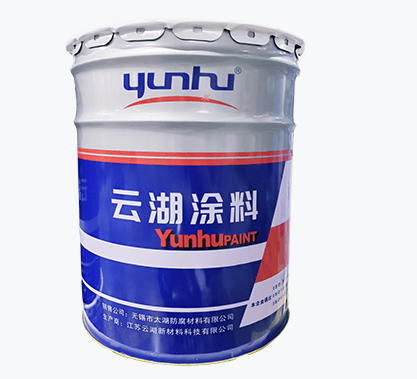
YHTank8400N Solvent-Free Liquid Epoxy Coating
JIANGSU YUNHU NEW MATERIAL TECHNOLOGY CO., LTD.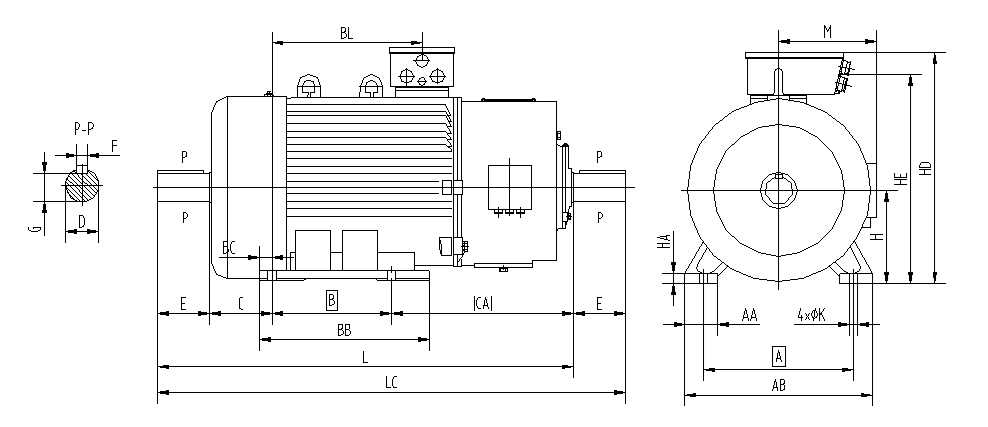
YZR (450-560) Series Wound Rotor Three-Phase Asynchronous Motors for Crane and Metallurgical Applications
Jiamusi Electric Machine Co., Ltd.
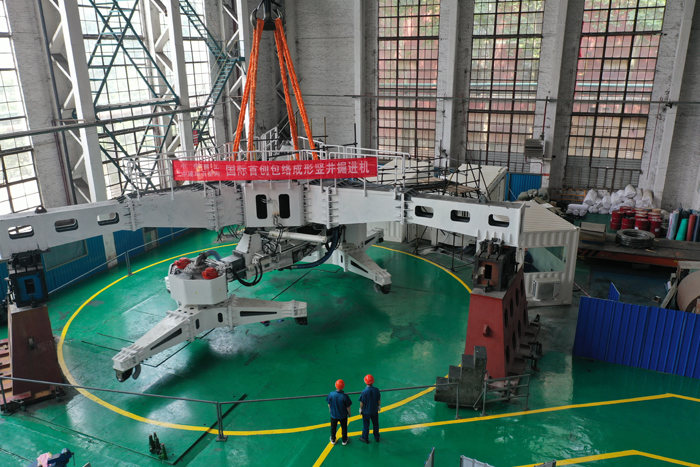
CITIC Heavy Industries Tunneling Equipment Tunnel Engineering Shield Machine
CITIC Heavy Industries Co., Ltd.
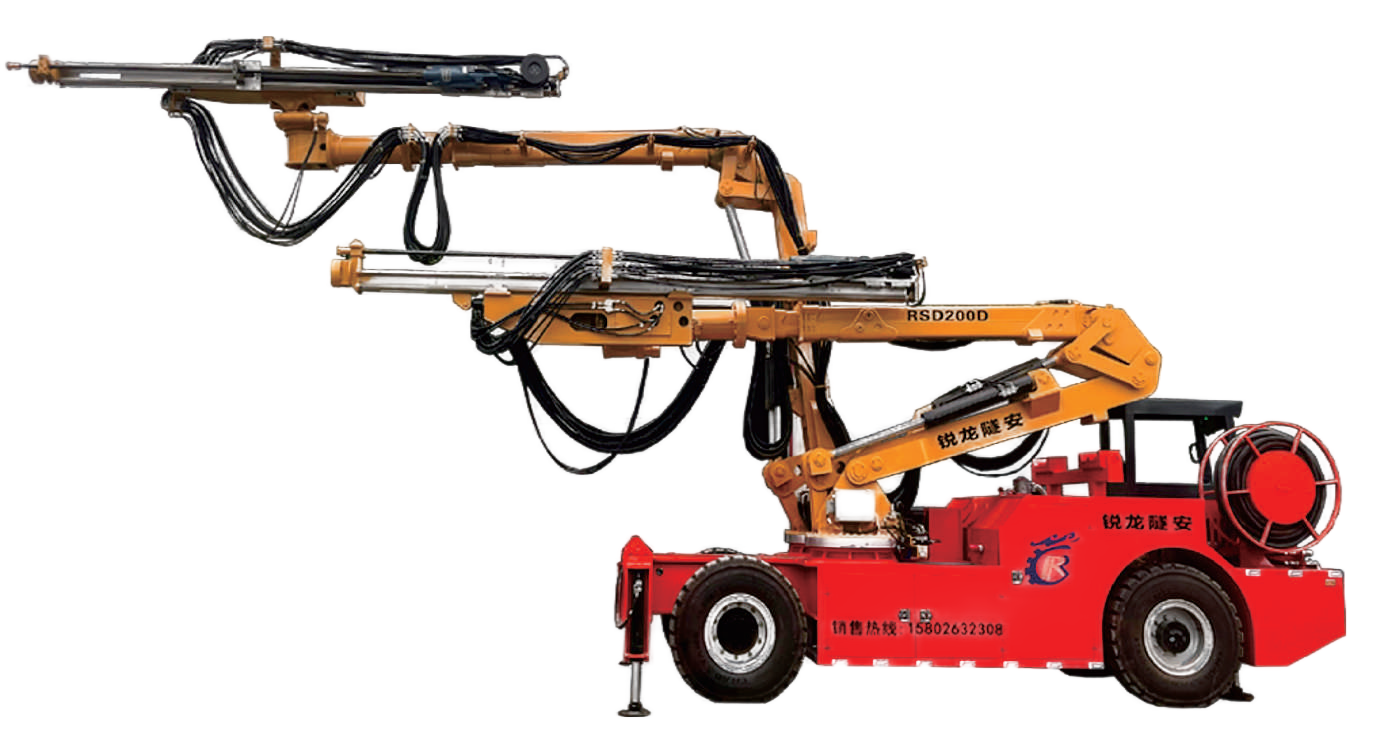
Dual-curved Arm Rock Drilling Trolley RSD200D
Chengdu Ruilong Machinery Manufacturing Co., Ltd.
Ultra-Pure Ferrite Stainless Steel Products
Gansu JISCO Group Hongxing Iron and Steel Co., Ltd.
Acoustic Mineral Fiber Ceiling Tile 595x595x12mm
Shanxi Pano Trading Co., Ltd