Three Energy Projects in Chile with Total Investment Exceeding $405 Million Enter Environmental Assessment
en.Wedoany.com Reported - Chile's Environmental Impact Assessment System (Sistema de Evaluación de Impacto Ambiental) has recently accepted environmental assessment applications for three energy projects, with a total investment exceeding $405 million. These projects, encompassing wind power, photovoltaics, and battery energy storage, will be deployed across several regions in Chile, including Maule, the Metropolitan Region, O'Higgins, and Ñuble, aiming to consolidate a new combination of renewable energy and storage infrastructure in the country.
The three projects are: the Viento Pacífico Verde wind farm located in the Maule Region (Región del Maule); the Las Quintas hybrid wind-solar-storage energy park spanning the Metropolitan Region (Región Metropolitana) and the Libertador General Bernardo O'Higgins Region (O'Higgins); and the Lucero Substation BESS Energy Storage System (Ríos de Jerez) situated in the Ñuble Region (Región de Ñuble). After passing the initial phase of environmental admission, these projects have now entered key technology review.
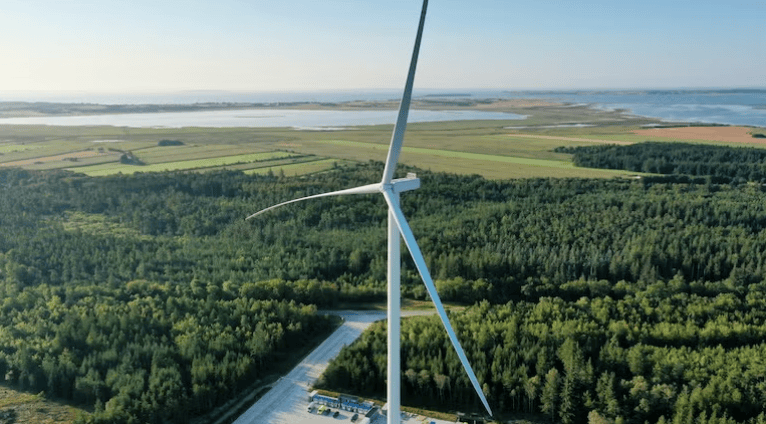
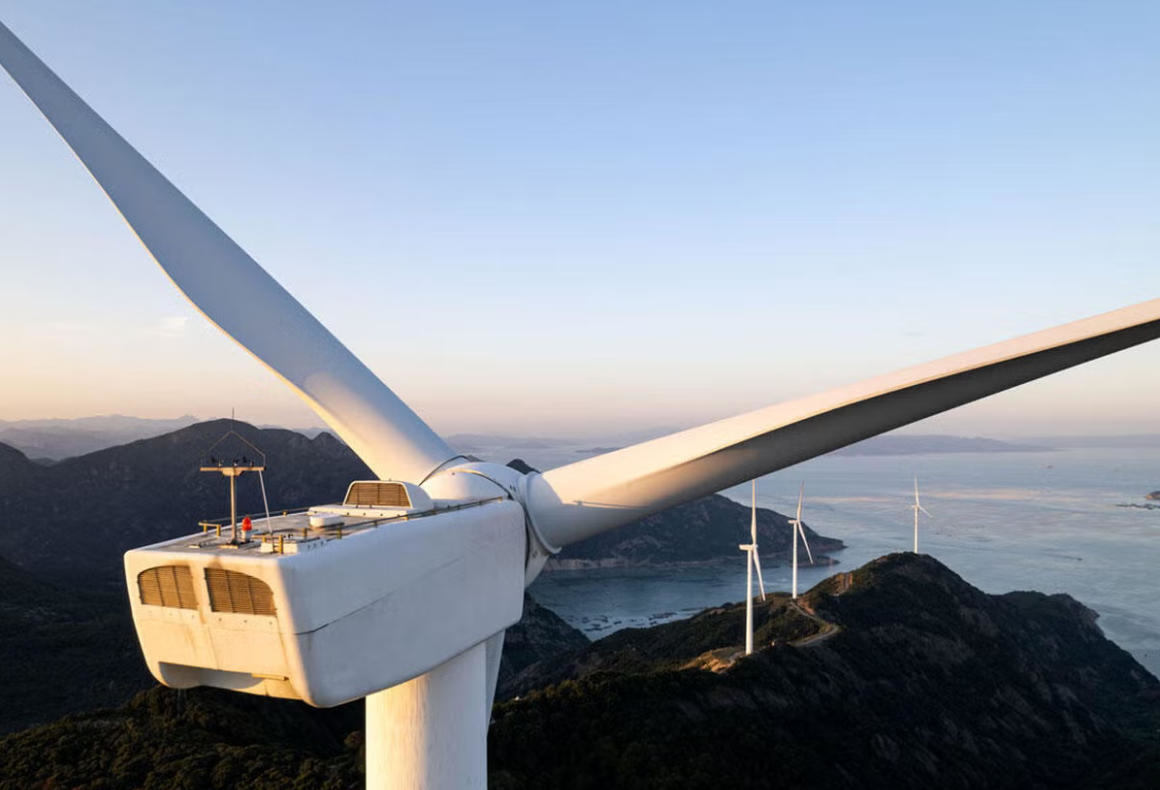
The Viento Pacífico Verde wind farm, developed by Vientos Pacífico Verde SpA, involves an investment of $150 million and has a planned installed capacity of 154 MW. The project is proposed for the municipalities of Constitución and Chanco in the Maule Region, planning to deploy 22 wind turbines distributed across two coastal areas: Estancia La Flora (9 turbines) and Pahuil (13 turbines). Facilities include a 33 kV underground collection line, a 33/220 kV step-up substation, covering a total area of 55.3 hectares, with an estimated operational lifespan of 27.8 years. The project was submitted as an Environmental Impact Study (Estudio de Impacto Ambiental) due to the risk of collision with protected bird species during the operational phase, which could cause significant adverse effects on renewable natural resources.
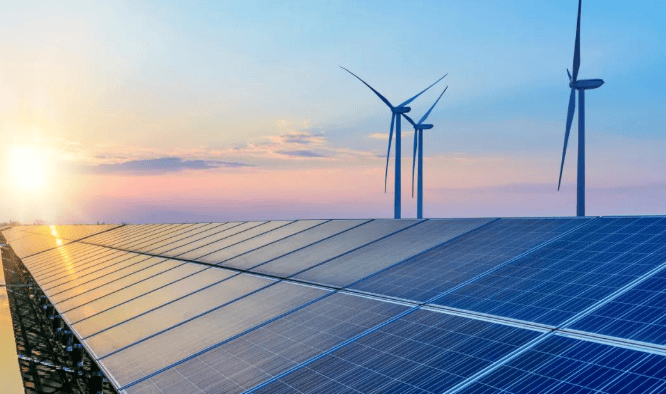
The Las Quintas hybrid wind-solar-storage park, developed by PLAN 8 Energía Infinita Ltda., involves an investment of $200 million, with a planned rated power of approximately 190.25 MW, comprising a 128 MW wind farm and a 62.25 MW solar photovoltaic plant, along with a 100 MW, 5-hour duration BESS system with a capacity of 500 MWh. The project is located between the municipality of San Pedro in the Metropolitan Region and the municipality of Litueche in the O'Higgins Region. Due to its cross-regional nature, its assessment is managed by the Executive Directorate of Chile's Environmental Assessment Agency (SEA). The park also plans a 220 kV, 3.78 km high-voltage line to connect the step-up substation to the new Loica sectional substation. The project site covers an area of 2,718.6 hectares, but the actual engineering footprint is 173.99 hectares. Assessment documents indicate an overlap with the priority area La Roblería/Cordillera de la Costa Norte y Cocalán.
The Lucero Substation BESS Energy Storage System (Ríos de Jerez), developed by Ríos Chile La Palma SpA, involves an investment of $55.3 million and is located in the municipality of Bulnes in the Ñuble Region. This project is a stand-alone energy storage facility, not equipped with its own power generation, and connects to the National Electric System via the Lucero Substation. The project includes a 50 MVA BESS plant based on lithium-ion batteries, with an autonomous operation duration of 4 hours, equipped with storage racks, power conversion units, a step-up substation, and a 66 kV line. Assessment documents record a technical discrepancy: the environmental documents show a rated energy capacity of 200 MWh, while the Environmental Impact Declaration (DIA) summary lists it as 240 MWh; there is also a discrepancy in the step-up substation configuration, with documents showing 33/66 kV and the summary showing 20/66 kV.
The progress of these projects reflects a trend combining renewable energy generation with storage infrastructure, substations, and connection lines. BESS systems can provide greater flexibility to the power system, storing energy during periods of low demand or high renewable generation and injecting it into the grid during high demand periods. Projects like Las Quintas and BESS Lucero directly address the main challenge for power systems: managing the variability of renewable energy generation.
The environmental assessment phase will determine the feasibility of each project, with evaluation focusing on aspects including biodiversity impacts, land use, noise, electromagnetic fields, natural risks, overlap with sensitive areas, and contingency plans. For wind farms, assessment of birds, landscape, soil, and access routes is crucial; for BESS projects, the analysis focuses on operational safety, technical risks, distance from receptors, emergency measures, and land compatibility.
Related Products

Yingping Mining Section Open-pit Tailings Backfill Treatment of Goaf Ecological Restoration EPC Project
China Bluestar Lehigh Engineering Corporation
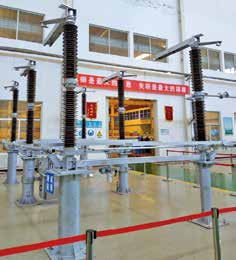
GW4-40.5/72.5/126/145/170/252/363/420 Series Double-column Horizontal Rotary High-voltage AC Disconnect Switch
SHANDONG TAIKAI DISCONNECTORS CO., LTD.
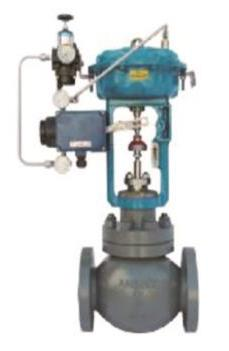
Quick-Change Single-Seat Control Valve / Quick-Change High-Pressure Single-Seat Control Valve
Beijing Consen Automation Technology Co., Ltd.