India's Tata Steel Plans to Invest 100 Billion Rupees by 2028 for Capacity Expansion
en.Wedoany.com Reported - Tata Steel Limited announced on July 21, 2026, that it plans to invest 100 billion rupees (approximately $1.2 billion) by 2028 for capacity expansion and the application of low-carbon steelmaking technologies in Jharkhand, India. The funds will be primarily directed toward projects such as the HIsarna low-carbon ironmaking technology, expansion of the Tinplate Division, and the construction of a new Combi mill, expected to create approximately 2,000 direct and indirect jobs.
Founded in 1907 and headquartered in Jamshedpur, Jharkhand, India, Tata Steel is one of Asia's earliest integrated steel enterprises and a major global steel producer. It is a subsidiary of the Tata Group, with operations spanning 26 countries and an annual crude steel production capacity of approximately 35 million tons. As one of India's largest steel companies, Tata Steel holds a significant market position in automotive steel, construction steel, and specialty steel. The company has long been committed to low-carbon technology innovation, with the HIsarna process being a breakthrough low-carbon ironmaking technology developed in collaboration with European partners.

According to Tata Steel's disclosure, the specific allocation of the 100 billion rupee investment is as follows: 70 billion rupees for the HIsarna and Easy Melting Technology projects, 26 billion rupees for the expansion of its Tinplate Division, and 15 billion rupees for the construction of a new Combi mill. The company also plans to build a million-ton-scale HIsarna pilot plant in Jamshedpur, with its products supplying the existing steelmaking shop.
The HIsarna process is a breakthrough low-carbon ironmaking technology developed by Tata Steel in collaboration with European partners. Compared to the traditional blast furnace-basic oxygen furnace route, the HIsarna process injects iron ore fines and coal fines directly into a molten reactor, eliminating the sintering and coking stages. This significantly reduces carbon emissions in the ironmaking process and decreases reliance on traditional coke. According to previously disclosed data from Tata Steel, the theoretical carbon reduction potential of the HIsarna process can exceed 80%. The investment in this million-ton-scale pilot plant marks a critical step in advancing HIsarna technology from the experimental stage to industrial-scale application.
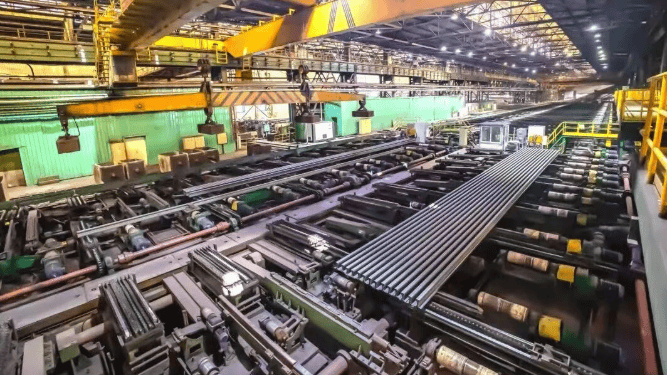
The expansion of the Tinplate Division and the construction of the new Combi mill will further enhance Tata Steel's capabilities in high-value-added steel products. Tinplate is widely used in food packaging, beverage cans, and aerosol cans, while the Combi mill can produce a variety of hot-rolled and cold-rolled products in different specifications, increasing product portfolio flexibility.
These projects are a key component of Tata Steel's goal to increase its domestic crude steel production capacity to 40 million tons per year. By deploying low-carbon ironmaking technology and high-value-added production lines, Tata Steel is simultaneously advancing capacity expansion and green transformation to meet the increasingly stringent carbon emission requirements of the global steel industry. Tata Steel stated that this investment plan is a crucial step toward its "net-zero emissions" goal and an important measure to strengthen its global market competitiveness.
Related Products
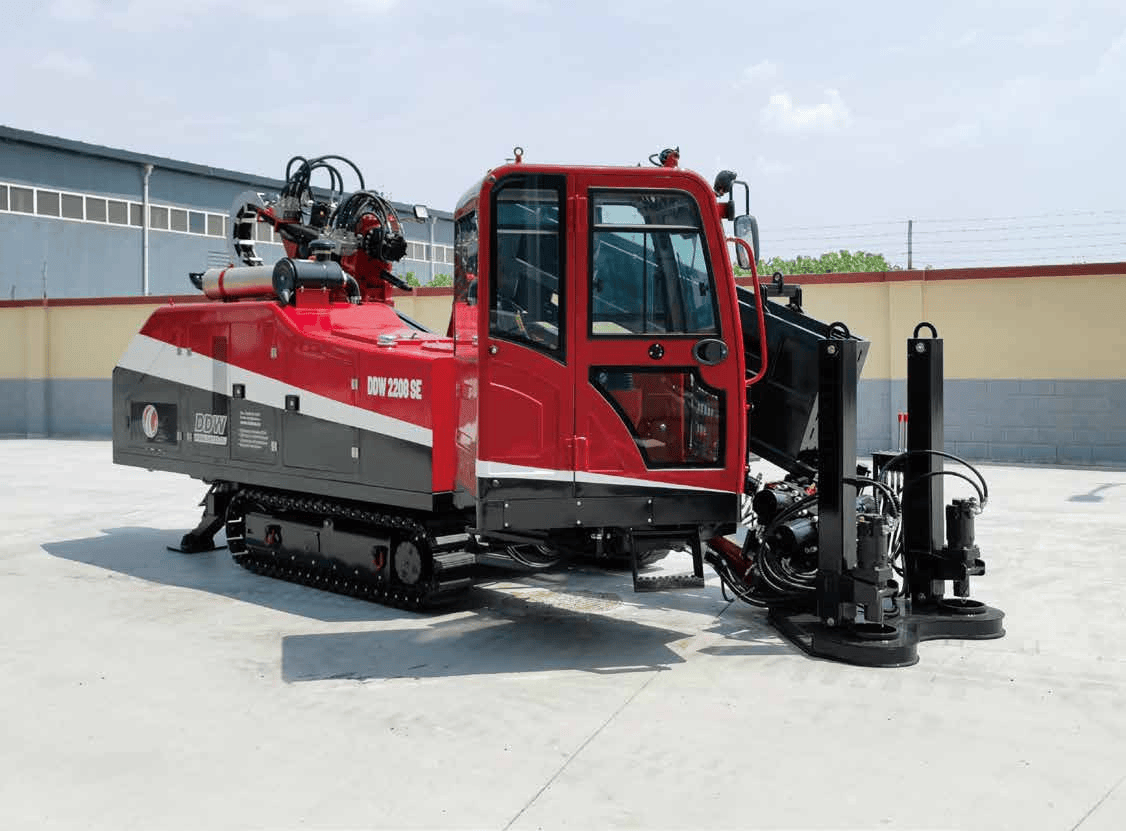

DDW22/08SE-HORIZONTAL DIRECTIONAL DRILL
DW/TXS Construction Equipment (Beijing) Co., Ltd.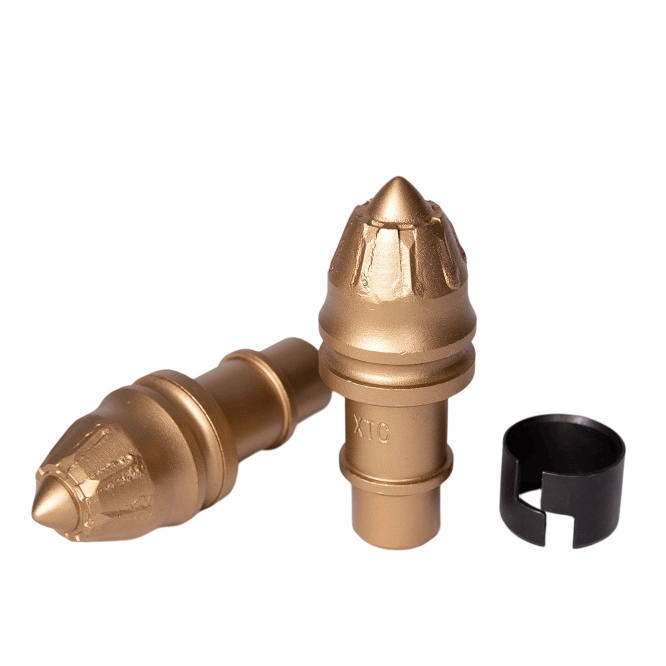

Mine Explosion-proof and Intrinsically Safe Industrial Ethernet Ring Network (10 Gigabit/Gigabit)
Chongqing Mas Sci&Tech Co., Ltd.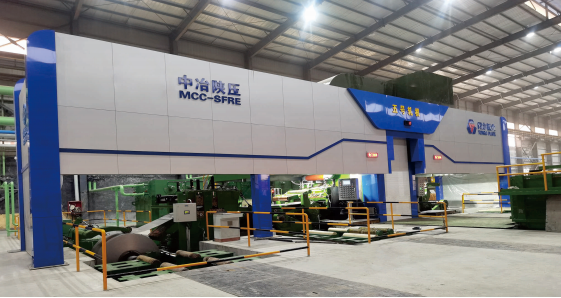
1050-1750mm Steel Strip Single-stand Reversible Cold Rolling Production Line
MCC-SFRE HEAVY INDUSTRY EQUIPMENT CO., LTD.
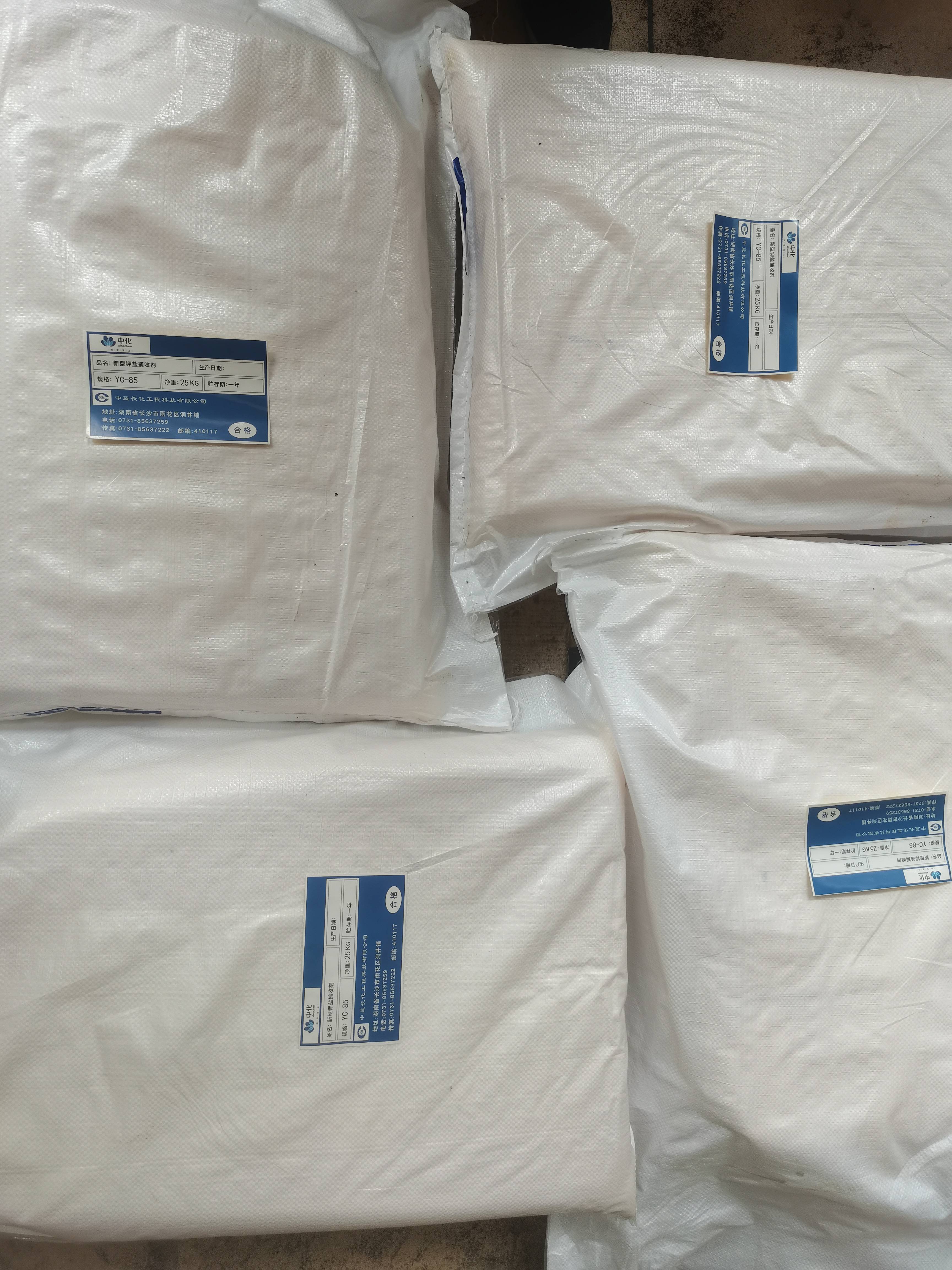
New Environmentally Friendly Green Potassium Salt Collector
Chonfar Engineering and Technology Co., Ltd.
Yunnan Phosphorus Chemical Group Co., Ltd. 2 Million t/a Phosphorus Ore Mining and Beneficiation Project
China Bluestar Lehigh Engineering Corporation