China’s Hydropower Expansion Gains Momentum
Wedoany.com Report-May 23, China has made significant progress in hydropower development, with several major projects reaching critical milestones in 2025. These initiatives aim to enhance energy security, integrate renewable sources, and stimulate regional economic growth.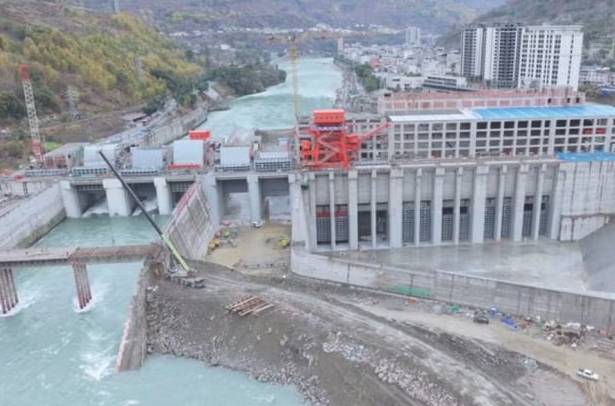
onstruction of the Zhentouba Second Stage Hydropower Station
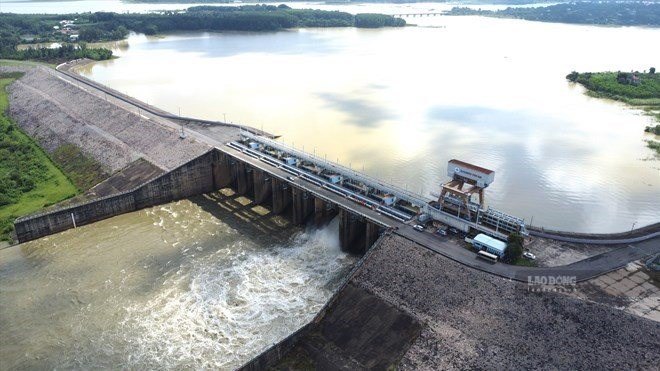
On March 18, CHN Energy achieved a key milestone by successfully closing all 24 unit gates at the Dadu River Zhentouba Second Stage and Shaping First Stage Hydropower Stations in Sichuan Province. Together, these stations have a combined installed capacity of 660 megawatts (MW) and are integral to the province's 14th Five-Year Plan. The closure of the gates facilitates equipment installation and maintenance, paving the way for the commissioning of the first generating units in 2025 and full operational capacity by 2026. As of the end of 2024, CHN Energy had installed over 20 million kilowatts of hydropower capacity nationwide, with an additional 8.24 gigawatts under construction. The company remains a leader in China's renewable energy sector.
In another development, the Eighth Hydropower Bureau secured contracts for three major projects: the 1.2-gigawatt Huoshan Pumped Storage Power Station in Anhui, the Guxian Hydropower Project on the Yellow River, and the Yulin Pumped Storage Power Station in Guangxi. The Huoshan project will help regulate power supply fluctuations in East China, while the Guxian project aims to enhance ecological protection and water management along the Yellow River. The Yulin project is set to improve peak-load balancing and energy storage in Guangxi.
On March 19, the Seventh Hydropower Bureau signed the main civil engineering construction contract for the lower reservoir and underground plant system of the 1.8-gigawatt Hubei Nanzhang Pumped Storage Power Station. Located in Limiao Town, Nanzhang County, the project is expected to save 682,000 tons of standard coal and reduce carbon dioxide emissions by 1.7 million tons annually, contributing to the stability of the northwestern Hubei power grid.
In Gansu Province, the Fourteenth Hydropower Bureau won the bid for the civil engineering and equipment installation at the Huanglong Pumped Storage Power Station. With a capacity of 2,100 MW, this facility is the largest pumped storage project in the province and will play a crucial role in stabilizing the Gansu power grid and integrating renewable energy sources.
Further south, the Guangxi Guilin Longsheng Pumped Storage Power Station commenced construction in February. With an installed capacity of 1.6 million kilowatts, this facility will provide 1.946 billion kilowatt-hours of electricity annually, reducing carbon emissions by over 1.4 million tons and improving regional energy security.
China Three Gorges Corporation (CTG) has also played a pivotal role in managing the Yangtze River's water resources. By mid-February 2025, CTG's six cascade reservoirs—Wudongde, Baihetan, Xiluodu, Xiangjiaba, Three Gorges, and Gezhouba—had released 10 billion cubic meters of water to replenish the Yangtze River. This strategic water release ensures sufficient supply for domestic and industrial use while maintaining smooth navigation on the river. The coordinated operation of these reservoirs highlights the critical role hydropower plays in maintaining water security and supporting economic activities along the Yangtze.
These developments underscore China's commitment to expanding its hydropower capacity as a cornerstone of its clean energy strategy, aiming to reduce reliance on fossil fuels and contribute to global carbon reduction efforts.
Related Products

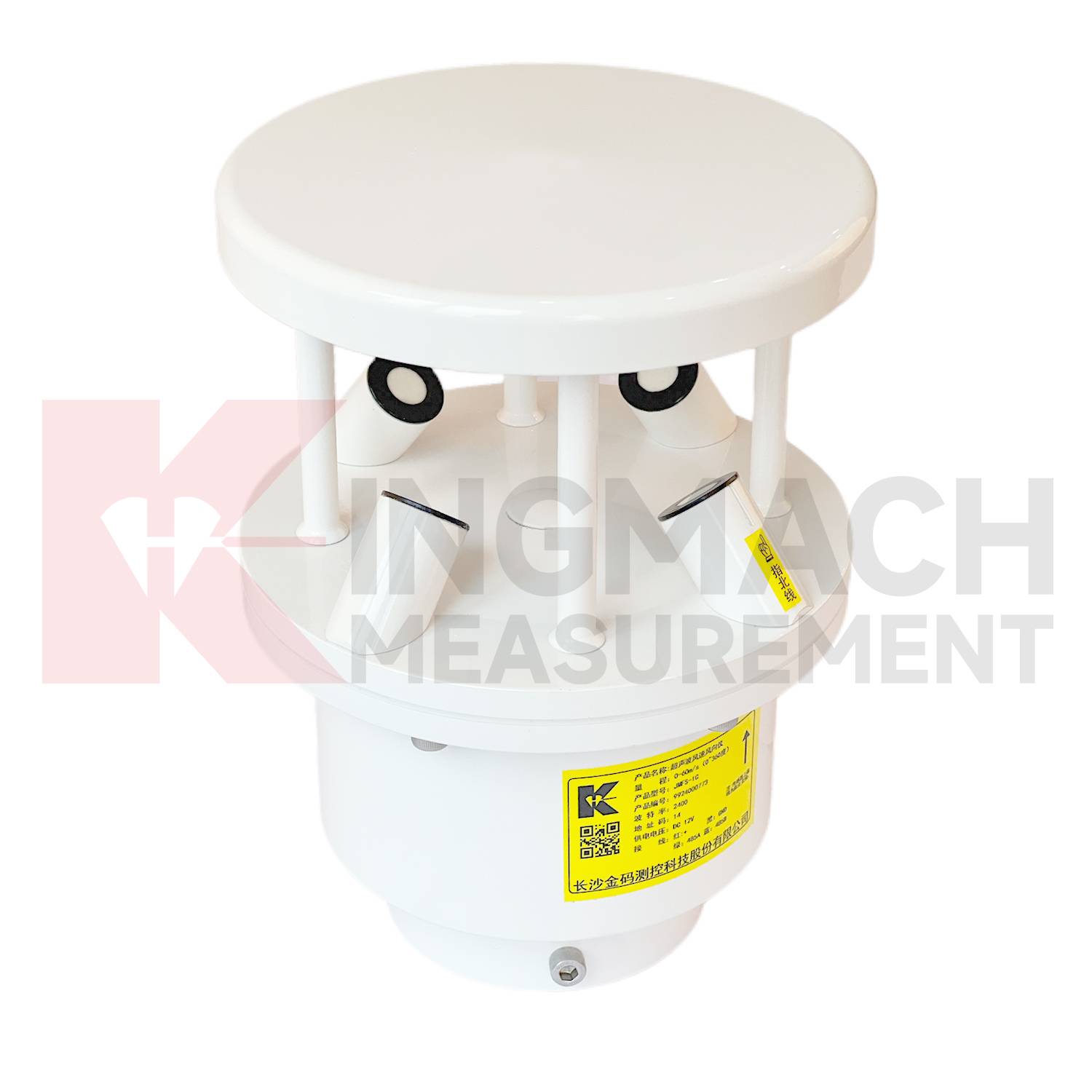
Ultrasonic Wind Speed and Direction Instrument
Kingmach Measurement & Monitoring Technology Co., Ltd.
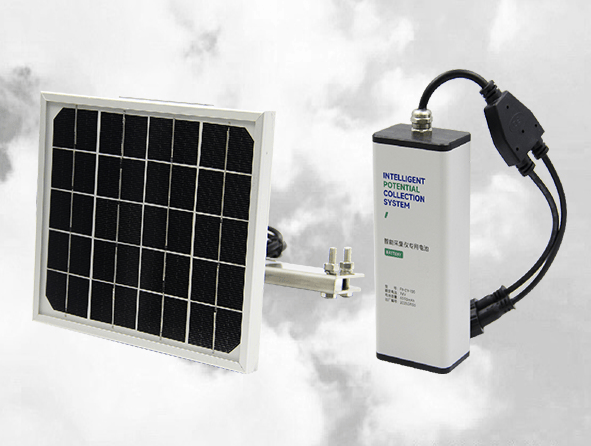
Inductive Power Harvesting Self-Powered Device - Safuneng
SELF ENERGY TECHNOLOGY (SHENZHEN) CO., LTD.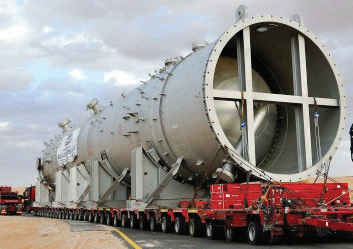
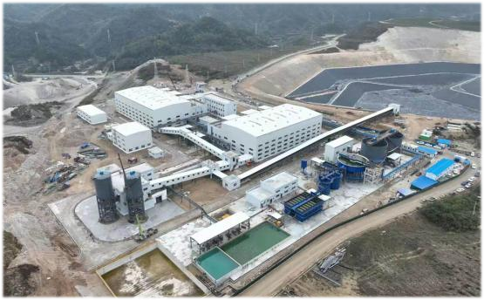
Yingping Mining Section Open-pit Tailings Backfill Treatment of Goaf Ecological Restoration EPC Project
China Bluestar Lehigh Engineering Corporation