South Korea Approves Yeosu No. 1 Petrochemical Restructuring Plan Involving 800 Billion Won
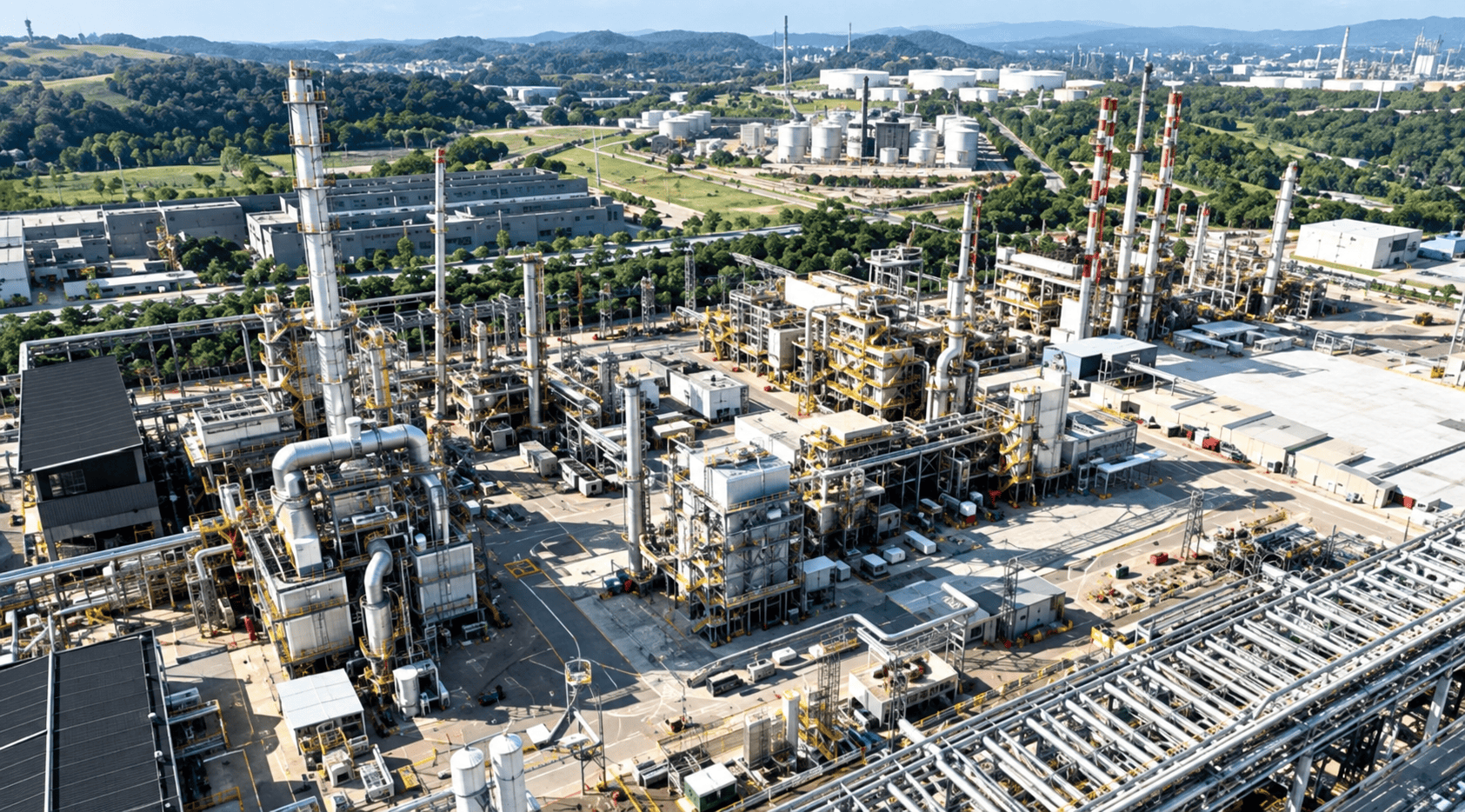
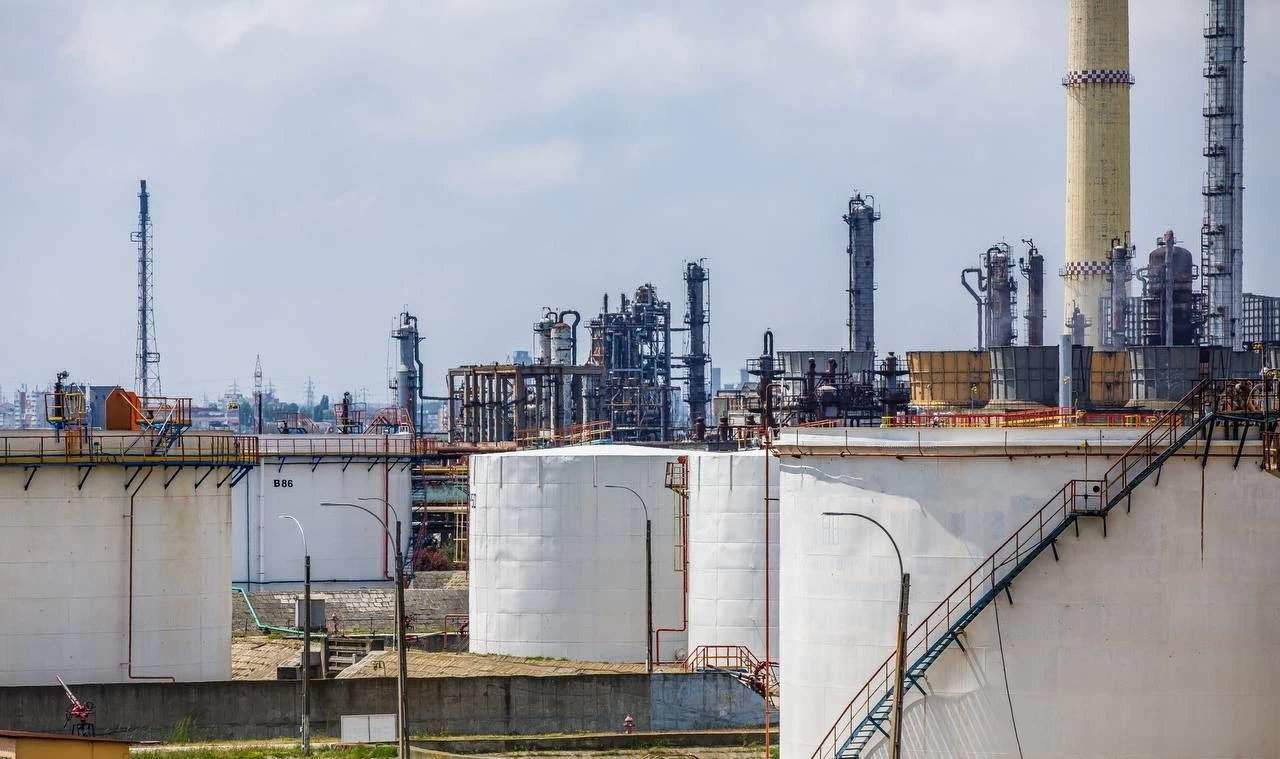
en.Wedoany.com Reported - The petrochemical business restructuring plan for the "Yeosu No. 1 Project," proposed by Yeochun NCC, Lotte Chemical, Hanwha Solutions, and DL Chemical, has been approved by the South Korean government. The project aims to address the industry crisis caused by the influx of low-priced Chinese products, involving a self-rescue plan worth 800 billion won (approximately $540 million). This includes ceasing operations at Yeochun NCC's No. 2 and No. 3 units (low-value-added general product production facilities) and establishing a new integrated company to transition to high-value-added and eco-friendly industries. The South Korean government will provide comprehensive support by injecting over 700 billion won (approximately $538.46 million) in fiscal funds across areas such as finance, taxation, licensing, and R&D.
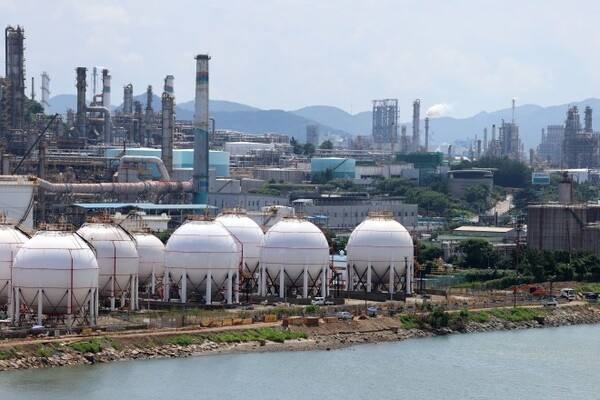
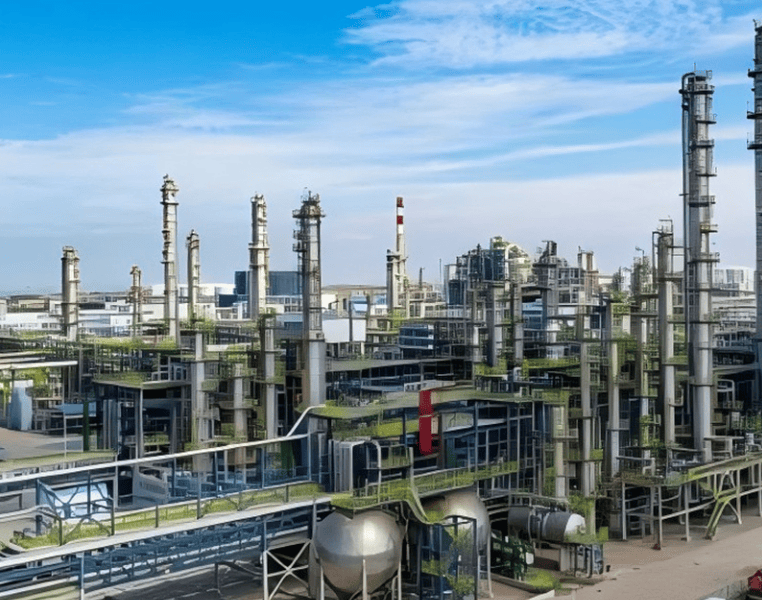
On July 22, the South Korean Ministry of Trade, Industry and Energy approved the final draft of the petrochemical business restructuring plan for the Yeosu Industrial Complex, submitted by four companies including Lotte Chemical and Hanwha Solutions. This marks the second petrochemical business restructuring following the approval of the Daesan No. 1 project in February. The core of the restructuring involves, among the Yeochun NCC Units 1 to 3, each 50% owned by Hanwha Solutions and DL Chemical, additionally suspending Unit 2 (beyond the already suspended Unit 3) and merging the remaining Unit 1 with Lotte Chemical's Yeosu plant to form a new integrated company. After Units 2 and 3, which produce 1.39 million tons of general-purpose plastics (ethylene), are shut down, Yeochun NCC's output will decrease from 2.29 million tons to 900,000 tons. The equity of the new company will be divided equally among Lotte Chemical, Hanwha Solutions, and DL Chemical, each holding one-third. Hanwha Solutions and DL Chemical will repay Yeochun NCC's existing debts through a 545 billion won capital increase and invest 253.2 billion won in business restructuring, including infrastructure construction and transitioning to high-value-added products.
Core businesses in the final product production areas of each company, such as DL Chemical's PE, Hanwha Solutions' PE and petroleum resin, and Lotte Chemical's basic materials division, have been integrated into the new company. The new company plans to shift to high-value-added products like medical-grade low-density polyethylene (LDPE) and functional polyolefin elastomers (POE) for automotive and wire applications to ensure mid-to-long-term competitiveness. The government, in collaboration with relevant agencies, will provide a support package exceeding 700 billion won, including 450 billion won in new funds through creditor financial institutions and deferring debt repayment under agreements until the end of 2029. The Korea Trade Insurance Corporation will offer 200 billion won in import insurance support, including discounts of up to 30% on import insurance premiums.
Acquisition taxes, registration and license taxes incurred during the spin-off and merger process will be reduced by 75% to 100%, and corporate tax burdens will be alleviated through extended tax deferral periods. The corporate merger review period will be shortened from 120 days to 90 days, and the inheritance of licenses and permits will be allowed. Implementing zero tariffs on imported naphtha and crude oil used for naphtha production by the end of this year will reduce costs by 15.6 billion won. Additionally, 4 billion won will be allocated for regulatory improvements, including infrastructure lease fees and simplified licensing procedures. The government will also support 34 billion won for industrial upgrades, including cutting-edge R&D for transitioning to high-value-added and eco-friendly products, relaxing employment retention subsidy requirements, and supporting vocational training costs. The government expects this business restructuring to alleviate oversupply of low-value-added general products, improve production efficiency and profitability, and enhance financial structures.
The government has also urged the Ulsan Industrial Complex, the last one yet to undergo restructuring, to proceed with business reorganization. Moon Shin-hak, Second Vice Minister of the Ministry of Trade, Industry and Energy, stated that for the successful restructuring of the petrochemical industry, business reorganization involving all industrial complexes is necessary. Following Daesan and Yeosu, discussions on restructuring in the Ulsan region will be expedited. However, for the Ulsan Industrial Complex, which includes SK Geocentric, S-OIL, and Korea Petrochemical Industry Co., submitting a business restructuring plan is expected to take time, as companies remain divided on whether to include the Shaheen Project, scheduled for trial operation by year-end, in the NCC production cuts. The Shaheen Project has an annual ethylene production capacity of 1.8 million tons, equivalent to half of the government's maximum NCC reduction target of 3.7 million tons, but is assessed as a high-efficiency, high-value-added facility not yet in operation. Eom Chan-wang, Executive Vice President of the Korea Petrochemical Industry Association, stated that overcoming the structural crisis in the petrochemical industry requires not only corporate self-rescue efforts but also sustained effective government policy support.
Following an emergency economic command meeting and an inter-ministerial meeting on strengthening economic and industrial competitiveness, chaired by Deputy Prime Minister and Minister of Economy and Finance Koo Yun-cheol, the Ministry of Trade, Industry and Energy convened a CEO meeting of companies with approved restructuring plans. Representatives from the four petrochemical companies attended to discuss follow-up tasks. The Ministry of Trade, Industry and Energy will formulate comprehensive measures to enhance the competitiveness of the chemical industry and plans to stabilize the petrochemical supply chain in the second half of this year.
Related Products
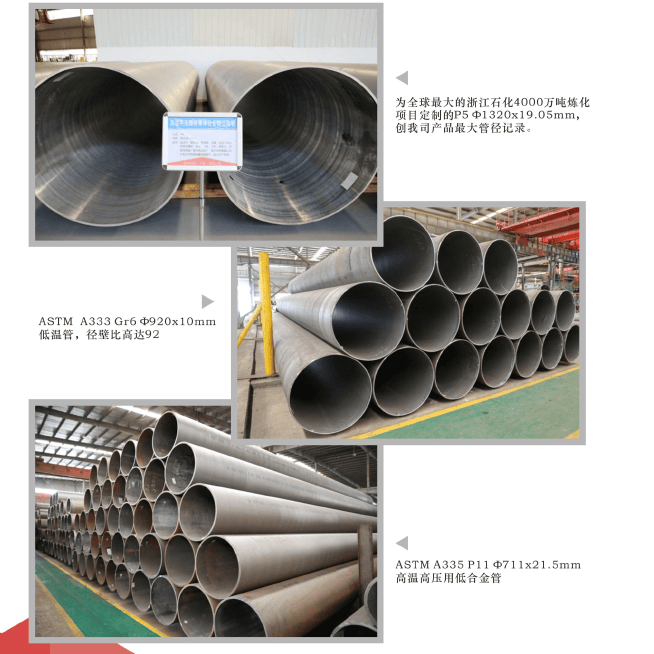

Steel Pipes for Refining and Coal Chemical Industries
YANGZHOU LONTRIN ENERGY EQUIPMENT CO.,LTD.
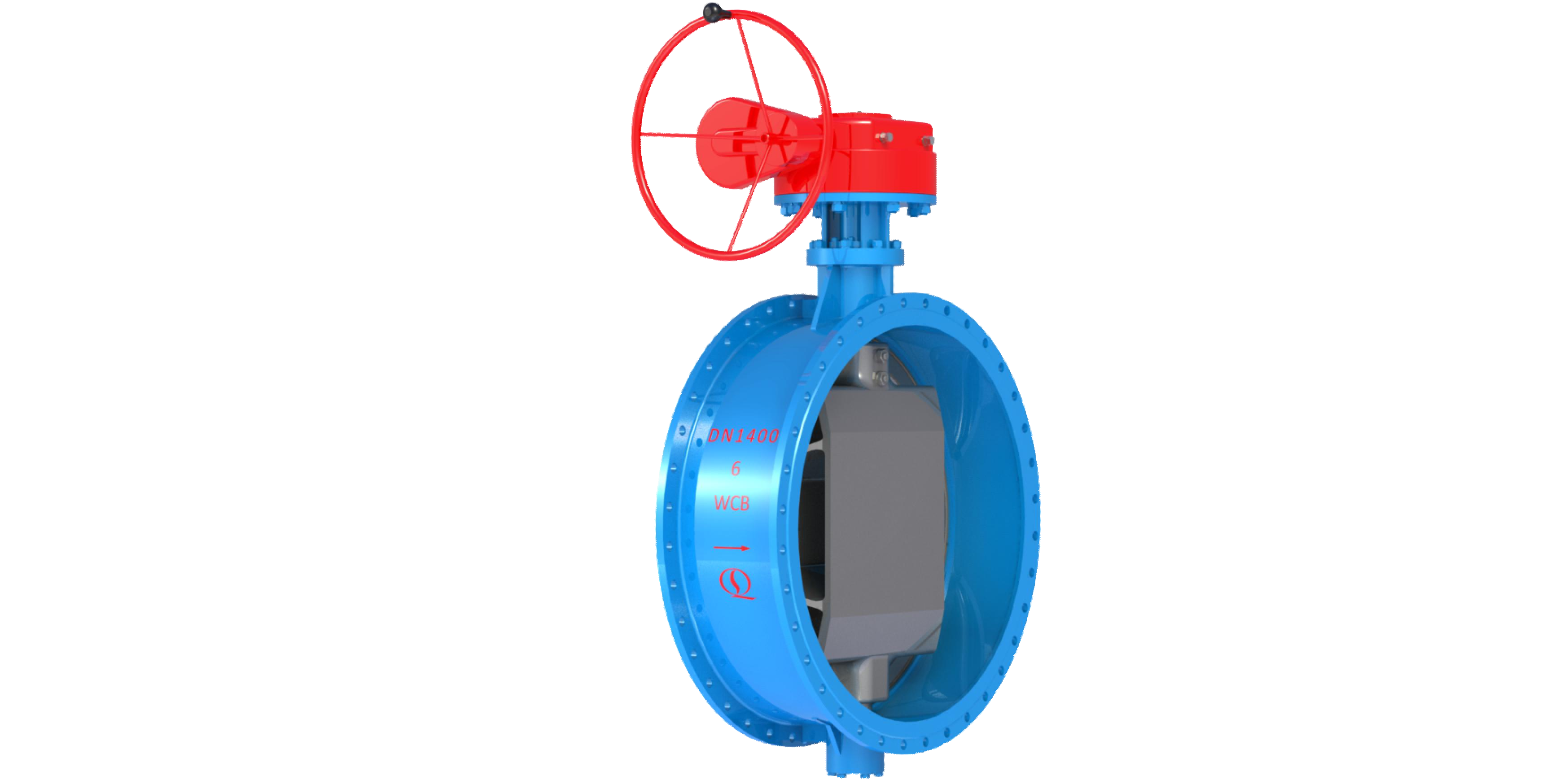
Bidirectional Metal Hard Sealed Seawater Butterfly Valve
Henan Quanshun Flow Control Science & Technology Co., Ltd.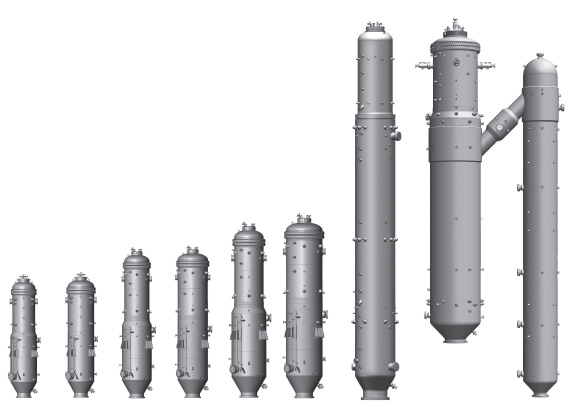
Gasification Furnace Series: Freely Combinable Aerospace Furnace
CHANGZHENG ENGLINEERING CO., LTD.
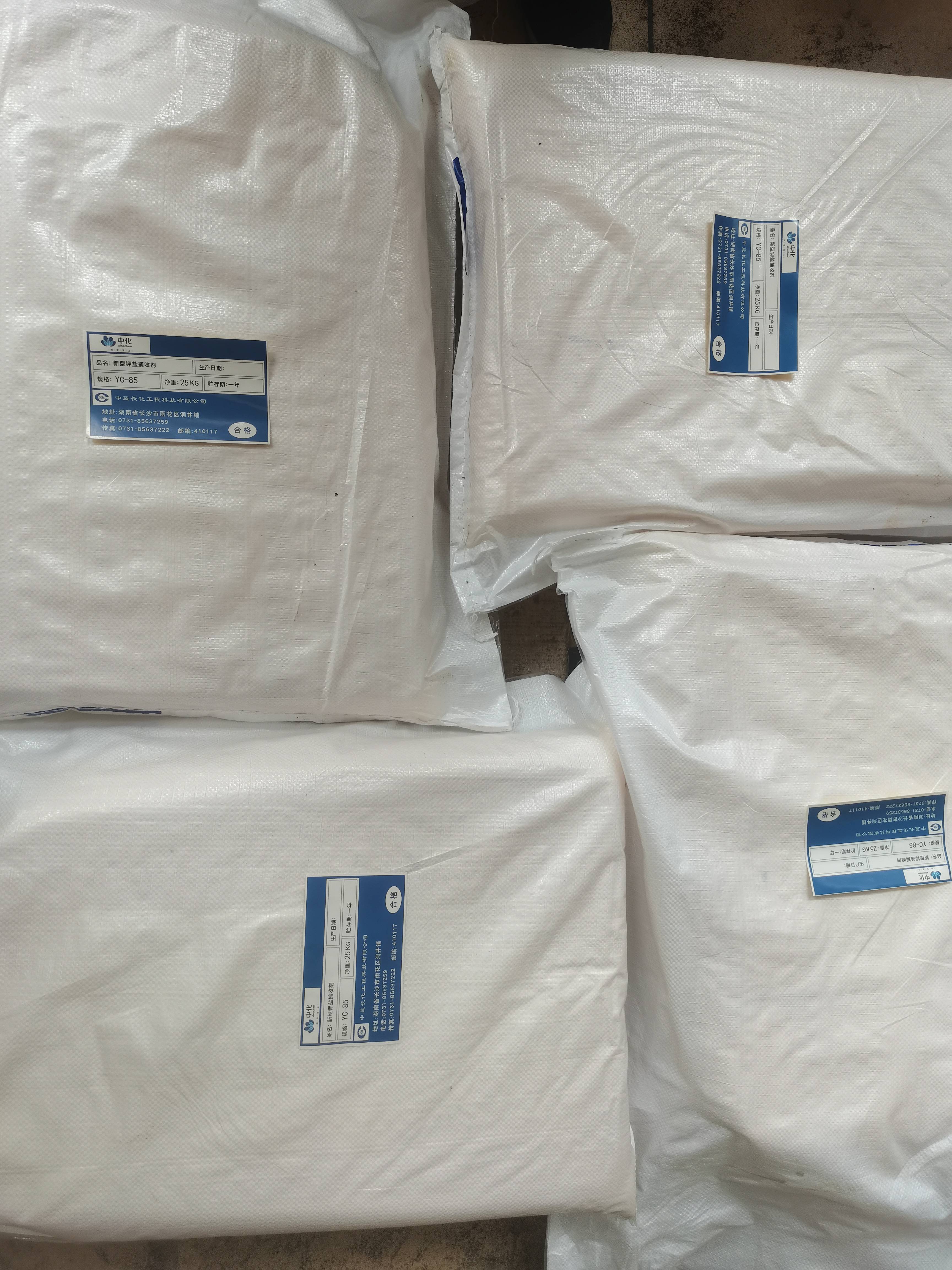
New Environmentally Friendly Green Potassium Salt Collector
Chonfar Engineering and Technology Co., Ltd.