UK's AESC and Agratas Gigafactories Advance with £4 Billion Investment
en.Wedoany.com Reported - The UK is making a series of advances in gigafactory construction, with companies such as AESC, Agratas, and Rigby Group pushing forward large-scale battery manufacturing facility projects across multiple locations in England to meet the rapidly growing demand for batteries from the electric vehicle industry. These large-scale battery manufacturing plants, known as "gigafactories," are named for their annual output of tens of gigawatt-hours (GWh). Currently, most global production capacity is concentrated in China and East Asia, but the UK is one of the first countries in Europe to establish large-scale battery factories. AESC's 1.8GWh plant in Sunderland began production in 2012, and earlier this year, the company launched a second 15.8GWh gigafactory in the same area.
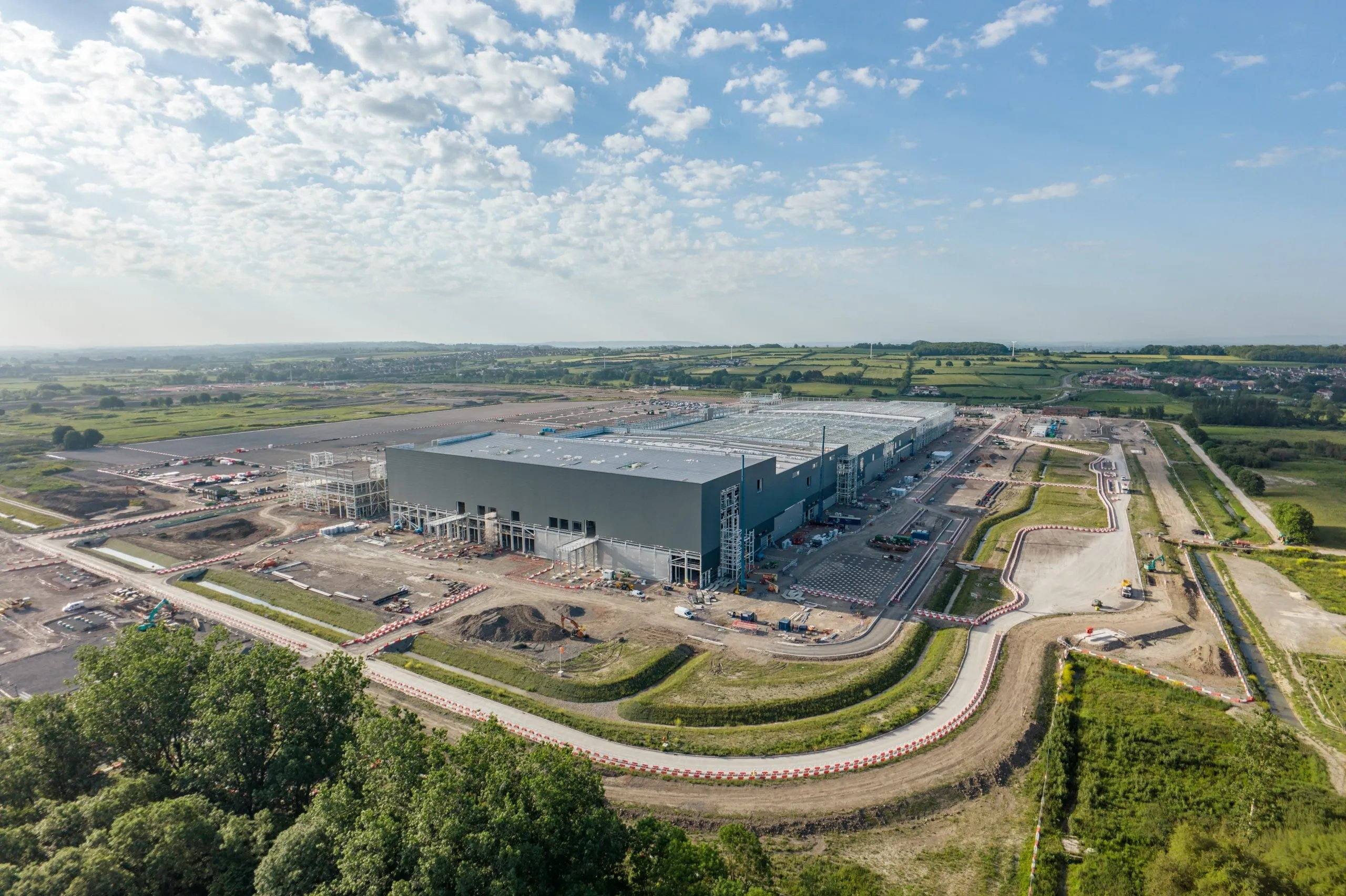
Among other projects, Agratas, a subsidiary of Tata, is accelerating the construction of a £4 billion gigafactory in Somerset with a designed capacity of up to 40GWh; Rigby Group is developing the GreenPower Park project near Coventry, which can accommodate up to 60GWh of production capacity. On the surface, these developments suggest a positive outlook for the UK battery industry, but limited grid infrastructure, high energy prices, and potential border taxes mean the UK faces fierce competition from overseas.
Leeds-based project management specialist Turner & Townsend (T&T) has been involved in the construction of around 30 battery factories globally, including all three current gigafactory projects in the UK. Alessandra Arciero, T&T Director and Head of UK Electric Vehicle Battery Business, stated that compared to many other regions of the world, UK gigafactories have relied on government investment to help offset higher construction and labor costs. She added: "If the UK is to become a major global player and we are to meet our green targets, we need to invest in and build more of these facilities."
Potential gigafactory sites may be relatively limited. Stephen Gifford, Chief Economist at The Faraday Institution and co-author of the UK Gigafactory Commission report "The Future of UK Batteries," estimates that the UK currently has "probably a dozen priority sites" that could support gigafactories, which is likely sufficient to cover demand. The Warwick Manufacturing Group (WMG) estimates that by 2030, UK battery consumption will be slightly over 100GWh per year, and around 200GWh by 2040. Even at the upper limit, this could be met by five large gigafactories.
Recent projects highlight the importance of having an original equipment manufacturer (OEM) customer from the outset. For example, for AESC, it is the adjacent Nissan plant; for Agratas, it is sister brands Jaguar and Land Rover. Gifford said: "In the past, a lot of effort was focused on battery manufacturers, but we are seeing a strategic shift towards attracting automotive OEMs—whether new entrants or existing players in the UK."
Arciero believes that even just a few gigafactories could have a profound economic impact. "We see opportunities for commercial developers and agents on the spokes around the hub," she said, including investments in local road networks or port facilities, raw material logistics, and housing and accommodation for the workforce, all of which create jobs and contribute to GDP.
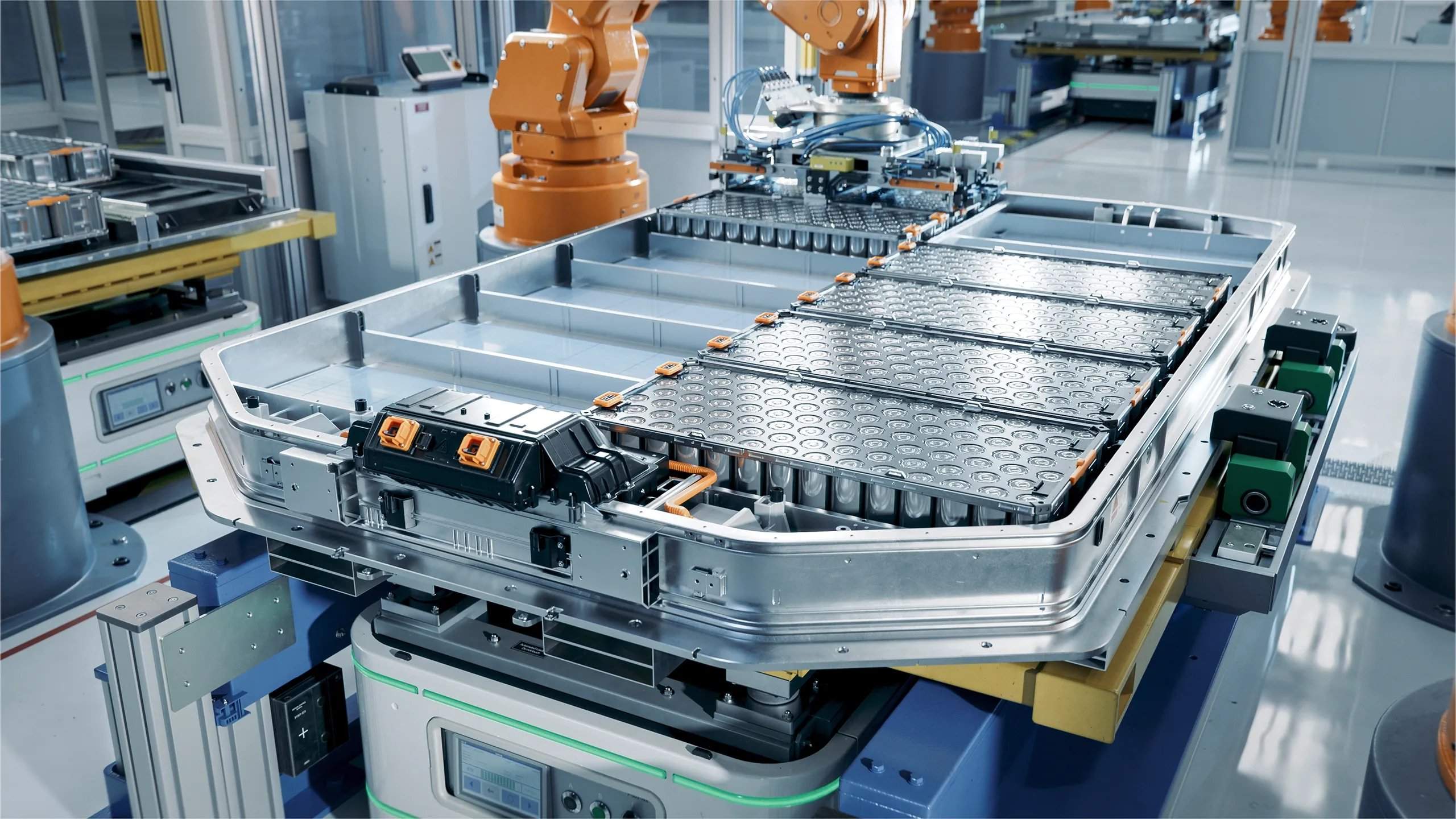
This "hub" effect is very evident around existing automotive plant areas, such as in towns like Basildon, Leamington Spa, and Sunderland. In Somerset, the land used for the Agratas plant was originally part of a Royal Ordnance Factory, purchased by Salamanca Group for its Gravity smart campus development. After investing in utilities and securing planning permission, 307 acres were sold directly to Agratas. Sir Robert McAlpine was initially brought in as a construction partner, but the two parties agreed to part ways in June, after which TSL was announced as the new construction partner. The first giant building on the site is reportedly expected to be operational next year, with full operations planned for the early 2030s.
GreenPower Park is a joint venture. Rigby Group acquired a long-term lease on Coventry Airport in 2010, with Coventry City Council retaining the freehold. Mike Murray, Director of Commercial Real Estate at Rigby Group, said the initial plan was to build a single 5.7 million square foot factory, but the focus has since shifted to dividing the site into smaller plots. Murray stated that a single major occupant could still demand a 60GWh factory, but battery manufacturers want more flexibility and may prefer a 30GWh plant while leaving room for supply chain partners.

Murray noted that grid connection is a major part of the plan. The Coventry site will receive 50 megavolt-amperes (MVA) of power by 2030, sufficient to support 30GWh to 45GWh of production, with the option to introduce an additional 180MVA from 2032 onwards. The upper limit of the plant's power demand is comparable to that of a large data center or even a small town, representing a massive commercial undertaking. Although electric vehicle sales have not fully met the UK's zero-emission vehicle mandate targets, growth has rebounded significantly from the slowdown in 2024, with EV sales rising 17.5% year-on-year in June. Murray said there is no lack of demand for batteries in the UK, but "where we are now is turning opportunities into investable projects and moving forward at the speed manufacturers require."
Related Products

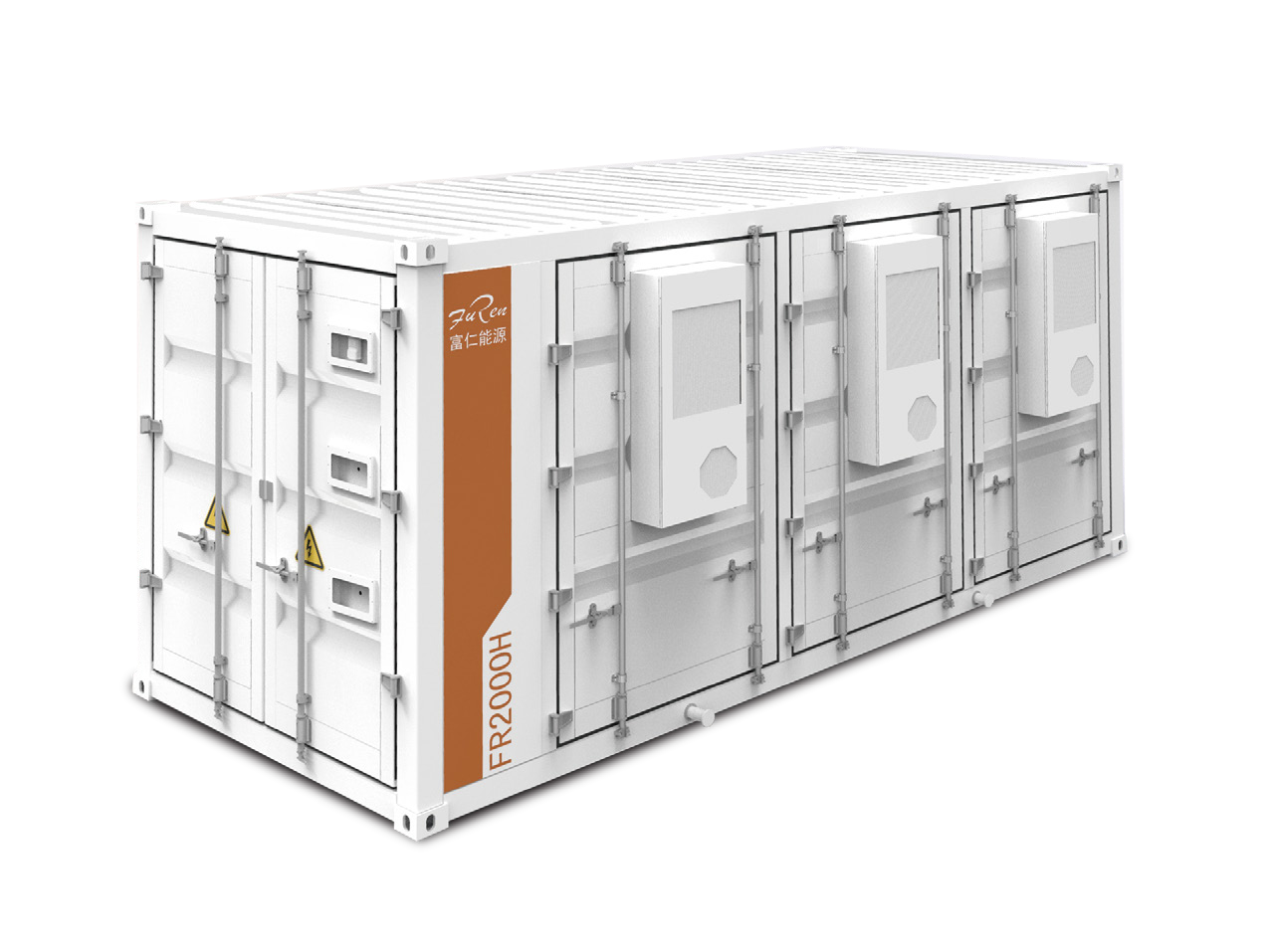
FR2000H 2.15MWh (Air-cooled) 20-foot Containerized Energy Storage System
Jiangyin Furen High-tech Co., Ltd.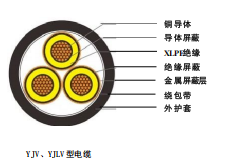
Rated Voltage 6-35kV Cross-linked Polyethylene Insulated Power Cable
TONGDING INTERCONNECTION INFORMATION CO., LTD.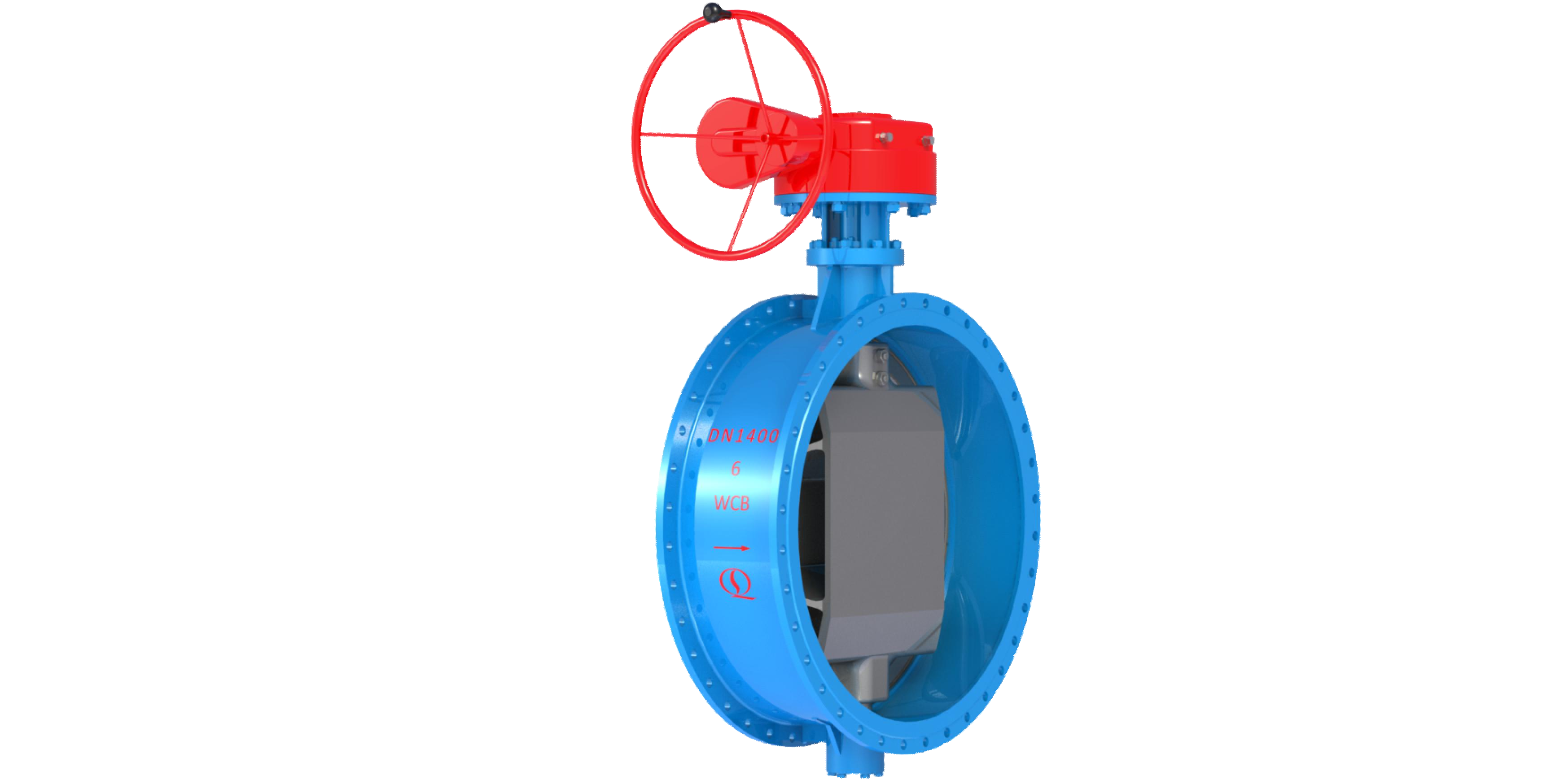
Bidirectional Metal Hard Sealed Seawater Butterfly Valve
Henan Quanshun Flow Control Science & Technology Co., Ltd.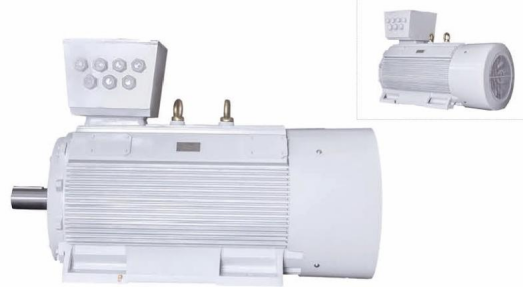
YE3 Series Low Voltage High Power Three-Phase Asynchronous Motor
Shandong Lijiu Electrical Machinery Co., Ltd.
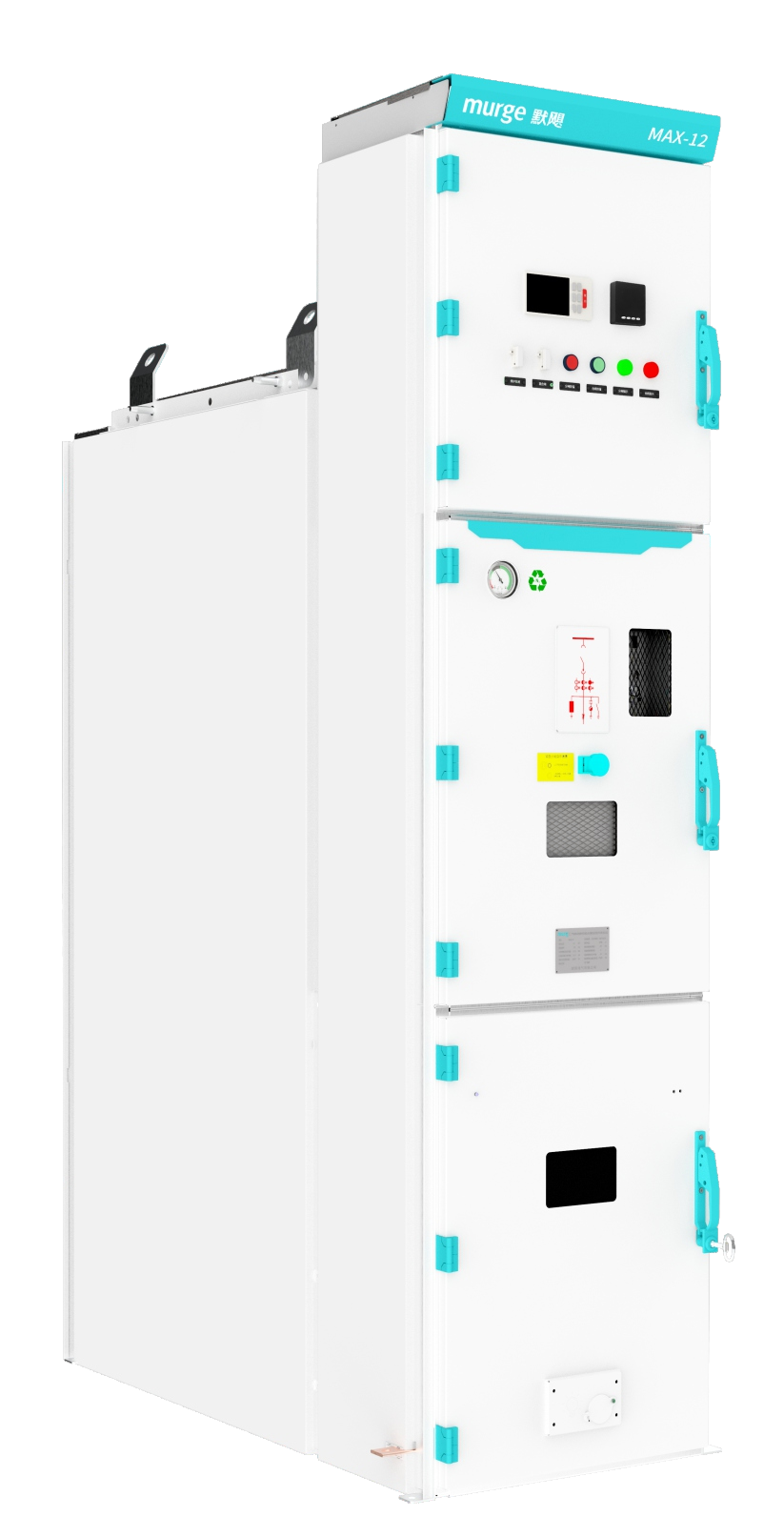
MAX-12 series Environmental Protection/SF6 gas insulated switchgear (C-GIS)
Murge Electric Co.,Ltd.

CAP1400 main feedwater flow nozzle flowmeter.
Jiangsu Hongda Instrument Technology Co., LTD.
Forest and Grassland Heat Source Infrared Monitor
China Huayun Meteorological Technology Group Co., Ltd.