South Korea's HD Hyundai Heavy Industries Completes Assembly of Final ITER Vacuum Vessel Sector Module
en.Wedoany.com Reported - HD Hyundai Heavy Industries has completed the assembly of a vacuum vessel sector module, a core component of the International Thermonuclear Experimental Reactor (ITER), marking a technological turning point for the artificial sun project.
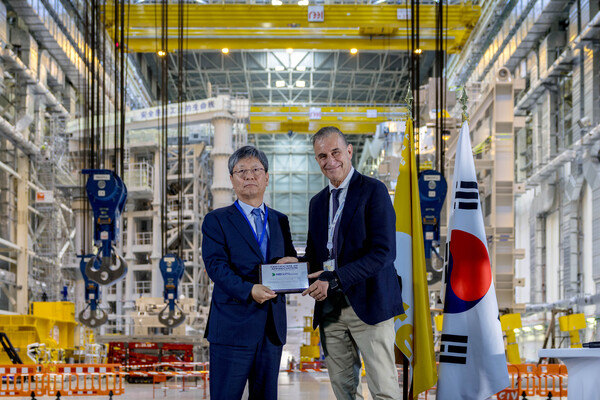
On July 22 local time, HD Hyundai Heavy Industries attended the "Korea-ITER Fusion Day" event at the ITER construction site in Cadarache, southern France, to commemorate the completion of the module assembly for the final vacuum vessel sector. Approximately 150 officials from South Korea's Ministry of Science and ICT and domestic and international research institutions participated in the event, sharing the procurement outcomes led by South Korea and discussing future international cooperation plans.
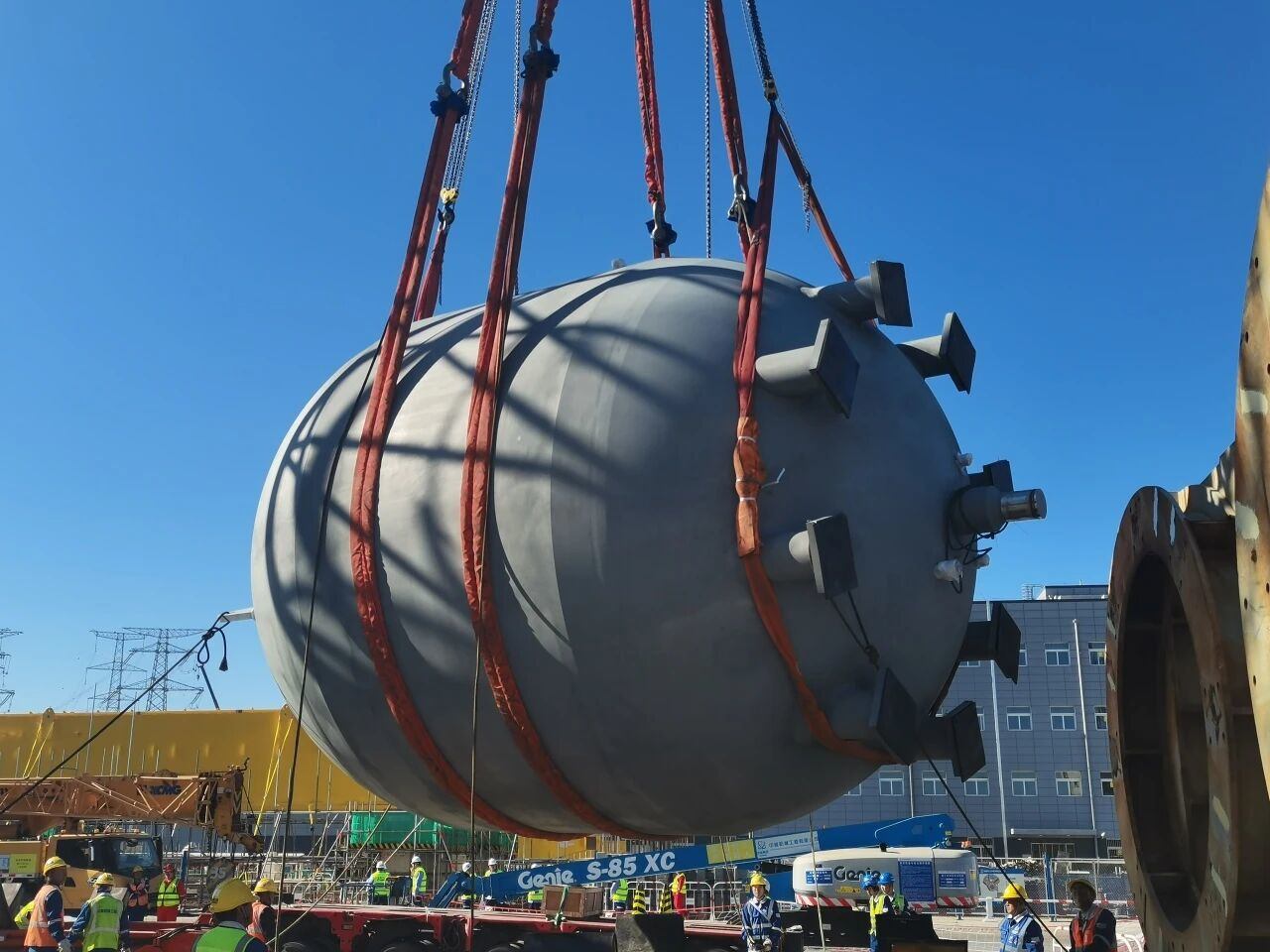
The sector module assembled this time is a combination of the last vacuum vessel sector manufactured by HD Hyundai Heavy Industries, along with thermal shields and superconducting magnets. The module has been moved to the Tokamak pit and is ready for final assembly. In the future, it will be combined with eight other sector modules to form a donut-shaped vacuum chamber weighing approximately 5,000 tons. ITER is the largest energy engineering project in human history, jointly advanced by seven parties, including South Korea, the United States, the European Union, and Japan.
HD Hyundai Heavy Industries is fully responsible for manufacturing the vacuum vessels for four sectors (44% of the total nine sectors). The company received two orders allocated to South Korea in 2010, additional orders from the European Union in 2016, and successfully delivered all products this year.
The vacuum vessel is a core component of the fusion reactor, required to withstand ultra-high-temperature plasma exceeding 100 million degrees Celsius while maintaining a high vacuum state. This component is an ultra-large structure measuring 11.3 meters in height and weighing nearly 400 tons, with extremely high assembly precision requirements between each sector, allowing errors of no more than one millimeter. HD Hyundai Heavy Industries applied welding and quality management technologies accumulated over decades in shipbuilding and offshore plant construction to this project.
HD Hyundai Heavy Industries Executive Vice President Won Kwang-sik stated in his speech that this achievement is the fruit of South Korea's industrial technology competitiveness and international cooperation.
HD Hyundai Heavy Industries has previously participated in fusion technology projects, including leading the structural design of the main device for the Korea Superconducting Tokamak Advanced Research (KSTAR) facility, completed in 2007, and laying the foundation for domestic fusion research by producing large-scale ultra-high vacuum vessels and cryogenic containers.
Related Products


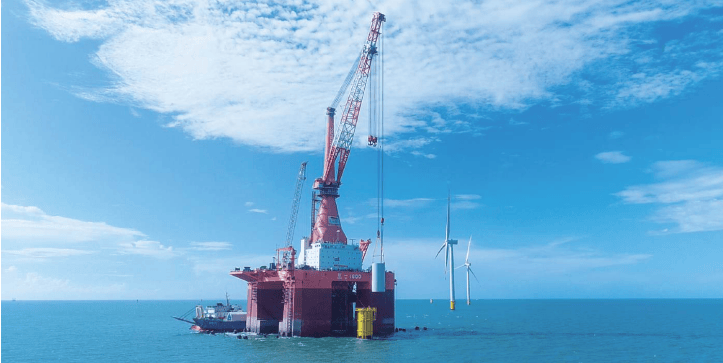
"Shunyi 1600" Deep-submerging Bottom-sitting Multi-functional Wind Power Engineering Vessel
Zhengli Offshore Engineering Co., Ltd.
High-voltage Direct Current (HVDC) Transmission System Research and Integrated Design
XI'AN XD POWER SYSTEMS CO., LTD.
Standard Nozzle Flowmeter
Jinggong Automatic Control Instrument Complete Technology Development Company