Hannover Messe 2026: Humanoid Robot Shipments to Exceed 700,000 Units by 2032
en.Wedoany.com Reported - The 2026 Hannover Messe sent a clear signal: technologies such as industrial artificial intelligence, humanoid robots, and software-defined automation are moving from proof of concept to actual deployment. Matthieu Kulezak, Senior Analyst at Interact Analysis, stated that AI has moved beyond the hype cycle into a more mature adoption phase, with discussions at the exhibition shifting focus to application scenarios, customer cases, and measurable industrial outcomes.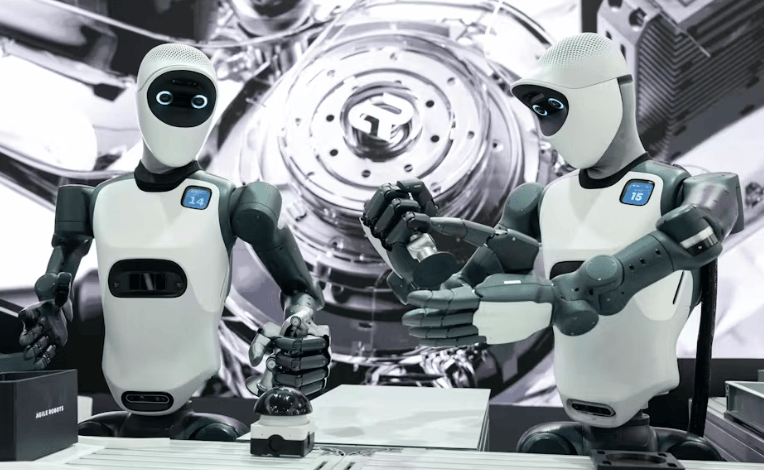
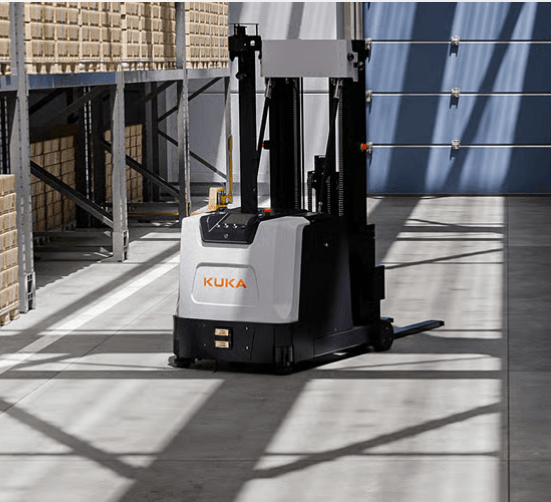
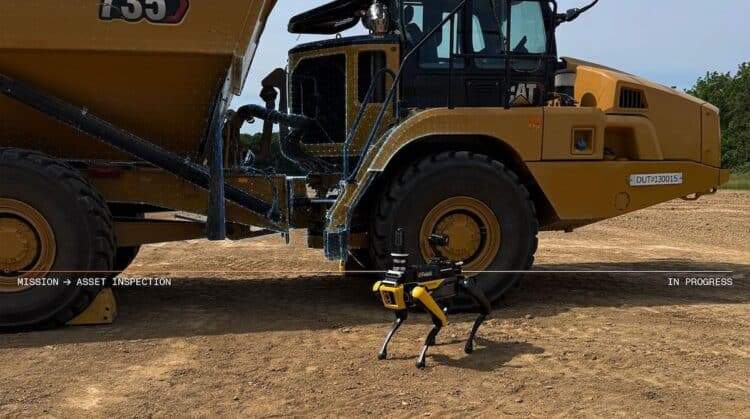
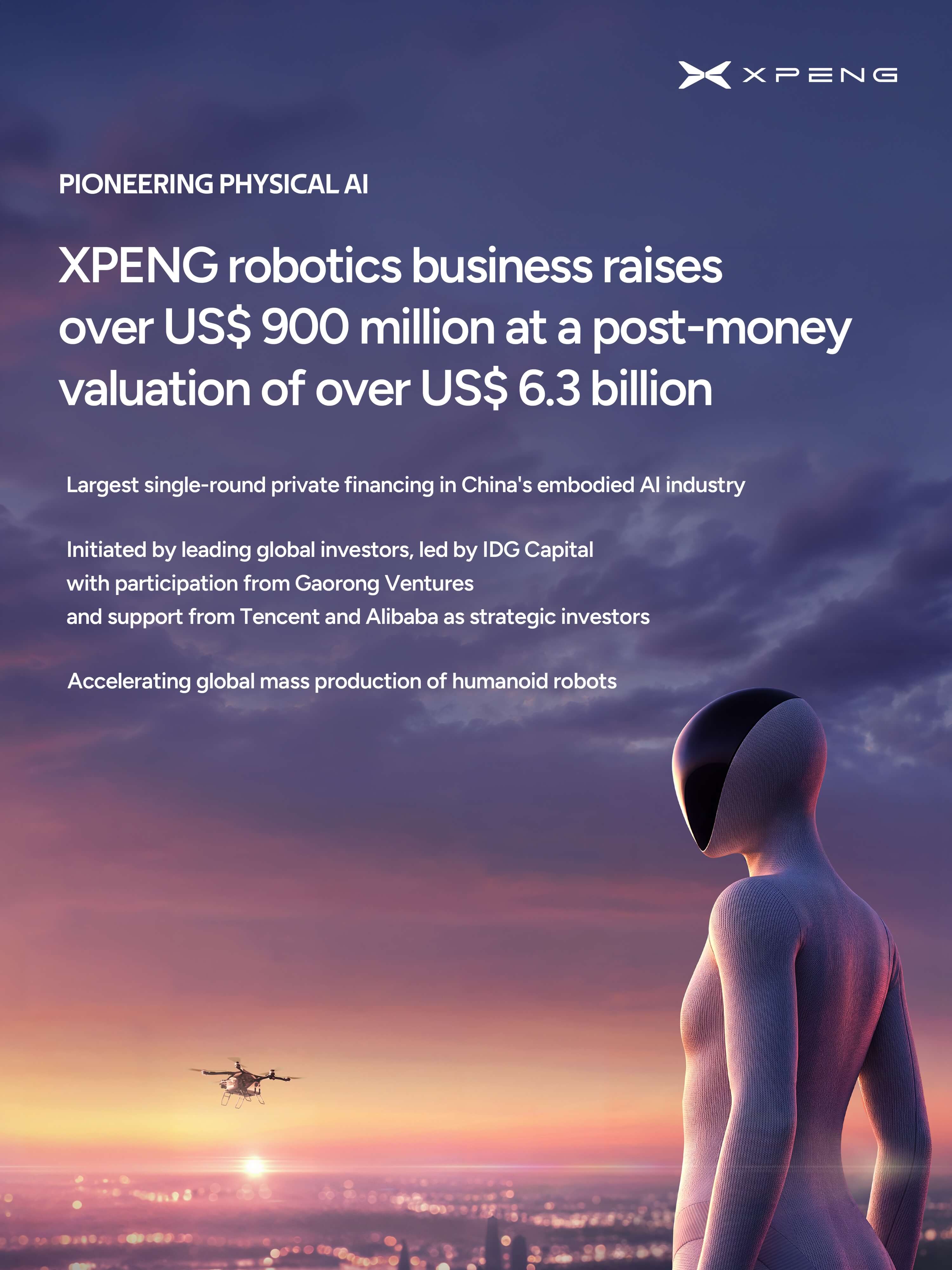
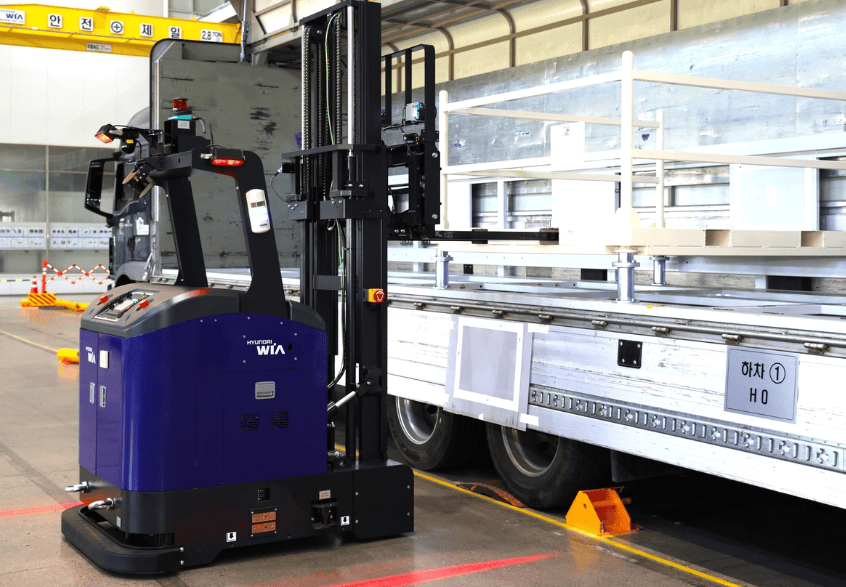
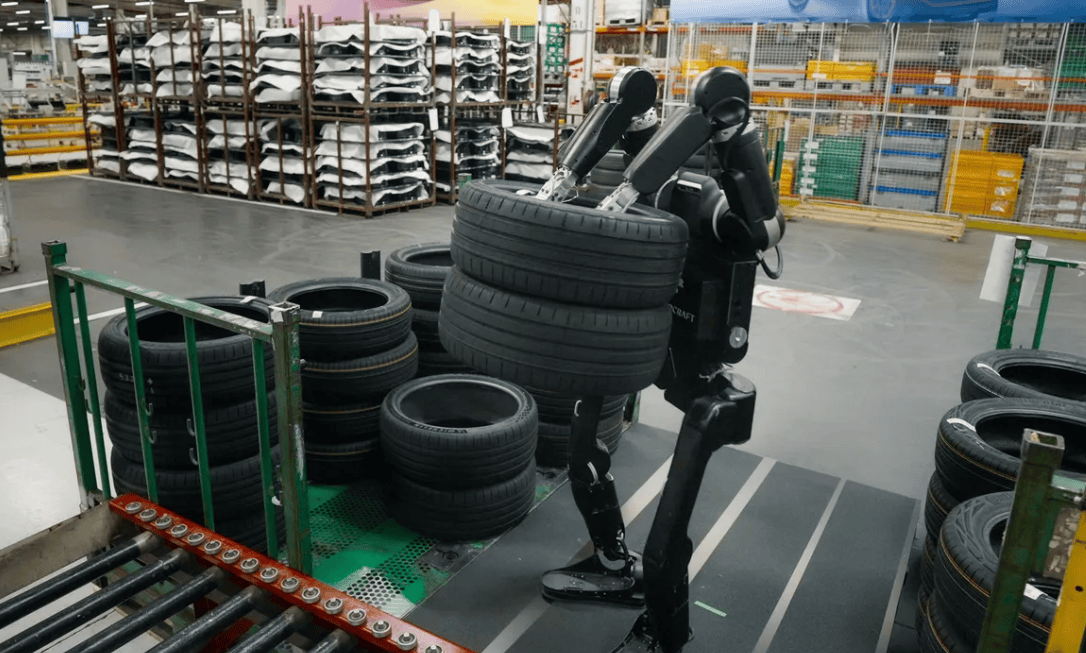
The high visibility of humanoid robots at Hannover Messe contrasts with their low profile at logistics exhibitions such as LogiMAT and MODEX. Agile Robots focuses on industrial deployment, while Schaeffler, with its Hermes Award-winning actuator platform, demonstrates that scaling humanoid robot systems requires advances in both mechanical engineering and AI. Kulezak noted that branding is a key driver, as companies aim to secure positions in potentially important markets early. Interact Analysis expects humanoid robot shipments to exceed 700,000 units by 2032, but initial shipments will primarily come from training and testing. Some manufacturers are re-evaluating the necessity of bipedal forms and exploring wheeled platforms for industrial efficiency.
The humanoid robot supply chain is taking shape, involving precision gears, compact actuators, machine vision sensors, and battery technology. Kulezak stated that battery manufacturers have already developed relevant technologies for industrial vehicles such as forklifts, which can be quickly adapted to robot platforms; gear manufacturing, particularly by Italian and German companies, is seeing growing interest. Currently, China leads in humanoid robot assembly, but component supply is dispersed across Europe, the Americas, and Asia, with geographic distribution expected to adjust as the market heats up.
The trend of software-defined automation is emerging: functions traditionally performed by programmable logic controllers (PLCs) are migrating to virtual PLCs running on general-purpose computing platforms. Kulezak compared this shift to the transition from film to digital photography, suggesting it will reshape the competitive landscape of automation. He noted that this year marks a turning point, with more companies moving from pilot projects to production deployment, though the pace of widespread adoption remains difficult to measure precisely.
The convergence of information technology (IT) and operational technology (OT) remains a fundamental challenge. OPC UA is being promoted as a universal communication framework to connect PLCs and control systems from different vendors. Kulezak emphasized that meaningful AI deployment requires first addressing integration at the factory level.
Defense-related manufacturing demand has emerged as a hidden trend. European automation suppliers widely cite opportunities from defense projects, which intersect with data center construction in areas such as cooling, ventilation, and environmental control. Kulezak believes suppliers view defense as a closely related growth opportunity, though its sustainability is subject to political shifts.
Reshoring investments are more focused on expanding and modernizing existing facilities rather than building new plants. High interest rates, rising operating costs, and risks associated with greenfield investments are leading manufacturers to favor increasing shifts, upgrading equipment, and automation retrofits. Kulezak pointed out that suppliers' business focus has shifted from new projects to existing facilities.
Related Products


Industrial and Commercial Point-Type Gas Detector
Jinan Benan Technology Development Co., Ltd.

Pneumatic high-pressure wear-resistant ball valve
Zhejiang Deca Control Valve Meter Co., Ltd.
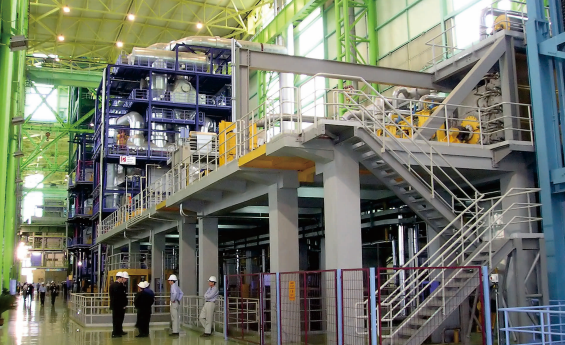
Strip Coating and Plating Production Line Equipment
MCC-SFRE HEAVY INDUSTRY EQUIPMENT CO., LTD.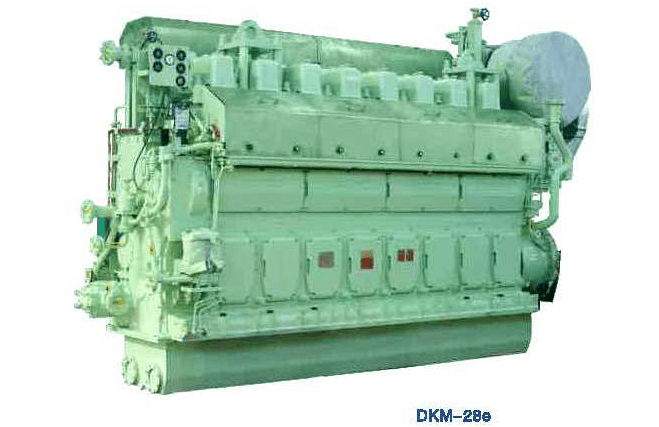

CAP1400 main feedwater flow nozzle flowmeter.
Jiangsu Hongda Instrument Technology Co., LTD.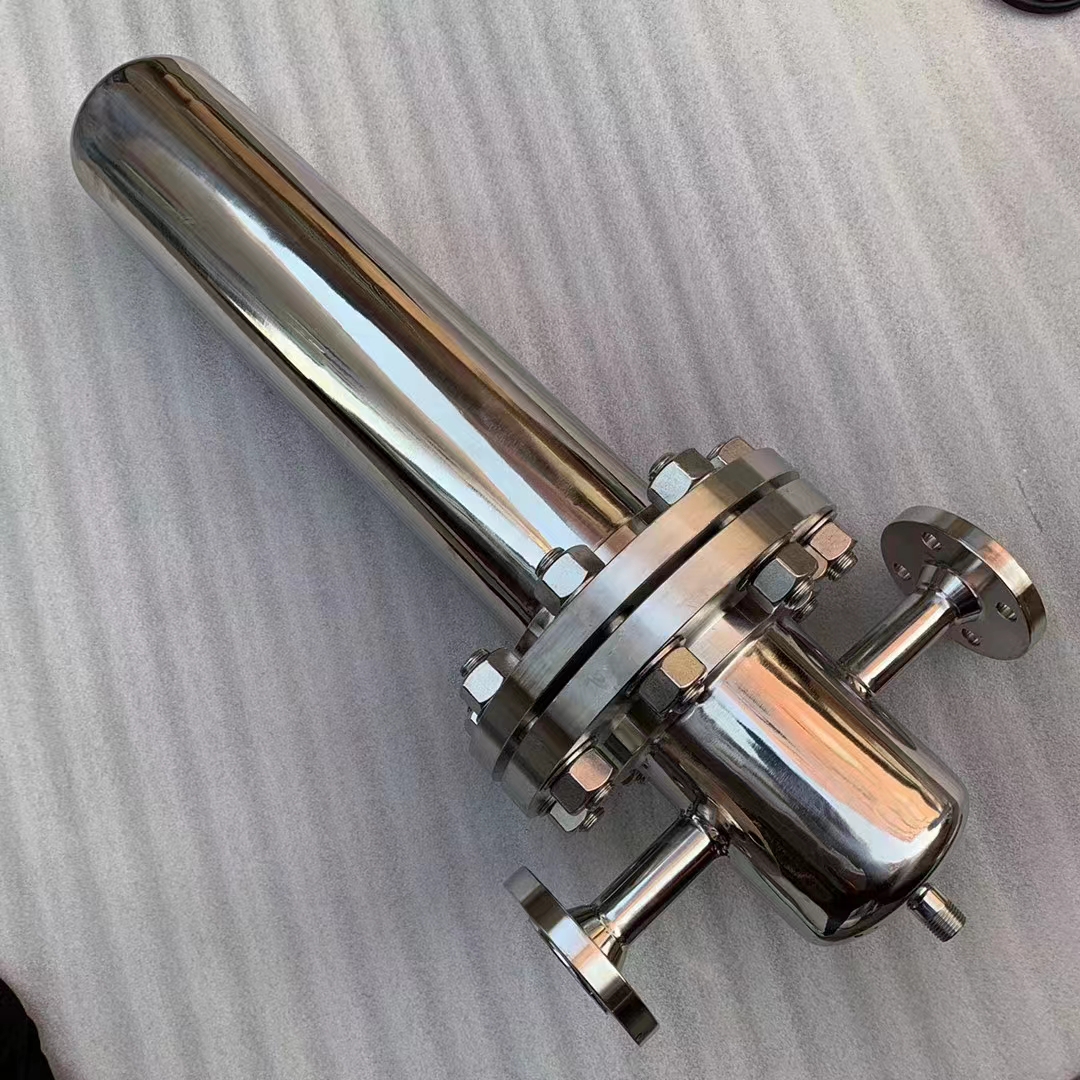
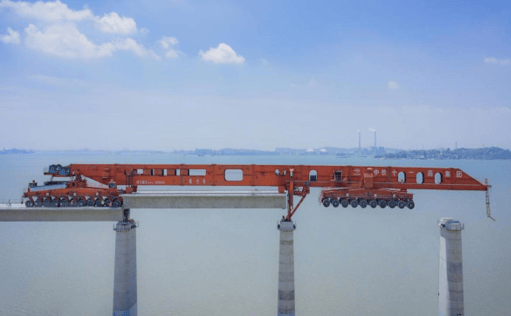
High-Speed Railway Lifting, Transporting, and Erecting Equipment: Integrated Transport and Erection Machine
Hanjiang Heavy Industry Co., Ltd. of China Railway 11th Bureau Group
Standard Nozzle Flowmeter
Jinggong Automatic Control Instrument Complete Technology Development Company