China's DPVR Completes RoboPilot Adaptation for JAKA K1 and DOBOT NOVA5
en.Wedoany.com Reported - After WAIC 2026, attention on embodied intelligence and the robotics industry has continued to heat up, with the sector accelerating its shift from technology demonstrations to application validation. Efficiently acquiring real, continuous, and reusable high-quality data has become a fundamental condition for the deployment of embodied intelligence.
In July, China's DPVR Technology Co., Ltd. further refined the ecosystem layout of its RoboPilot robot teleoperation and embodied data collection solution. This solution has completed adaptation and debugging for two collaborative robots, the JAKA K1 and the DOBOT NOVA5, expanding its compatibility across different robot platforms and application scenarios.
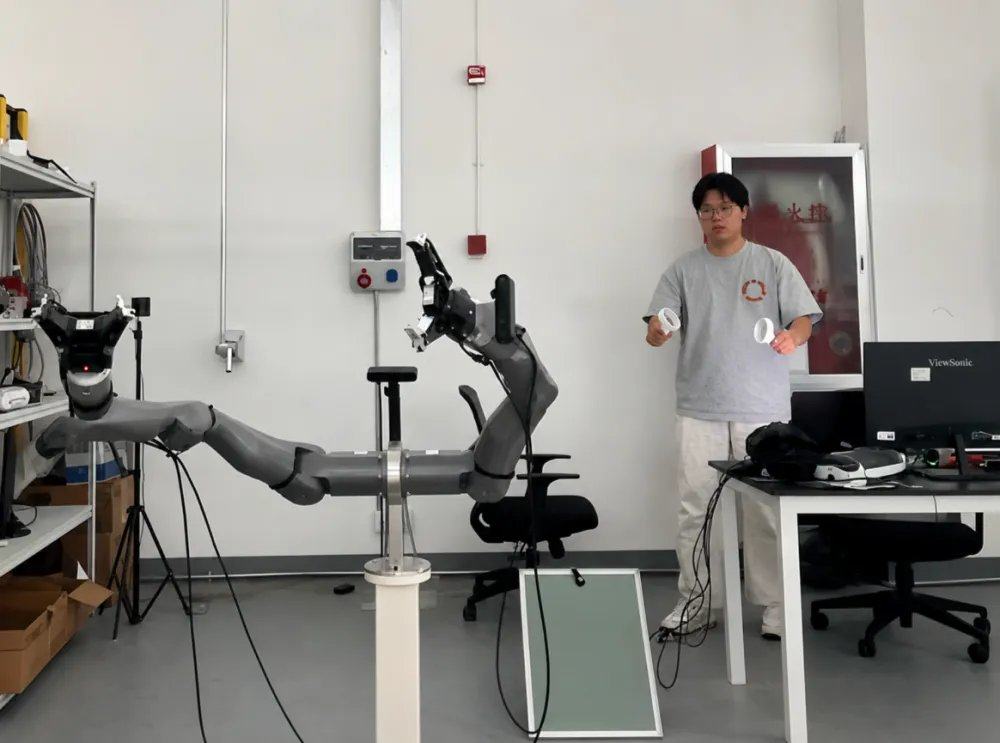
Leveraging the DPVR E4 Embodied Edition, operators can remotely control both robots in real-time to perform tasks in corresponding scenarios through immersive spatial interaction. Simultaneously, key training data such as motion trajectories, spatial poses, and operation paths are collected synchronously, achieving an integration of remote control and standardized data collection.
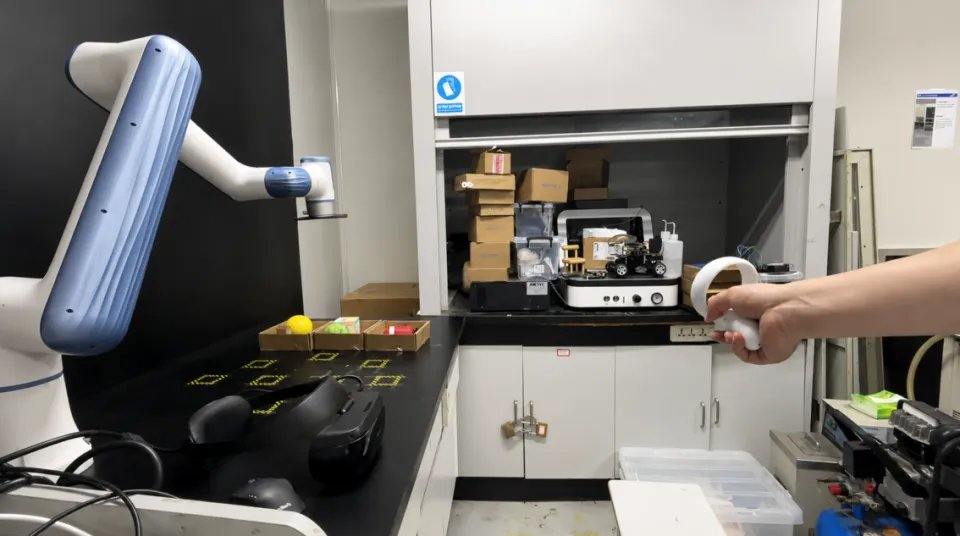
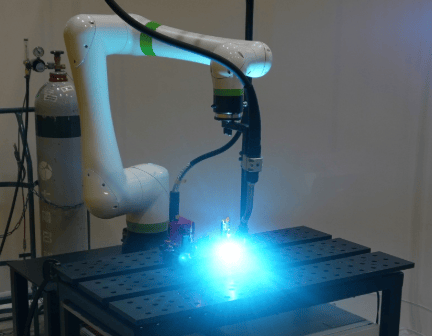
This adaptation covers two typical scenarios: industrial training and commercial services. The JAKA K1 is designed for industrial-grade collaborative applications, suitable for scenarios like industrial manufacturing, scientific research training, and teaching exercises, supporting standardized tasks such as grasping, handling, assembly, and machine tending. The DOBOT NOVA5 focuses on lightweight collaboration and front-end service scenarios, suitable for training service actions like flexible delivery, object organization, interactive demonstrations, and health massage. The differentiated adaptation of these two models validates RoboPilot's application scalability across multi-scenario, multi-category robot platforms.
As a core solution launched by DPVR for the embodied intelligence field, RoboPilot leverages DPVR's technical accumulation in 6DoF spatial positioning, low-latency interaction, and PCVR commercial hardware development to build a complete chain of "immersive human demonstration - robot task execution - data collection and accumulation." The DPVR E4 Embodied Edition, as the core interactive terminal of the solution, provides operators with stable spatial positioning capabilities and an immersive operational experience, helping users perform more intuitive spatial judgment, task control, and motion demonstration in remote environments.
At the same time, while ensuring high-precision immersive interaction capabilities, RoboPilot achieves approximately 50% cost reduction through hardware architecture and system structure optimization. This helps customers build robot teleoperation systems and deploy data collection processes at a lower threshold, enhancing the solution's deployment efficiency in scientific research training, enterprise R&D, and multi-scenario validation.
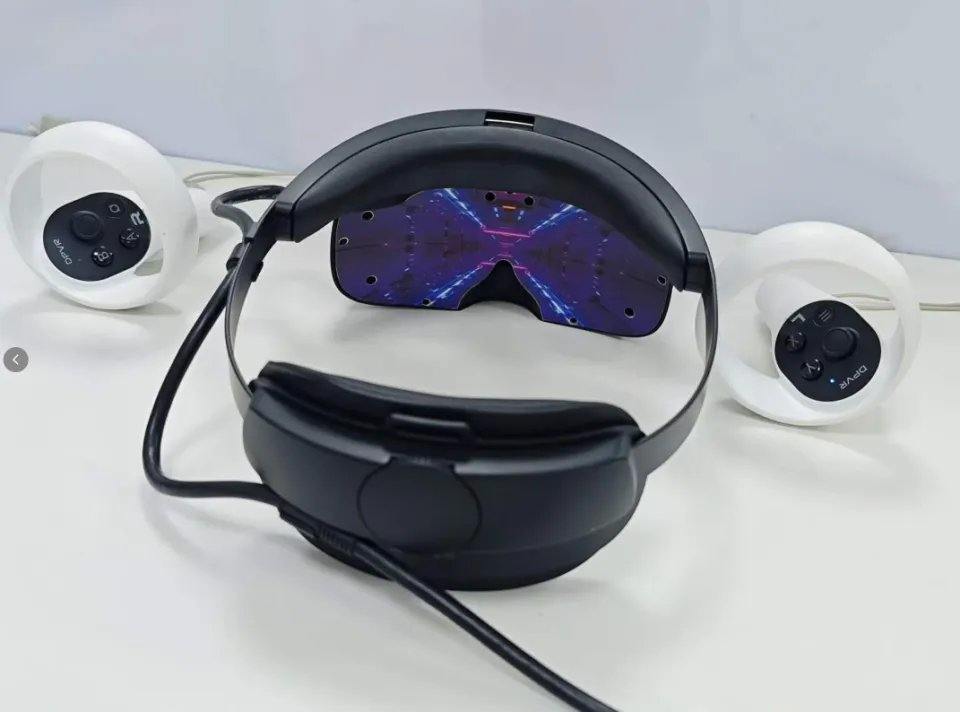
High-quality structured data is an important foundation for the iteration of embodied intelligence models and the upgrading of robot skills. By using VR teleoperation, RoboPilot standardizes and digitizes the human demonstration process, improving data collection efficiency in real-world scenarios. Data collected during operations, such as motion trajectories, spatial poses, and operation paths, can be further applied to robot action reproduction, algorithm model training, and control strategy optimization, helping enterprises and research institutions accumulate sustainable and reusable data assets.
Currently, DPVR is continuously advancing ecosystem adaptation and cooperation with more robot bodies, dexterous hands, motion control systems, and simulation data platforms. In the future, DPVR will continue to focus on the needs of embodied intelligence scenarios, enhancing the practicality, compatibility, and deployment efficiency of the RoboPilot solution, providing a stable immersive spatial interaction entry point for the R&D and industrial implementation of embodied intelligence technology.
Related Products

Standard Nozzle Flowmeter
Jinggong Automatic Control Instrument Complete Technology Development Company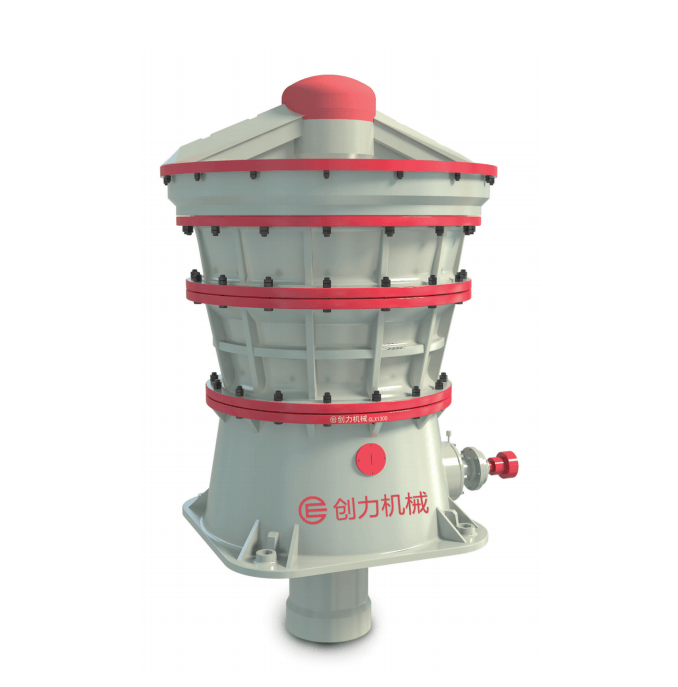
CLX Series Intelligent Hydraulic Gyratory Crusher
Guangdong CHUANGLI intelligent machinery Equipment Co., LTD
Industrial and Commercial Point-Type Gas Detector
Jinan Benan Technology Development Co., Ltd.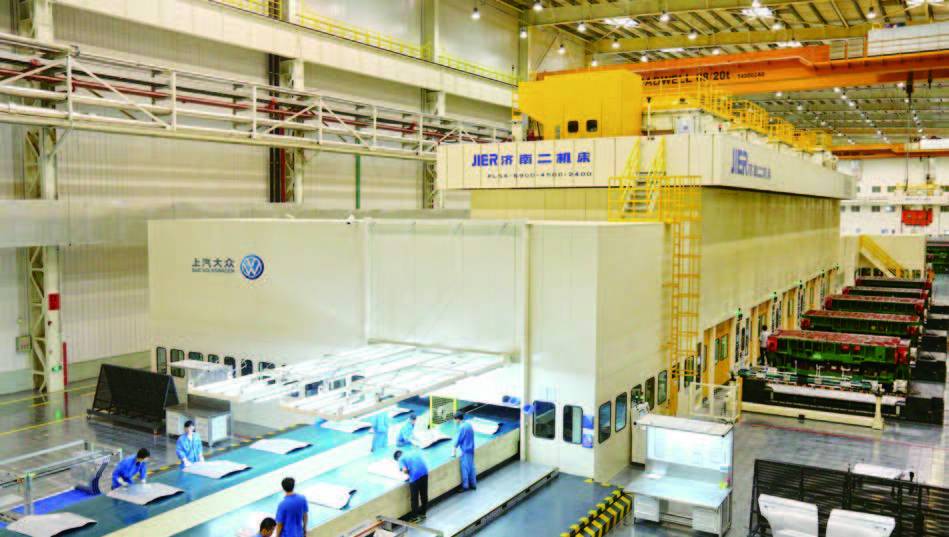
High-Speed Flexible Fully Automatic Stamping Production Line
JIER Machine-Tool Group Co., Ltd.
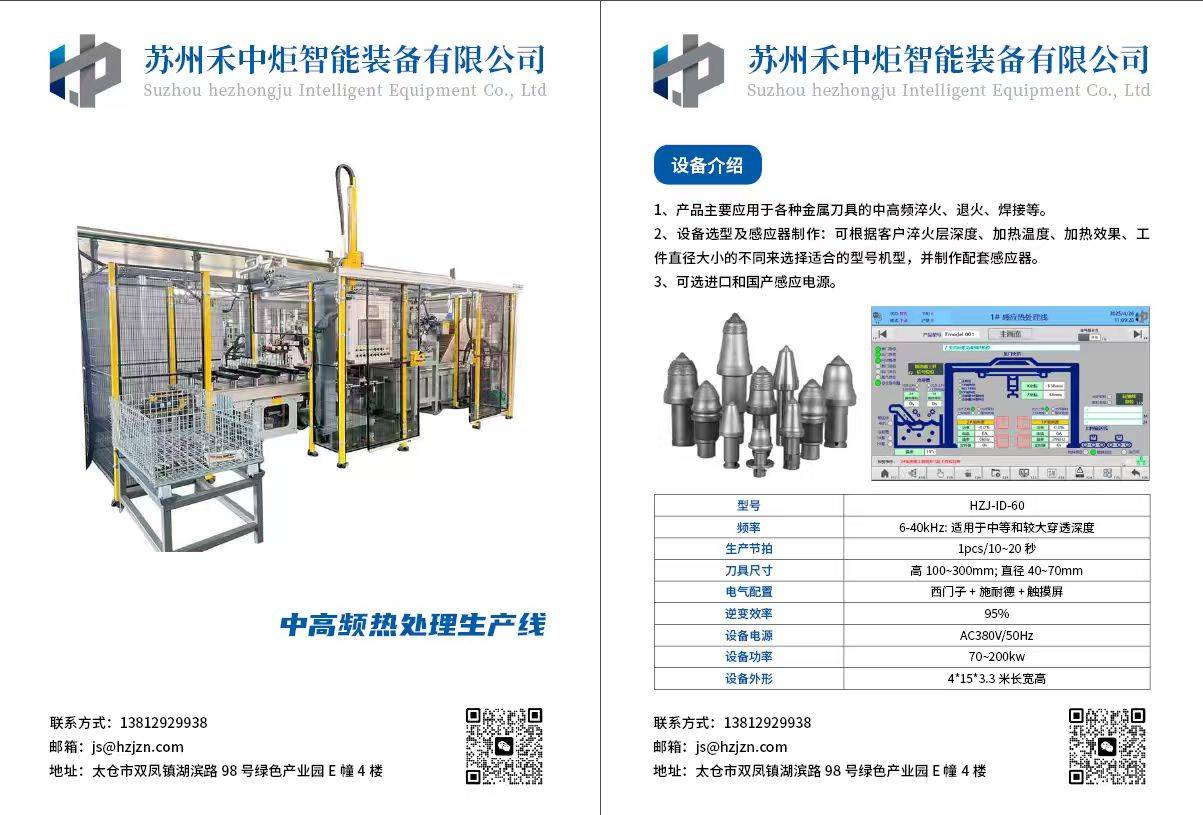
Excavator Bucket Teeth Heat Treatment Production Line
Suzhou Hezhongju Intelligent Equipment Co., Ltd.