General Motors' Gravataí Plant in Brazil Reaches 5 Million Cumulative Vehicles Produced
en.Wedoany.com Reported - General Motors' plant in Gravataí, Rio Grande do Sul (Gravataí, RS), has reached a cumulative production of 5 million vehicles. The plant began operations in July 2000, initially producing the Celta model. Over 26 years, it has undergone continuous modernization and currently assembles the Onix, Onix Plus, and the newly launched Sonic model.
The 5 millionth vehicle, marking this milestone, is a Sonic RS in Cinza Urbano (Urban Gray) color. As Chevrolet's first plant outside the state of São Paulo, this facility in Rio Grande do Sul has received over 6 billion reais in investments to date, evolving from a single production line dedicated to the Celta into one of General Motors' most modern plants globally.
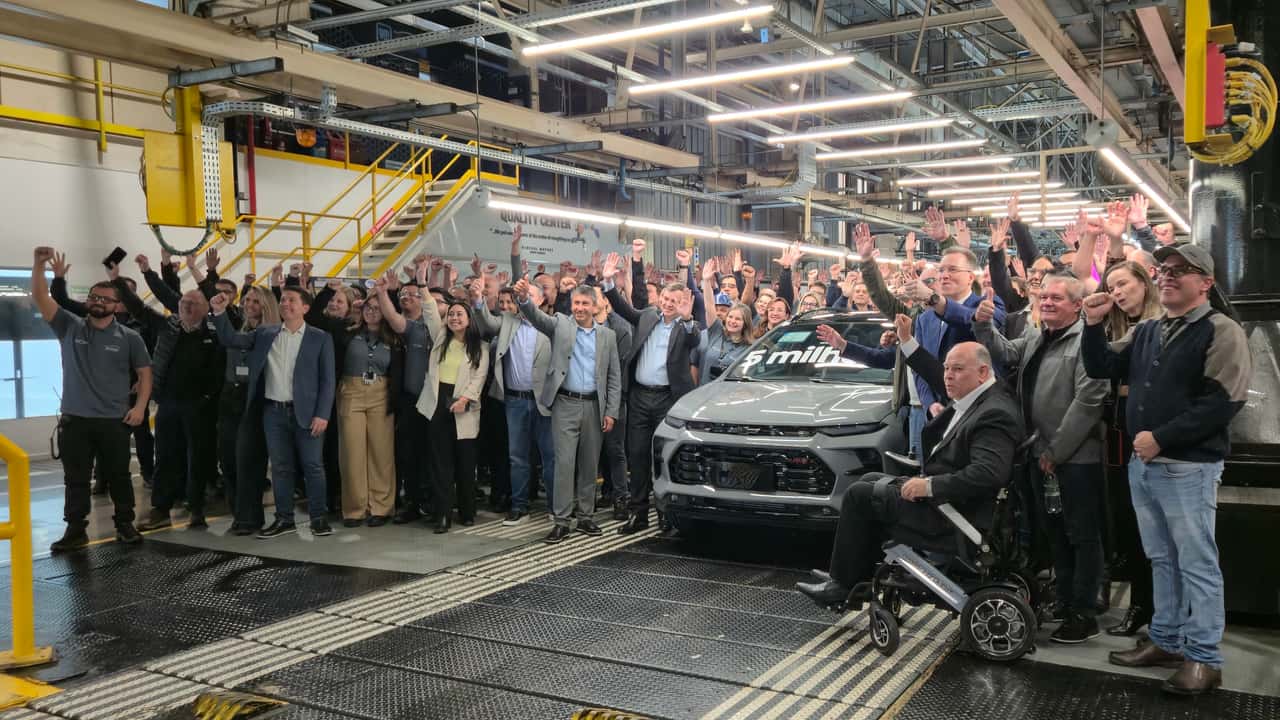
The plant officially began operations on July 20, 2000, initially producing the Celta model, developed under the codename "Arara Azul." This hatchback was positioned as an entry-level replacement for the Corsa, marking Chevrolet's establishment of its first production base outside São Paulo state. Production of the Celta continued until 2015, with ongoing upgrades to its exterior design, interior features, and powertrain.
The plant is located within the Gravataí Automotive Industrial Complex (Complexo Industrial Automotivo de Gravataí), approximately 30 km from Porto Alegre (Porto Alegre, RS). The complex operates on an industrial condominium model, concentrating suppliers around the production line. Components such as wheels, tires, and wiring harnesses are delivered directly for assembly, significantly reducing reliance on traditional logistics services.
The plant's first major expansion occurred in 2006. Following the upgrade, annual production capacity increased to 230,000 vehicles, and production began on the first-generation Prisma model (a derivative based on the Celta platform).

The Prisma model was launched with a design language similar to the third-generation Vectra, a style later adopted for the hatchback version on the same platform. As the successor to the Classic, the first-generation Prisma expanded Chevrolet's share in the compact sedan market, but its lifecycle was relatively short, ending production in October 2012 to make way for an all-new model based on the Onix platform.
In 2010, the plant's capacity was again increased to 350,000 vehicles per year to accommodate the all-new Onix project launched in 2012. The Onix was developed on the GSV (Global Small Vehicle) platform, spawning the second-generation Prisma, the Cobalt sedan, and the Spin multi-purpose vehicle (the latter produced in São Caetano do Sul, SP).
With the first-generation Onix, Chevrolet topped Brazil's automotive sales charts for six consecutive years, ending the long-standing market dominance of the Volkswagen Gol.
This project marked General Motors' shift away from compact car platforms originating from Opel and Vauxhall, prioritizing architectures developed specifically for emerging markets like Latin America.
In August 2017, the plant received an investment of 1.4 billion reais to update its production lines for the second generation of compact cars. The Onix and Onix Plus entered production between 2019 and 2020, built on the GEM (Global Emerging Markets) platform, which was co-developed by General Motors' engineering centers in Brazil and China.
The new platform offered improvements in body structure, handling, and safety. It was primarily aimed at the Latin American and Chinese markets and also spawned the locally produced Tracker model (produced in São Caetano do Sul since mid-2020).
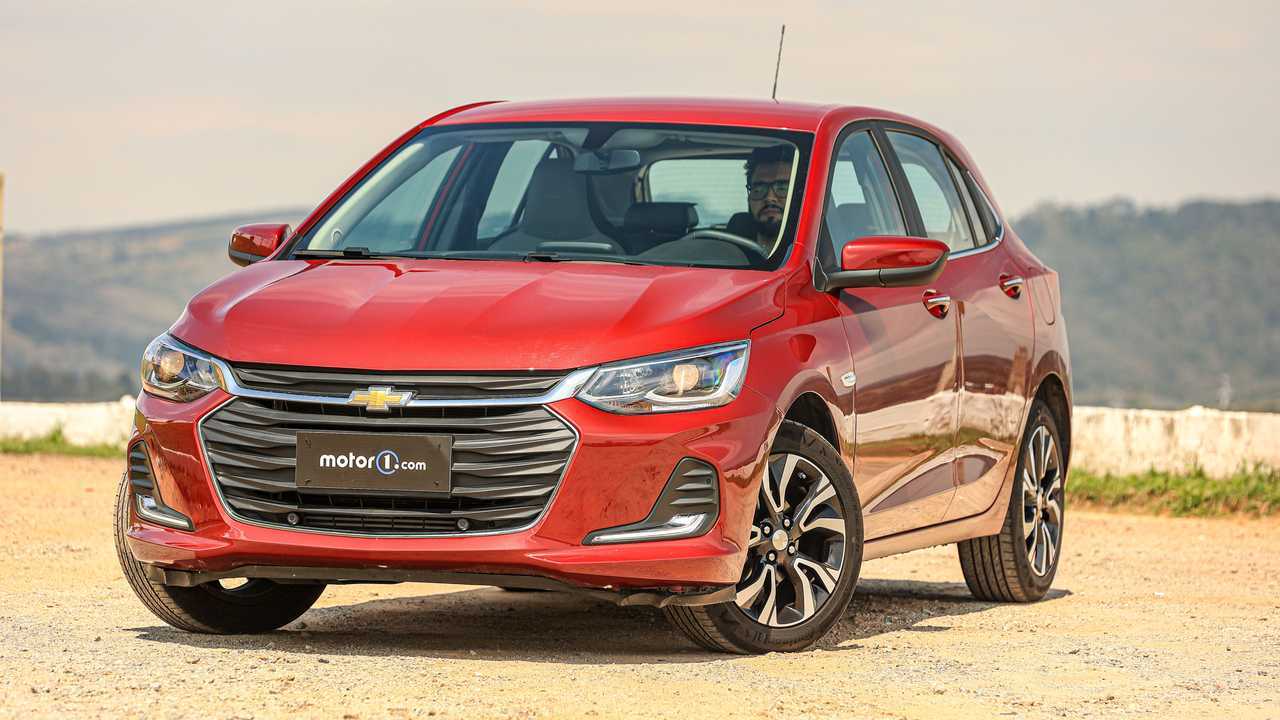
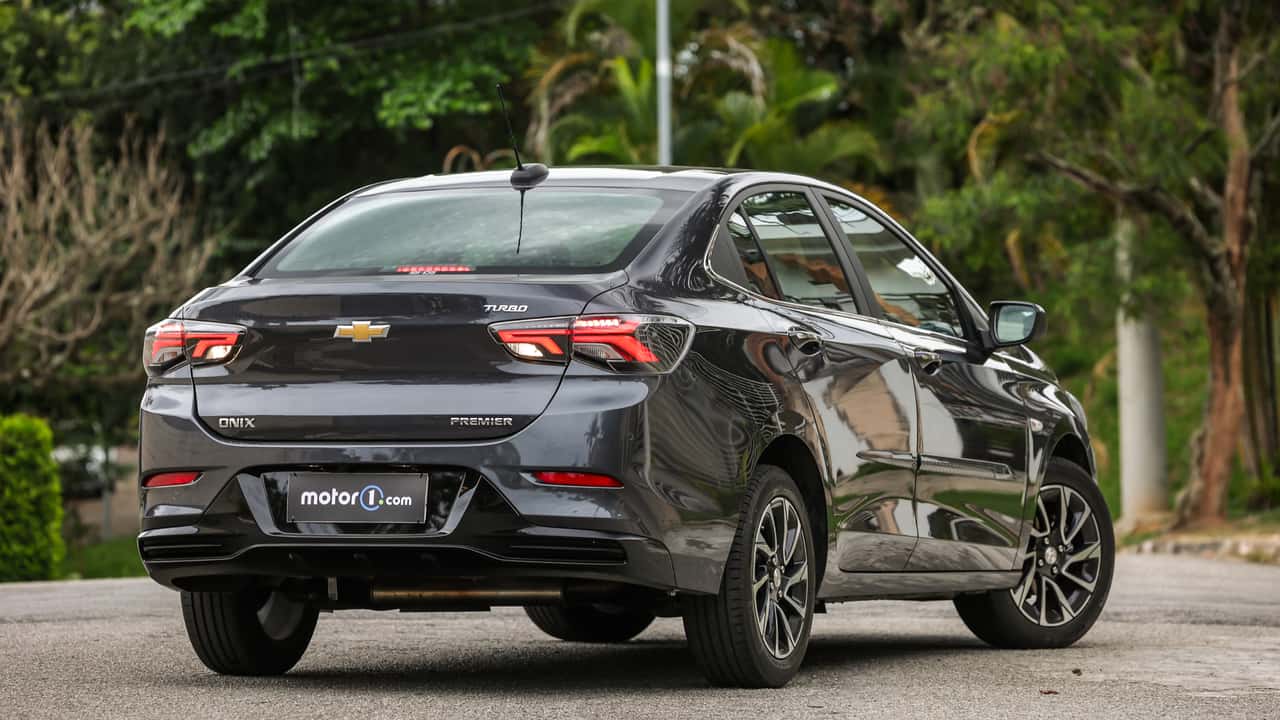
In addition to the new assembly line, the plant built a new polymer facility for injection molding components like bumpers and underwent extensive digitalization. Operating on a three-shift system, the plant has an annual capacity of approximately 330,000 vehicles, producing up to 63 vehicles per hour.
The plant utilizes a production control and integration system to ensure each component is assembled according to strict engineering parameters. The tightening torque of every bolt is electronically monitored during the assembly process.
New robots equipped with laser sensors and vision systems perform automatic corrections and dimensional inspections online, operating according to Industry 4.0 principles.
As General Motors' latest project in Brazil, the Sonic model replaces the previous hatchback and sedan bodies imported from Mexico. It now uses a platform shared with the second-generation Onix and is produced exclusively at the Gravataí plant.
The Sonic is powered exclusively by a 1.0-liter turbocharged direct-injection engine, sharing the same powertrain and calibration as the Tracker. It is offered in Premier and RS trims. This new SUV is priced between the Onix and Tracker in the market, with a starting price ranging from 129,990 reais to 135,990 reais.
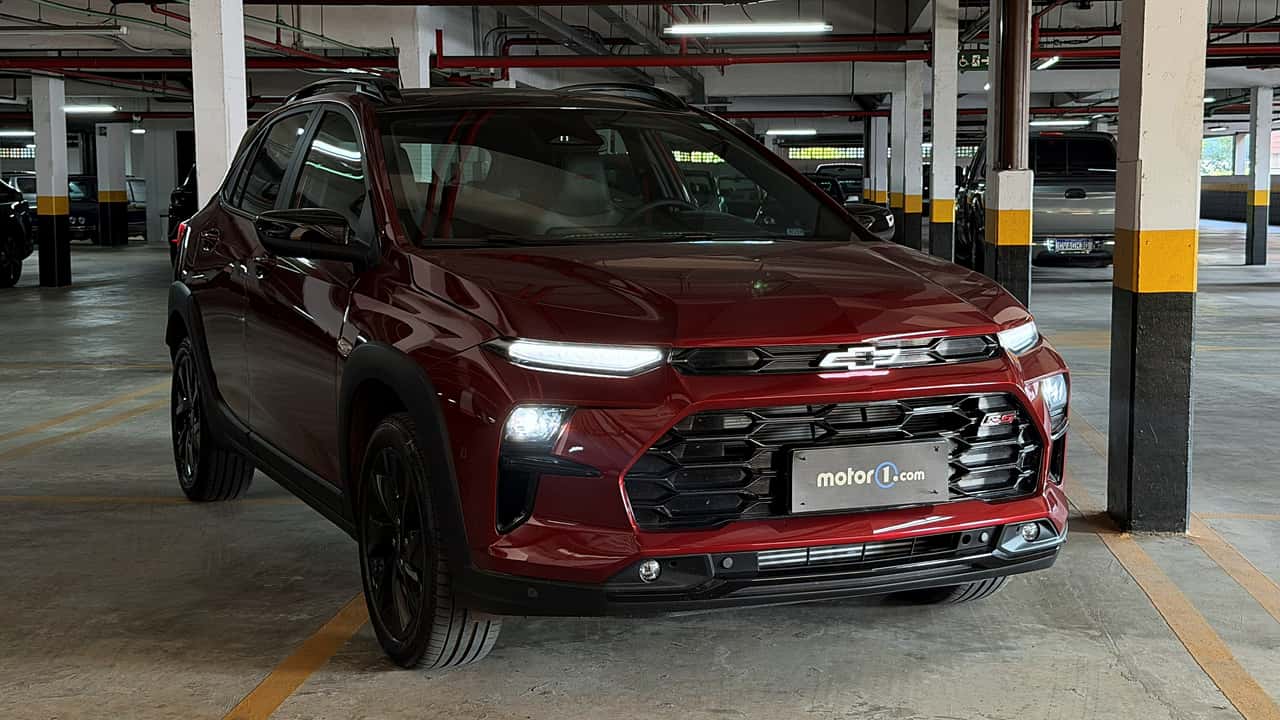
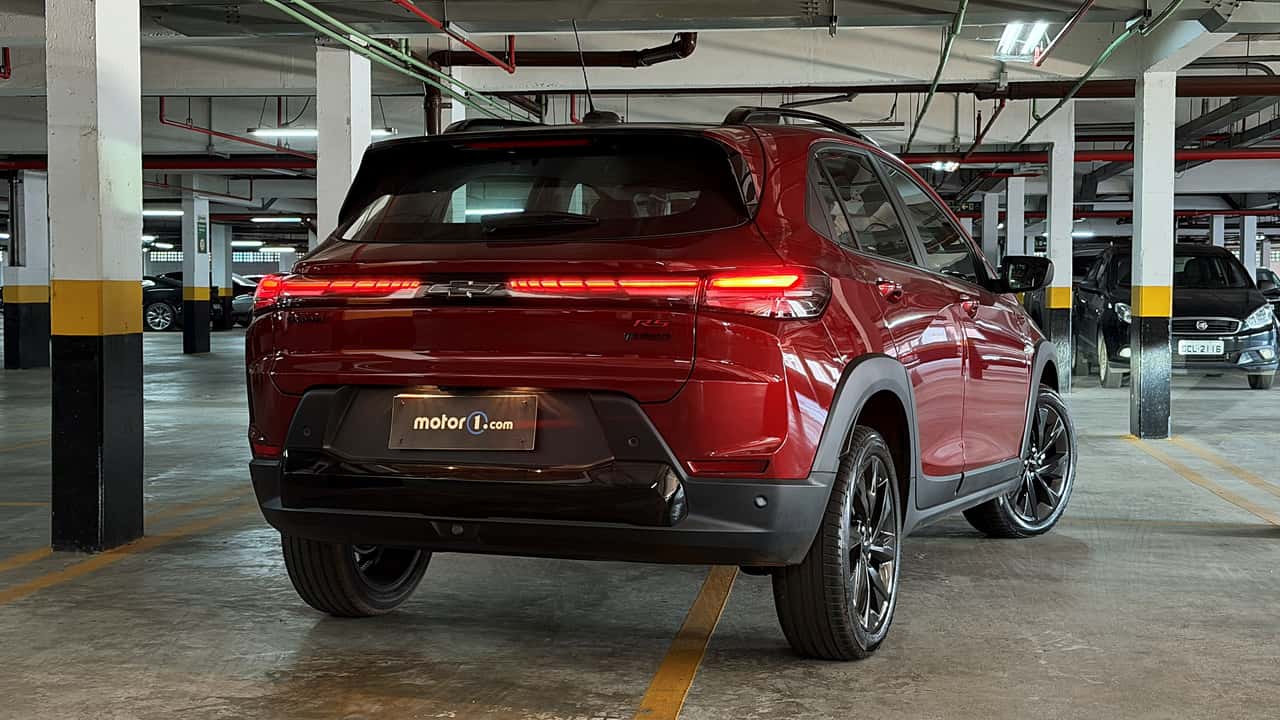
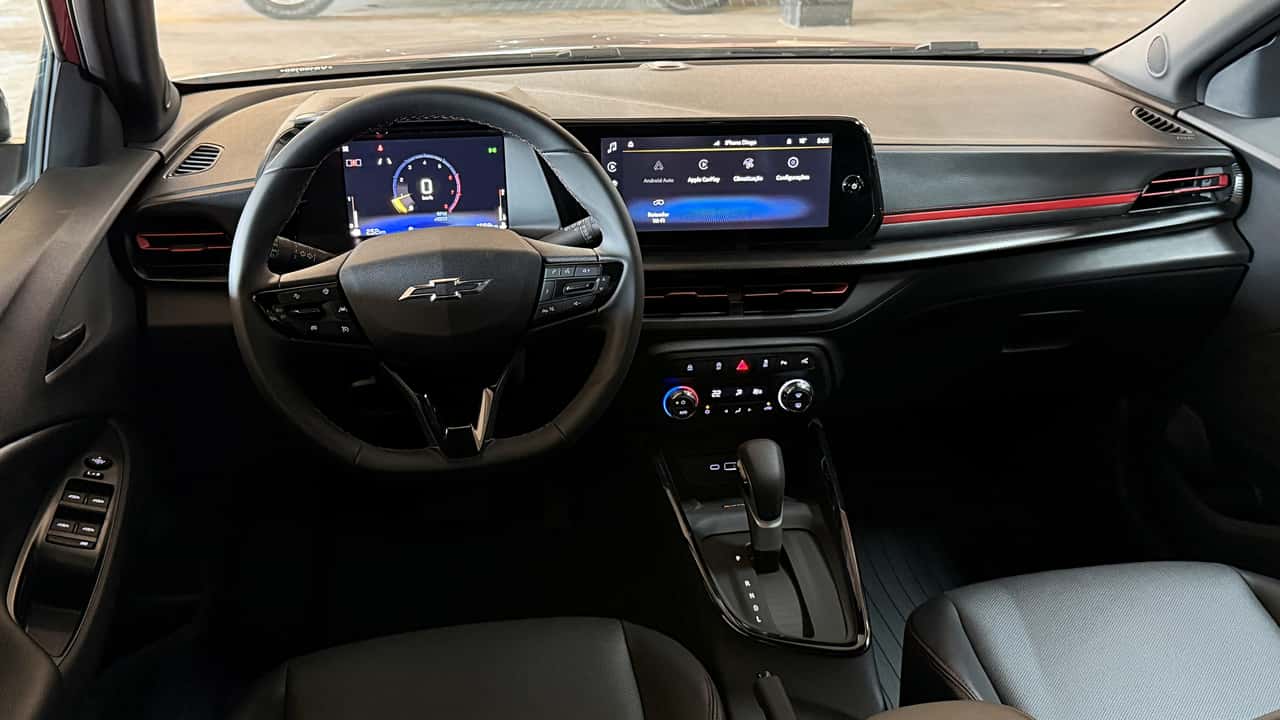
The launch of the Sonic initiated a new investment cycle for the plant. In mid-2024, General Motors announced an investment of 1.2 billion reais for modernizing the assembly line, updating the Onix and Onix Plus, and preparing for the Sonic, developed internally under the codename "Project Carbon."
The upgrades involved adjustments to the production line and the introduction of new processes and equipment. Following the Sonic's launch in May, the plant operates as a smart factory, utilizing hundreds of robots and integrated systems to monitor virtually all production processes. If an anomaly is detected, the production line can automatically pause until the issue is resolved.
The plant continues to use the industrial condominium model implemented since its inception, with strategic suppliers located on-site, streamlined logistics, and components delivered to the assembly line in near-finished form.


The plant's next direction points towards electrification. Chevrolet has an electric vehicle portfolio in the Brazilian market, including the Spark EUV and Captiva EV, but the previously announced locally produced hybrid models have not yet had a launch date announced. According to CNN columnist Jorge Moraes, the Tracker will be the first locally produced Chevrolet model to feature a 48-volt mild hybrid system. This system uses a small electric motor to assist the internal combustion engine under certain conditions to reduce fuel consumption and emissions, but it cannot drive the vehicle independently. Besides sharing the GEM platform with the Tracker, the Sonic has been equipped with the 1.0-liter turbocharged direct-injection engine since production began, identical to the Tracker's, differing from the 1.0-liter port-injection engine used in the Onix and Onix Plus.
Related Products


QLZNGJ Intelligent Steel Reinforcement Trolley
Luoyang China Railway Qiangli Machinery Co., Ltd.

CAP1400 main feedwater flow nozzle flowmeter.
Jiangsu Hongda Instrument Technology Co., LTD.
High-Speed Railway Lifting, Transporting, and Erecting Equipment: Integrated Transport and Erection Machine
Hanjiang Heavy Industry Co., Ltd. of China Railway 11th Bureau Group
Industrial and Commercial Point-Type Gas Detector
Jinan Benan Technology Development Co., Ltd.
LBH4000 Batch Environmental Protection Asphalt Mixing Plant | Asphalt Batching Plant | Asphalt Mixing Plant
Jilin Province Road Construction Machinery Co., Ltd.