Canada's Mosaic Launches Orion Platform, Producing 300 Orthoses per Month
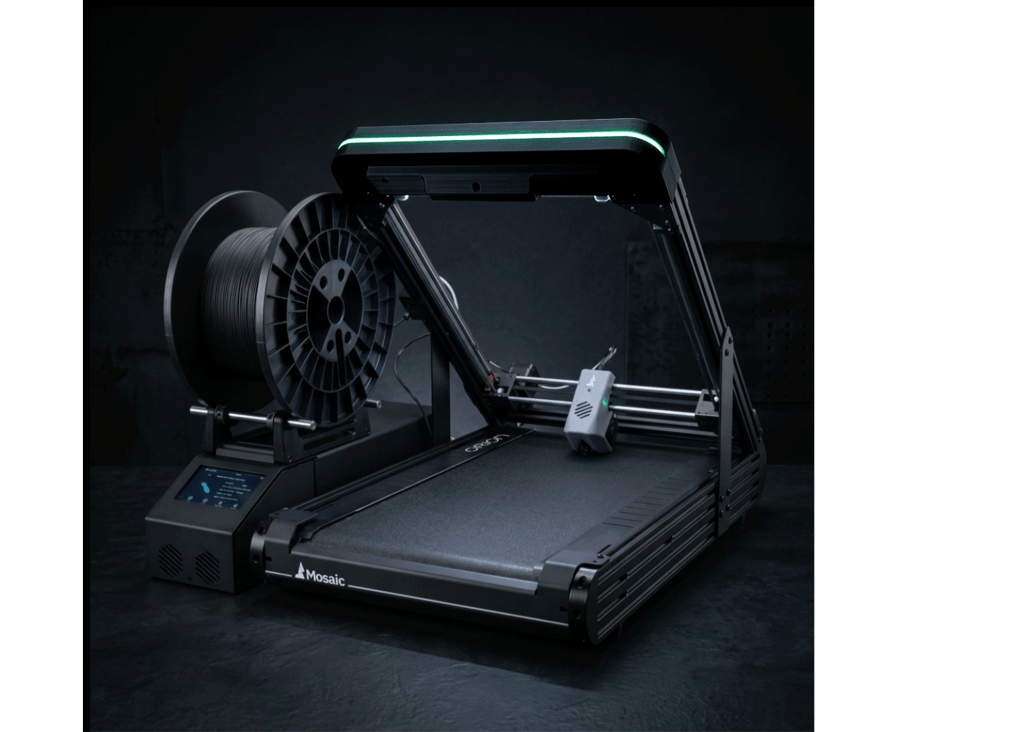
en.Wedoany.com Reported - Canadian additive manufacturing company Mosaic Manufacturing (Mosaic) has launched the Orion 3D printing platform, designed specifically for producing custom orthoses in orthotics and prosthetics (O&P) laboratories and clinics.
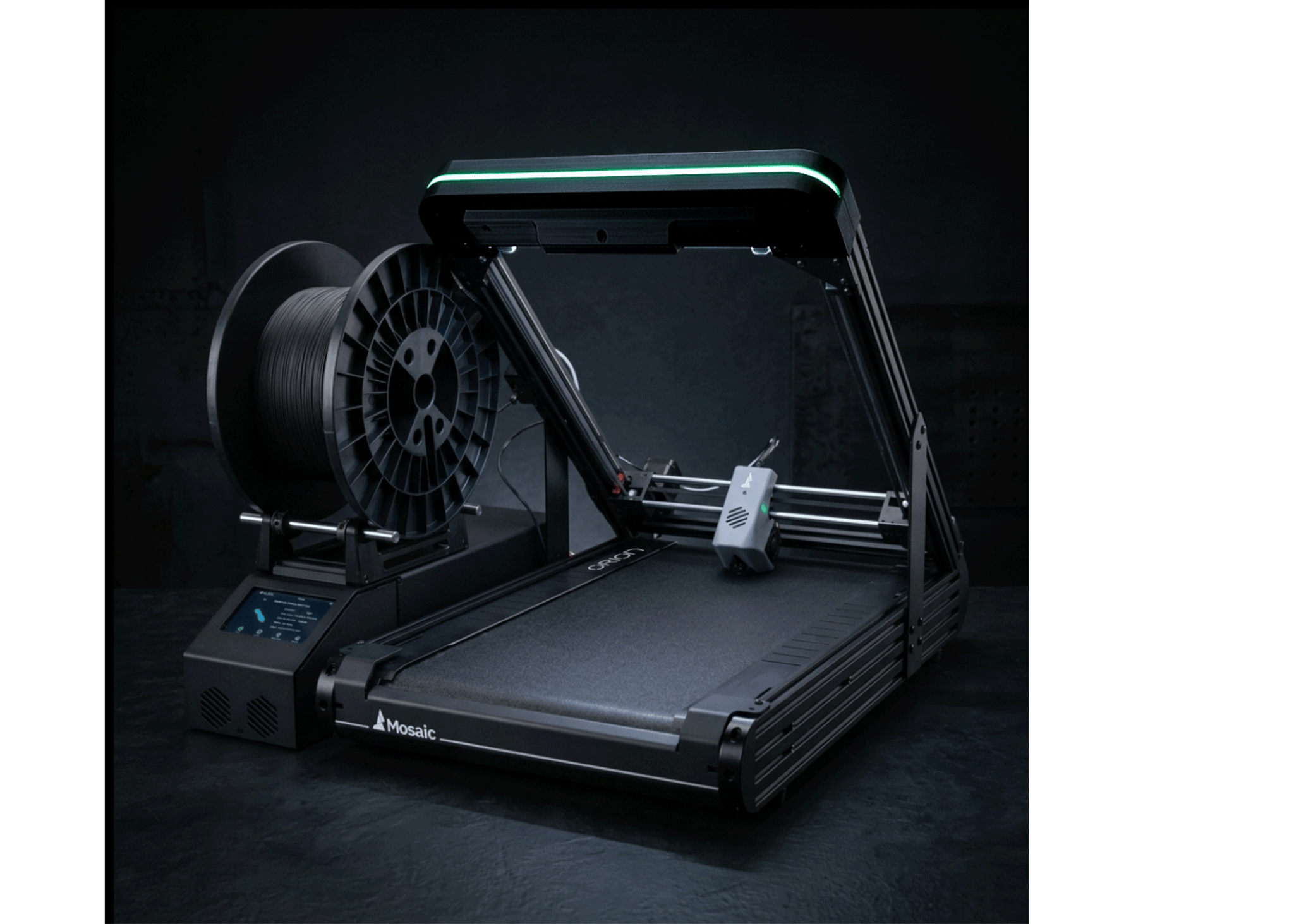
The system uses a conveyor-belt-based 3D printing architecture, designed to feed patient-specific devices sequentially into the production process. Automated queue management allows one patient case to follow immediately after another, enabling unattended overnight and weekend production. According to Mosaic, a single Orion printer can produce up to 300 orthoses per month.
Mosaic positions Orion as a path for orthotics manufacturers to embrace digital production without replacing their existing clinical workflows. Customers can use the company's Stryde Software Suite to manage scanning, design, and production, or connect the printer to existing compatible CAD/CAM systems.
Mosaic CEO Mitch Debora said orthotics manufacturers have made their requirements clear: they want to move to digital production, but achieving this with the fragmented tools on the market has been painful; what manufacturers want is an end-to-end, validated solution that they can confidently implement and grow with, and the Mosaic team has delivered exactly that.
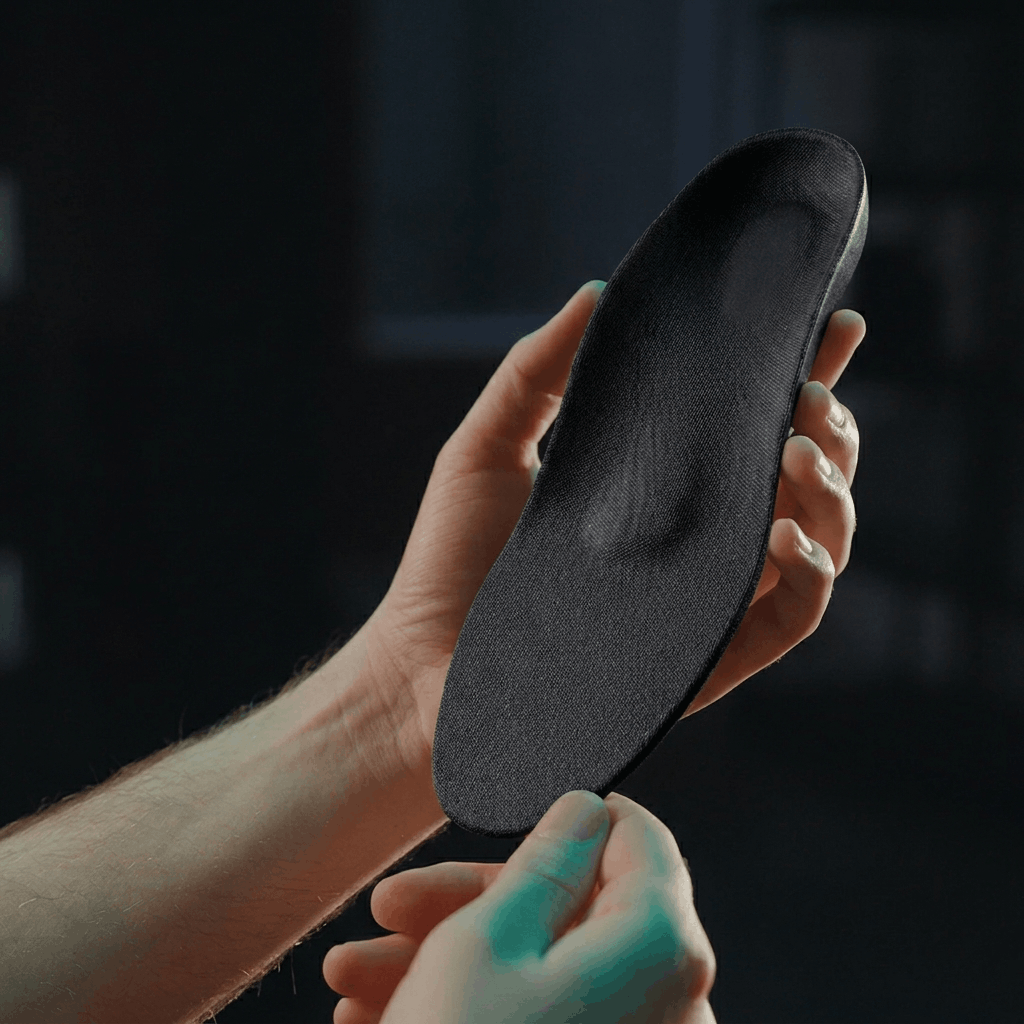
For continuous production of patient-specific orthoses, Orion's design centers on the economics of personalized device production without proportional increases in labor. Mosaic says a standard reference device can be printed in approximately 1 hour and 45 minutes, with material costs as low as about $6 per orthosis.
Its conveyor-belt architecture eliminates the need to clear a traditional print bed between consecutive jobs. Combined with automated queue management, this design is intended to support continuous production of unique devices while reducing operator intervention.
Mosaic also says digital manufacturing can reduce material waste and downstream manual finishing, allowing technicians to spend more time on complex clinical cases rather than repetitive manufacturing tasks.
Orion can produce both soft and rigid orthoses on the same platform, supporting two Mosaic proprietary materials developed specifically for custom orthoses: Aero and Align.
Aero is an EVA-like 3D printing material used for soft-shell, accommodative orthoses. The material delivers a smooth finished surface while balancing comfort and resilience. According to the company, it has passed ISO 10993-5 cytotoxicity testing.
Align is a polypropylene-like material designed for rigid corrective orthoses requiring structural support and consistent stiffness. Mosaic says Align has completed over 3 million fatigue cycles of testing.
Orion can produce patient-specific devices with variable-density structures, allowing their internal architecture to be tuned to the required mechanical properties.
Mosaic Chief Technology Officer Derek Vogt said Mosaic has spent more than a decade designing additive manufacturing systems for real production, with a focus on automation, process control, and repeatable output; the company is now applying that experience to Orion orthoses, developing dedicated materials, and designing the production system around the specific requirements of custom devices.
Orion is now available for order. Mosaic is also offering sample devices and Stryde Software Suite demonstrations to orthotics manufacturers evaluating the platform's device quality, workflow, and production economics.
Recent O&P deployments show that scaling 3D printed orthoses increasingly depends on the broader production workflow, not just printing speed. Hike Medical operates more than 600 3D printers at its centralized Peoria facility, but believes referral processing, insurance approvals, and device ordering can cause delays that faster manufacturing alone cannot solve. Its response has been to vertically integrate its platform, connecting these administrative and clinical steps with in-house production.
As volumes increase, production itself introduces further constraints. EOS notes that throughput, labor, qualification documentation, and post-processing are among the factors affecting the economic viability of O&P manufacturing, and points out that centralized production may remain preferable when the administrative cost of printing on demand exceeds the benefits of shorter lead times. Orion addresses this production challenge at the laboratory level, using unattended continuous printing and a single platform for both soft and rigid devices to reduce the operator intervention required during production.
Related Products


Pneumatic high-pressure wear-resistant ball valve
Zhejiang Deca Control Valve Meter Co., Ltd.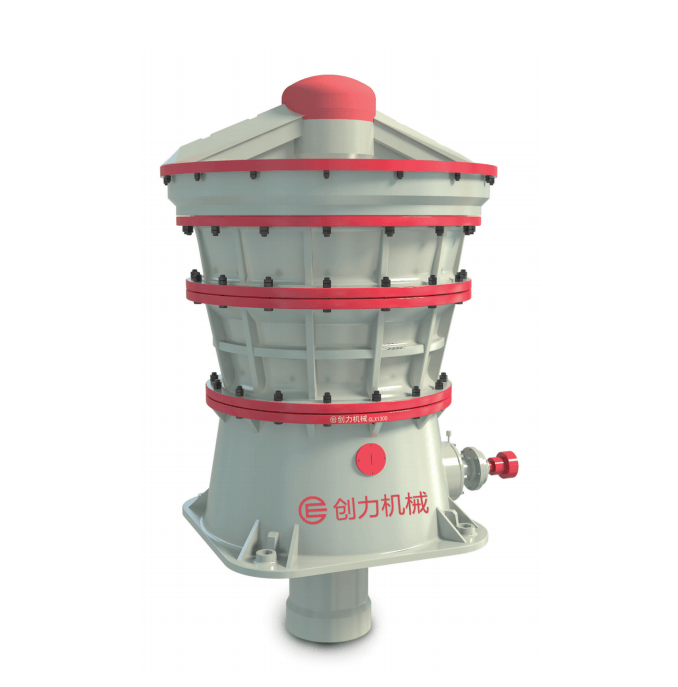
CLX Series Intelligent Hydraulic Gyratory Crusher
Guangdong CHUANGLI intelligent machinery Equipment Co., LTD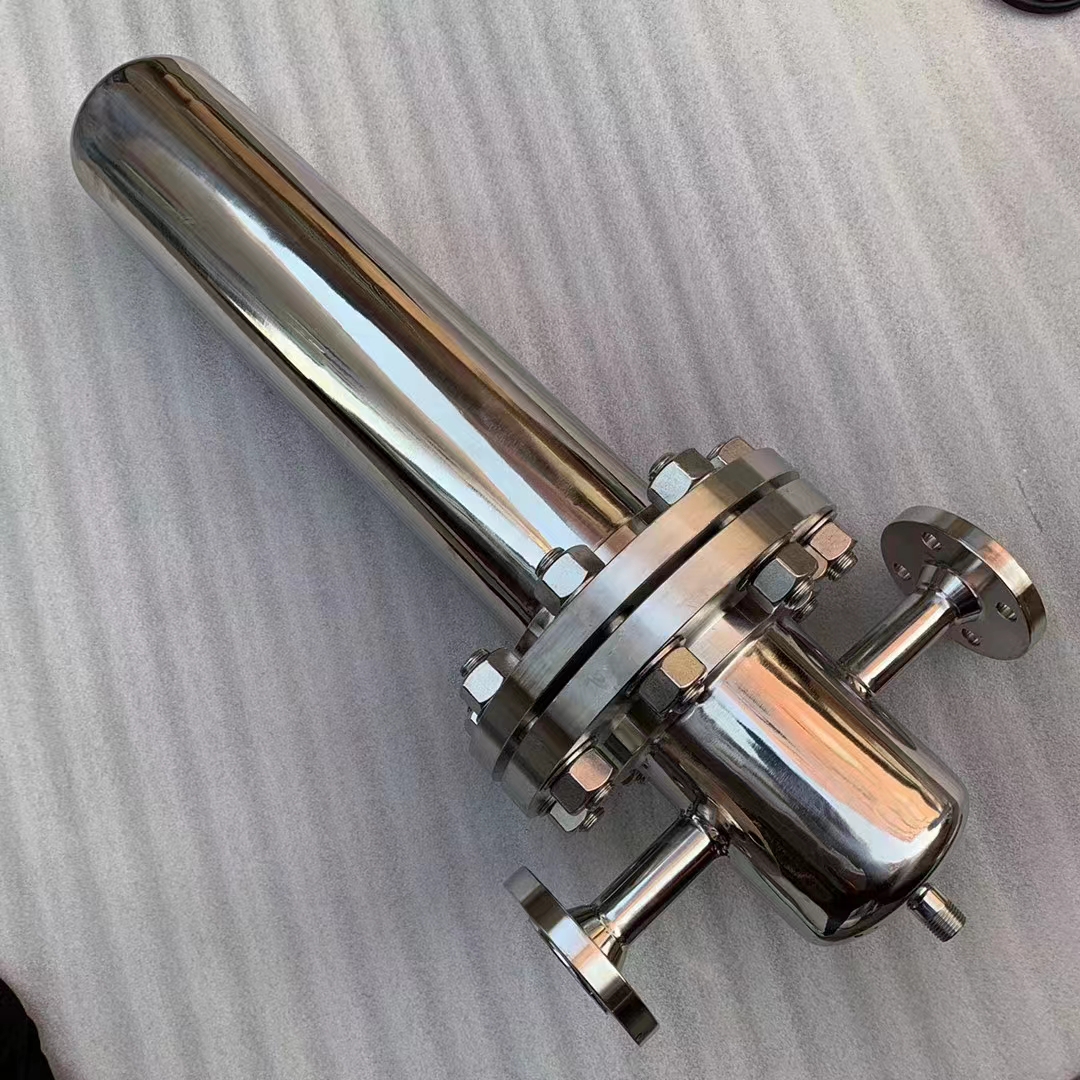

Industrial and Commercial Point-Type Gas Detector
Jinan Benan Technology Development Co., Ltd.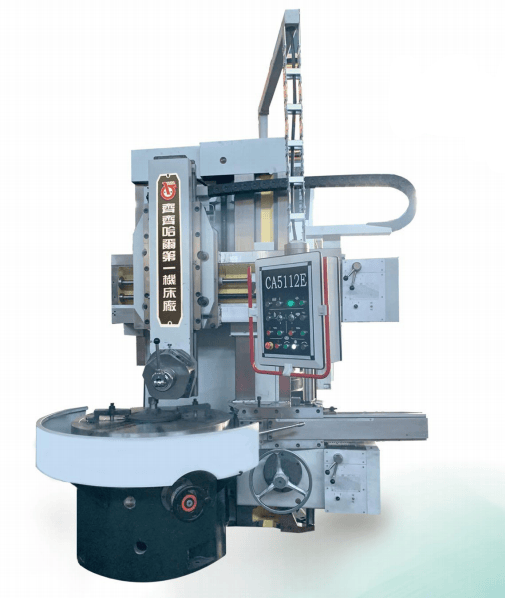
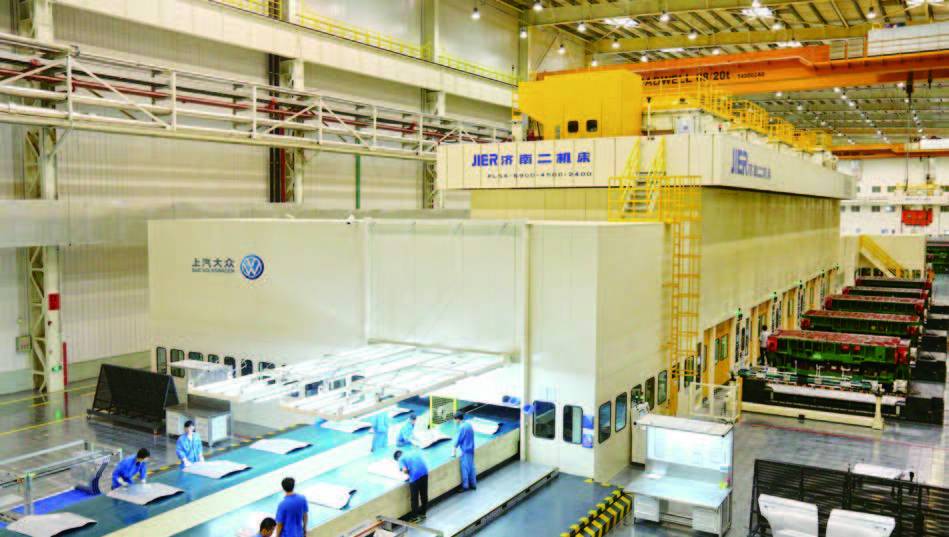
High-Speed Flexible Fully Automatic Stamping Production Line
JIER Machine-Tool Group Co., Ltd.
Pallet Solutions Product Line: HD3000 Double-Column Stacker Crane
Zhongding Intelligent (Wuxi) Technology Co., Ltd.
High-Speed Railway Lifting, Transporting, and Erecting Equipment: Integrated Transport and Erection Machine
Hanjiang Heavy Industry Co., Ltd. of China Railway 11th Bureau Group