Australia's Energy Security Corporation Invests AUD 100 Million in PLUS Grid's 650MW Battery Storage Portfolio
en.Wedoany.com Reported - Australia's Energy Security Corporation (ESC) has made its first investment, committing AUD 100 million (approximately USD 70 million) to a 650MW portfolio of large-scale battery energy storage projects being developed by PLUS Grid Storage. PLUS Grid Storage is an independent subsidiary of Ausgrid, the largest electricity distributor on Australia's east coast, serving the Sydney, Newcastle, Hunter, and Central Coast regions.
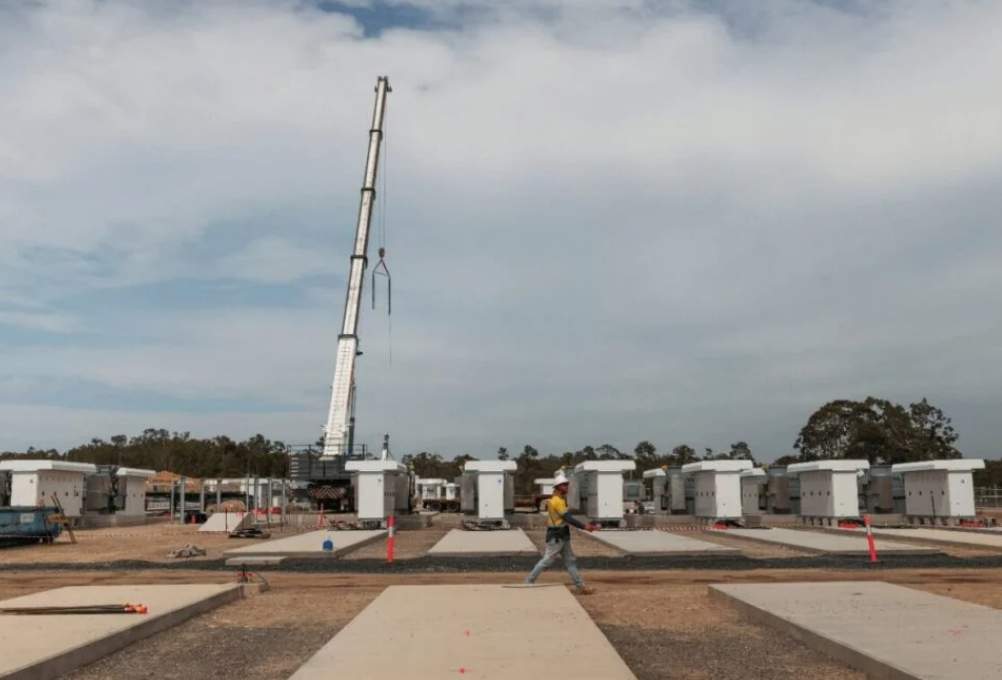
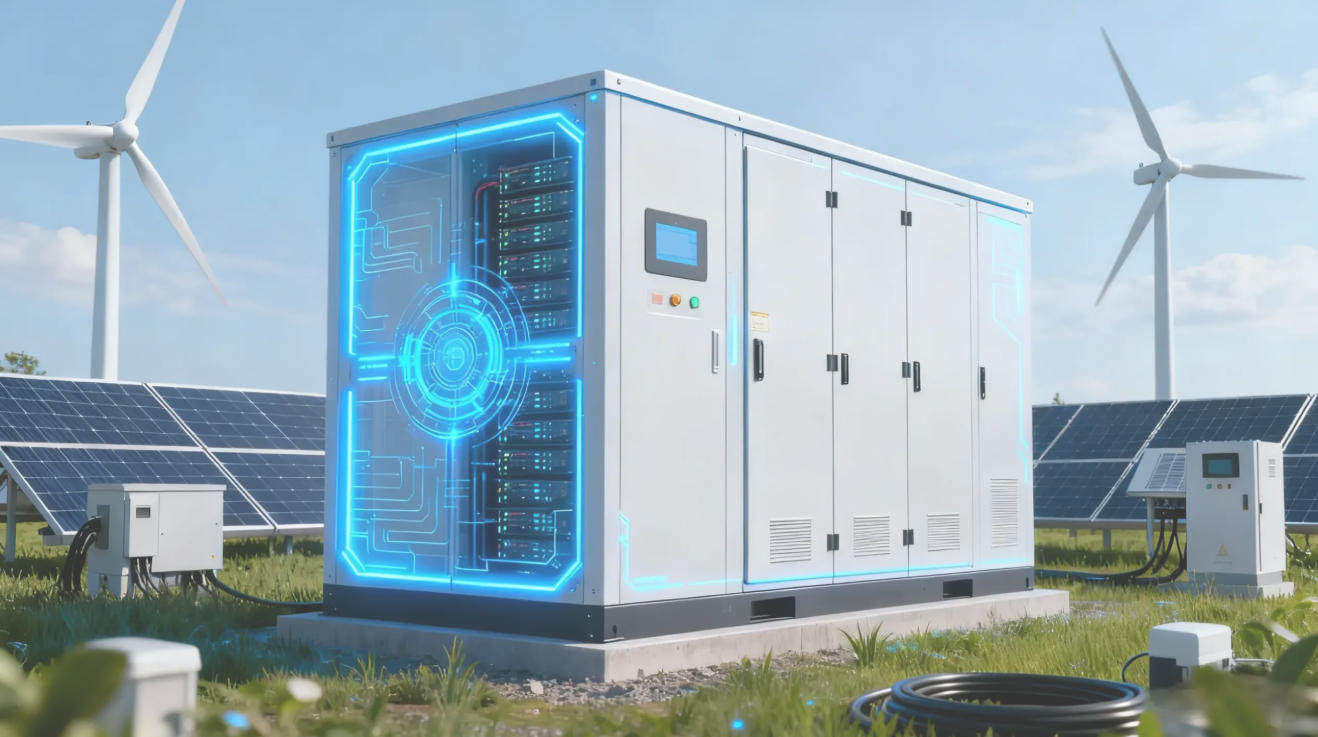
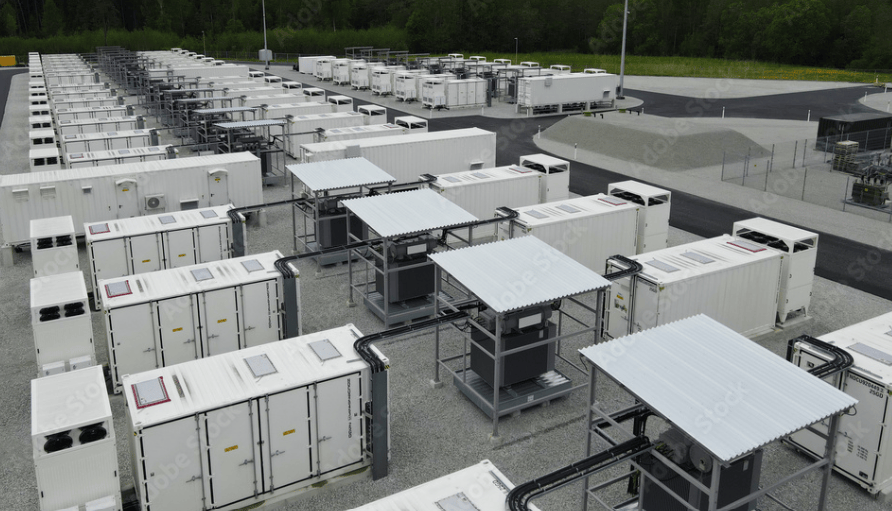
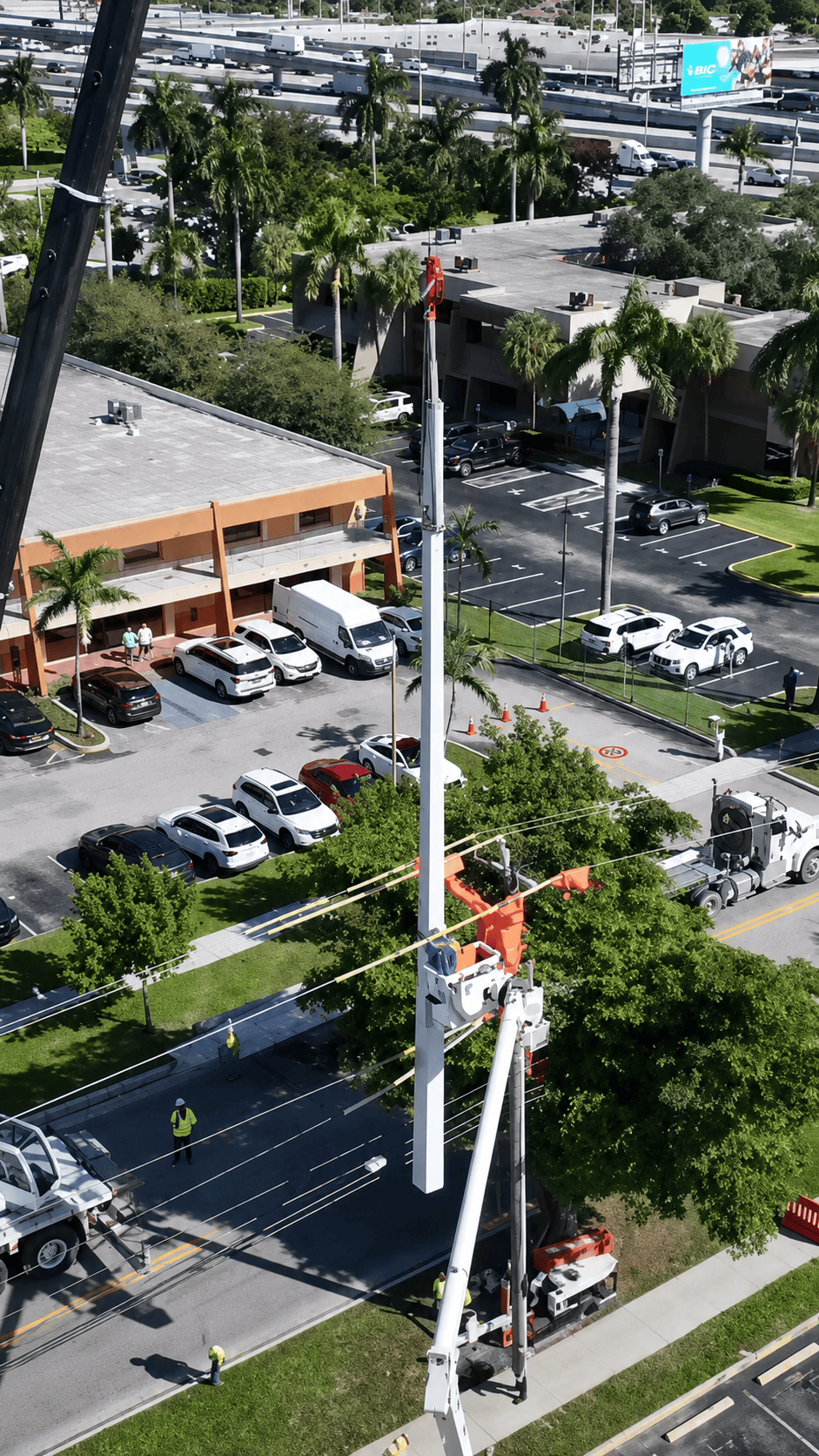
The funds will be used to deploy four utility-scale lithium-ion battery energy storage systems. The first two projects are 200MW battery energy storage systems located in the Steel River industrial area in Newcastle and Homebush in western Sydney. The 200MW/400MWh Steel River East battery energy storage system received approval from the New South Wales Independent Planning Commission in March 2026 after a contentious planning process; the Homebush system is progressing through state planning approvals. These two systems are designed to provide peak-time peaking power during the transition period as coal-fired power plants in the Hunter Valley retire.
The latter two projects, with capacities of approximately 150MW and 100MW respectively, are both in early development stages. ESC confirmed that the first 500MW of storage is expected to be operational by early 2029, aligning with the phased retirement of coal-fired units in New South Wales; the 150MW project is expected to be operational by the end of 2029. Construction of the Steel River East battery energy storage system is scheduled to begin in July 2026.
The battery energy storage systems will be built, owned, and operated by PLUS Grid Storage. PLUS Grid Storage operates independently of Ausgrid's regulated network business, and its assets are not included in the regulated asset base. In this investment round, ESC participated as a member of a senior debt syndicate alongside commercial banks.
ESC CEO Paul Peters stated that the geographic location and delivery timeline of these battery storage projects were decisive factors. He noted: "This is an investment in storage for one of the most critical load centers in New South Wales—an area with the highest electricity demand, tightest land availability, and the most urgent need for storage deployment. PLUS Grid Storage's ability to deliver these projects by 2029 and efficiently leverage existing infrastructure were key considerations in our decision to invest in this portfolio."
Kelly Wood, Head of PLUS Grid Storage, said ESC's involvement will accelerate the deployment of storage needed during the state's transition away from coal-fired power. She stated: "These partnerships are crucial for building the next generation of energy infrastructure for New South Wales, while ensuring that customers continue to have access to reliable and affordable electricity supply during the energy system transformation."
Ausgrid previously disclosed that PLUS Grid Storage has planned a total of eight battery energy storage systems, with the first four projects receiving support constituting Phase One.
This investment is the first deployment from ESC's AUD 1 billion seed funding. Established in July 2025, ESC primarily invests in large-scale battery energy storage systems, community battery storage systems, pumped storage hydro generation facilities, and virtual power plants, with storage systems prioritized to better integrate electricity from the state's solar and wind generation facilities.
New South Wales Energy Minister Penny Sharpe stated that the agency will collaborate with the private sector to fill investment gaps, ensuring stable electricity supply and lower prices for residents and businesses in the state.
ESC's investment mandate is designed to be flexible, allowing it to act as a co-investor alongside private capital rather than directly as a project developer or asset owner. The transaction with PLUS Grid Storage exemplifies this model—ESC joins a commercial bank syndicate as a senior debt participant, without holding equity or assuming development responsibilities.
Peters previously stated that ESC's role is to advance project timelines by several months and specifically target investments that deliver system-wide benefits but cannot be driven to timely delivery by market signals alone.
The urgency of the first investment reflects the significant growth in demand for storage projects in the state. At the Australian Energy Storage Summit 2026 in March 2026, Peters revealed that New South Wales' storage deployment target had been revised upward from 40GWh to 56GWh, driven entirely by accelerated growth in solar generation that was not anticipated in previous planning. Of the required 56GWh of storage, only 12.5GWh has reached a final investment decision, meaning approximately 75% of the state's 2030 target capacity remains unfunded. New South Wales alone needs to finance 37GWh of storage projects by 2030.
Related Products

Modular Multifunctional Water Supply and Drainage Vehicle (18T)
Changsha Dewater Machinery Technology Co., Ltd.
Hydrogen production and hydrogenation charging refueling gas integrated energy station
Shenzhen Kohodo Hydrogen Energy Co., Ltd.
Yingping Mining Section Open-pit Tailings Backfill Treatment of Goaf Ecological Restoration EPC Project
China Bluestar Lehigh Engineering Corporation
220kV and Below Voltage Level Energy-saving Oil-immersed Power Transformers
FuZhou TianYu Electric Co., Ltd.

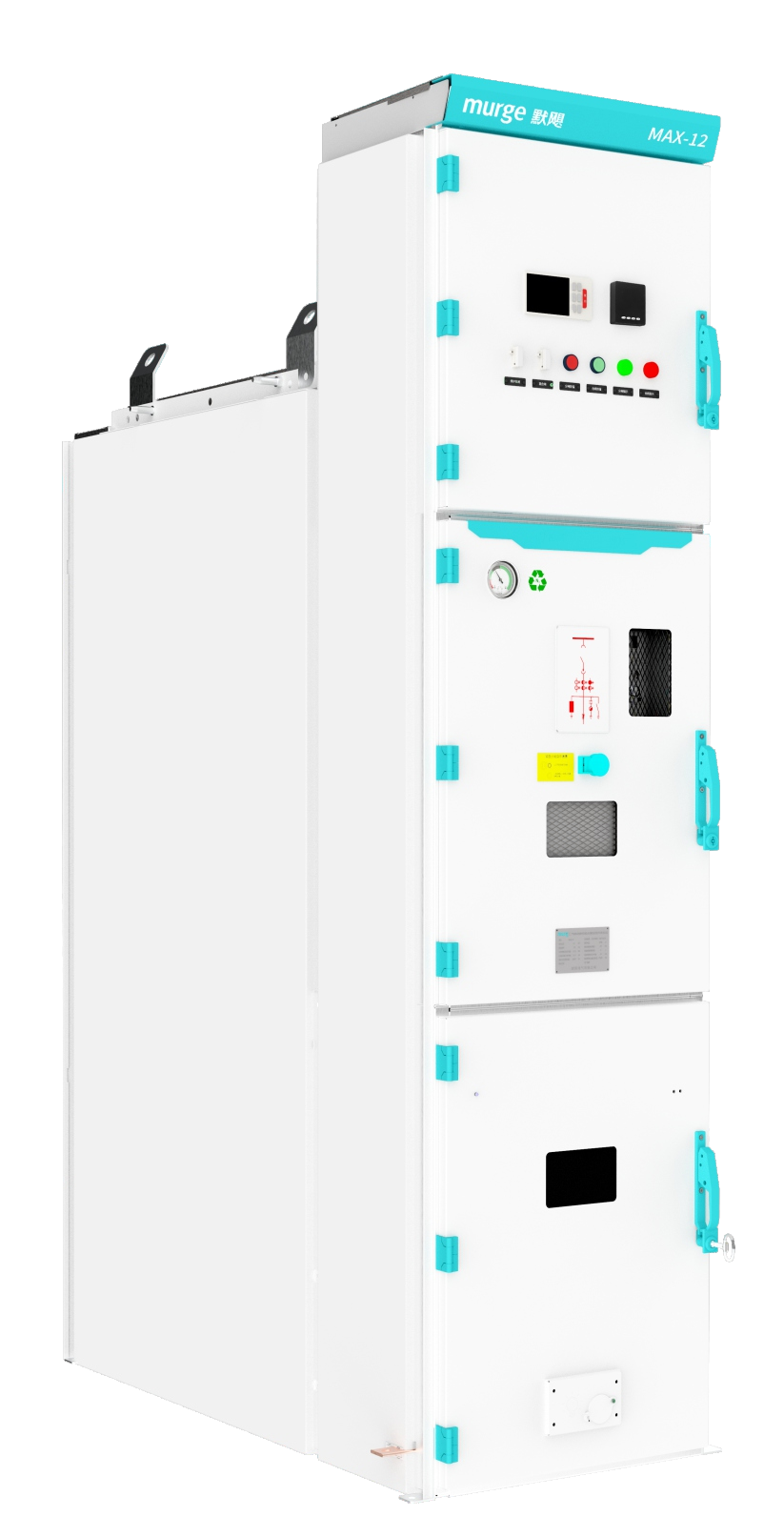
MAX-12 series Environmental Protection/SF6 gas insulated switchgear (C-GIS)
Murge Electric Co.,Ltd.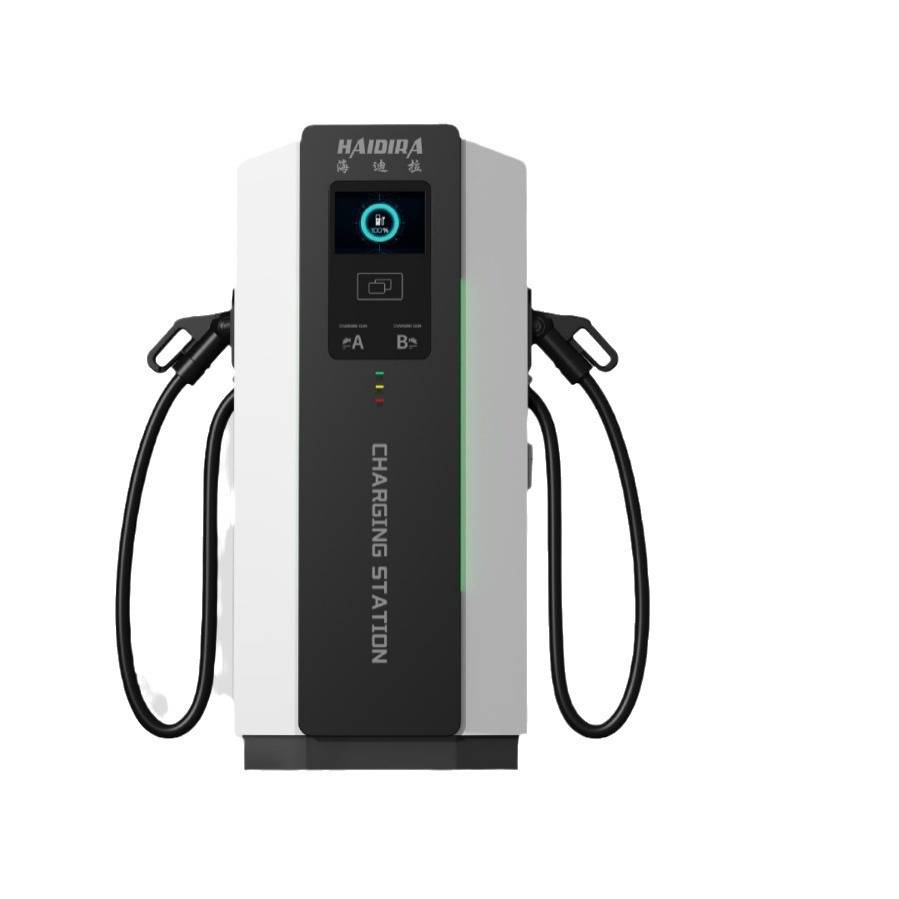
Manufacturer Direct Sales Tesla New Energy Electric Vehicle Universal DC 180kW Dual-gun Charging Pile Commercial Fast Charger
Anhui Haidira Electric Technology Co., Ltd.