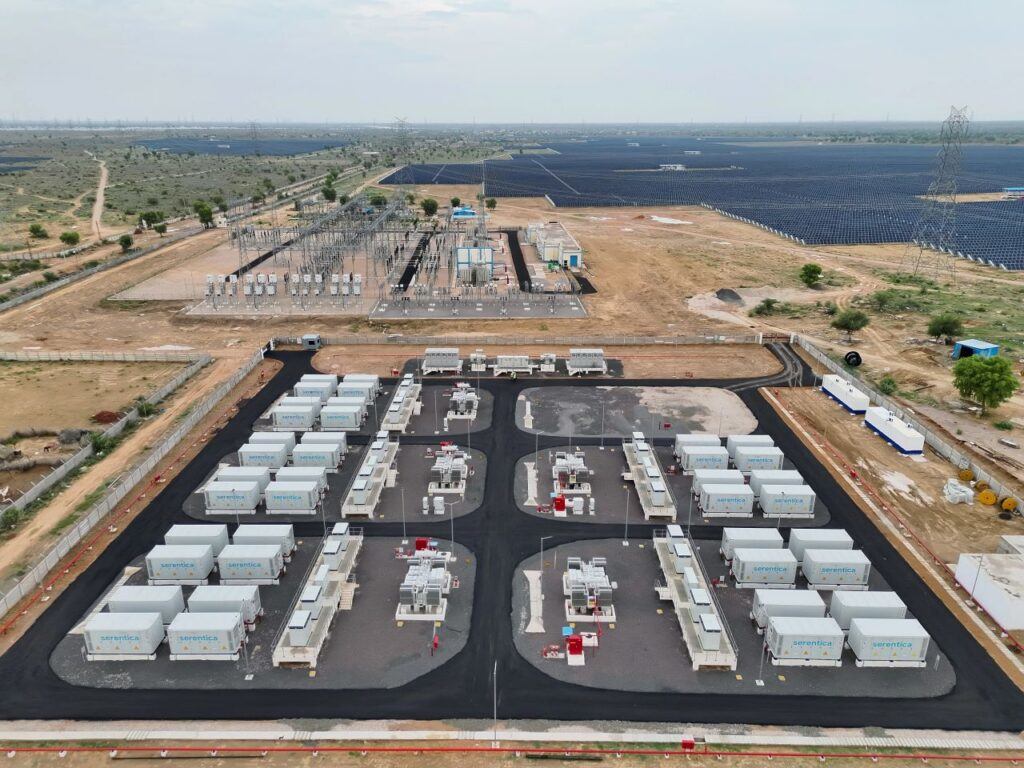
"Super Power Bank" Goes Online! Understanding Salt Cavern Compressed Air Energy Storage in One Article
en.Wedoany.com Reported - What Is Compressed Air Energy Storage?
Seeking space underground and efficiency through technology, long-duration green energy storage is filling the gaps in new energy development. Compressed air energy storage power stations achieve low-valley electricity storage and peak-period power generation through the cyclic utilization of heat storage and gas storage. How exactly is this accomplished?
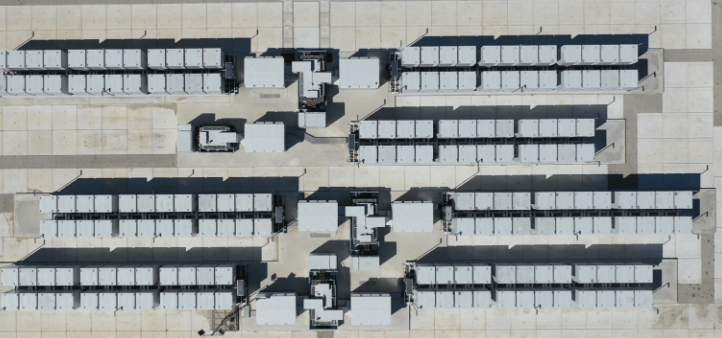
The compressed air energy storage project has a total of 16 heat storage water tanks. Each spherical tank can hold 3,500 cubic meters of water, and the total volume of the entire project reaches 56,000 cubic meters, equivalent to the water volume of 22 standard swimming pools. It is currently the largest single-unit-capacity heat storage water tank matrix in the compressed air field in Asia.
The role of the heat storage water tanks is to store heat in the water inside the spherical tanks, and when power generation is needed, release it to heat the compressed air and drive the generator units to produce electricity. These spherical tanks are like giant super "pressure cookers," raising the boiling point of water from 100°C to 180°C, enabling more thermal energy to be stored and more electricity to be generated.
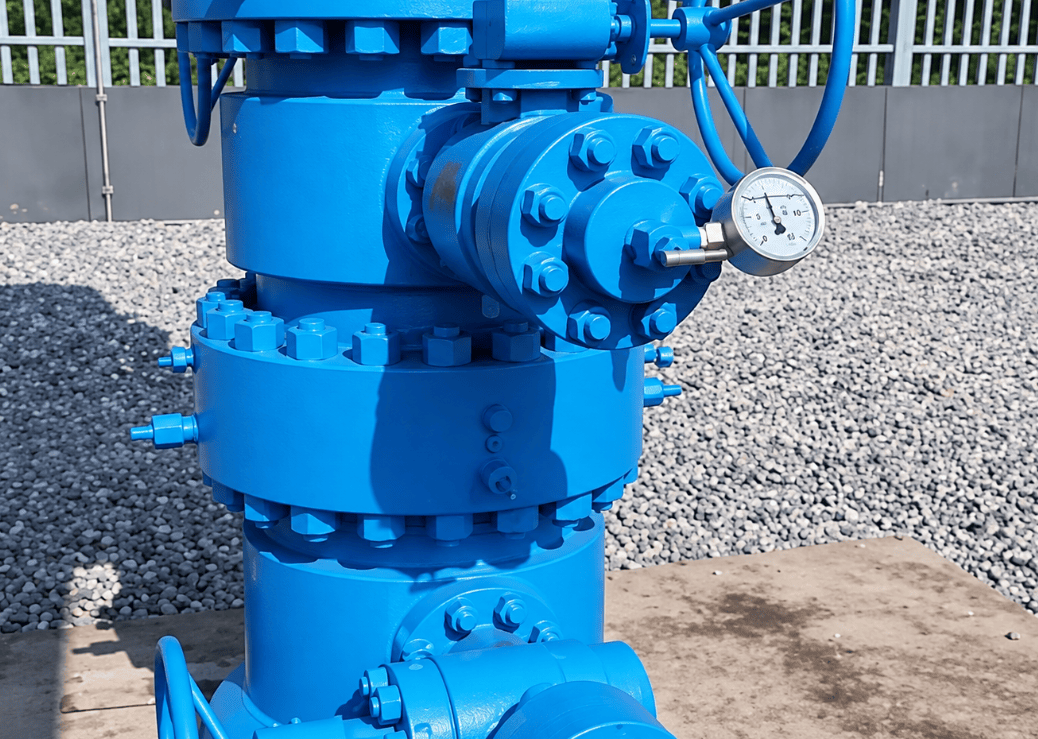
The gas injection and production well with the largest single-pipe diameter in China's compressed air energy storage field is the "throat" passage of salt cavern compressed air energy storage. Staff members stated that the air flow rate through the gas well reaches 2.16 million cubic meters per hour. Engineers have applied anti-corrosion and sealing treatments to it, equivalent to putting on a layer of "lifetime protective clothing," allowing the gas well to operate stably for decades without damage or leakage. This greatly improves the coordination efficiency between the salt cavern and the units, enabling compressed air to "enter quickly, discharge powerfully, and be stored reliably."
The central control room is the "smart brain" of the entire energy storage station. On the large screen, not only can real-time operating parameters of compressors and generators on the ground be seen, but even the compressed air storage conditions in salt caverns 1,000 meters underground are clearly visible. All key parameters converge here, monitored and dispatched uniformly by operations personnel with a single touch.
From the storage and release of high-pressure air, to the recovery and utilization of thermal energy in the heat storage system, to the precise regulation of generator units, this "super-sized power bank" flexibly responds to complex and ever-changing grid load demands, achieving efficient, safe, and stable operation.
Why Choose Salt Caverns for Compressed Air Energy Storage?
Many people may be unfamiliar with the approach of using underground caverns from depleted salt mines for compressed air energy storage. Why use salt caverns for compressed air energy storage? What advantages does using them to compress air offer?
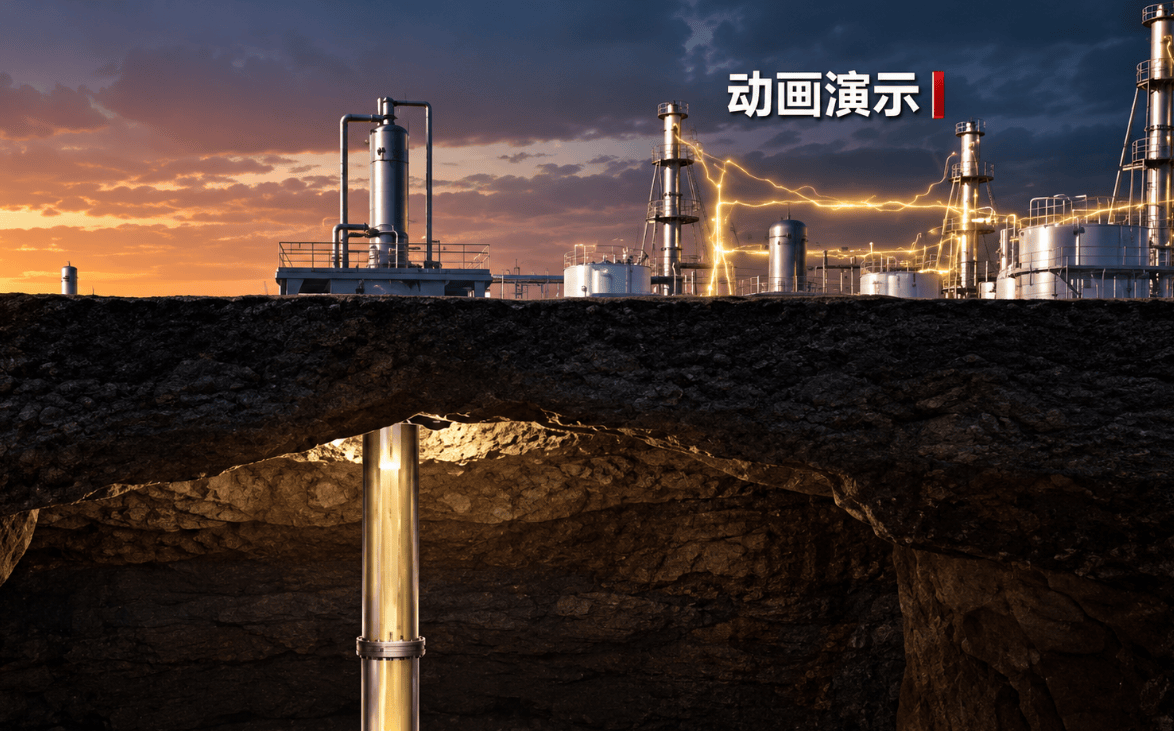
Salt caverns are formed during the salt mining process by injecting fresh water into underground salt mines, dissolving underground salt crystals into brine, and then pumping this brine to the surface for salt production. As the underground salt mine is continuously dissolved, huge underground cavities gradually form. Because salt has excellent impermeability and does not allow gas leakage, it becomes the preferred choice for compressed air storage.
The process of compressed air energy storage power generation involves using surplus electricity from the grid during low-demand periods to drive compressors, compressing ambient air to over 130 atmospheres of pressure, and injecting it into underground salt caverns for storage. At the same time, the thermal energy generated during compression is recovered through the heat storage system. During peak electricity demand periods, the high-pressure air in the salt caverns is steadily released to drive generator units for power generation. The entire process requires no combustion of fossil fuels, truly achieving zero carbon emissions, like a "super power bank" tailor-made for the power grid.
Related Products
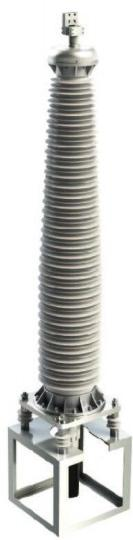

220kV Composite Outdoor Cable Terminal
Shenyang Guolian Cable Accessories Manufacture Co., Ltd.
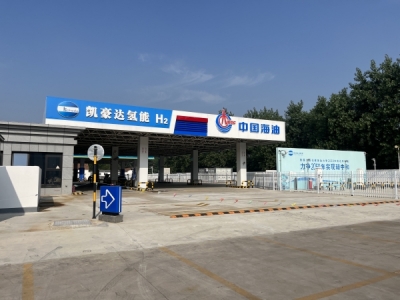
Hydrogen production and hydrogenation charging refueling gas integrated energy station
Shenzhen Kohodo Hydrogen Energy Co., Ltd.
Inductive Power Harvesting Self-Powered Device - Safuneng
SELF ENERGY TECHNOLOGY (SHENZHEN) CO., LTD.
Pneumatic high-pressure wear-resistant ball valve
Zhejiang Deca Control Valve Meter Co., Ltd.
HI-Pro Green Hydrogen High-efficiency Production System-HI-PRO-AEM
Hydrizon Technology (Beijing) Co., Ltd.
Mineral-insulated Compact Busway (Fire-resistant Busduct)
Zhuhai Guangle Electric Busway Co., Ltd.
Electromagnetic Fluid Seawater Floating Oil Separation and Recover Equipment
Huate Magnet Group Co., Ltd.
220kV and Below Voltage Level Energy-saving Oil-immersed Power Transformers
FuZhou TianYu Electric Co., Ltd.