Peru's INGEMMET Expects Mining Applications to Exceed 11,000 in 2026
en.Wedoany.com Reported - Peru's Geological, Mining and Metallurgical Institute (INGEMMET) expects that national mining applications will set a new record in 2026, surpassing 11,000; as of July 24, 7,756 applications have been registered this year, reflecting a sustained rise in mining investment interest.
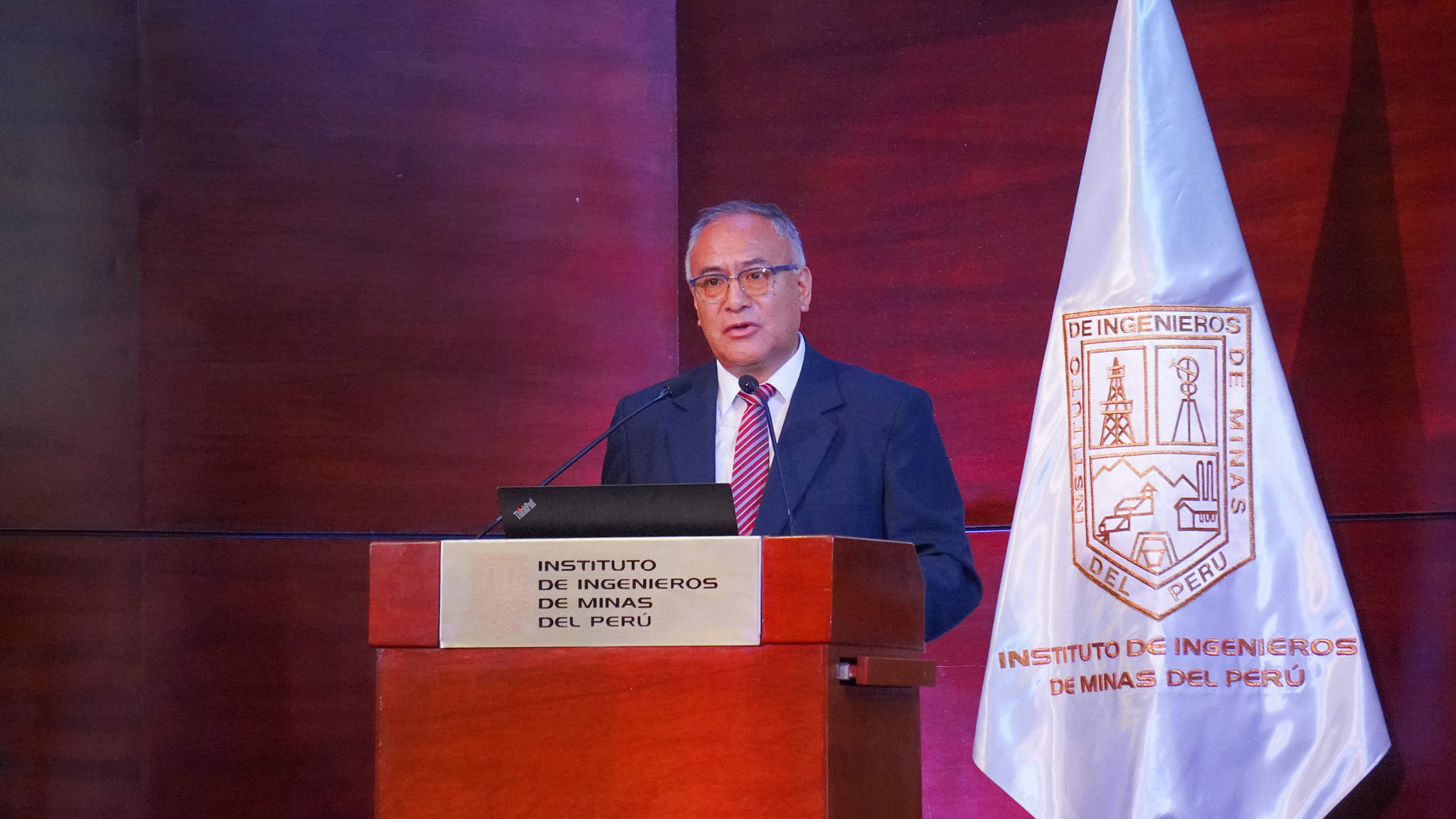
This forecast was announced during the "Mining Thursday" event organized by the Peruvian Institute of Mining Engineers (IIMP). Jaime Castro Bullón, head of the Operational Technical Area of INGEMMET's Mining Concessions Directorate, stated that the current number of applications confirms activity levels similar to or even higher than those of 2025; in 2025, national mining applications reached 10,989, the highest figure in recent decades.
"If in 1995 we talked about a mining boom due to the registration of around 10,400 applications, today we can assert based on data that we are experiencing a mining boom once again. The trend is that this year we will surpass the 2025 figures," he said.
This growth is mainly driven by expectations arising from international mineral prices, particularly gold and copper.
The national mining cadastre currently has 16,586 mining applications in process, alongside 42,000 active mining concessions. Mining concessions cover approximately 12.8% of the national territory, while applications in process account for about 4.8%. Castro noted that these two sets of figures do not support the view that "most of the country's land has already been granted as concessions."
The concession granting cycle is also tightening. Benefiting from the internal process automation implemented by INGEMMET, the issuance time for mining concession certificates has been reduced from 12.8 months for applications filed in 2021 to just 5.8 months for those filed in 2025, the shortest in the past five years. Approximately 63% of mining applications ultimately complete the process successfully and obtain concession certificates, while the remaining applications are terminated due to abandonment, withdrawal, or legal provisions.
The next challenge lies in whether the agencies responsible for issuing permits and authorizations can maintain approval speed to cope with the growing number of applications and drive more applications to translate into actual investment projects.
As part of this dynamic, the new "Areas Not Open to Applications" (ANAP) was updated on August 3 this year, adding approximately 289,100 hectares of available application areas, which may continue to fuel demand for new concessions in the second half of the year.
Related Products

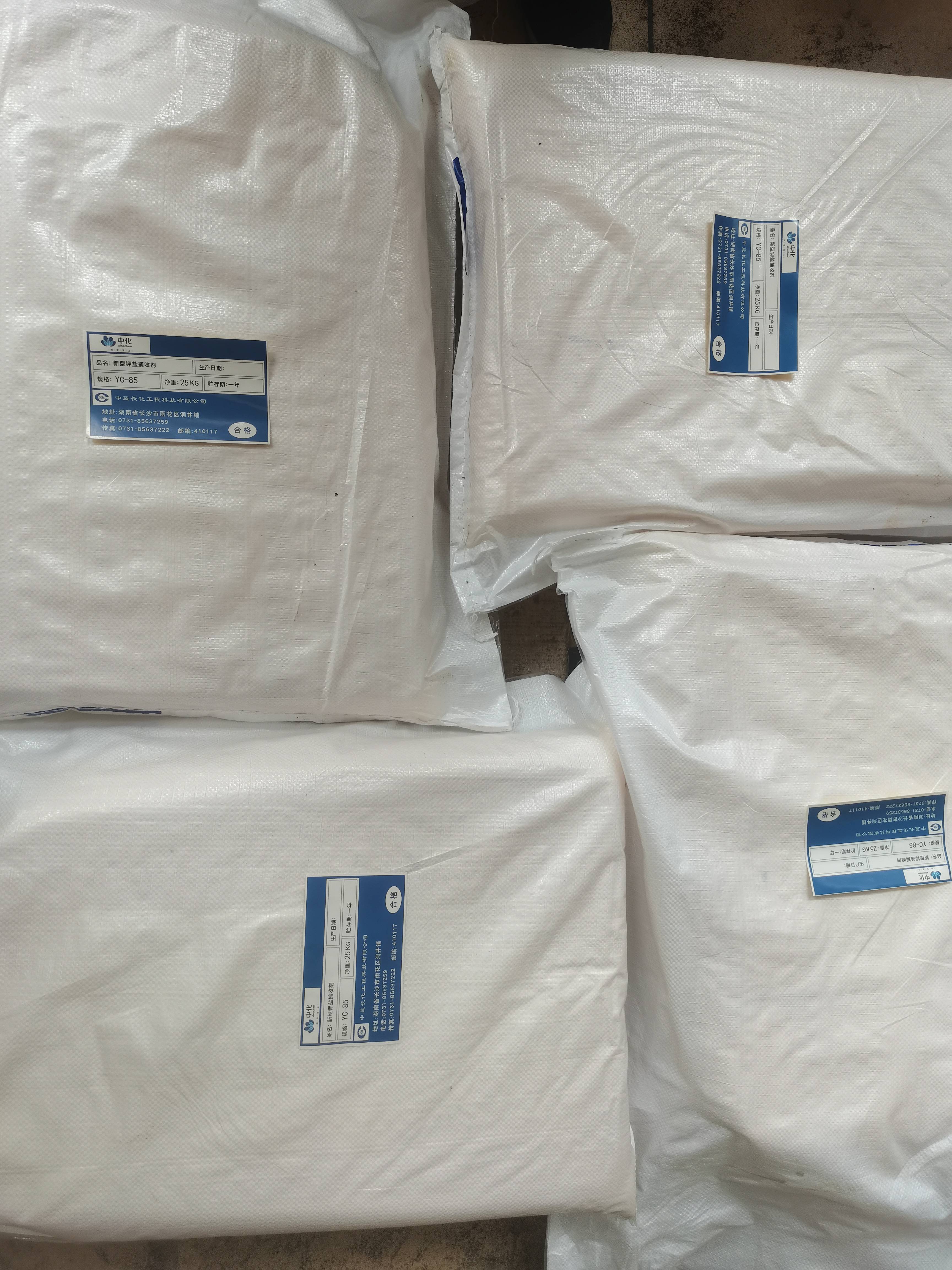
New Environmentally Friendly Green Potassium Salt Collector
Chonfar Engineering and Technology Co., Ltd.


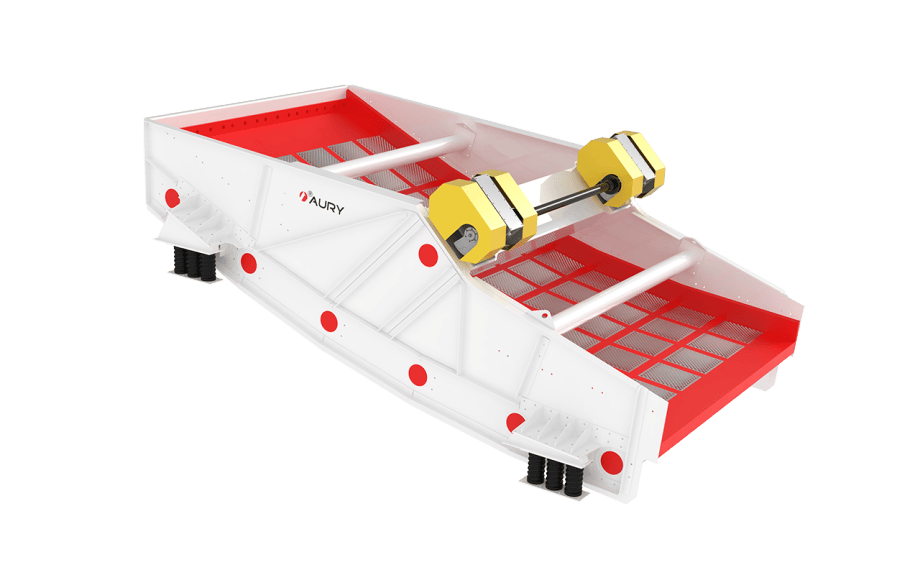


Comprehensive Mining Automation Control System
Beijing Tianma Intelligent Control Technology Co., Ltd.
Mine Explosion-proof and Intrinsically Safe Industrial Ethernet Ring Network (10 Gigabit/Gigabit)
Chongqing Mas Sci&Tech Co., Ltd.
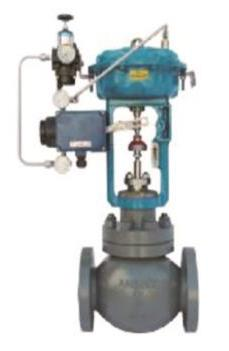
Quick-Change Single-Seat Control Valve / Quick-Change High-Pressure Single-Seat Control Valve
Beijing Consen Automation Technology Co., Ltd.