Chile's AMTC Showcases New Solvent Research at IMIL 2026, Advancing Sustainable Mining
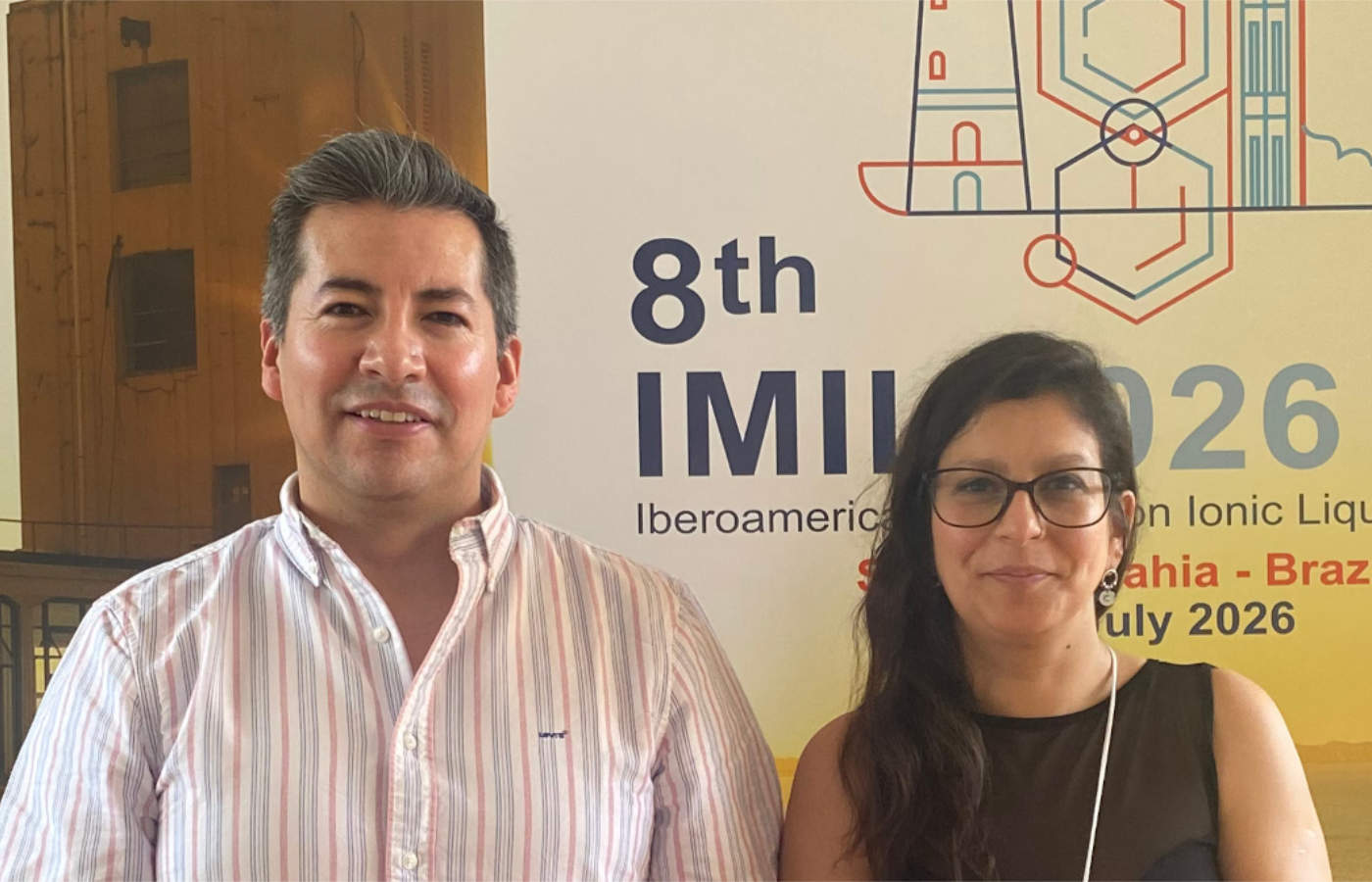
en.Wedoany.com Reported - Researchers Dr. Natalia Martínez and Dr. Yecid Jiménez from the Advanced Mining Technology Center (AMTC) at the University of Chile presented research reports on the application of ionic liquids and deep eutectic solvents (DES) in mineral processing at the IMIL 2026 International Conference, held at the Polytechnic Institute of the Federal University of Bahia in Salvador, Brazil. The core theme of their presentations was the contribution of these novel solvents to mining sustainability.
Metal separation, recovery, and purification processes typically rely on solvents, and traditional solvents pose numerous environmental and operational challenges. The scientific community is seeking new alternatives that can efficiently perform these functions while reducing the impacts associated with conventional processes. Ionic liquids and DES, whose properties can be tailored to different industrial needs, have become a significant area of research. IMIL 2026 brought together experts from across Ibero-America to discuss the synthesis, characterization, and applications of ionic liquids and DES, compounds with diverse applications in the mining sector.
These liquids feature low volatility, preventing the release of gaseous pollutants into the air; they can withstand high temperatures without decomposing; and their physical and chemical properties can be adjusted through modification. Current research covers areas such as hydrometallurgy, batteries, catalysts for chemical reactions, and the capture of polluting elements.
Dr. Martínez, who also serves as a scholar at the University of Atacama, presented a study at the conference demonstrating that an ionic liquid called AliD2 excels at removing magnesium ions from lithium brines. Magnesium is considered an impurity in the process of extracting lithium from brines, and this ionic liquid exhibits high selectivity for magnesium, making it applicable to the lithium purification stage. Subsequently, recovering magnesium from the ionic liquid could enable the valorization of this element, promoting the efficient utilization of both lithium and magnesium resources. This achievement is valuable for Direct Lithium Extraction (DLE) processes, contributing to higher and purer lithium recovery. Lithium is a critical mineral for the energy transition and electric mobility.
Dr. Jiménez, who also serves as a scholar at the University of Antofagasta, presented two studies. The first used tetrabutylammonium chloride ionic liquid to extract metal ions; this liquid is non-volatile with low vapor pressure, making it more environmentally friendly than traditional solvents. The second study used a hydrophobic DES to recover copper, platinum, gold, and iron from hydrochloric and sulfuric acid solutions, achieving results comparable to those of traditional solvents, which positions it favorably for the next stage (pilot-scale scaling).
From an initial economic perspective, the cost of this DES is slightly higher than that of traditional solvents, but its environmental advantages and physicochemical stability could offset this gap, and such assessments will be incorporated into subsequent work. Dr. Martínez also participated in a specialized course on ionic liquids and deep eutectic solvents held within the framework of IMIL 2026. The participation of AMTC researchers in IMIL 2026 is part of projects ANID CIA250010, Fondecyt 1221428, and Anillo ATE240006.
Related Products

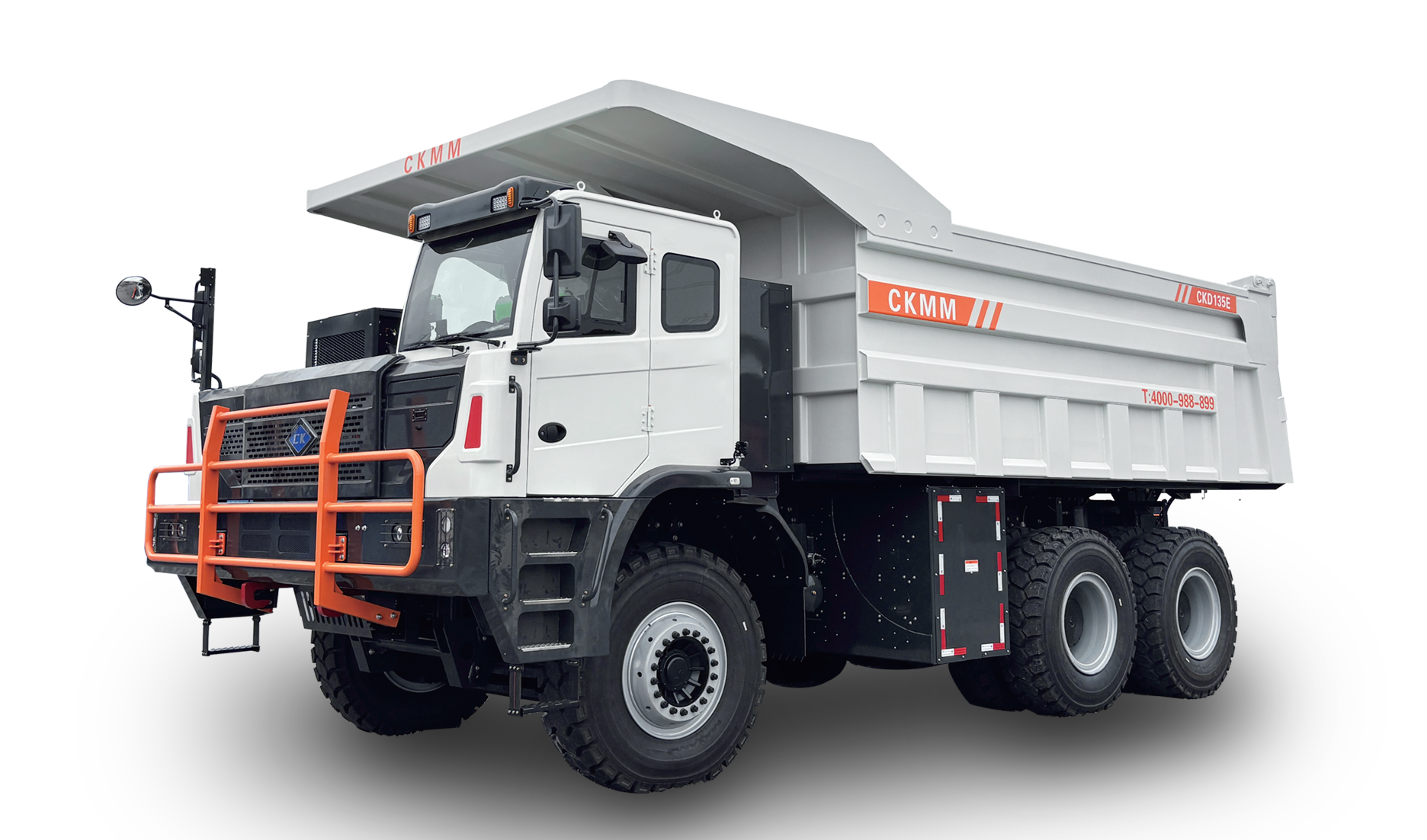
CKD135E Pure Electric Wide-body Dump Truck
Jiangsu Changkuang Engineering Machinery Co. Ltd.

Comprehensive Mining Automation Control System
Beijing Tianma Intelligent Control Technology Co., Ltd.
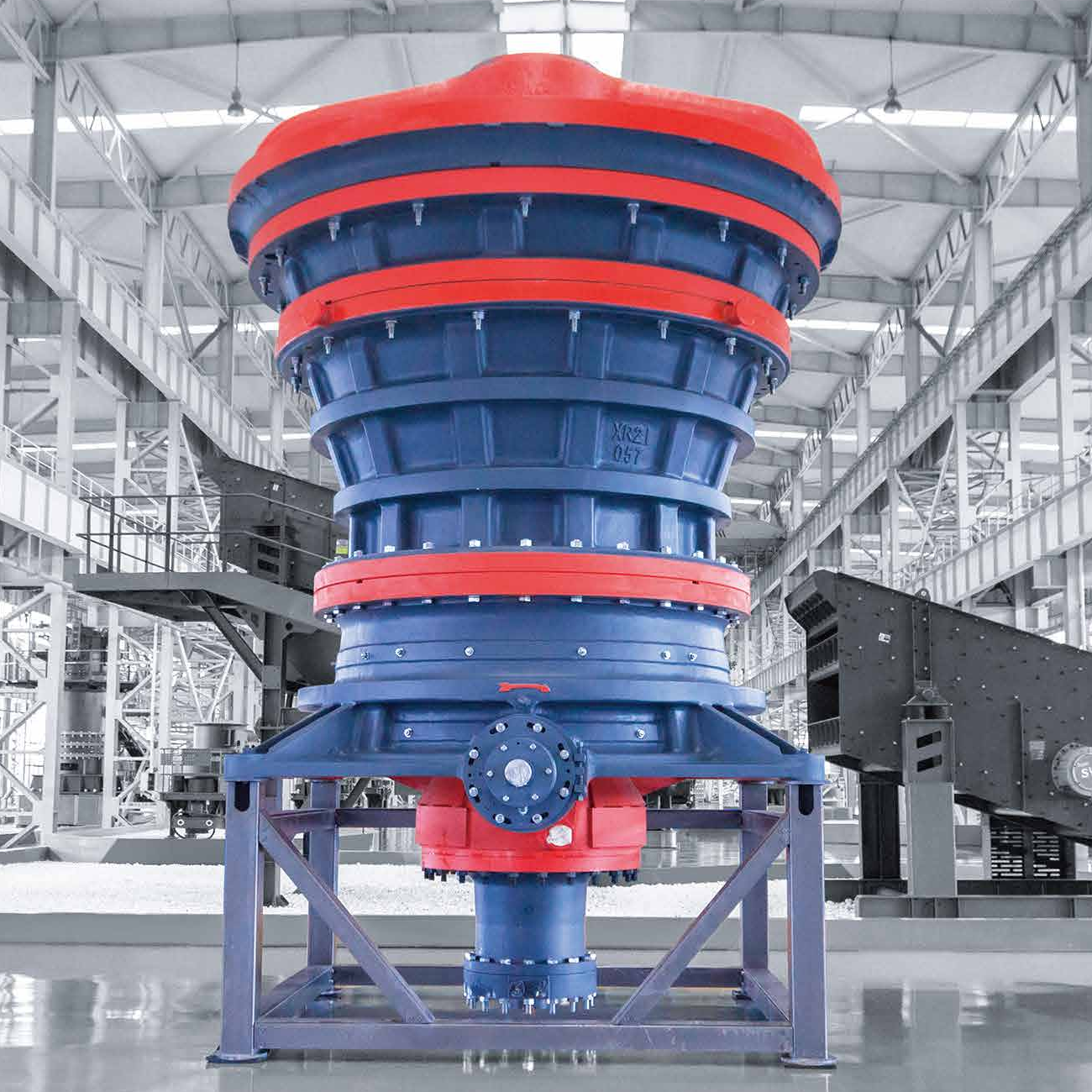

Yunnan Phosphorus Chemical Group Co., Ltd. 2 Million t/a Phosphorus Ore Mining and Beneficiation Project
China Bluestar Lehigh Engineering Corporation