Europe's Rail Freight Corridors Lack Capacity, 1.6 to 1.8 Million Trains Run Annually
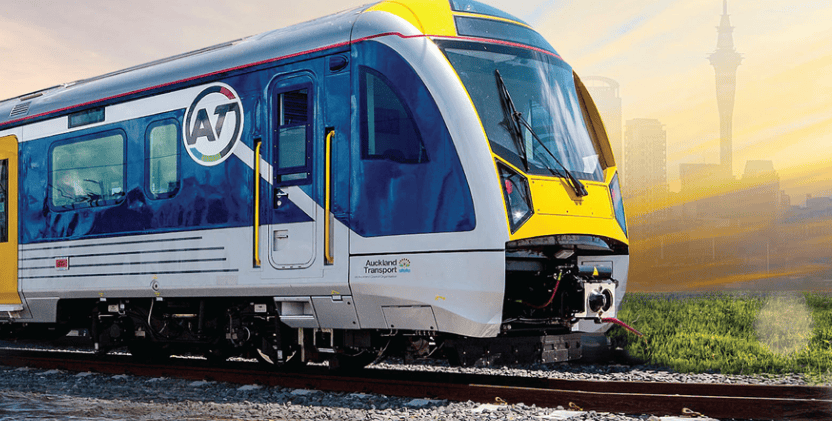
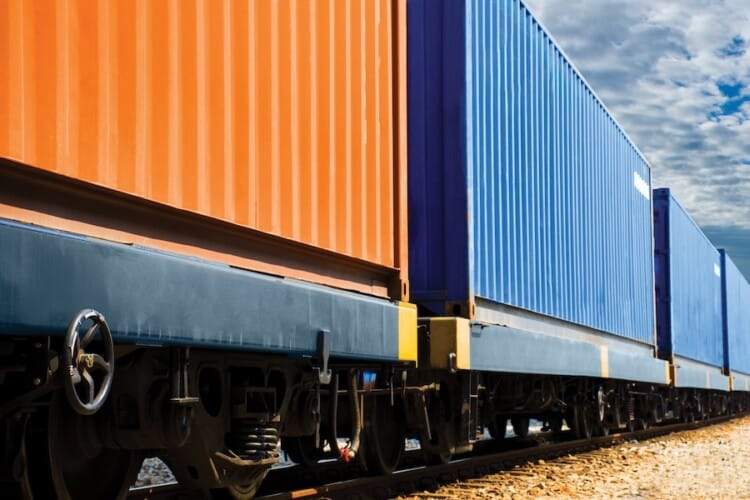
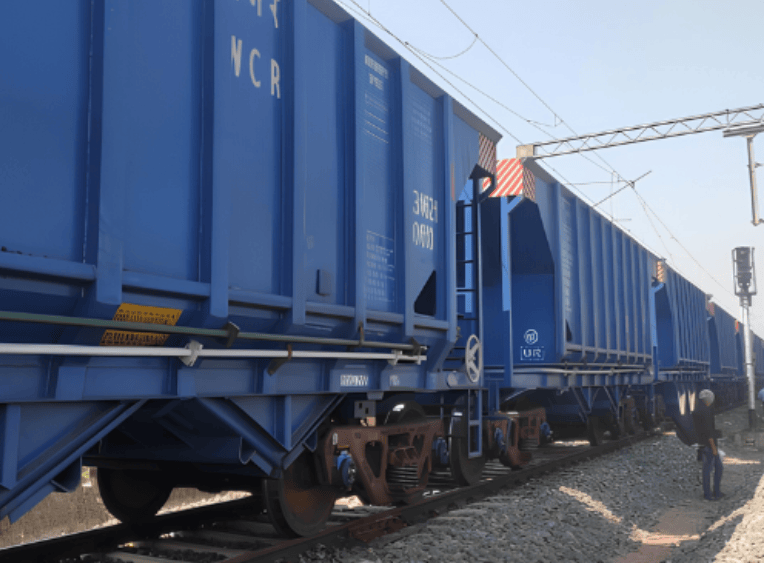
en.Wedoany.com Reported - Europe's rail freight corridors lack capacity, hampering cross-border logistics efficiency. Across Europe, approximately 1.6 to 1.8 million freight trains run each year, averaging about 5,000 per day; Germany is the largest market with around 1,200 daily, followed by Poland, Austria, and Switzerland. Hubs such as Rotterdam, Antwerp, Hamburg, Duisburg, Vienna, and Basel converge on major corridors, and any delay quickly ripples across the continent. Frank-Marquardt of LTE notes that these corridors' capacity falls significantly short of what modern logistics requires, stating that "infrastructure is far from the efficient rail logistics needed to reduce CO2 emissions, with Germany and Italy being the biggest stumbling blocks in the system."
Route planning is like a puzzle spanning five countries. A single freight train requires dozens of precisely timed, synchronized slots, coordinated jointly by national infrastructure operators and RailNetEurope (RNE). Frank-Marquardt cites an example: a train from Rotterdam to Brașov, Romania, typically runs via Venlo, Cologne, Passau, Budapest, and Arad, but due to construction and closures, LTE currently diverts through Poland, the Czech Republic, and Slovakia, adding roughly 800 kilometers to the journey. "Every diversion means new locomotives, extra training, and high costs."
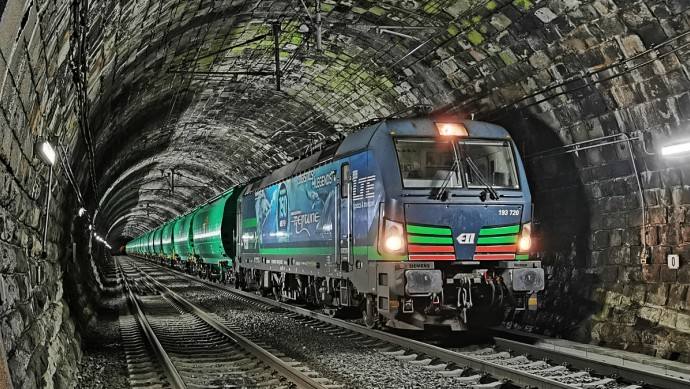
Long freight trains are generally considered challenging from around 700 to 740 meters in length. Many stations, passing loops, and crossing areas are historically developed and lack sufficient length. "There are too few 740-meter tracks, and related projects are about 20% behind schedule." Bottleneck lines, single-track sections, and heavily loaded corridors leave almost no room for adjustment—a single long train that fails to precisely match its time slot can block an entire region.
Digital tools offer only limited assistance. LTE uses RailCube and RailFlow to plan routes across 13 countries, with real-time data from various infrastructure operators, integrated and supplemented by RNE tools for international train information. Yet the reality remains stark: "There is no longer any normalcy—we fight for every cyclic route every day." Short-term construction, insufficient coordination of national construction schedules, and operational deficiencies at DB InfraGO severely hamper planning. Frank-Marquardt calls for fundamental systemic change, including stable infrastructure funding, fair competitive conditions, and faster approval procedures, while hoping RNE will immediately gain real approval and enforcement powers.
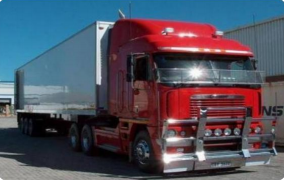
Ecological benefits are rail freight's strongest lever. A 740-meter train can replace up to 50 trucks, and rail consumes only one-third of the energy per ton-kilometer compared to trucks, with 95% electric traction. "Rail freight produces seven times less CO2 per ton than trucks." But political priorities have shifted, and ecological arguments alone are insufficient to convince shippers; LTE relies on professionalism and flexibility. New tunnels such as the Semmering Base Tunnel and the Koralm Tunnel will in the future connect Austria, Italy, and Southeast Europe; the Brenner Base Tunnel could also be a game-changer, provided Germany completes its connecting lines.
Frank-Marquardt concludes with two expectations: he hopes DB InfraGO will once again allow flexible operating margins, noting that "rigid timetables waste enormous capacity"; and that cross-border operations will uniformly use English for communication—"our drivers have long been capable of this."
Related Products


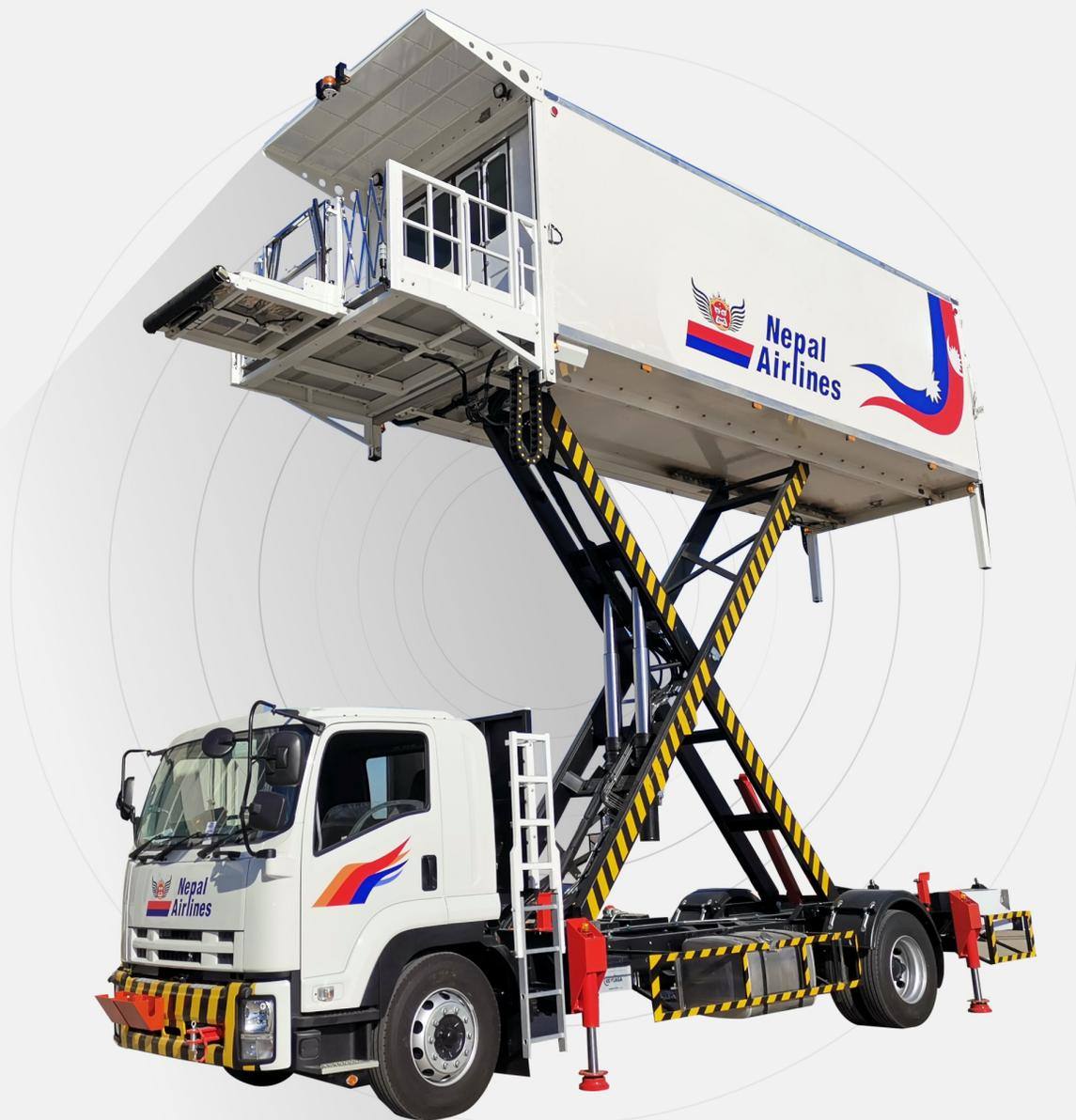
XC-6000e Type Aviation Catering Truck (Fuel Type)
Shenzhen CIMC-TianDa Airport Support Ltd.
![IVECO Cash-in-Transit [DMT5048XYCL3-AM] - Chongqing Dima Industry Co., Ltd](https://img.wedoany.com/2026/0911/20260911030157582.png)
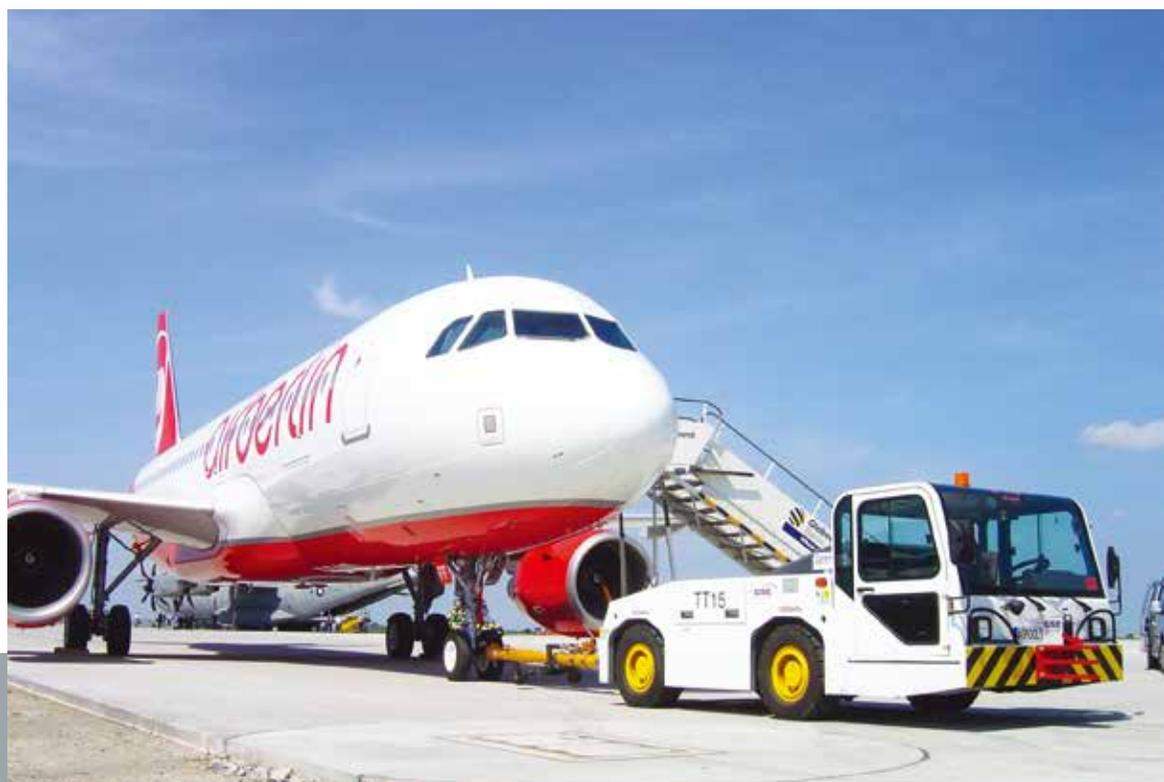
WGQY Series Aircraft Tow Tractor-WGQY15, WGQY27
Weihai Guangtai Airport Equipment Co., Ltd.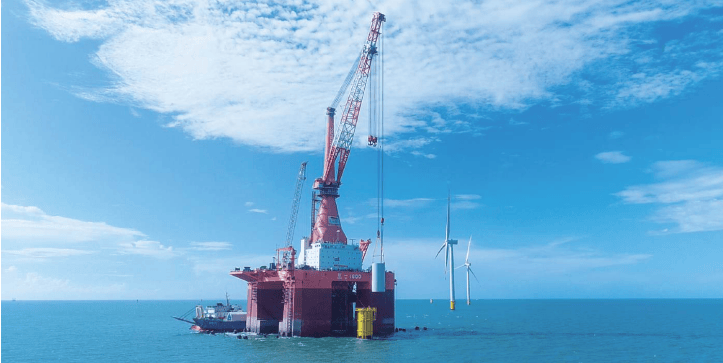
"Shunyi 1600" Deep-submerging Bottom-sitting Multi-functional Wind Power Engineering Vessel
Zhengli Offshore Engineering Co., Ltd.