en.Wedoany.com Reported - Recently, the Ministry of Natural Resources released the ocean economy performance for the first half of the year. According to preliminary calculations, the Gross Ocean Product reached 5.5 trillion yuan in the first half of the year, a year-on-year increase of 5.1%. China's ocean economy has achieved steady growth, demonstrating sound development momentum and continued resilience.
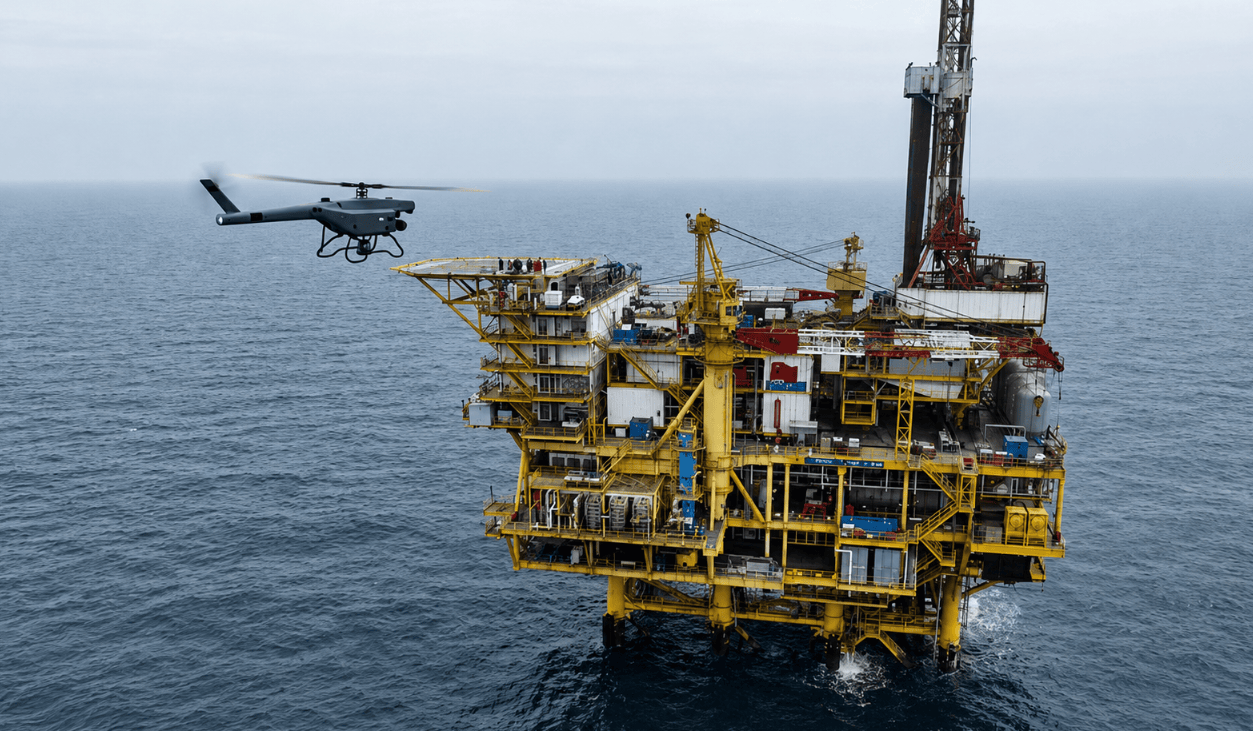
Steady growth in marine resource supply. Marine crude oil and natural gas output increased by 3.6% and 0.6% year-on-year, respectively, with development projects such as the Kenli 10-2 Oilfield Cluster (Phase I) and Wenchang 16-2 Oilfield fully put into operation. China's deepest offshore wind power project—the L Site in the North of the Shandong Peninsula—was fully connected to the grid, generating approximately 1.7 billion kWh of electricity annually, enough to meet the yearly electricity demand of about 500,000 households; the 16-megawatt floating offshore wind platform "Three Gorges Leading Voyager" was installed. Domestic marine aquatic product output increased by 4.7% year-on-year. A total of 1,246 new sea area and island use projects were approved nationwide, covering 123,000 hectares of sea area and islands, involving an investment of over 380 billion yuan.
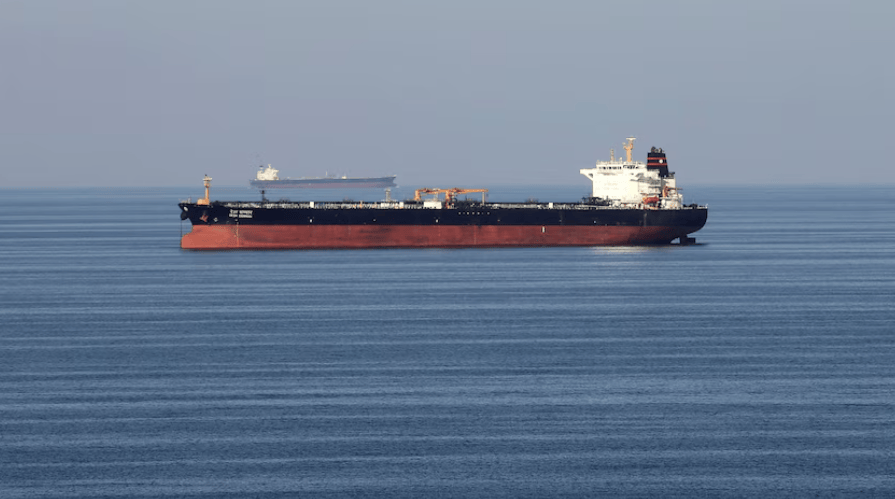
Solid foundation of traditional marine industries. New orders, completed tonnage, and orders on hand in the marine shipbuilding industry all rose, maintaining a leading international market share. The marine transportation sector remained generally stable, with marine freight volume and cargo turnover increasing by 4.7% and 7.1% year-on-year, respectively, and total maritime import and export value growing by 6.9% year-on-year, of which exports increased by 7.8%. Marine tourism continued to heat up, with marine passenger volume and passenger turnover rising by 4.6% and 5.4% year-on-year, respectively.
Expansion and efficiency gains in emerging marine industries. The value of new orders for marine engineering equipment increased by 121.9% year-on-year, accounting for over 80% of the global market share. New progress was made in marine biomedicine and comprehensive seawater utilization, with four original marine drugs approved for Phase I clinical trials. The Ministry of Natural Resources and seven other departments jointly issued the Guiding Opinions on Accelerating the High-Quality Development of Marine Drugs and Functional Products, and the internationally recognized standard Marine Technology—Standard Test Method for the Performance of Reverse Osmosis and Nanofiltration Membrane Elements, led by China, was approved and released. Marine information services flourished, with the launch of the global ocean phenomenon intelligent forecasting large model "Langya" 2.0, the Nanming Ocean large model, and the marine digital twin engine DTOEngine2.0.