China's Sodium-Ion Batteries Move Toward Mass Production, Becoming a Key Component of a Diversified Battery System
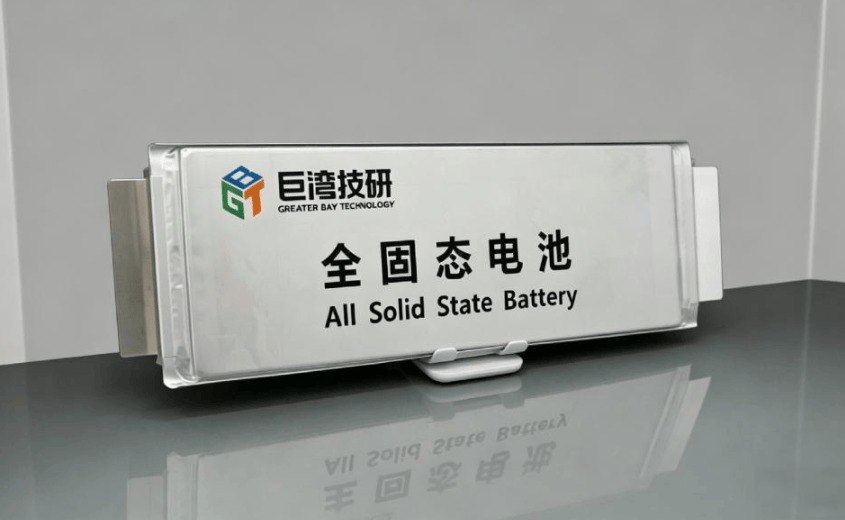
en.Wedoany.com Reported - Sodium-ion batteries are moving from the laboratory to mass production. Companies such as CATL have launched second-generation sodium-ion cells, and several automakers are evaluating the technology for future models. Sodium-ion batteries are unlikely to completely replace lithium-ion batteries, but will instead become an important part of a diversified battery system.
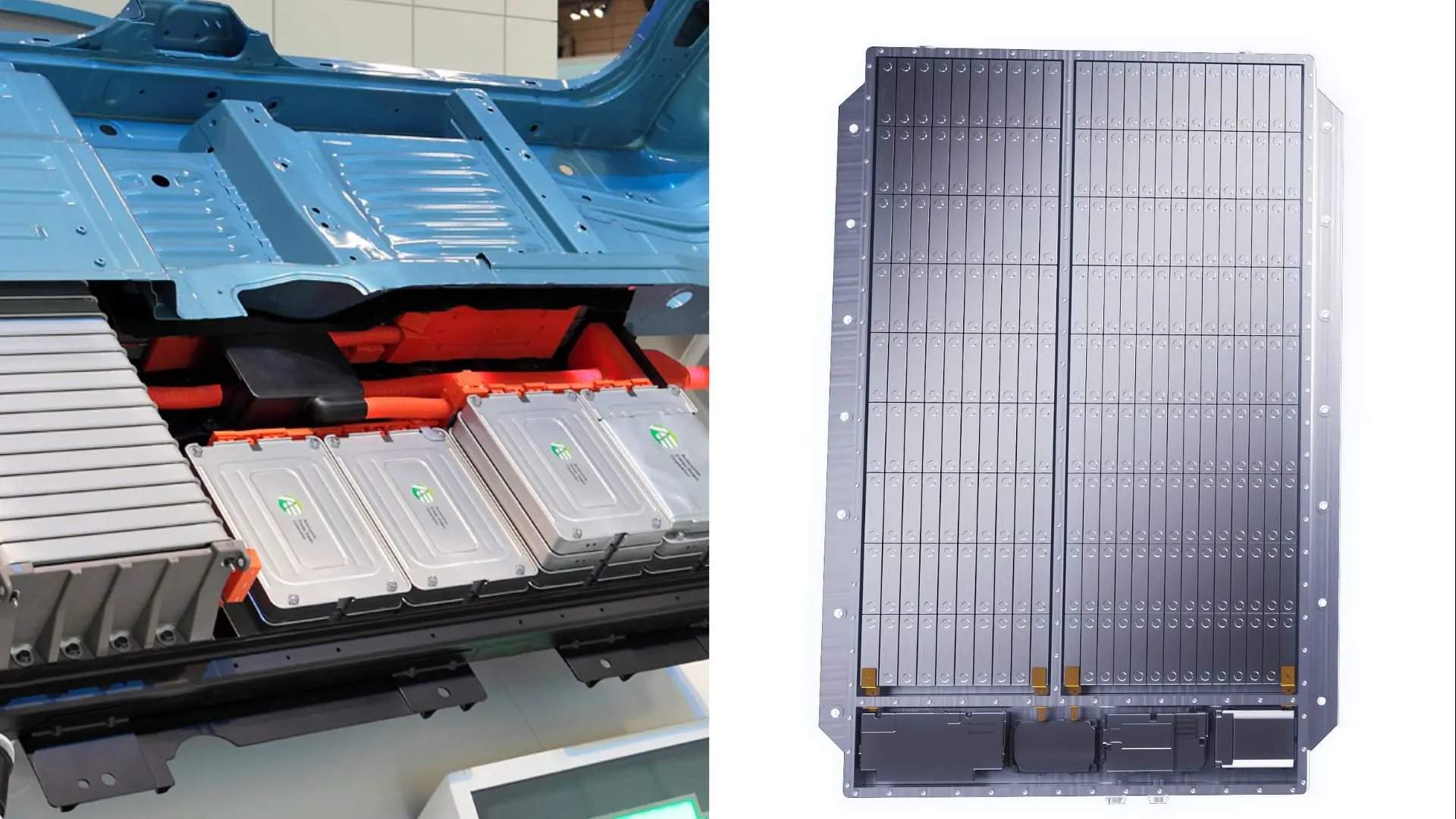
Sodium-ion batteries operate on a principle similar to lithium-ion batteries, both charging and discharging through the shuttling of charged ions between the cathode and anode, with the difference being that the former uses sodium ions instead of lithium ions. Sodium is one of the most abundant elements in the Earth's crust and is widely distributed, while lithium mining and refining are concentrated in a few countries. As a result, sodium-ion batteries can reduce supply chain risks and lessen dependence on critical minerals.
Cost is the biggest attraction of sodium-ion batteries. Over the past decade, lithium prices have fluctuated sharply with surging demand from electric vehicles, while sodium is inexpensive and widely available. In addition, sodium-ion chemistry performs better than traditional lithium-ion batteries in cold weather, the latter often experiencing slower charging and reduced range at low temperatures. In terms of safety, many sodium-ion designs exhibit good thermal stability, reducing the risk of thermal runaway compared with some lithium-based chemistries.
However, energy density remains a shortcoming of sodium-ion batteries. Lithium is a lighter element than sodium, allowing lithium-ion batteries to store more energy at the same weight. Modern lithium iron phosphate (LFP) batteries typically exceed 200 watt-hours per kilogram, while nickel-rich lithium-based chemistries can achieve even higher figures. Commercial sodium-ion batteries are currently approaching 175 watt-hours per kilogram, which means electric vehicles equipped with sodium-ion cells would need larger or heavier battery packs to achieve the same range. For compact city cars, this gap has limited impact, but it is crucial for premium long-range models.
A development worth watching is hybrid battery packs. Manufacturers such as CATL are developing technical solutions that combine lithium-ion and sodium-ion cells in the same vehicle. Lithium cells provide high energy density for long range, while sodium-ion cells contribute low-temperature performance, durability, and cost advantages. Advanced battery management systems can balance the power output of the two chemistries in real time based on temperature, driving conditions, and charging demands. This approach has the potential to reduce winter range loss while lowering manufacturing costs without sacrificing overall vehicle performance.
In terms of application scenarios, sodium-ion batteries are better suited to areas where cost and reliability take priority over maximum range, including affordable urban electric vehicles, delivery vans, buses, two- and three-wheelers, forklifts, and stationary energy storage systems. These vehicles typically return to predictable charging locations and have relatively lower demands for ultra-high energy density. Long-range luxury electric vehicles, high-performance cars, and electric aircraft will continue to rely on high-energy-density lithium-based chemistries for the foreseeable future.
It is unlikely that sodium-ion batteries will fully replace lithium-ion batteries across the entire automotive industry chain, but they offer an important option that could reduce the cost of electric mobility and enhance supply chain resilience. Just as modern vehicles use different types of engines for different purposes, the future electric vehicle market is likely to adopt multiple battery chemistries simultaneously, each optimized for specific application scenarios. Lithium-ion batteries drove the initial growth of the electric vehicle industry, and sodium-ion batteries may make this transition more economical, more sustainable, and accessible to a broader range of users.
Related Products
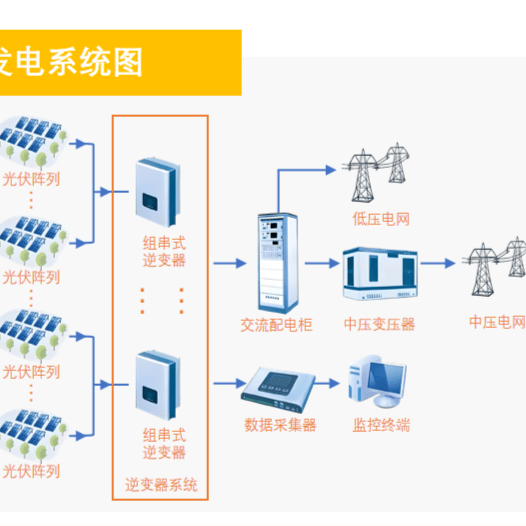

Photovoltaic and Wind Power Generation Technology
Beijing Boqi Electric Power SCI-TECH Co., Ltd.
YE3 Series Low Voltage High Power Three-Phase Asynchronous Motor
Shandong Lijiu Electrical Machinery Co., Ltd.
Single-Phase Automatic Voltage Regulator(AVR)
Shaanxi Sefon Electrical Equipment Co.,Ltd.
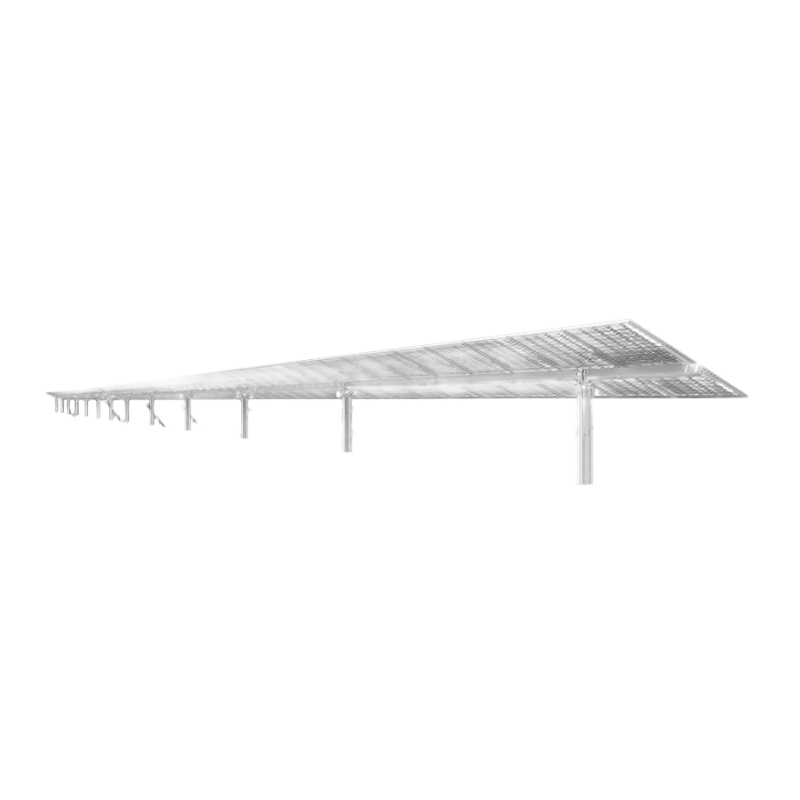
TAI Slew-drive Single-axis Independent 1P Tracking Bracket System
ANTAI TECHNOLOGY CO., LTD.


Off-Grid Fuel Cell Supercharging Station (180kW Configuration)
Shanghai REFIRE Group Limited
SFC-60 Individual Portable Power Supply, High Specific Energy Methanol Portable Power Supply
Automation Research Institute Co., Ltd. of China South Industries Group Corporation