Fraunhofer and DEUREX Develop Bio-Based Wax: Just 1.5% Addition Can Influence PBS Properties
en.Wedoany.com Reported - The Fraunhofer Institute for Microstructure of Materials and Systems (IMWS), in cooperation with DEUREX AG, has developed a new class of fully biodegradable bioplastics that can serve as a drop-in solution for existing plastic applications. This achievement stems from the WIR! alliance project "BioZ – Bio-based Innovations from Zeitz and Central Germany," which also operates as a competence center within the TransBIB meta-network. TransBIB connects companies, research institutions, and innovation centers in the industrial bioeconomy sector, aiming to accelerate the transfer of bio-based technologies into industrial applications.
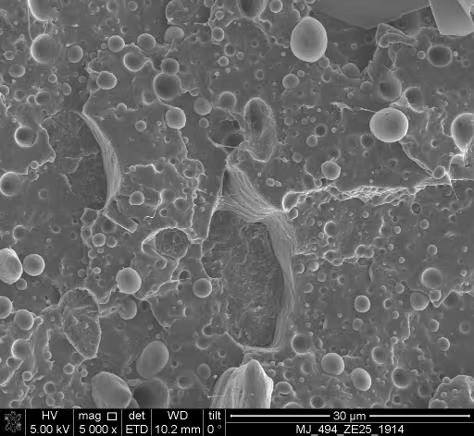
The core of the project is the development of bio-based, wax-based performance modifiers (biomers) to replace the petrochemical-based modifiers currently used in the industry. These waxes are biodegradable and can be produced on an industrial scale from renewable raw materials. The research goal is to partially or fully replace petrochemical performance modifiers in polymer materials while developing new formulations for bio-based packaging applications. Plastic compounds used in fruit and vegetable packaging nets are one of the key application areas, with the project attempting to partially or completely replace conventional polymers with engineered biopolymers without compromising processability or product performance.
The distinctive feature of this approach lies in its high tunability. By using bio-based modifiers, researchers can selectively adjust the processing properties of biopolymers such as polybutylene succinate (PBS), either increasing or decreasing viscosity. The dispersion of additional fillers (such as colorants) is improved, and the biodegradability of the overall system remains unaffected. No comparable platform technology based on renewable raw materials is currently known.
Most modifiers on the market are based on petrochemical waxes or graft copolymers, which have limited suitability for biodegradable applications. The new approach is designed with compatibility with existing industrial processes in mind—the bio-based modifiers can be processed directly on existing equipment, offering a relatively straightforward pathway for the sustainable transformation of current plastic systems.
The technical route of this development is as follows: first, bio-based raw materials derived from sugarcane bagasse undergo oxidative degradation to selectively adjust molecular weight; this is followed by chemical modification of reactive groups to specifically influence the interaction between the modifiers and the PBS matrix material. The resulting waxes are incorporated into the biopolymer via batch and continuous melt mixing processes, after which the project partners analyze the microstructure and material properties.
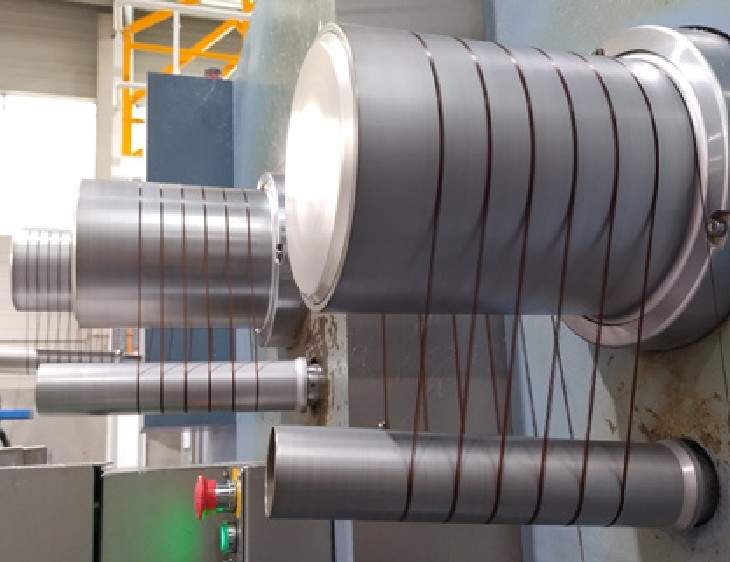
The research validated the scalability from laboratory to pilot scale: continuous melt mixing using a twin-screw extruder increased throughput from approximately 1 kg/hour at the laboratory scale to approximately 10 kg/hour at the pilot scale. Subsequently, at industrial scale, the developed formulations were successfully processed into blown films and used to produce packaging net strips. Experimental data show that the incorporation of bio-based wax can significantly influence the rheological and mechanical properties of PBS—even an addition of just 1.5% noticeably alters the material's flow behavior, stiffness, and strength.
The outcomes of this project demonstrate a practical pathway for bio-based innovations to move from the laboratory into industrial application. The interface between material development, process scale-up, and industrial implementation is precisely where transfer networks like TransBIB provide essential support. The experience from the BioZ Waxes project shows that the successful transfer of bio-based innovations depends not only on material development itself, but also on suitable application partners, scale-up infrastructure, and expertise spanning the entire value chain. By connecting existing innovation centers, fostering exchange between research institutions and industry, and providing various digital tools, TransBIB helps accelerate the industrial transformation of results once scale-up has been successfully achieved.
Related Products

Bidirectional Metal Hard Sealed Seawater Butterfly Valve
Henan Quanshun Flow Control Science & Technology Co., Ltd.
Steel Pipes for Refining and Coal Chemical Industries
YANGZHOU LONTRIN ENERGY EQUIPMENT CO.,LTD.
Gasification Furnace Series: Freely Combinable Aerospace Furnace
CHANGZHENG ENGLINEERING CO., LTD.
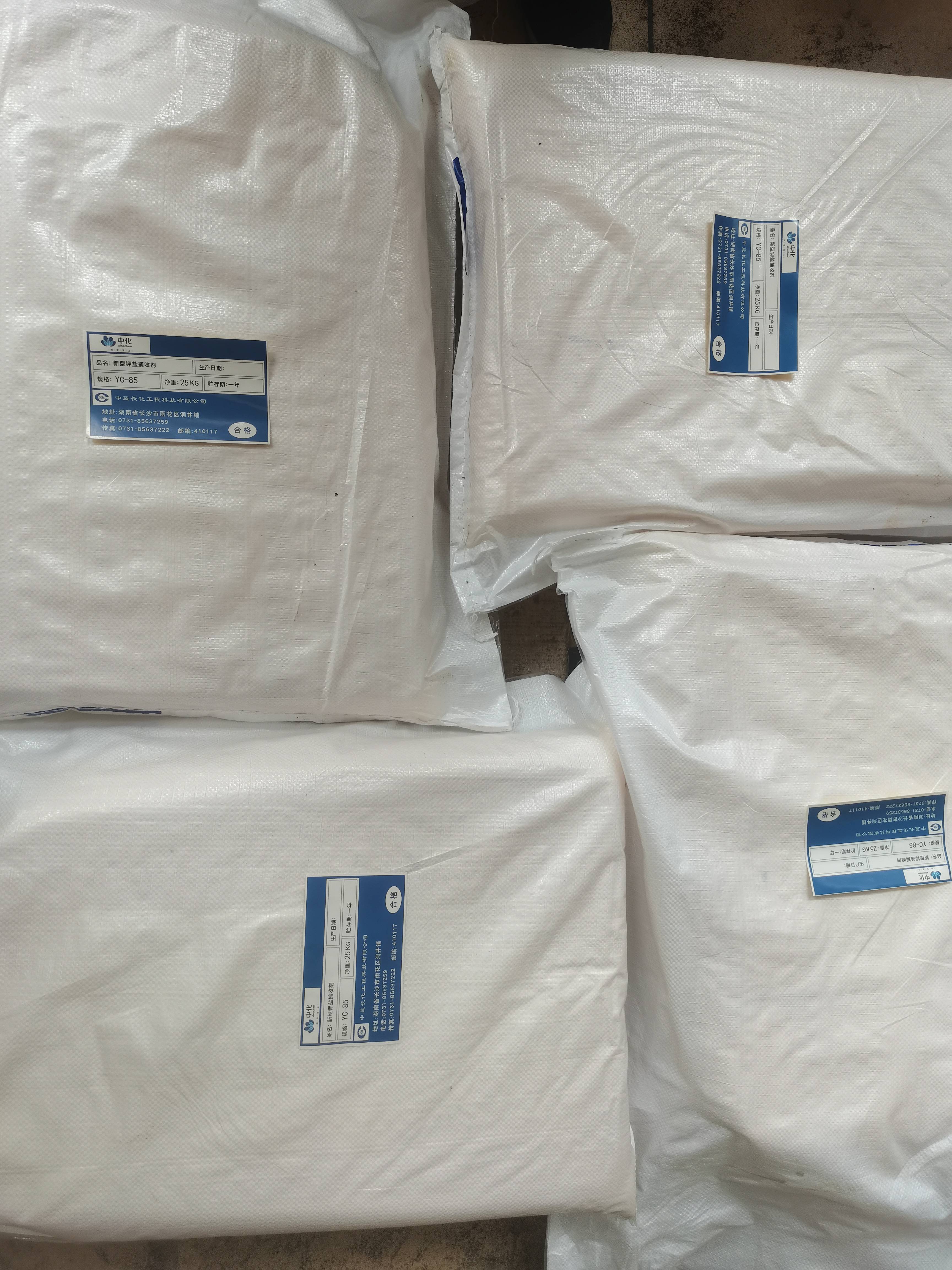
New Environmentally Friendly Green Potassium Salt Collector
Chonfar Engineering and Technology Co., Ltd.