EU SUSPENS Completes Validation of Sustainable Composites
en.Wedoany.com Reported - The SUSPENS sustainable composites project funded by the EU Horizon Europe program has announced its final results. Led by IRT Jules Verne of France, the project was implemented jointly by 12 research and industrial institutions from France, Finland, Belgium, Germany, Portugal, and Greece, with total investment of approximately EUR 4.996 million. It was launched in January 2023 and completed at the end of June 2026, with a research and development period of 42 months. Targeting the aviation, automotive, and recreational boating sectors, the project developed bio-based thermosetting resins, natural and recycled reinforcing fibers, low-energy manufacturing processes, and composite recycling technologies.
The project completed validation of multiple routes for replacing petroleum-based materials. The resin systems included the use of bio-based reactive diluents such as IBOMA to replace styrene in unsaturated polyester resins, while also developing epoxy and polyester resins with high bio-based content. Reinforcing materials covered carbon fibers recovered from decommissioned aircraft composites, glass fibers recovered from wind turbine blade waste, and natural or bio-based fibers prepared from waste cotton cellulose and lignin. Project validation results showed that multiple bio-based resins meet the conditions for flame retardancy, processing, and mechanical performance applications.
In the recycling phase, two technical routes—solvolysis and pyrolysis—were primarily tested to separate thermosetting resin matrices from reinforcing fibers and further recover carbon fibers, glass fibers, and organic components. The project also studied processes to reduce energy consumption in carbon fiber recycling and remanufacturing, and incorporated design-for-disassembly, reprocessing, and material circularity requirements into the design stage.
SUSPENS ultimately completed three types of transportation demonstration applications, including aviation structural components, automotive power battery bottom plates and top covers, and sailboat decks and hull structures. The relevant components adopted sandwich or hollow composite structures to reduce structural weight and improve the stiffness-to-weight ratio. In the automotive direction, the application of bio-based resins in sheet molding compound (SMC) was also tested. Some solutions have not yet fully met the established performance requirements of the automotive industry, but engineering validation among material formulations, manufacturing parameters, and component performance has been completed.
The project's original technical objectives included developing thermosetting resin systems with bio-based content of up to approximately 95%, and reducing the full life-cycle carbon emissions of composites through material, manufacturing, and recycling routes. According to EU CORDIS project information, SUSPENS also incorporated recyclability performance, manufacturing energy consumption, and life-cycle costs into its overall assessment, and its technical results are planned to continue advancing toward industrialization.
Related Products


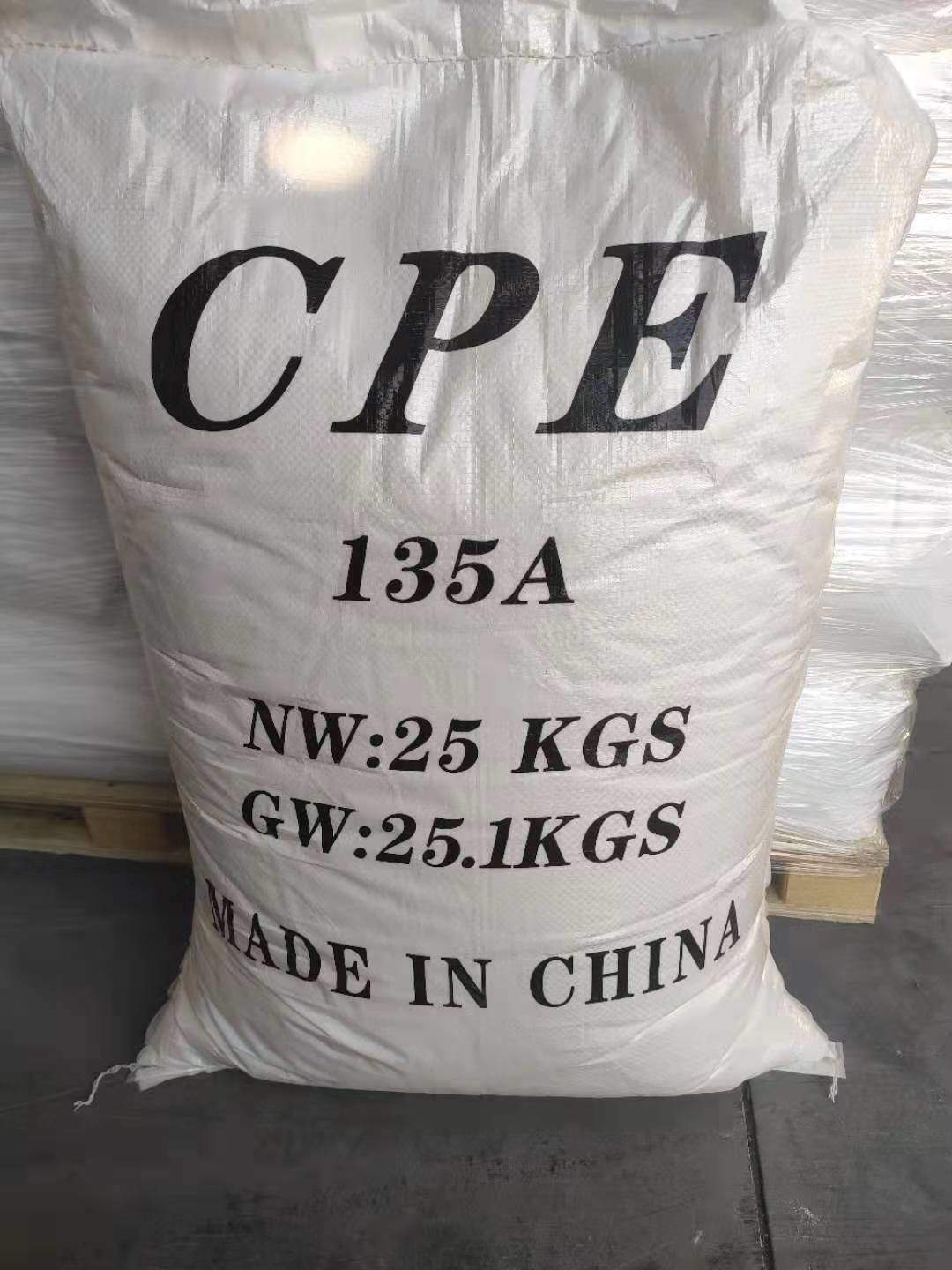
PVC Impact-Modified Chlorinated Polyethylene
Gansu Jinchuan Hengxin Polymer Technology Co., Ltd.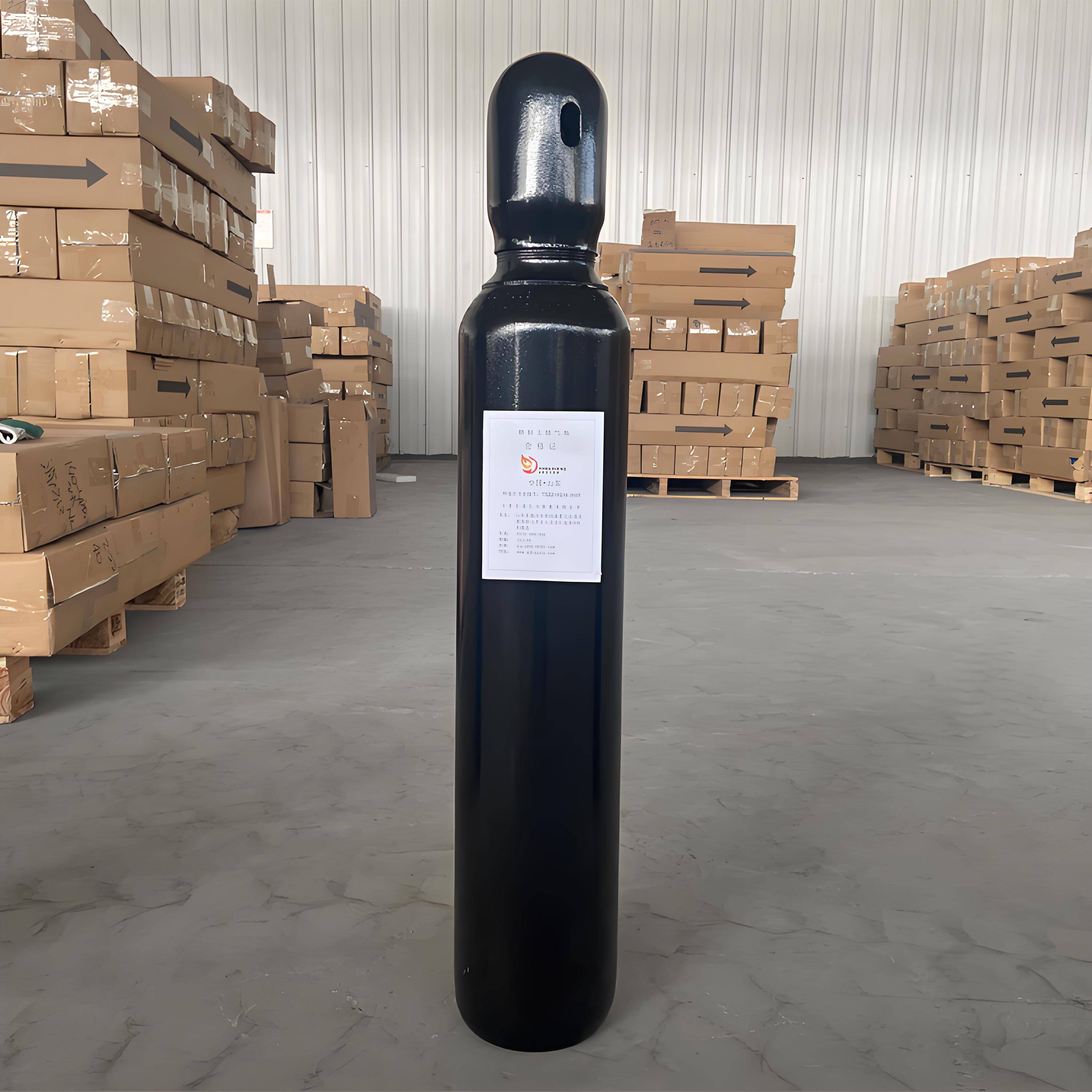
Nitrogen Export, Nitrogen Manufacturer, High-purity Nitrogen Supplier
Foshan Yuexin Industrial Gas Co., Ltd.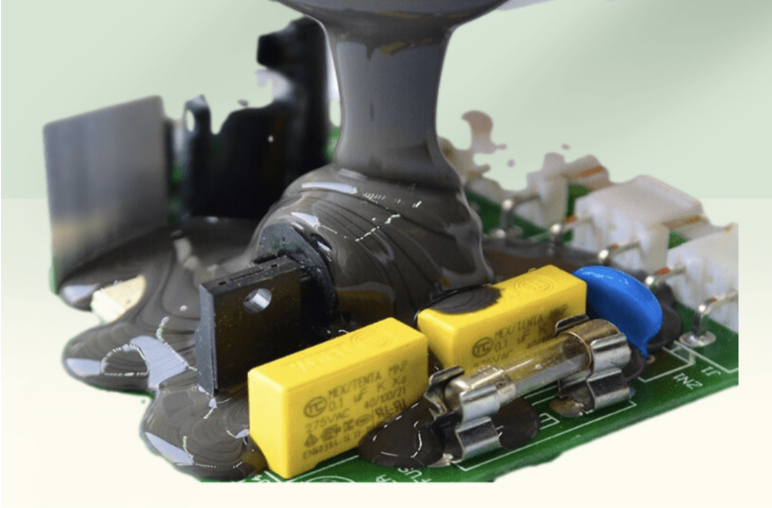
High Thermal Conductivity Encapsulating Resin
Nantong BESALL Sealing Technology Company.,Limited
Industrial and Commercial Point-Type Gas Detector
Jinan Benan Technology Development Co., Ltd.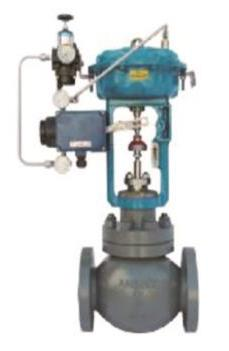
Quick-Change Single-Seat Control Valve / Quick-Change High-Pressure Single-Seat Control Valve
Beijing Consen Automation Technology Co., Ltd.
Steel Plates for Chemical Pressure Equipment
Gansu JISCO Group Hongxing Iron and Steel Co., Ltd.