Boeing Drops Serrated Engine Design on 777X
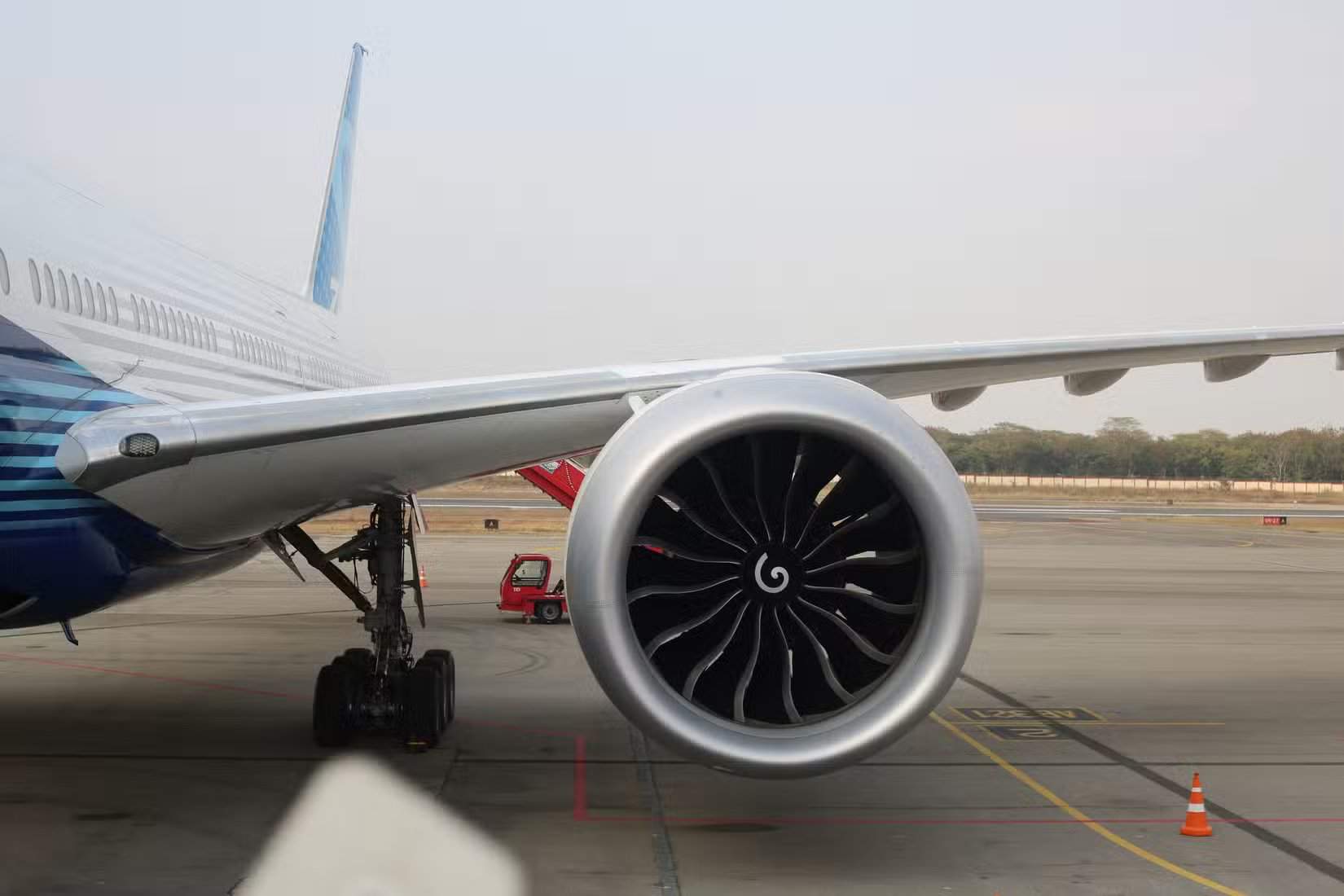
en.Wedoany.com Reported - Boeing has eliminated the serrated chevron design on the trailing edge of the engine nacelle for the 777X, a move confirmed as the configuration was finalized and physical test aircraft were rolled out. In the 777X concept images released in 2013, the GE9X engine nacelle trailing edge featured a row of serrated chevrons, a design that drew widespread attention at the time. The chevrons were a signature visual feature of the Boeing 787 and Boeing 747-8, regarded as a cutting-edge noise reduction technology; the 777X's abandonment of them is not a compromise on noise compliance or environmental standards, but rather the result of a decade of advances in propulsion aerodynamics.

The high-temperature, high-velocity exhaust from a jet engine core shears against cooler, slower ambient air, generating turbulent aerodynamic vortices that radiate low-frequency sound waves during takeoff and landing climb phases. The International Civil Aviation Organization (ICAO) Annex 16 sets forth relevant noise regulations. The chevron patterns on the nacelle trailing edge and core nozzle trailing edge allow the high-speed exhaust to mix with the surrounding airflow in an interleaving manner between the triangular serrations, breaking large turbulent eddies into smaller, controlled vortices and accelerating energy dissipation, thereby reducing low-frequency jet mixing noise by 5 to 6 decibels. The trade-off is that the induced vortices consume exhaust kinetic energy and create parasitic drag, estimated to increase total fuel consumption by approximately 0.5%, along with added structural weight, manufacturing complexity, and maintenance points.
The size and internal architecture of General Electric's GE9X engine are key to why engineers were able to forgo the chevrons. The GE9X fan has a diameter of 134 inches (3.4 meters) and a bypass ratio of approximately 10:1, enabling it to move more air at lower overall velocities. Research by the National Aeronautics and Space Administration (NASA) shows that jet noise grows exponentially with exhaust velocity; reducing the velocity differential between the exhaust and the surrounding atmosphere cuts low-frequency acoustic output at the source. With exhaust noise under control, the acoustic challenge shifts to the fan blades at the front of the engine; GE Aerospace reduced the 22 blades on the older GE90-115B to 16 carbon-fiber composite wide-chord blades on the GE9X to suppress inlet turbulence and cabin "buzz saw" noise.
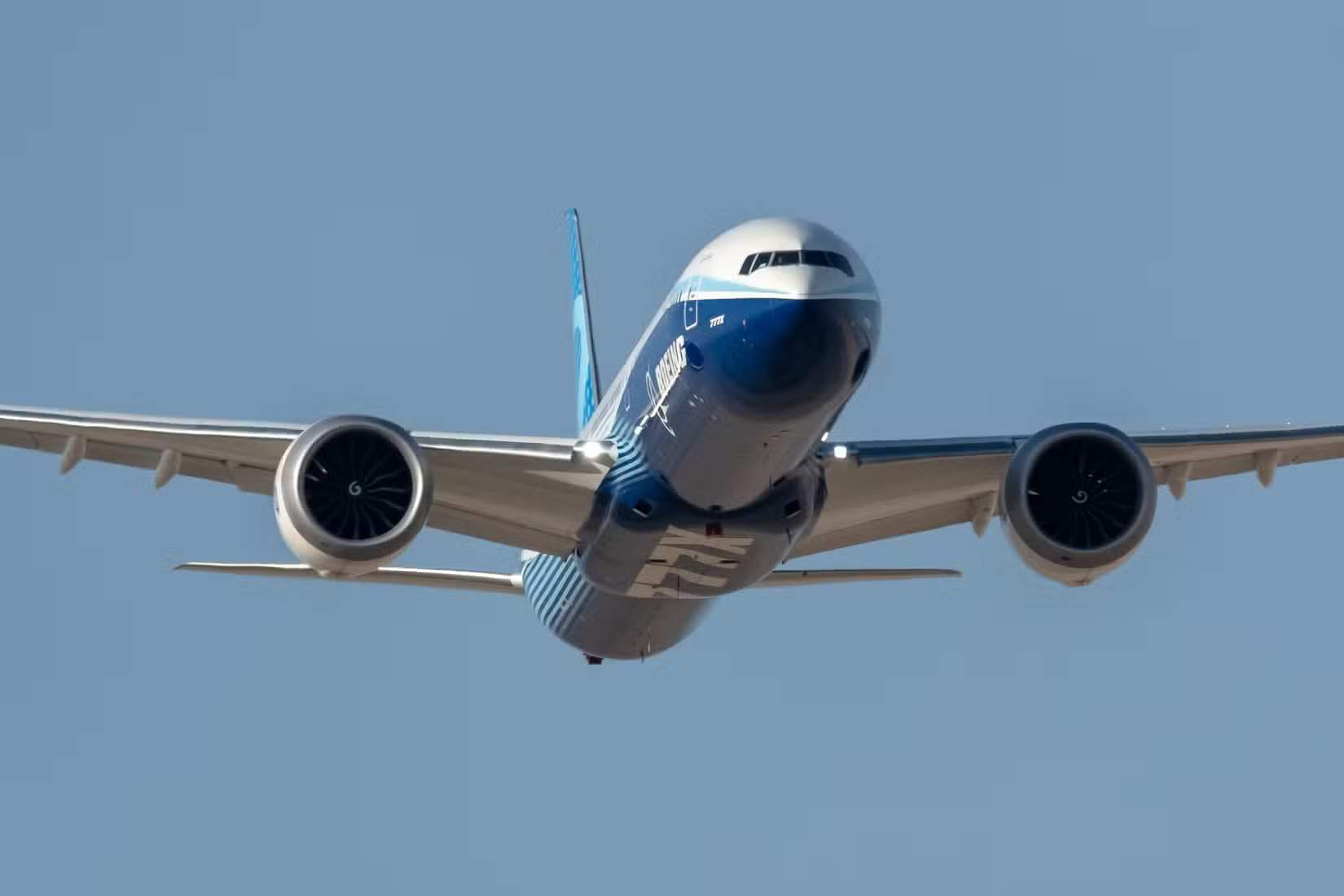
Safran designed the internal acoustic treatment system for the 777X: the exhaust casing uses titanium nozzle components, paired with lightweight composite skins lined with micro-perforated honeycomb structures that absorb sound waves before they exit the nacelle. The GE9X's internal turbine casing employs heat-resistant ceramic matrix composites (CMCs), allowing the core to operate at higher temperatures and tighter mechanical tolerances, reducing internal aerodynamic flutter and acoustic resonance. The combination of the ultra-high bypass ratio and micro-perforated acoustic liners enables the 777X to meet stringent noise certification requirements, allowing operations at noise-sensitive hub airports without incurring curfew fines or hefty landing fees.
International widebody aircraft typically operate 12 to 16 hours per day; multiplying a 0.5% thrust loss by the thousands of long-haul segments flown annually by the global twin-engine widebody fleet amounts to a substantial fuel expense that accumulates over decades of airframe service.
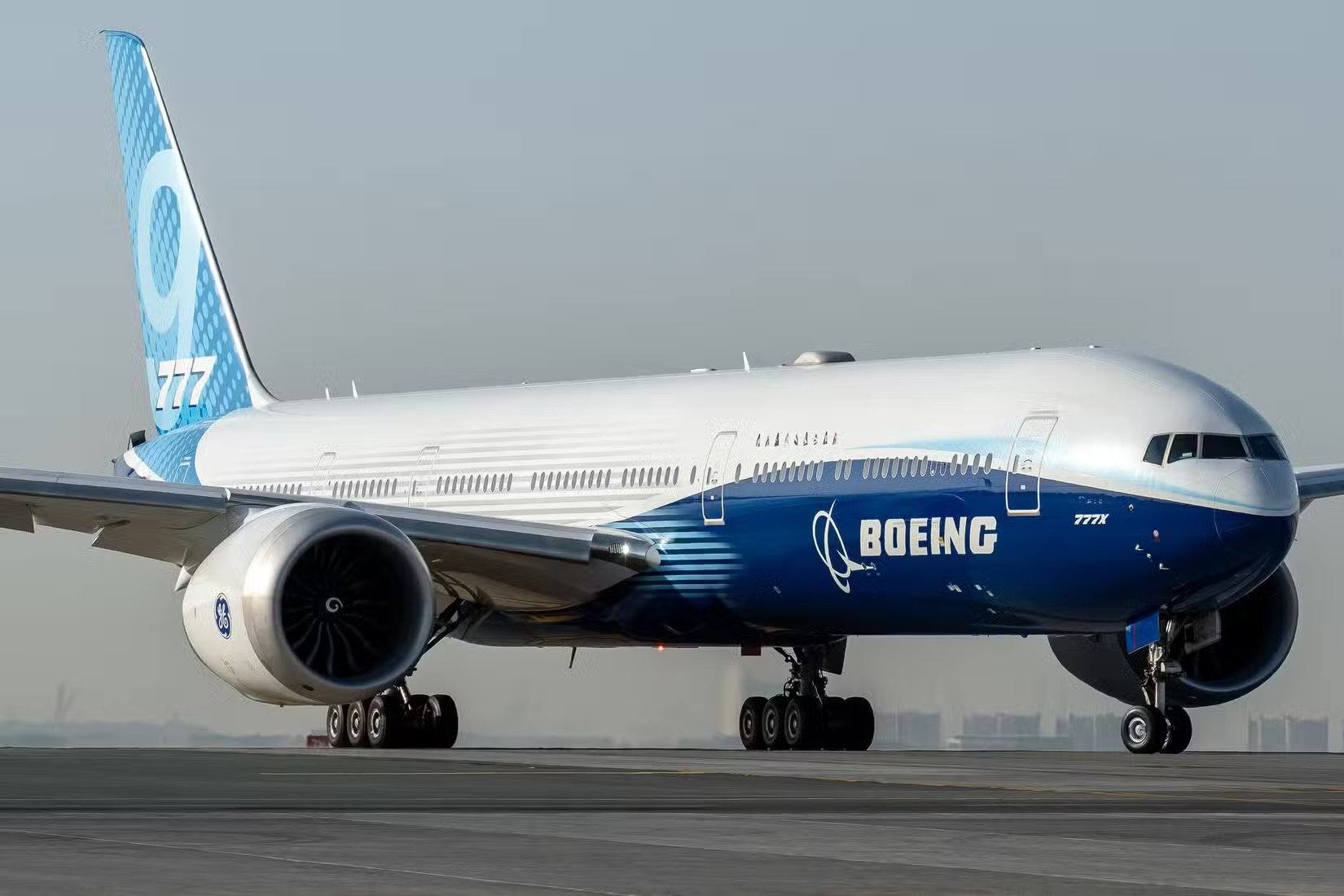
Eliminating the chevrons also yields long-term savings in maintenance, repair, and overhaul (MRO). Chevron tips, located in the high-temperature, high-vibration exhaust flow, are prone to micro-cracking, composite delamination, and edge erosion after thousands of flight hours; a smooth, continuous trailing edge simplifies daily pre-flight line inspections and reduces composite repair workload over a 30-year service life. Terry Beezhold, chief engineer of the 777X program, stated that the alternative design "provides the same level of noise control for the cabin and the community, but with lighter weight and lower drag."
Chevron-equipped engines also pose ground clearance risks. The GE9X's outer nacelle diameter reaches 184 inches (4.7 meters), wider than a Boeing 737 cabin, and engineers must precisely manage physical ground margins during steep landing attitudes, single-engine taxi maneuvers, and crosswind touchdowns.
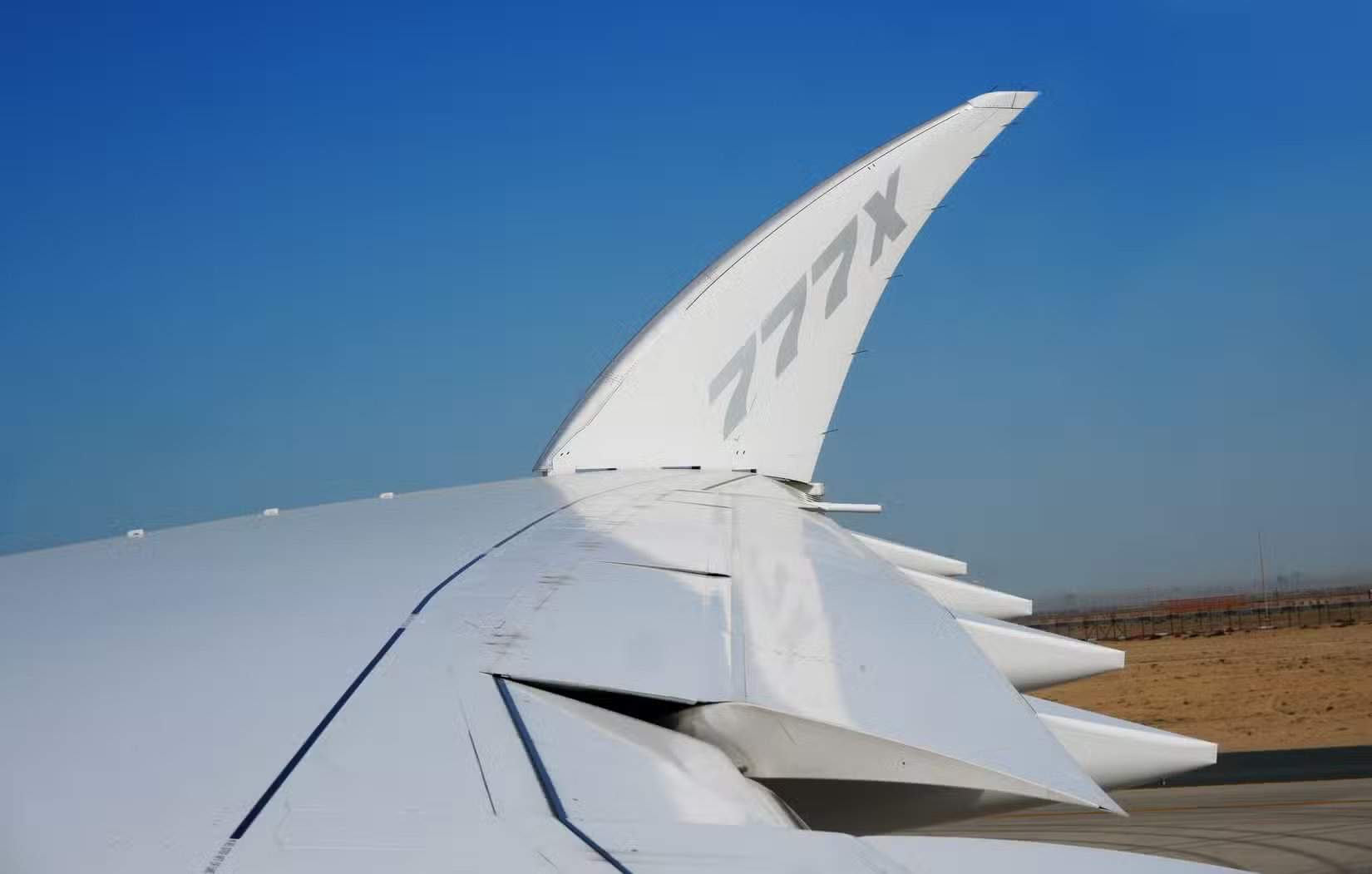
Traditional chevrons rely on an inward cant angle of approximately 3 to 5 degrees to force core exhaust to mix with bypass airflow, which expands the turbulent exhaust wake envelope behind the nacelle and compresses the clearance required aft of the engine. The smooth, flush tail nozzle profile keeps the exhaust wake compact, and combined with a slightly flattened lower nacelle contour, Boeing maintains a safe engine-to-ground margin without lengthening the main landing gear struts.
The disappearance of engine chevrons on the 777X marks the exit of this visual design from widebody engines. Chevrons served as a transitional technology, helping high-bypass-ratio engines meet urban airport noise limits before computational fluid dynamics (CFD) and internal acoustic materials matured.
Today, widebody aircraft from both Boeing and Airbus (Airbus) have fully adopted smooth nacelles: the Airbus A350, A330-900, and Boeing 777X all replace exposed chevrons with internal micro-perforated sound-absorbing structures. CFD modeling enables propulsion aerodynamicists to precisely map internal duct acoustic characteristics, confining acoustic energy within the engine nacelle shell. For next-generation propulsion concepts, including open-rotor architectures and ultra-high-bypass-ratio geared turbofan engines, the approach of solving aerodynamic problems at the fluid source, rather than relying on drag-inducing external fixes, continues to prevail.
Related Products


Wheel and Track Technology Business
Beijing Research & Design Institute of Rubber Industry Co., Ltd.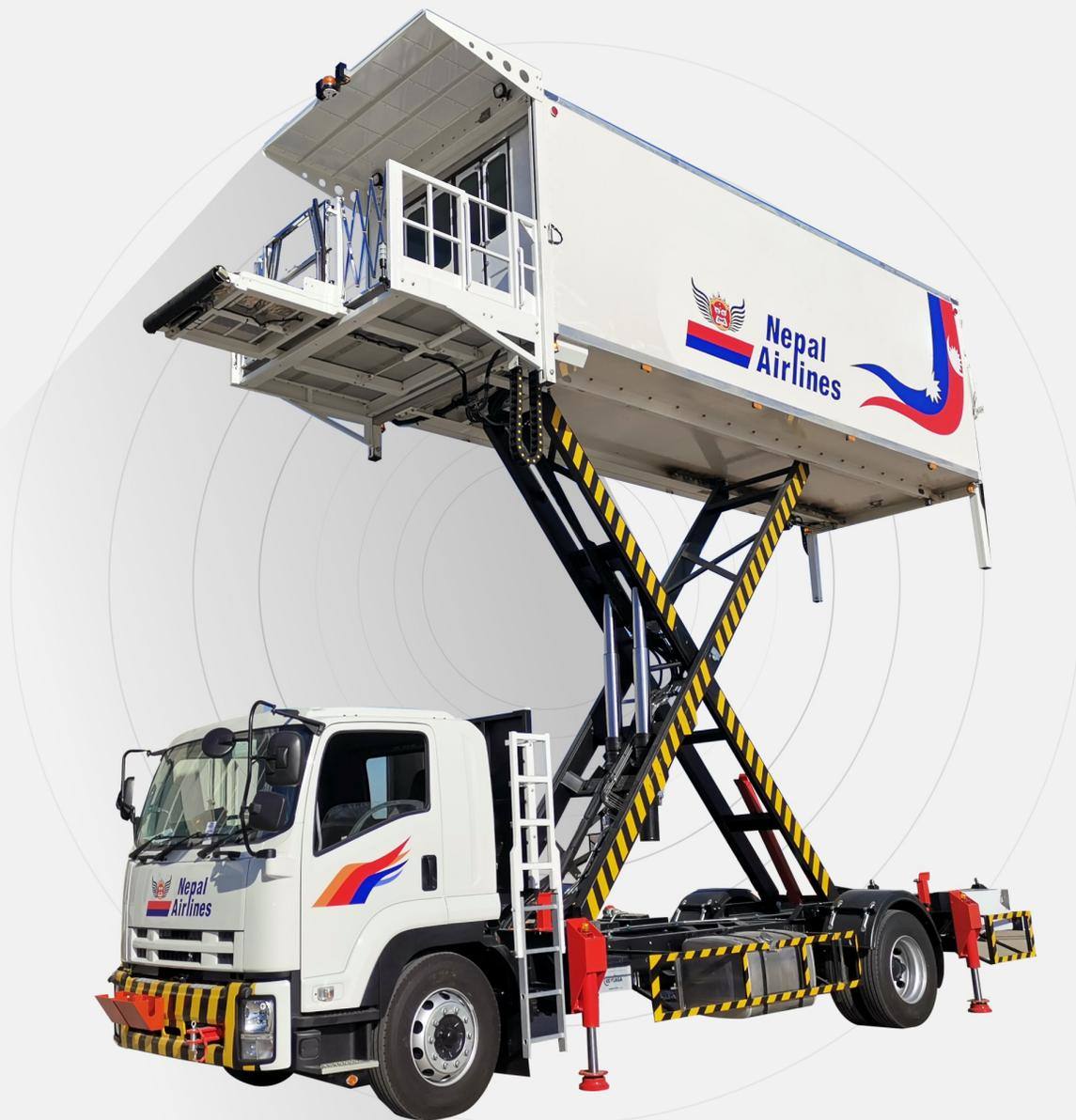
XC-6000e Type Aviation Catering Truck (Fuel Type)
Shenzhen CIMC-TianDa Airport Support Ltd.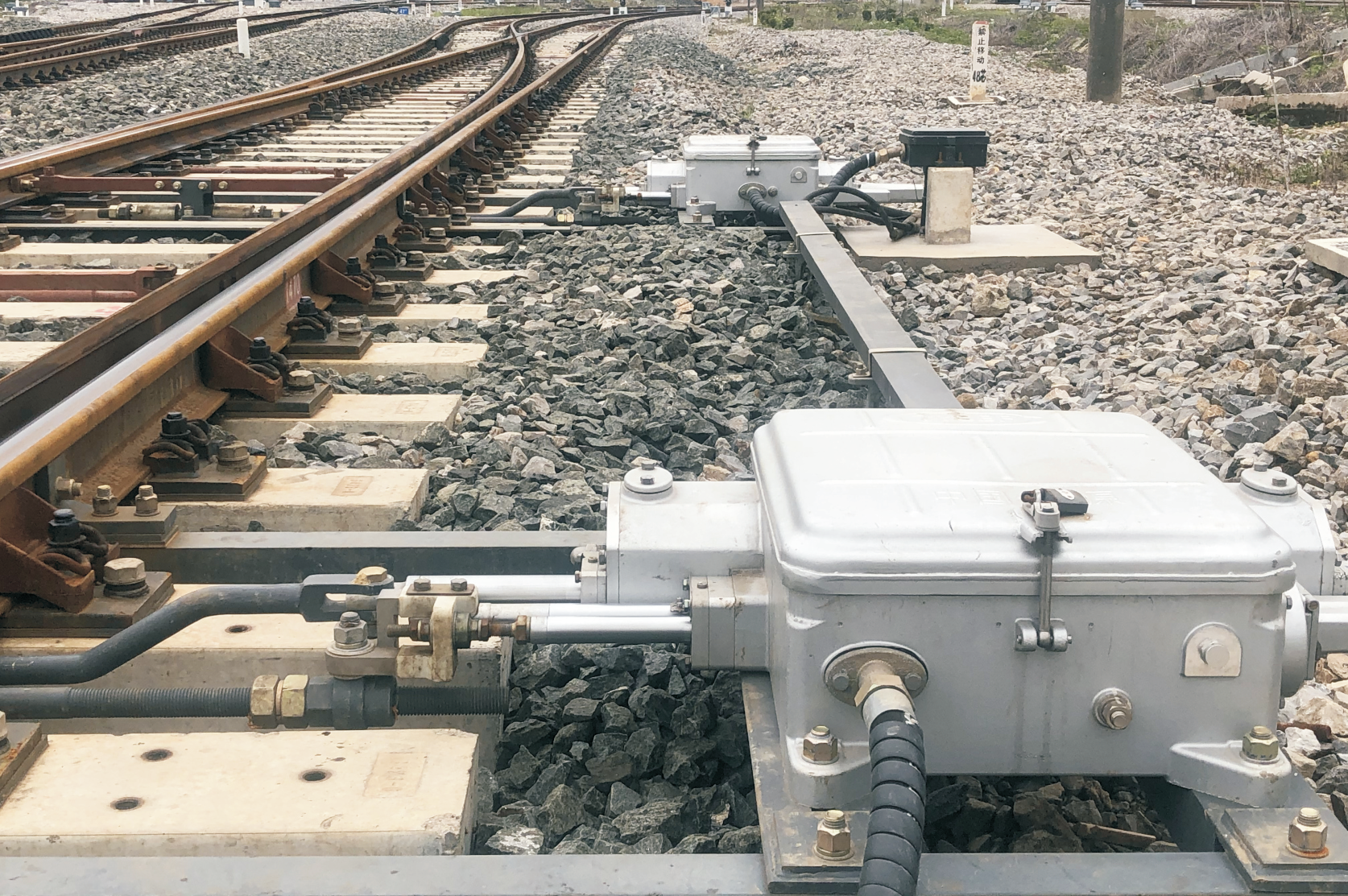
ZY(J)7(M) Sealed Type Electro-Hydraulic Turnout Machine
TAIYUAN CR JINGFENG EQUIPMENT TECHNOLOGY CO., LTD.
![IVECO Cash-in-Transit [DMT5048XYCL3-AM] - Chongqing Dima Industry Co., Ltd](https://img.wedoany.com/2026/0911/20260911030157582.png)
ERW Welded Pipe (Black Pipe and Hot-dip Galvanized Steel Pipe)
Handan Zhengda Steel Pipe Co., Ltd.

CLW5180TXSD6 Dongfeng Tianjin Washing and Sweeping Truck
ChengLi Special Automobile Co., Ltd.