Suriname's GranMorgu Project to Start Production in 2028, Generating US$26 Billion in Revenue
en.Wedoany.com Reported - The Middle East turmoil triggered by the US war against Iran is disrupting global energy markets. With the ongoing dispute over passage rights through the Strait of Hormuz—through which roughly one-fifth of the world's oil and gas supply is transported—crude prices are rising. This geopolitical landscape favors South America's oil industry and also benefits Suriname's nascent oil development, which had previously been held back by contradictory drilling results and seismic data. The former Dutch colony stands on the threshold of becoming South America's next major oil-producing country.
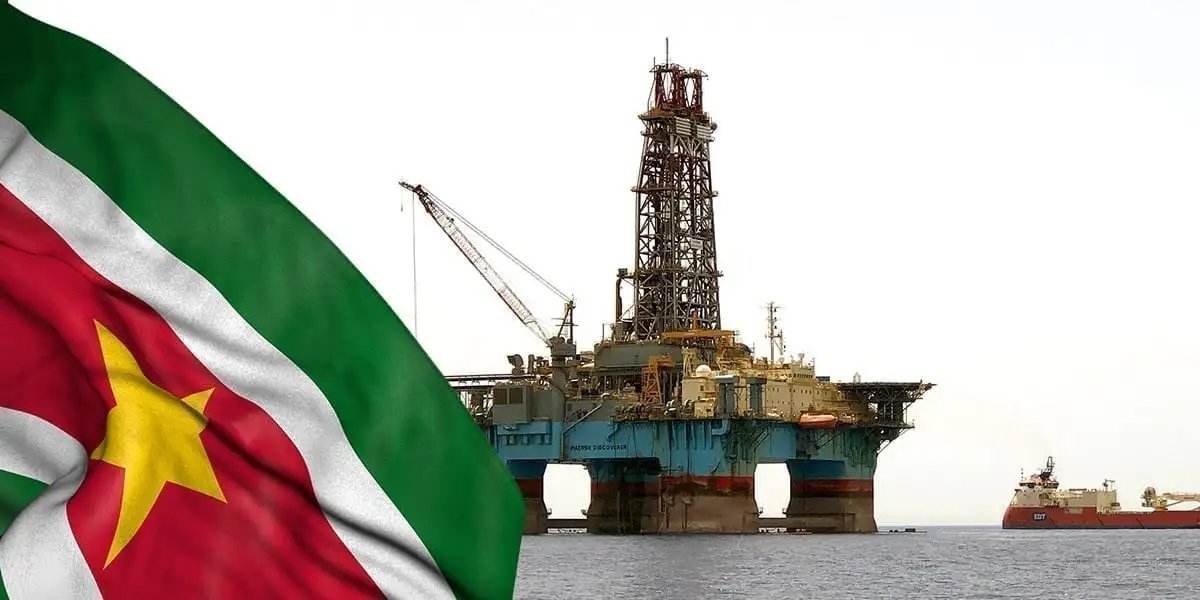
Since 2019, the Surinamese government has been eyeing the economic dividends that neighboring Guyana has reaped from oil and gas exports, and Paramaribo is no stranger to the oil boom of its former British colony. Block 58 has recorded five major oil discoveries since the Maka Central-1 exploration well in 2020, proving that the waters of the Guyana-Suriname Basin hold commercially recoverable hydrocarbons.
Development of Block 58 had been repeatedly delayed since 2022 due to mismatches between drilling results and seismic data, as well as high gas-oil ratios. Subsequently, block operator TotalEnergies approved the Final Investment Decision (FID), and APA Corporation, its 50% partner, approved the development of the deepwater GranMorgu project. The project's ownership structure was then adjusted, with TotalEnergies retaining 40%, APA retaining 40%, and the remaining stake going to Suriname's state oil company Staatsolie.
Staatsolie's entry was based on its rights under the Production Sharing Contract (PSC) for Block 52. The company financed the acquisition with a US$1.6 billion syndicated loan and bonds issued in March 2025. Staatsolie's stake in the GranMorgu project will multiply the benefits accruing to Paramaribo. Suriname has been mired in an economic crisis since 2021, with riots in parts of the capital in 2023 and the parliament building briefly stormed by protesters.
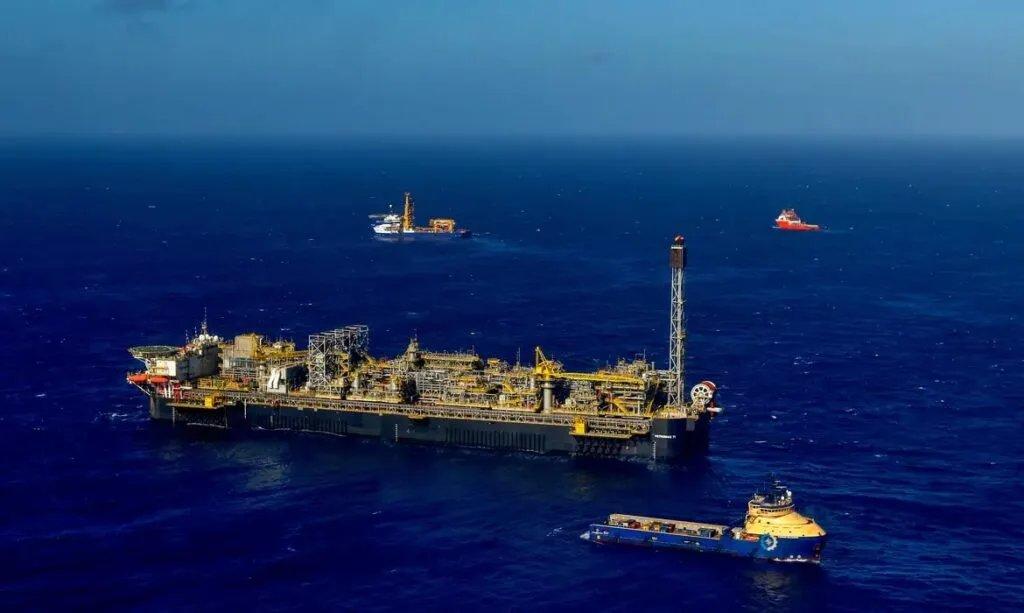
GranMorgu is scheduled to come onstream in 2028, with a floating production, storage and offloading (FPSO) vessel designed to produce 220,000 barrels per day—a significant variable for the economically struggling nation.
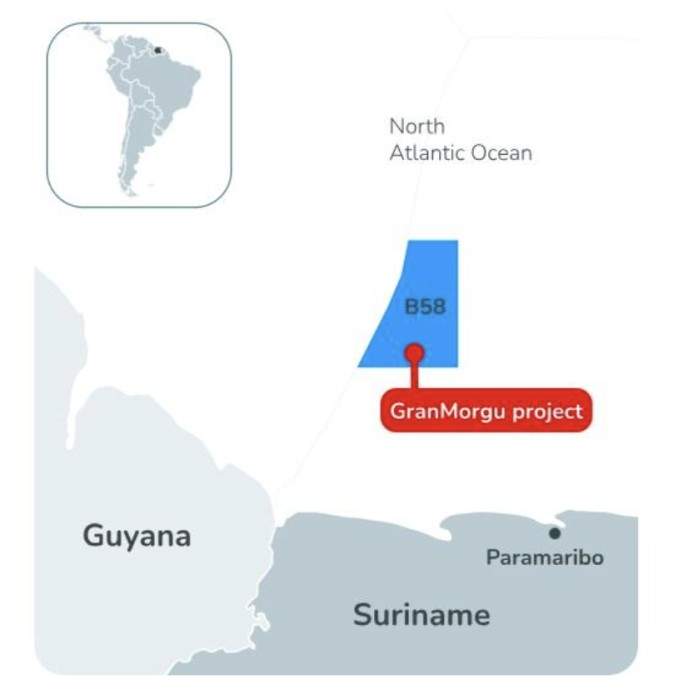
The project's FPSO targets the Sapakara and Krabdagu fields, which together hold an estimated 760 million barrels of recoverable resources. GranMorgu is expected to generate up to US$26 billion in government revenue for Suriname.
TotalEnergies is taking measures to extend the FPSO's operational lifespan, ensuring that after the Sapakara and Krabdagu reservoirs are depleted, the vessel can still be tied into satellite fields to continue boosting output. GranMorgu is designed with a low-carbon approach: the FPSO is fully electric and equipped with energy optimization and emissions monitoring systems. TotalEnergies estimates that the project's carbon emissions per barrel of oil produced are below 16 kilograms, lower than the global upstream average of 17 to 18 kilograms per barrel.
This emission intensity is higher than that of neighboring Brazil and Guyana: Brazil's pre-salt oil production emits approximately 10 to 12 kilograms of carbon per barrel, while Guyana's is as low as 9 kilograms per barrel. Suriname's offshore crude is similar in nature to Guyana's—both are light, low-sulfur oils. The crude discovered at the Sapakara South 1 well has an API gravity of 34 degrees, while crude from the Krabdagu well's 2022 flow test measured 35 to 37 degrees API.
According to APA press releases and reports, the crude has a sulfur content below 1%, with fewer impurities and contaminants, making it easier to process into higher-grade, lower-carbon fuels at lower refining costs. Guyanese crude is attracting foreign drillers and refiners for similar characteristics, driving rising demand for the country's oil cargoes. Paramaribo expects GranMorgu to achieve comparable commercial results.
Suriname's offshore oil development extends beyond Block 58. Malaysia's state-owned Petronas, operator of Block 52, holds an 80% operating interest, with Staatsolie acquiring 20% under its contractual rights. In November 2025, the two parties achieved a Declaration of Commerciality (DOC) for the Sloanea field, marking a key milestone in the block's development.
Sloanea-1 was discovered in 2020 by Petronas, when ExxonMobil held a 50% interest in Block 52. ExxonMobil exited the block in November 2024, transferring its 50% stake to Petronas to focus on Guyana's prolific Stabroek block. Staatsolie subsequently acquired a 20% stake and signed a production sharing contract with Petronas.
Petronas has made significant drilling progress offshore Suriname. At the end of June 2026, it announced eight discoveries in Block 52, all located within its "Golden Lane" area, which is believed to extend from the oil-rich fairway of Guyana's offshore Stabroek block. The latest discoveries came from two wildcat wells—Caiman-1 and Swartzia Aspasia Complex-1 (SAC-1)—and Petronas also completed the Roystonea-2 appraisal well.
These results validate the viability and oil potential of Block 52, which is expected to become Suriname's next major oil and gas field. Petronas Chief Operating Officer and Executive Vice President and CEO of Upstream, Mohd Jukris Abdul Wahab, stated that the Final Investment Decision for Block 52 is planned by the end of 2026. Multiple indications suggest that Suriname is poised to become a major oil producer and exporter, securing the economic benefits it urgently needs.
Related Products
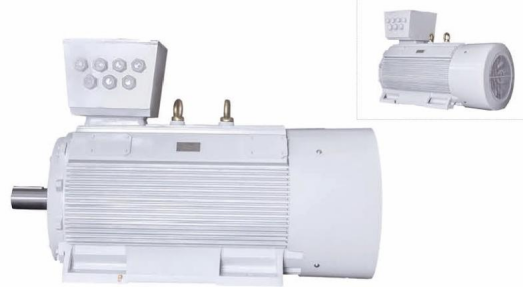

YE3 Series Low Voltage High Power Three-Phase Asynchronous Motor
Shandong Lijiu Electrical Machinery Co., Ltd.
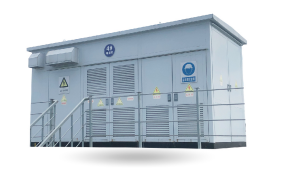
Smart Photovoltaic Prefabricated Substation
Shanghai Jinyou Jinhong Intelligent Electric Co., Ltd.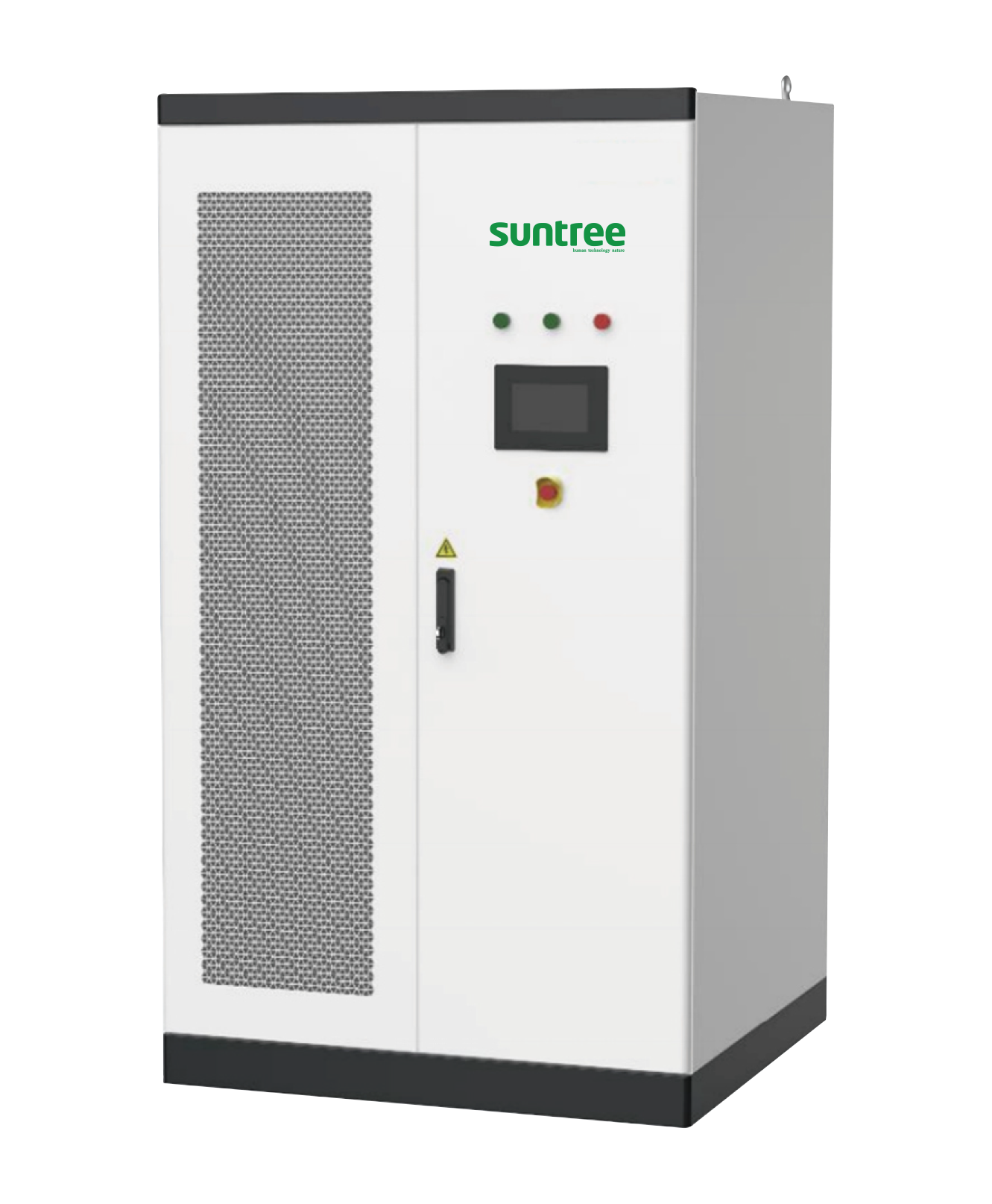
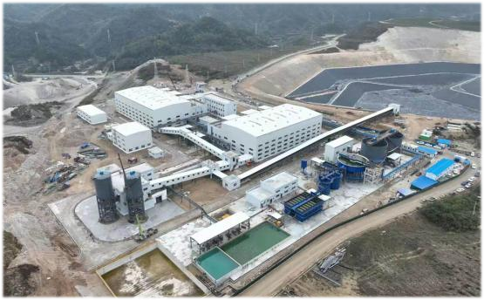
Yingping Mining Section Open-pit Tailings Backfill Treatment of Goaf Ecological Restoration EPC Project
China Bluestar Lehigh Engineering Corporation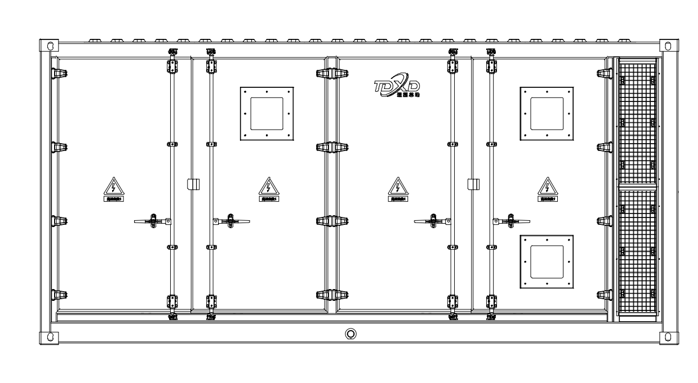
5012kWh DC Energy Storage System TD-EES-5012kWh
Suzhou Tongding Xindong Energy Storage Technology Co., Ltd.

Hydrogen Production Technology: Hydrogen Purification by Pressure Swing Adsorption
Chengdu Yizhi Technology Co., Ltd.