Portugal's PRIO to Test ENG8's Combustion-Free Industrial Heat Technology
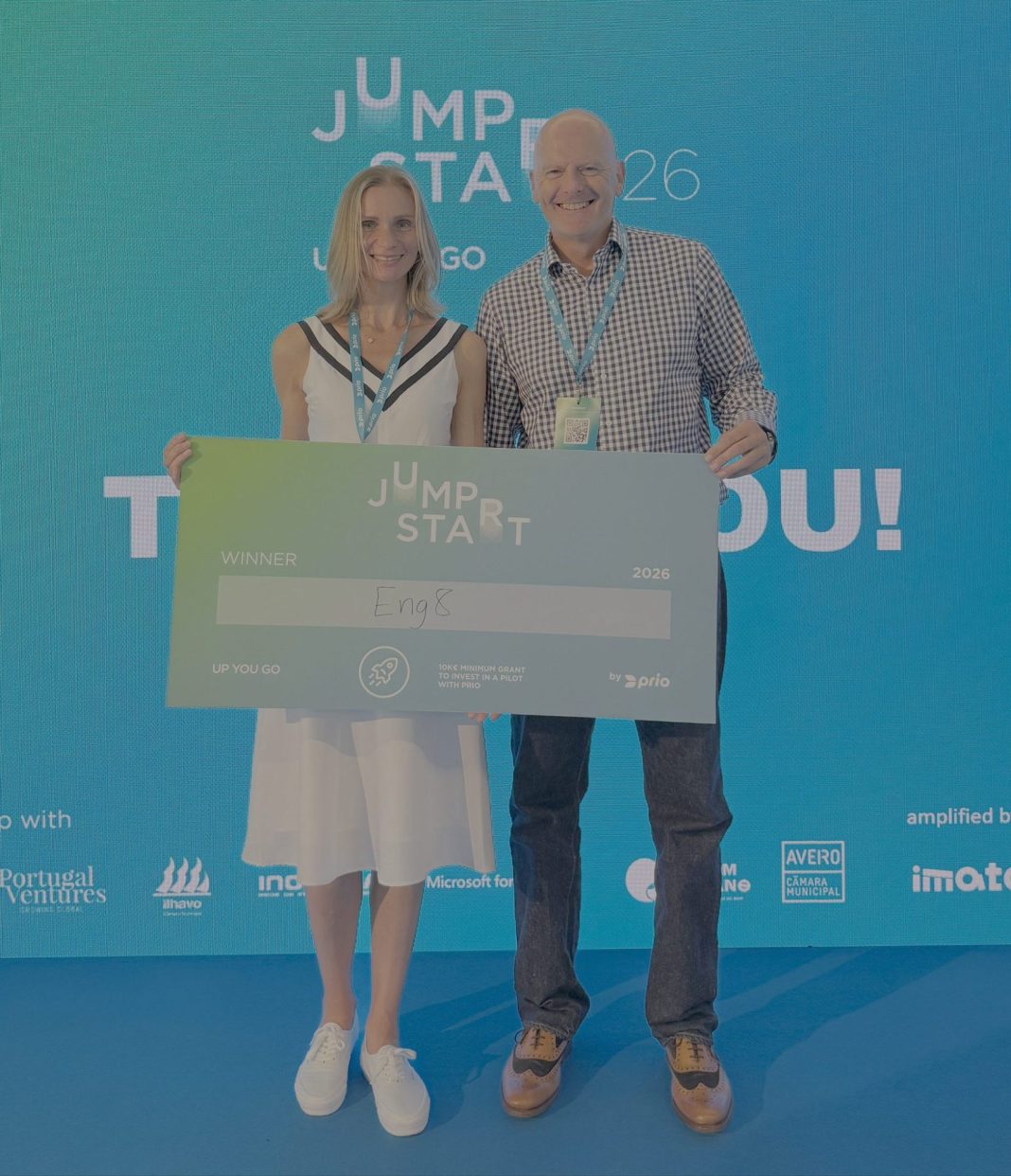
en.Wedoany.com Reported - ENG8 is developing technology based on Low-Energy Nuclear Reactions (LENR), aiming to provide high-temperature industrial heat and electricity to energy-intensive industrial sectors without burning fossil fuels. The company was named one of the winning startups of the 8th PRIO Jump Start program and will partner with Portugal's PRIO to install a pilot unit at the Aveiro biodiesel refinery, replacing the gas burners of existing industrial boilers, to verify the system's reliability under real operating conditions, as well as its potential to reduce energy costs and CO2 emissions.
The EnergiCell unit uses water as input, separating it into hydrogen and oxygen ions via an electric field. The ions attract each other to form dense, compact structures called plasmoids, in which low-energy nuclear reactions release energy in the form of heat and electricity. Thermal energy can be delivered as hot air at approximately 1250°C, pressurized steam, electricity, or plasma-electrolyzed hydrogen, depending on industrial process needs. ENG8 states that the process involves no combustion, no radioactive materials, no rare or toxic metals, and no harmful radiation detected above natural background levels. The unit is the size of a shipping container, can be installed within days, and customers purchase energy rather than equipment. The company emphasizes that heat pumps merely transfer existing heat with a coefficient of performance (COP), whereas the EnergiCell releases new energy and can operate on its own output.
ENG8 was co-founded by three independent research teams involving approximately 35 scientists and engineers. Founders Valeria Tyutina and Haslen Back invested around €7 million and eight years through technology investment and commercialization companies to complete the integration. The company believes that what has changed is not the physics but the engineering, with research focus shifting from whether the phenomenon is real to whether it can operate reliably in compact equipment on factory floors. The reaction has received multiple independent verifications: the Culham laboratory measured a coefficient of performance (COP) of 5, the Instituto Electrotécnico Português completed three independent verifications in Porto, Professor Jean-Paul Biberian verified self-powered operation, and ENG8's own laboratory measured a COP between 7 and 10.
The technology has not yet been integrated into customer production lines. The Primus project will build a 100 kW EnergiCell unit, aiming to advance the technology from TRL 4–5 to TRL 7–8, with the first commercial energy sales expected in Q4 2026. ENG8 has received a letter of intent signed by Primus Ceramics and a letter of support from the Portuguese Association of Ceramic and Glass Industries (Associação Portuguesa das Indústrias de Cerâmica e de Cristalaria, APICER), whose 1,281 member companies have a combined turnover of €1.6 billion.
ENG8's construction cost is approximately €500,000 per megawatt; for reference, renewable energy with sustainable supply costs €4–8 million per megawatt, fission plants cost €10–20 million per megawatt, and fusion is expected to be even more expensive. Most components are commercially available equipment with lead times of about 90 days, installation can be completed within days, and no grid connection is required. The reaction utilizes hydrogen and oxygen from water, independent of fuel supply chains. The company believes the fairest comparison is not against other generators, but against the natural gas bills factories currently pay.
The pilot project will supply closed-loop hot air from a 100 kW EnergiCell unit to PRIO's existing fire-tube boiler, replacing the methane burner while keeping boiler and steam specifications unchanged, with subsequent phased progression to 1 MW and 8 MW. PRIO is one of Portugal's major fuel and energy companies, and its Aveiro biodiesel refinery operates an 8 MW industrial gas boiler. The pilot aims to operate continuously under industrial loads, maintain steam at 10 bar, and deliver heat at approximately €35.95 per MWh—about 20% cheaper than the €44.94 per MWh PRIO currently pays—with the price fixed for ten years. If the pilot succeeds, the model can be replicated across PRIO's entire customer base. Replacing methane is expected to eliminate approximately 14,200 tonnes of CO2 annually, equivalent to the yearly emissions of about 8,000 internal combustion engine vehicles, or approximately 142,000 tonnes over the ten-year contract period, while also reducing approximately 11 tonnes of nitrogen oxides, 9 tonnes of carbon monoxide, and 0.8 tonnes of particulate matter.
Portugal's total industrial heat demand is approximately 3.4 GW. ENG8 states that operating on grid electricity is already a low-carbon solution (Portugal's grid power is primarily from renewable sources), and will be near-zero emission from 2027 when the generator begins powering its own reaction. The company believes the technology offers five benefits to the Portuguese economy and citizens: cheaper energy (industrial users save about 20% from day one, with off-grid electricity at approximately €50 per MWh within ten years—a fraction of what households and businesses currently pay); competitiveness and employment (energy is one of the largest cost items in sectors such as ceramics, glass, food, and paper, and reducing costs helps retain energy-intensive industries and jobs in Portugal); energy independence (no more natural gas imports, eliminating dependence on fuel supply chains and saving billions of euros annually in hydrocarbon imports); faster decarbonization (no combustion, no emissions, helping achieve climate goals without additional costs to industry or households); and leadership in a new energy industry (the technology was validated in Porto, will be demonstrated in Aveiro, and if the pilot succeeds, Portugal could become a launchpad for a new energy industry, attracting investment, skills, and exports). The company's first two selected customers correspond to a kiln operating at approximately 1000°C and a 10-bar steam boiler, covering two of the most demanding and common applications in industrial heat.
Beyond industrial heat, ENG8 also plans to use the technology for off-grid electricity production, hybrid electric vehicles, charging infrastructure, maritime vessels, and controlled-environment horticulture in the Netherlands, with later plans to license the EnergiCell to manufacturers for integration into vehicles, machinery, and equipment. This generator requires neither fuel nor grid connection and can power cars, EV chargers, electric trucks, ships, ports, and islands. The company expects to achieve approximately 100 MW of installed capacity within two to three years and gigawatt scale within three to five years, stating that the supply chain already follows automotive industry standards and that the main constraint is equipment installation and commissioning rather than manufacturing capacity. The ultimate goal is to make clean, cheap, continuous energy a routine product that factory managers can order directly.
Related Products

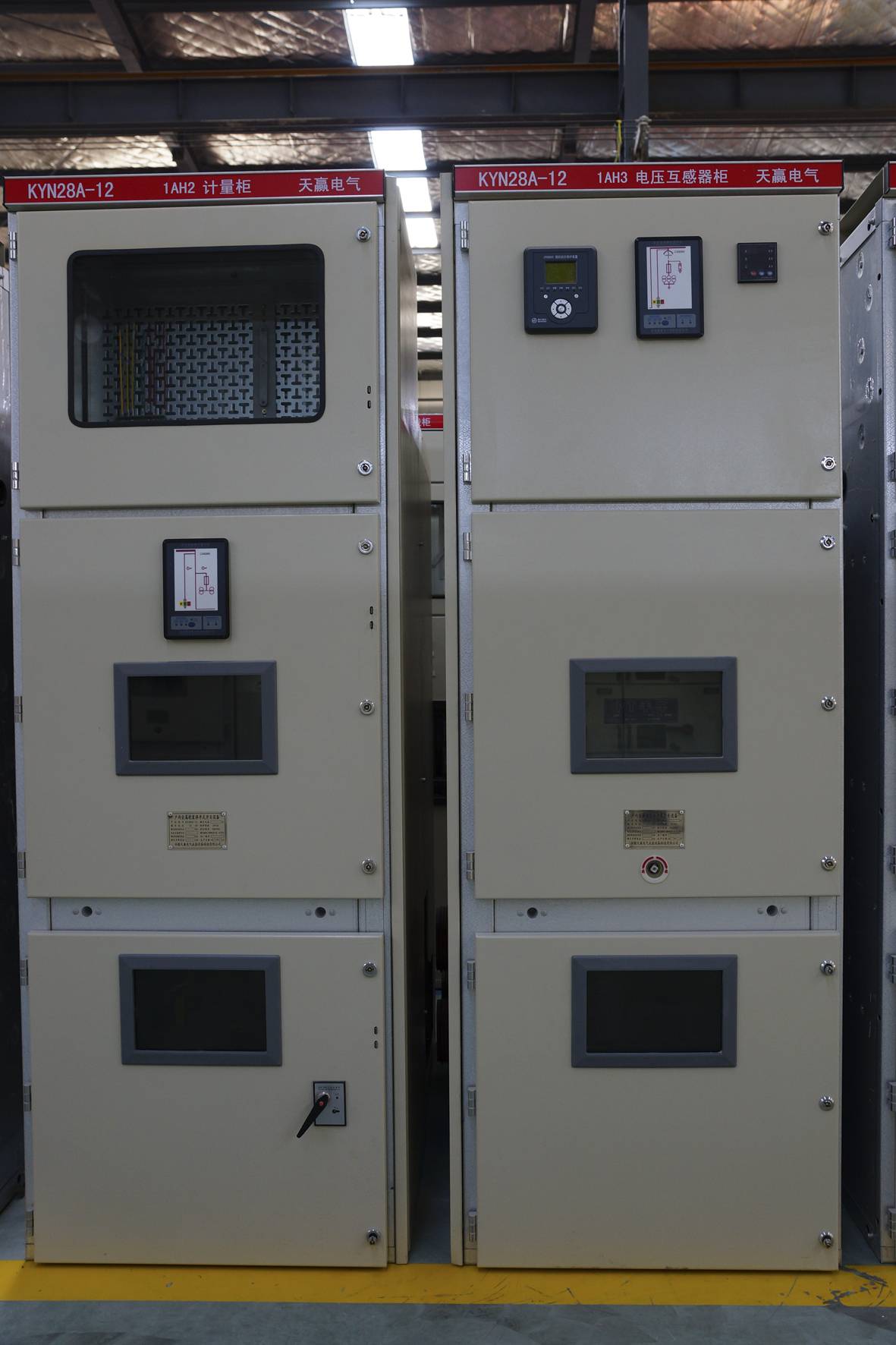
KYN28 - High Voltage Switchgear
Anhui Tianying Electrical Equipment Manufacturing Co., Ltd.
220kV Composite Outdoor Cable Terminal
Shenyang Guolian Cable Accessories Manufacture Co., Ltd.
Overseas IEC Gateway Energy Meter - DTSD341/DSSD331-aMeter390
Wasion Group Limited Co., Ltd.